Discover insights about this artwork
The Death of Adonis (With Venus, Cupid, and The Three Graces) — History & Facts
In The Death of Adonis, Peter Paul Rubens presents a vivid tableau filled with rich colors and dynamic figures. The painting features Adonis, the god of beauty, lying lifeless, surrounded by Venus, Cupid, and The Three Graces. The use of deep reds and soft pastels creates a striking contrast that enhances the emotional weight of the scene.
The figures are elegantly posed, conveying a sense of movement and drama. The painting is executed in oil on canvas, a common medium for Rubens, allowing for vibrant color and texture. The dimensions are approximately 150 x 200 cm, making it a substantial work that commands attention. Rubens' characteristic brushwork is evident, with fluid lines and a focus on the play of light and shadow.
The composition is carefully arranged, guiding the viewer's eye through the emotional narrative. Peter Paul Rubens was a leading figure of the Baroque movement, known for his exuberant style and ability to convey emotion. This work, created in the 1630s, reflects his fascination with classical mythology and the human experience. An interesting fact about this painting is that it combines themes of love and loss, showcasing not only the beauty of the figures but also the tragedy of Adonis's fate.
Rubens' ability to blend these elements is a hallmark of his artistic genius.
More Artworks by Peter Paul Rubens
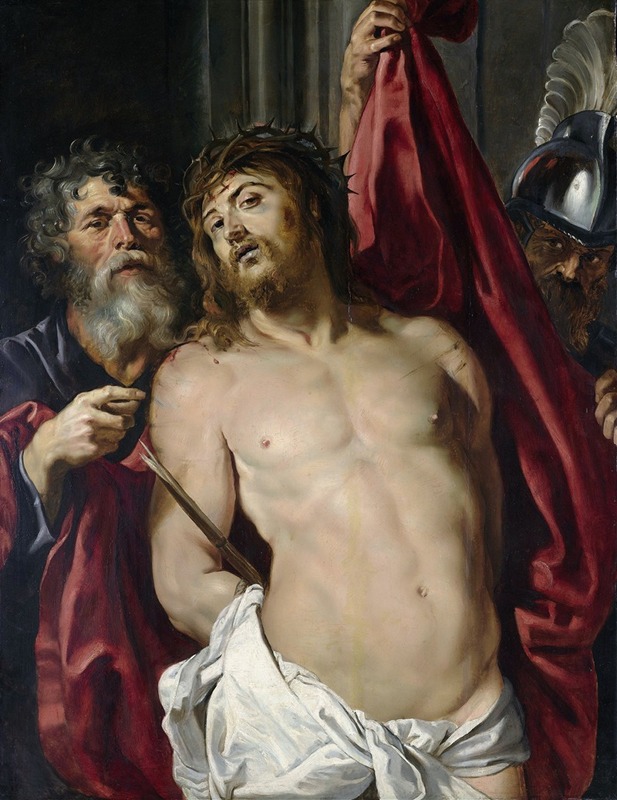
Ecce homo
Peter Paul Rubens
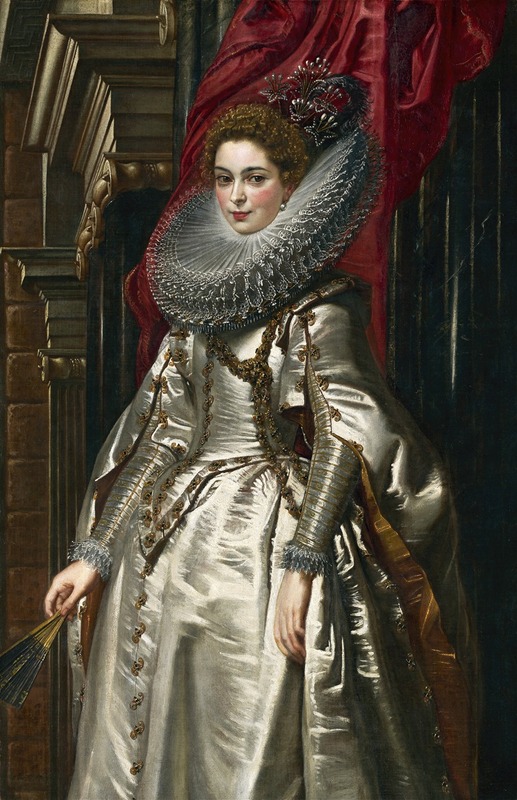
Marchesa Brigida Spinola Doria
Peter Paul Rubens
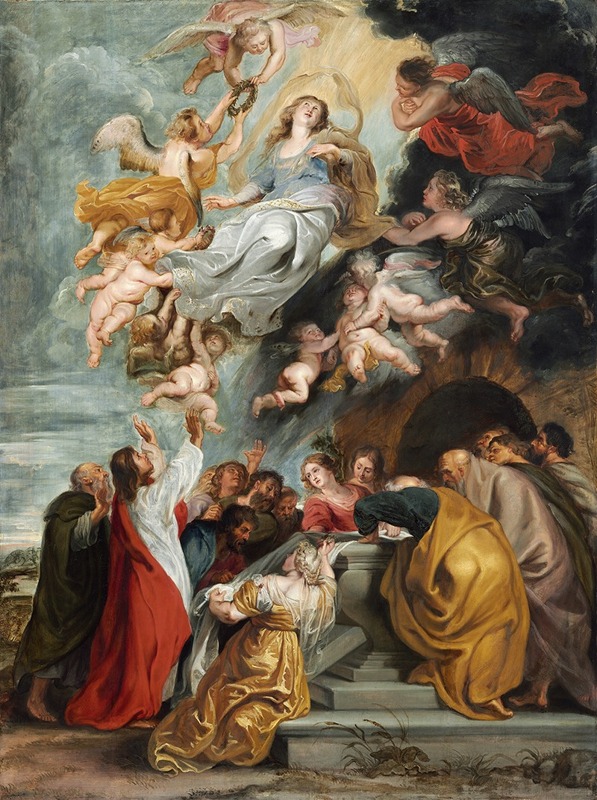
The Assumption of the Virgin
Peter Paul Rubens

Saint Teresa of Ávila Interceding for Souls in Purgatory
Peter Paul Rubens
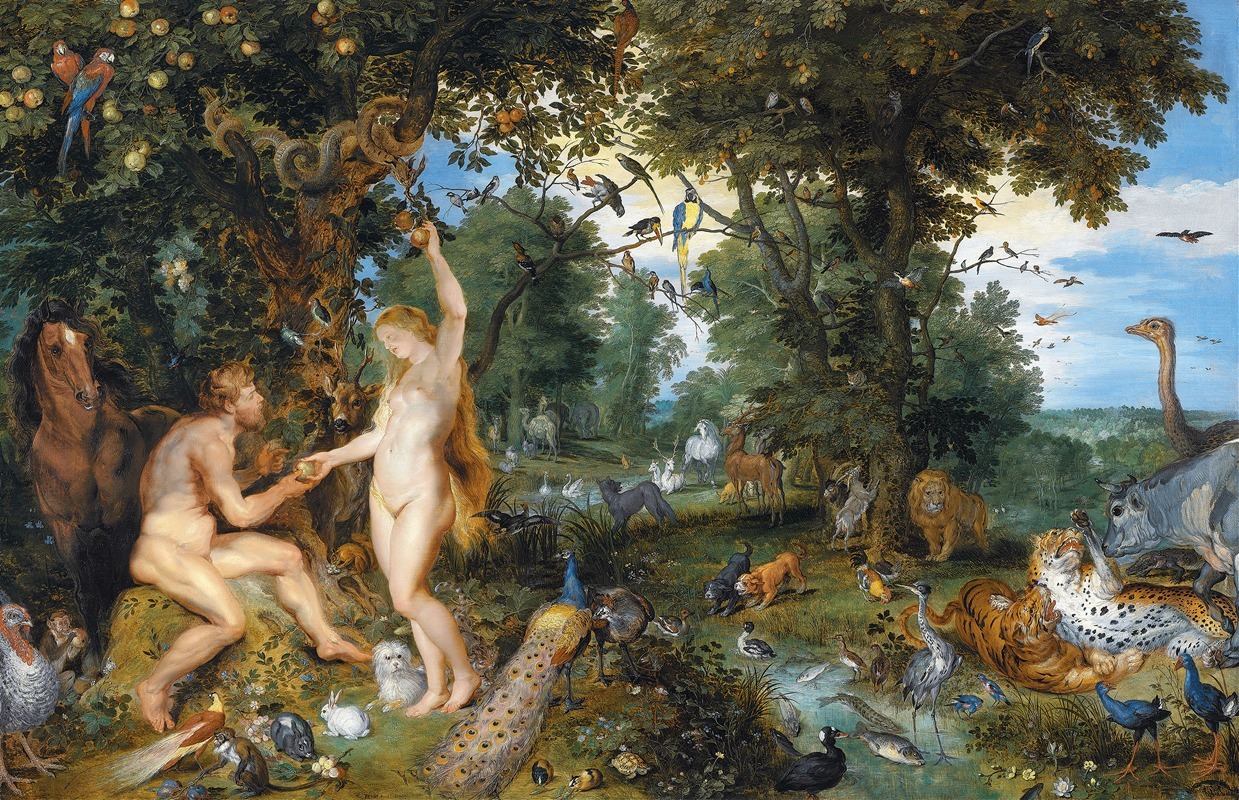
The Garden of Eden with the Fall of Man
Peter Paul Rubens
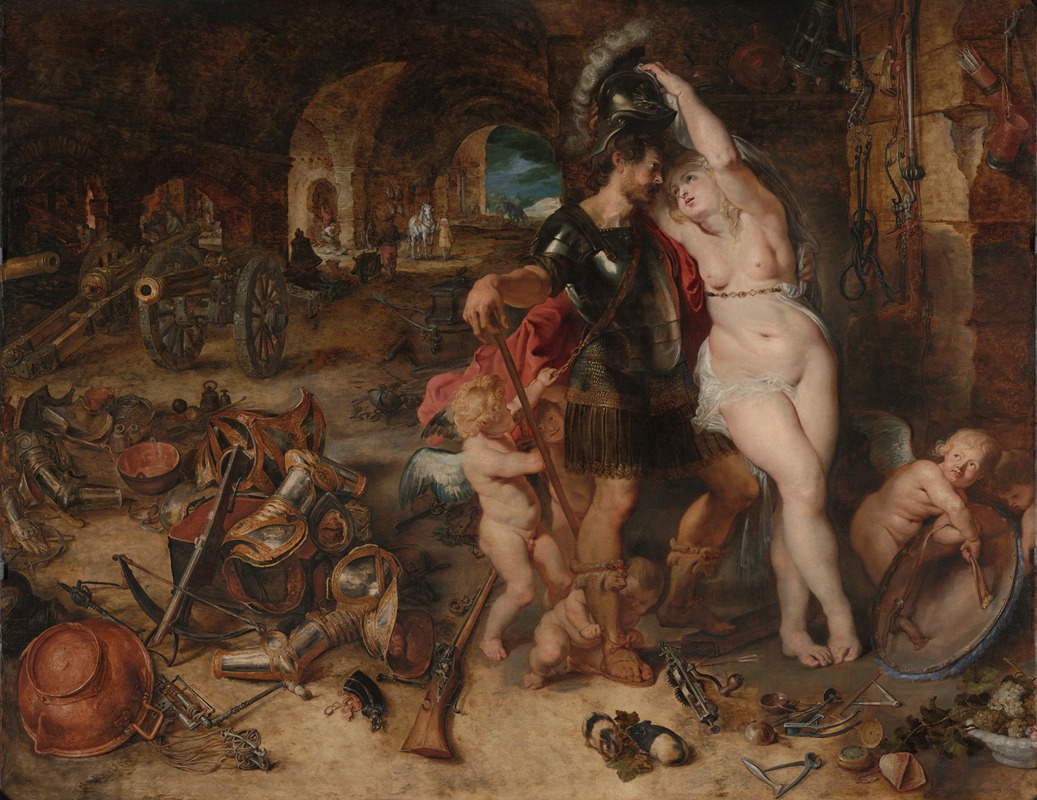
The Return From War,Mars Disarmed By Venus
Peter Paul Rubens
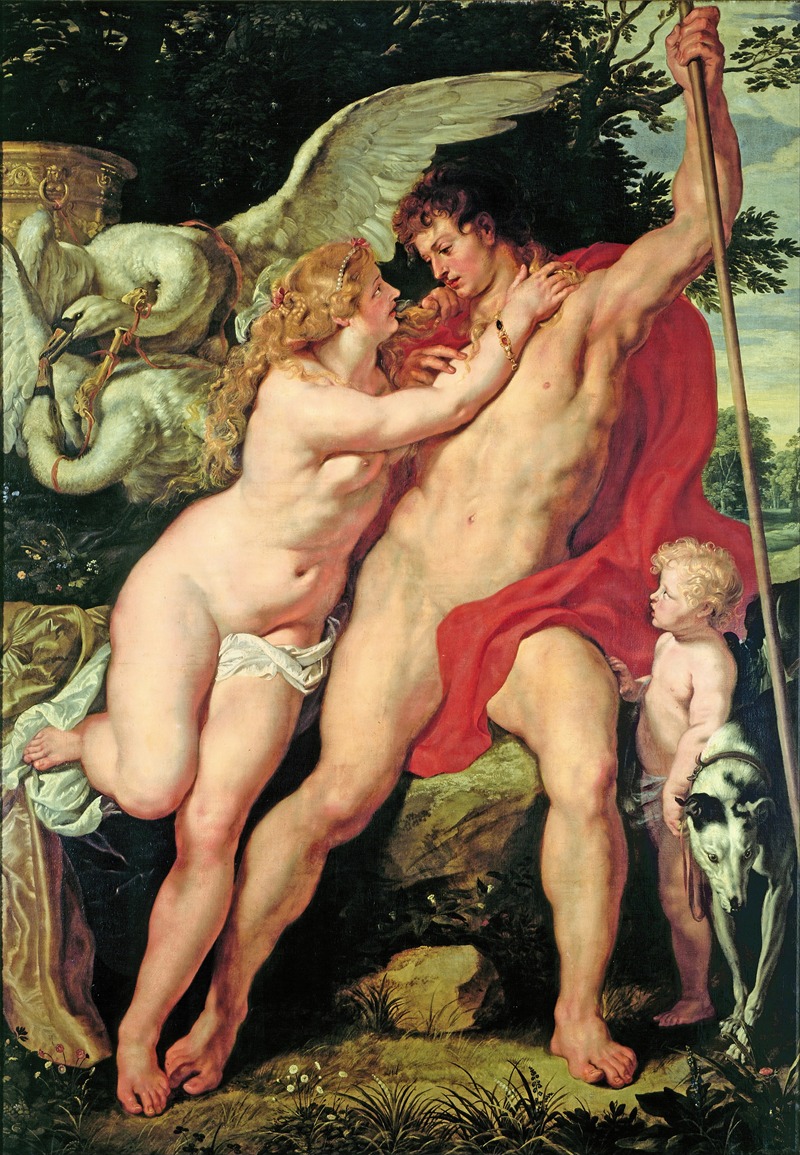
Venus and Adonis
Peter Paul Rubens
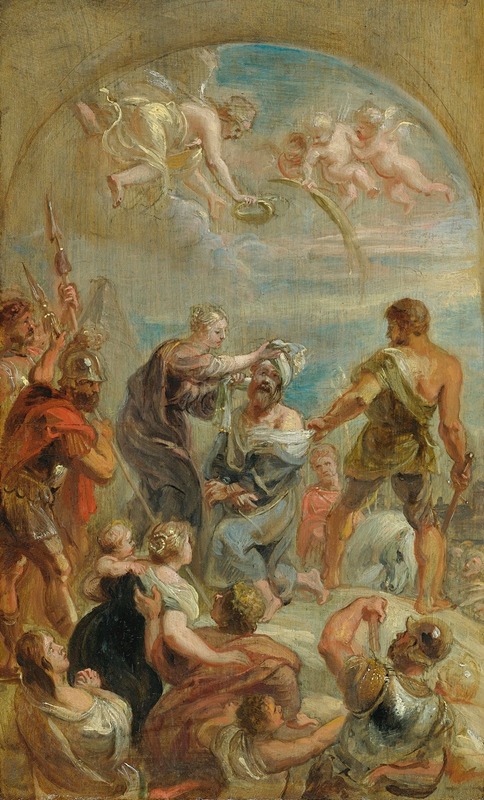
The Martyrdom Of Saint Paul
Peter Paul Rubens
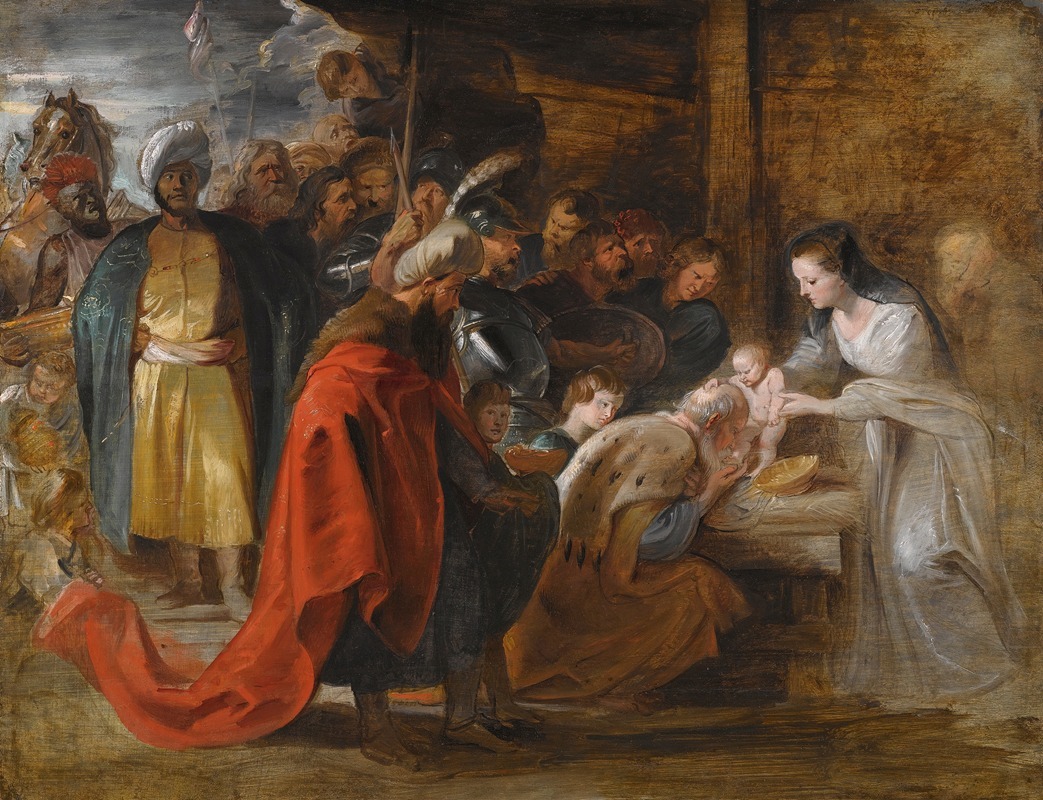
The Adoration Of The Magi
Peter Paul Rubens
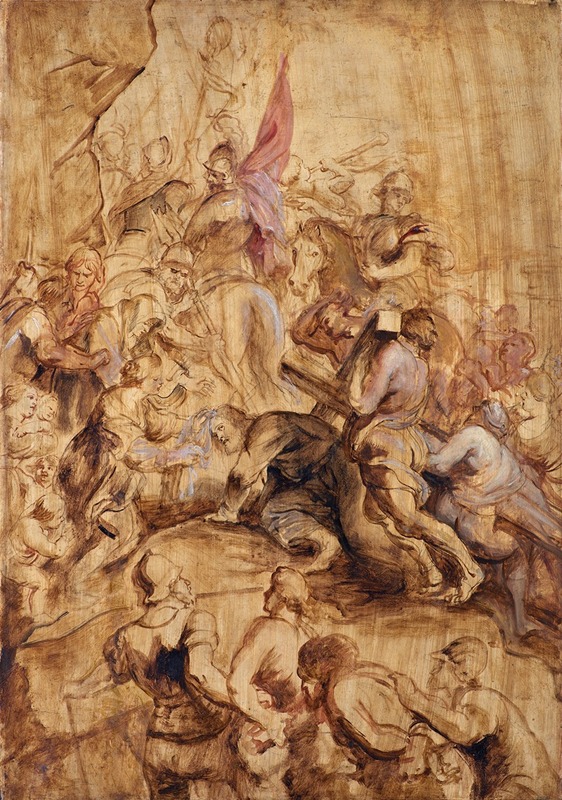
The Ascent to Calvary. The Bearing of the Cross
Peter Paul Rubens