
The Departure of the Boatman — History & Facts
What secret hides in the quiet of the canvas? In the stillness of The Departure of the Boatman, a sense of faith permeates the air, inviting us to ponder the invisible connections that bind us to each other and the world around us. Focus on the tranquil water at the center of the composition, where the soft ripple reflects a serene sky. Notice how the warm hues of ochre and soft blues blend seamlessly, creating a harmony that calms the spirit. The figures of the boatmen, rendered with gentle strokes, draw your attention as they prepare for departure, embodying the delicate balance between man and nature, duty and freedom.
The subtle play of light on their forms adds depth, suggesting both movement and hesitation. Delve into the emotional undercurrents of the painting; the boatmen’s expressions are imbued with a quiet determination, yet there's an undercurrent of uncertainty in their journey. The horizon, barely defined, hints at both promise and the unknown, elevating the act of departure to a sacred ritual. This tension between the familiar and the mysterious speaks to the universal human experience of stepping into the future, making choices with faith in the unseen. During the early 1870s, Corot painted this work in the midst of a transformative period in his career, shifting from landscapes to more intimate, narrative-driven subjects.
Exploring themes of existence and connection, he found inspiration in the natural world, reflecting a broader movement in the art of his time that sought to capture both the beauty and complexity of life.
More Artworks by Jean-Baptiste-Camille Corot
Browse all →
View of Genoa
Jean-Baptiste-Camille Corot
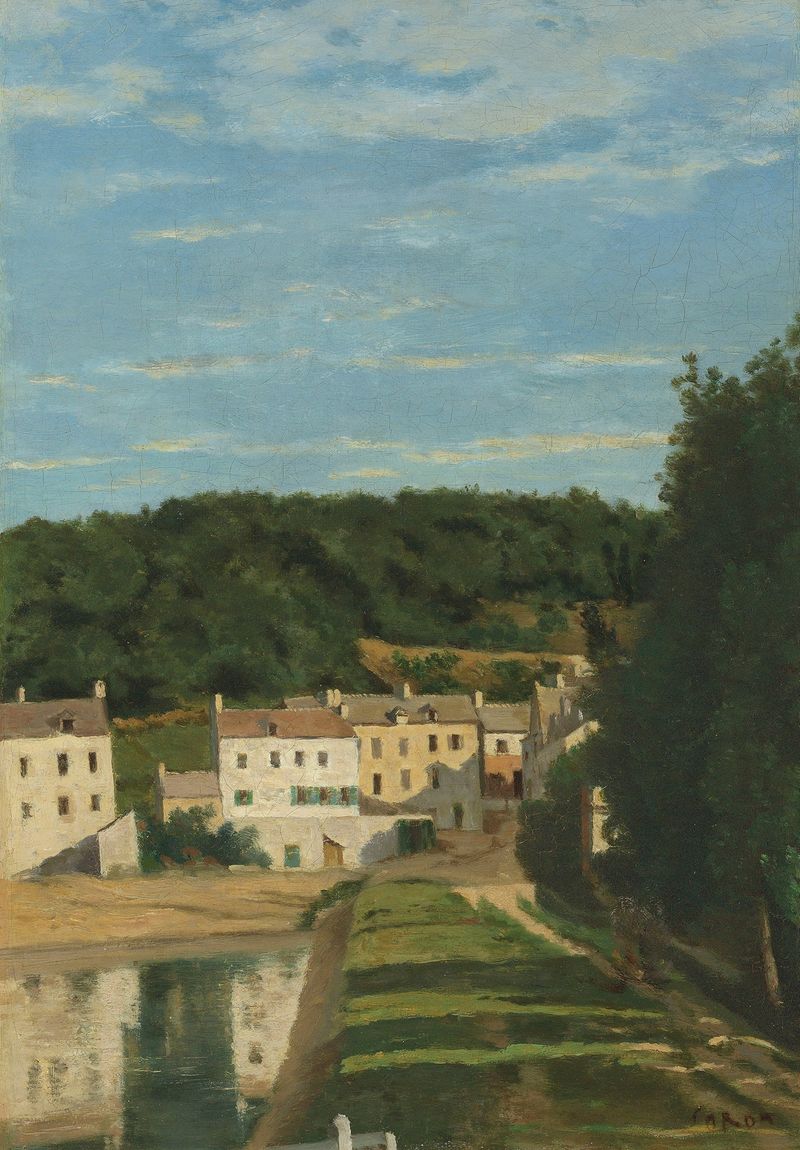
Les Maisons Cabassud À Ville D’avray
Jean-Baptiste-Camille Corot

La solitude. Souvenir de Vigen (Limousin)
Jean-Baptiste-Camille Corot
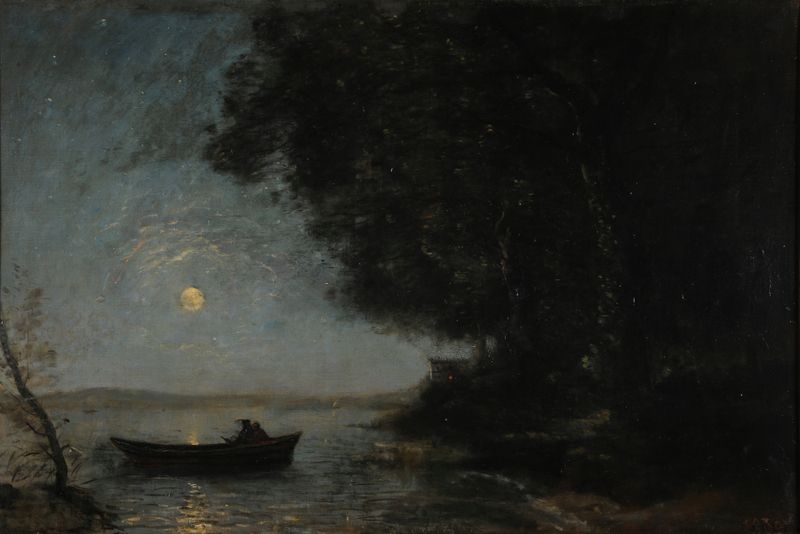
Le lac ; effet de nuit
Jean-Baptiste-Camille Corot
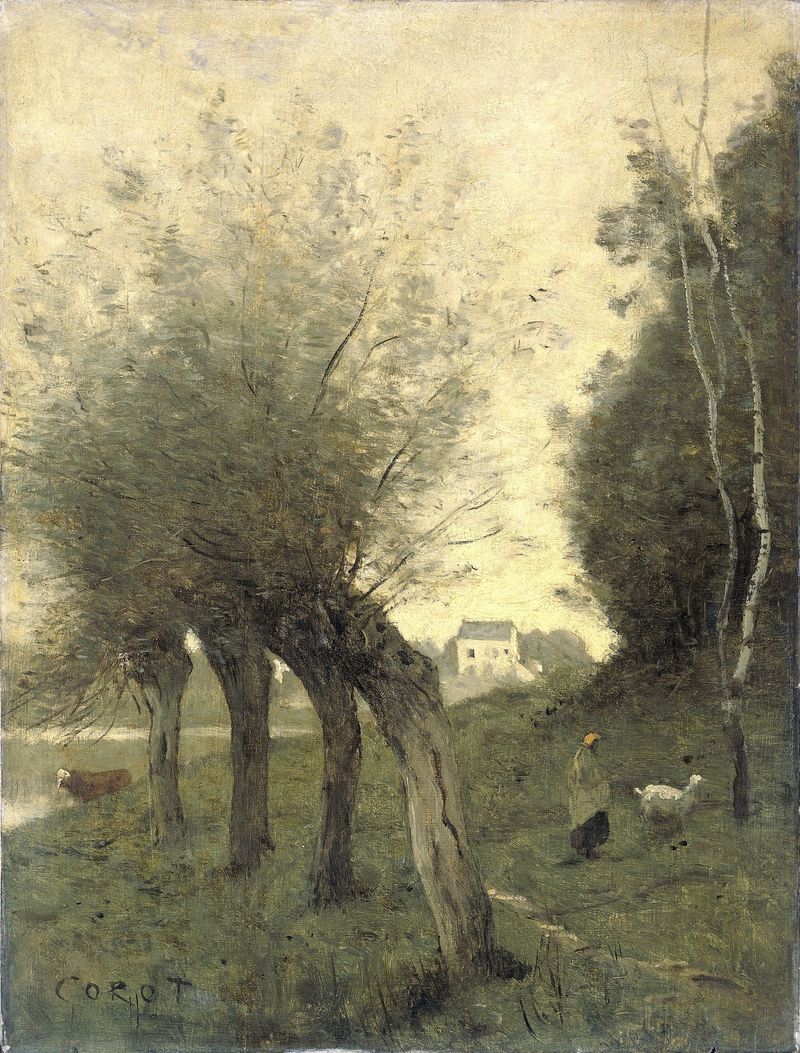
Landscape with Pollard Willows
Jean-Baptiste-Camille Corot
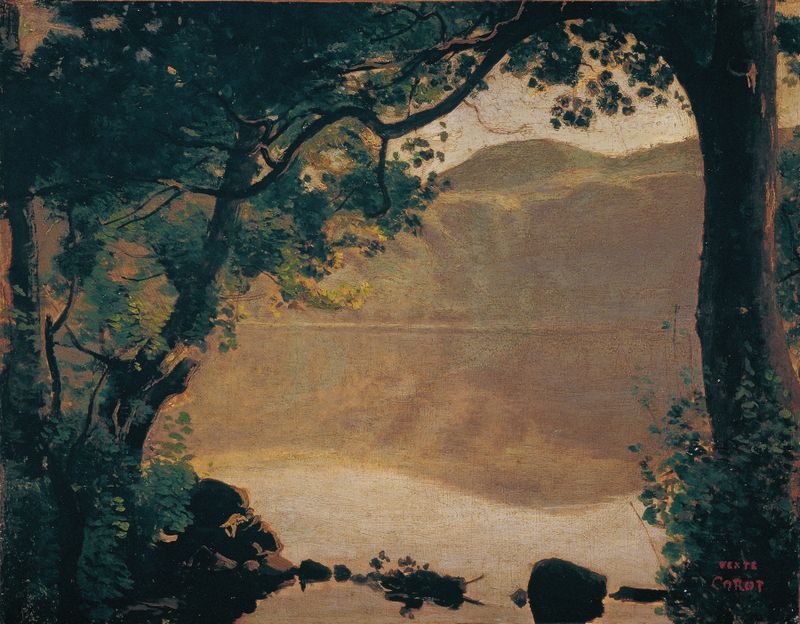
Der Nemisee
Jean-Baptiste-Camille Corot
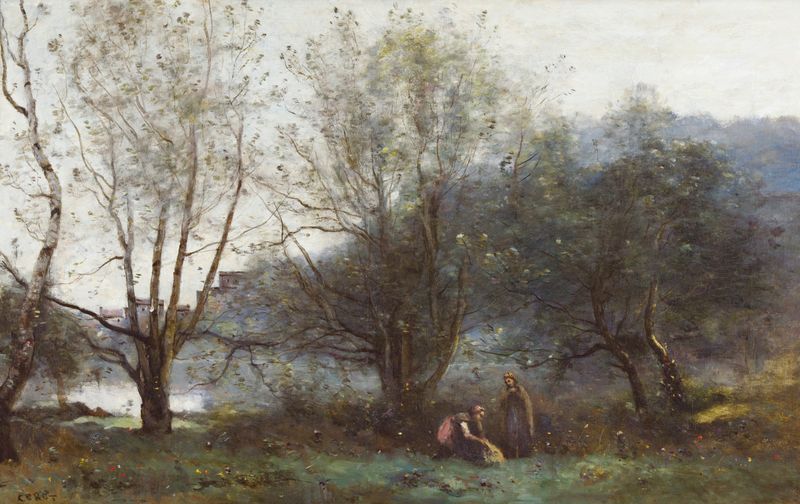
Les Étangs De Ville D’avray
Jean-Baptiste-Camille Corot
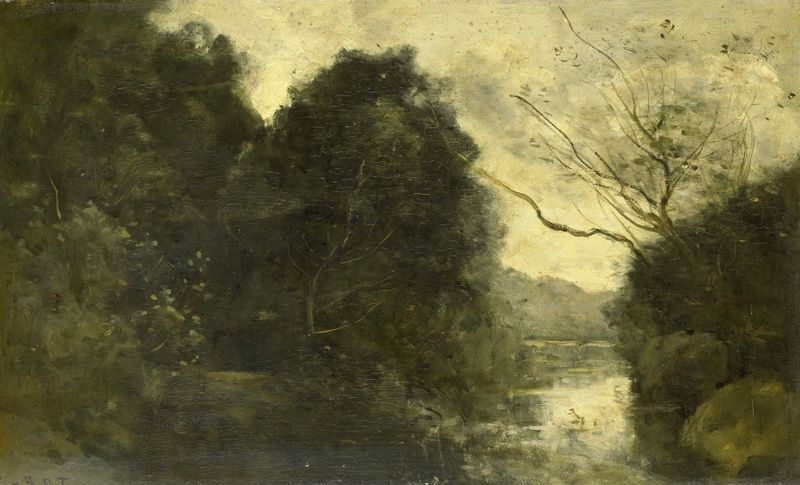
Pond in the Woods
Jean-Baptiste-Camille Corot
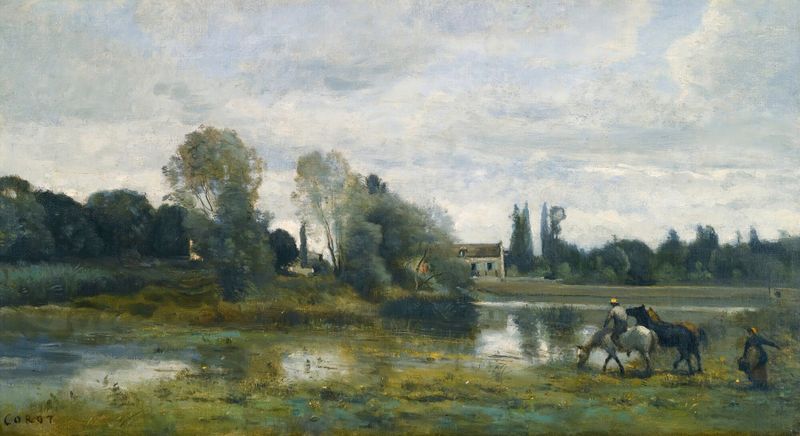
Ville D’avray; L’abreuvoir Des Chevaux
Jean-Baptiste-Camille Corot
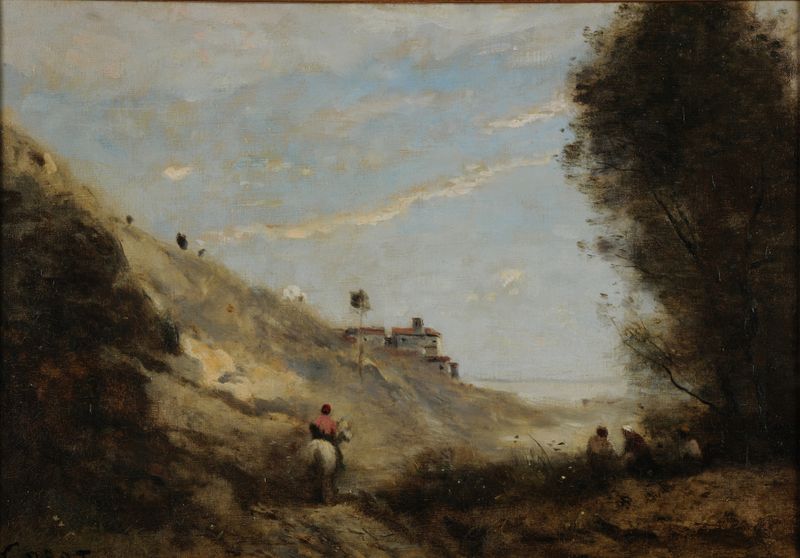
Le vallon au cavalier
Jean-Baptiste-Camille Corot





