Discover insights about this artwork
The Departure of the Boats, Étretat — History & Facts
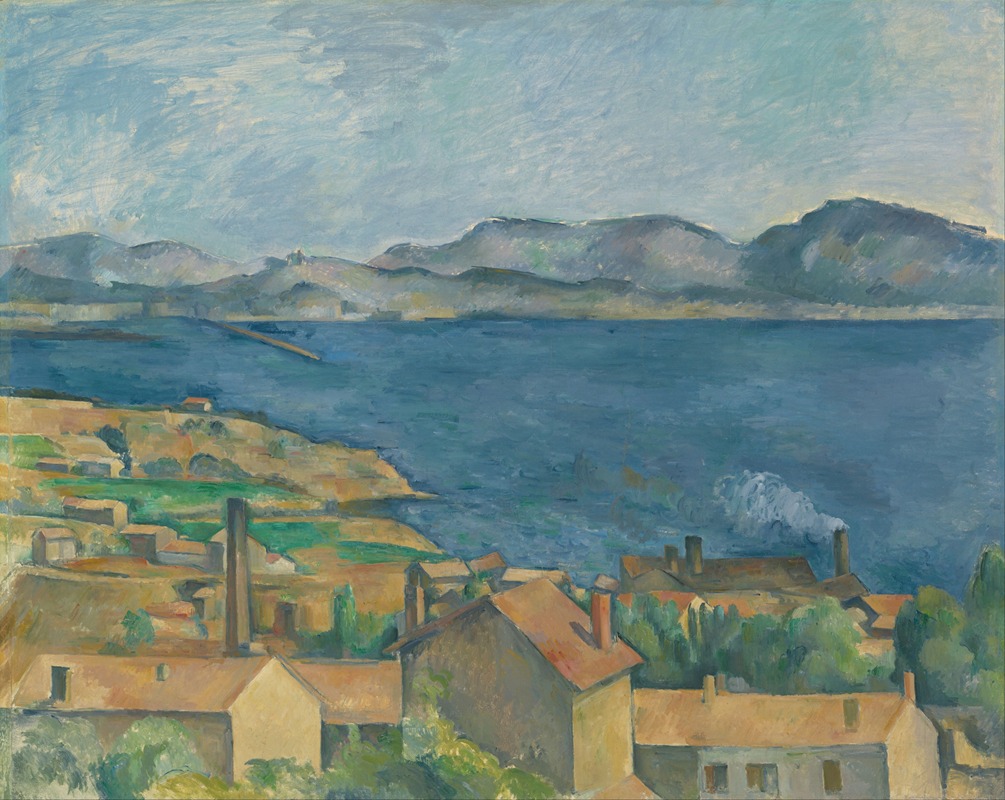
In The Departure of the Boats, Étretat, Claude Monet presents a lively marine scene filled with color. The painting features boats departing from the shore, surrounded by the dramatic cliffs of Étretat. The sky is painted in soft blues and whites, while the water reflects shimmering hues of blue and green.
The overall atmosphere is one of movement and vitality, capturing a moment of daily life by the sea. Monet employs loose brushwork and a vibrant palette to convey the essence of the scene. The quick strokes create a sense of immediacy, making the viewer feel as if they are witnessing the boats set sail. The composition is balanced, with the boats positioned dynamically against the backdrop of the cliffs.
This technique is characteristic of Impressionism, emphasizing light and color over precise detail. Created around the mid-1880s, this painting reflects Monet's fascination with the coast of Normandy. He often painted the same scenes at different times of day to capture changing light conditions. The Departure of the Boats, Étretat is significant as it showcases Monet's ability to blend realism with impressionistic techniques.
Interestingly, Monet's works from this period are often celebrated for their innovative approach to capturing nature.
More Artworks by Claude Monet
Water Lilies
Claude Monet
Low Tide at Pourville, near Dieppe
Claude Monet
Poppy Field (Giverny)
Claude Monet
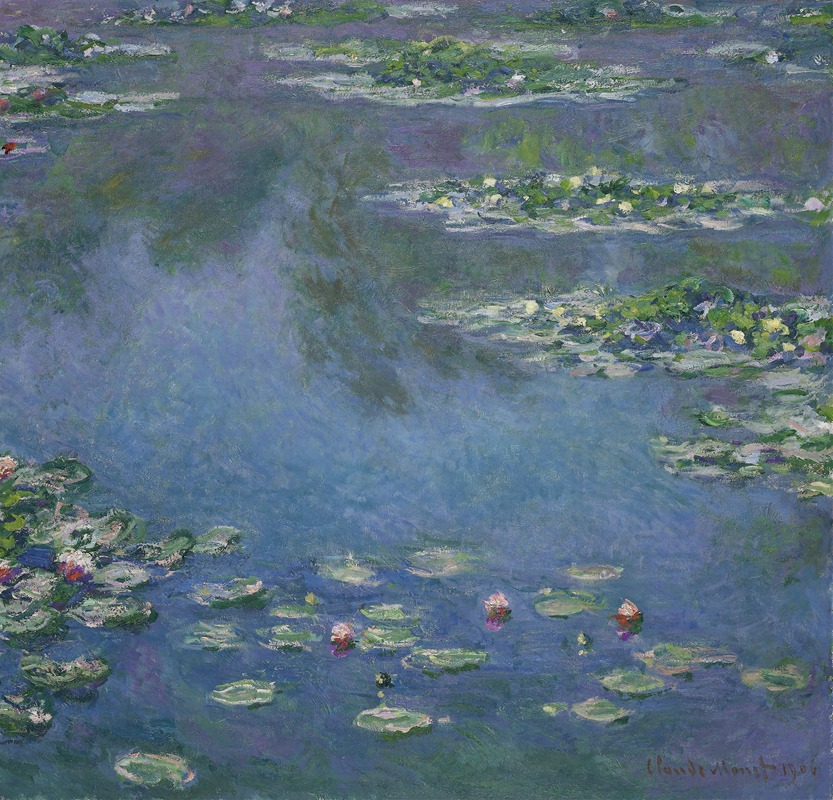
Water Lilies
Claude Monet
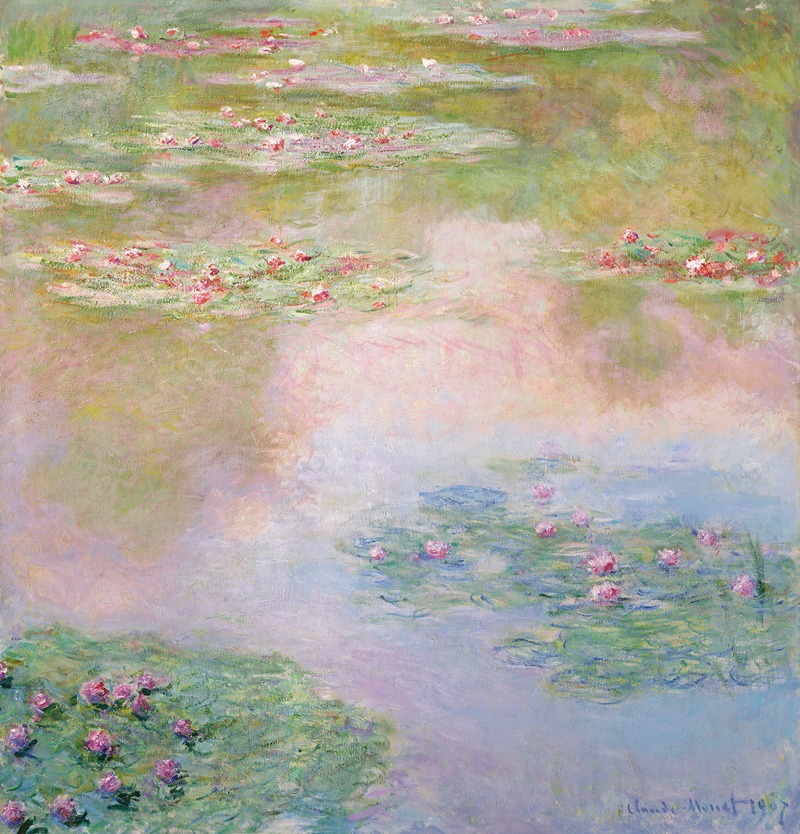
Nymphéas
Claude Monet
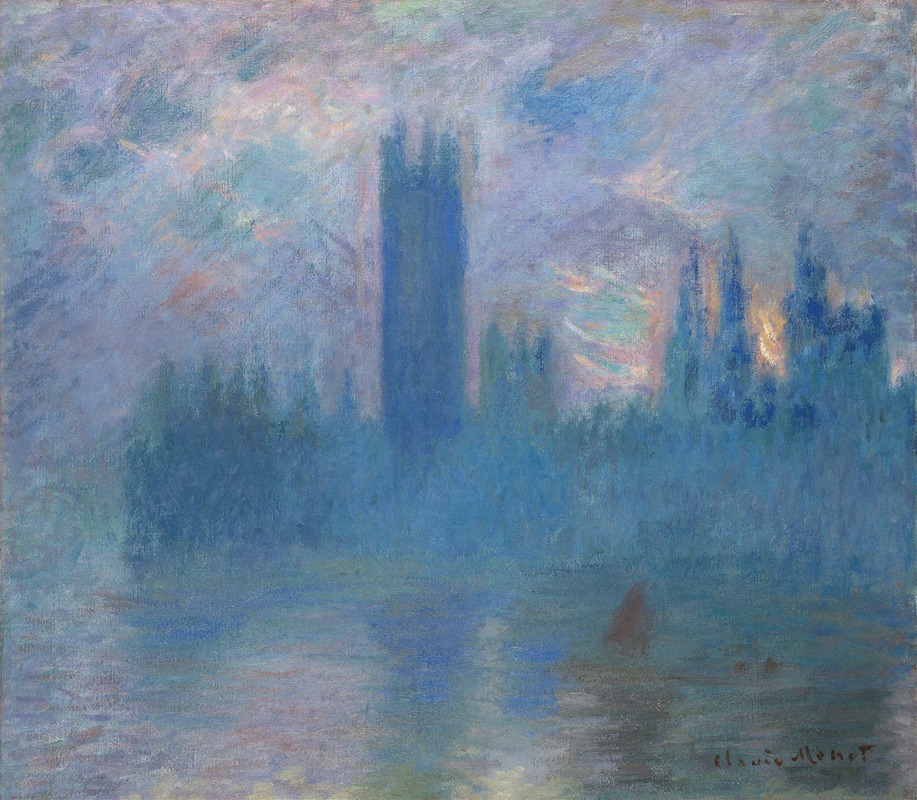
Houses of Parliament, London
Claude Monet
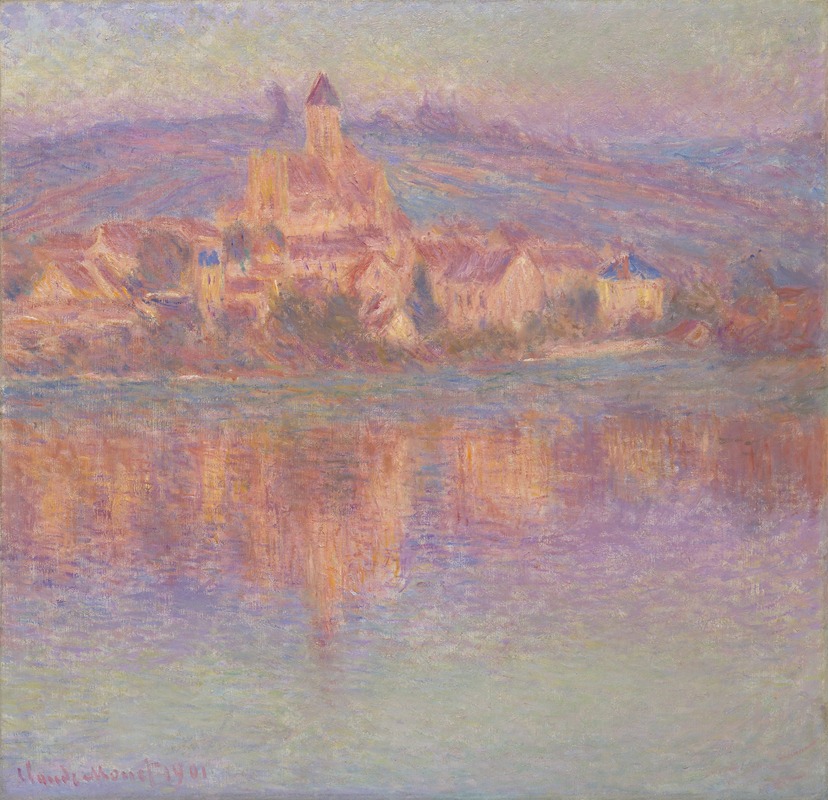
Vétheuil
Claude Monet
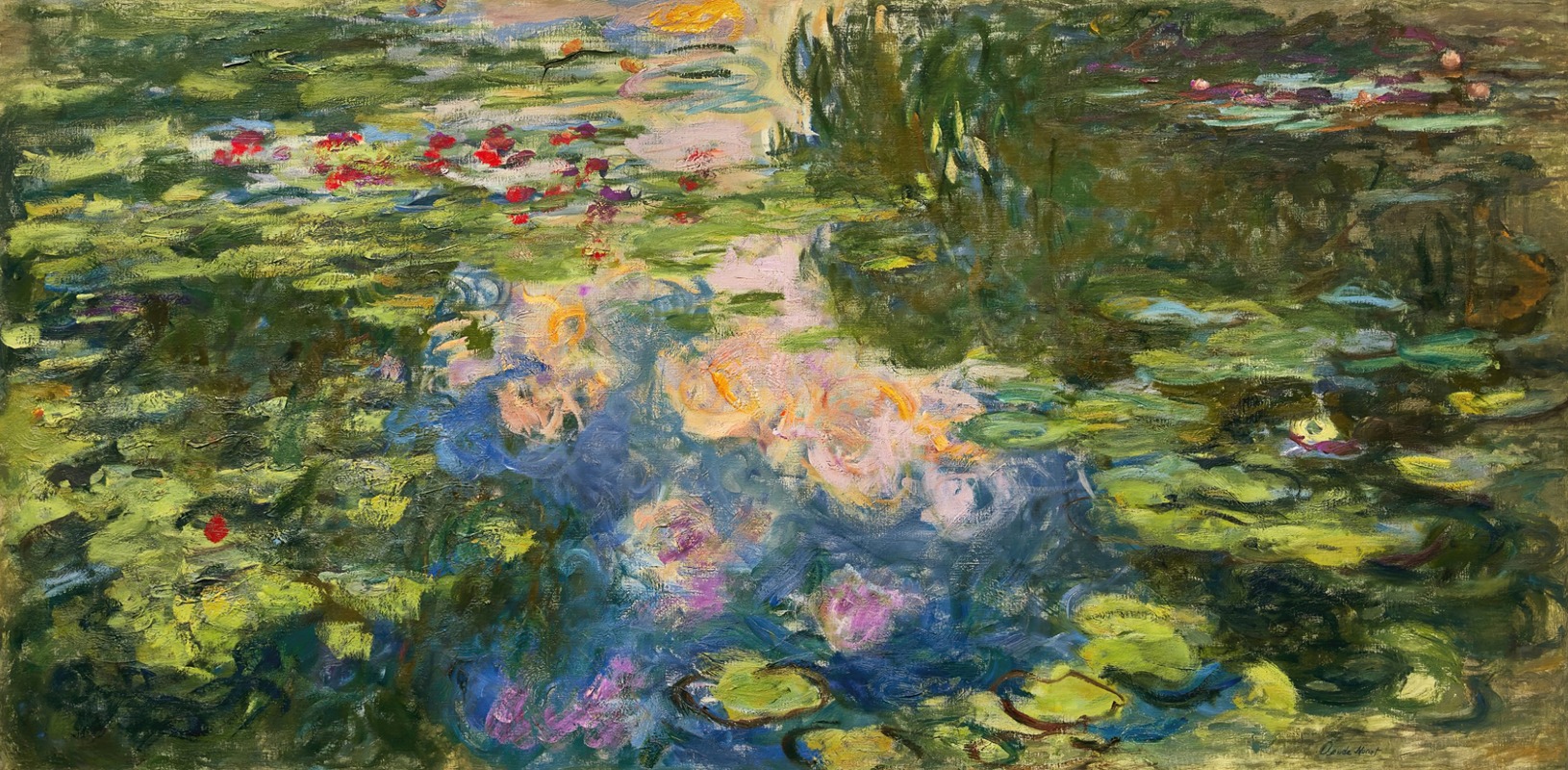
Le Bassin aux nymphéas
Claude Monet
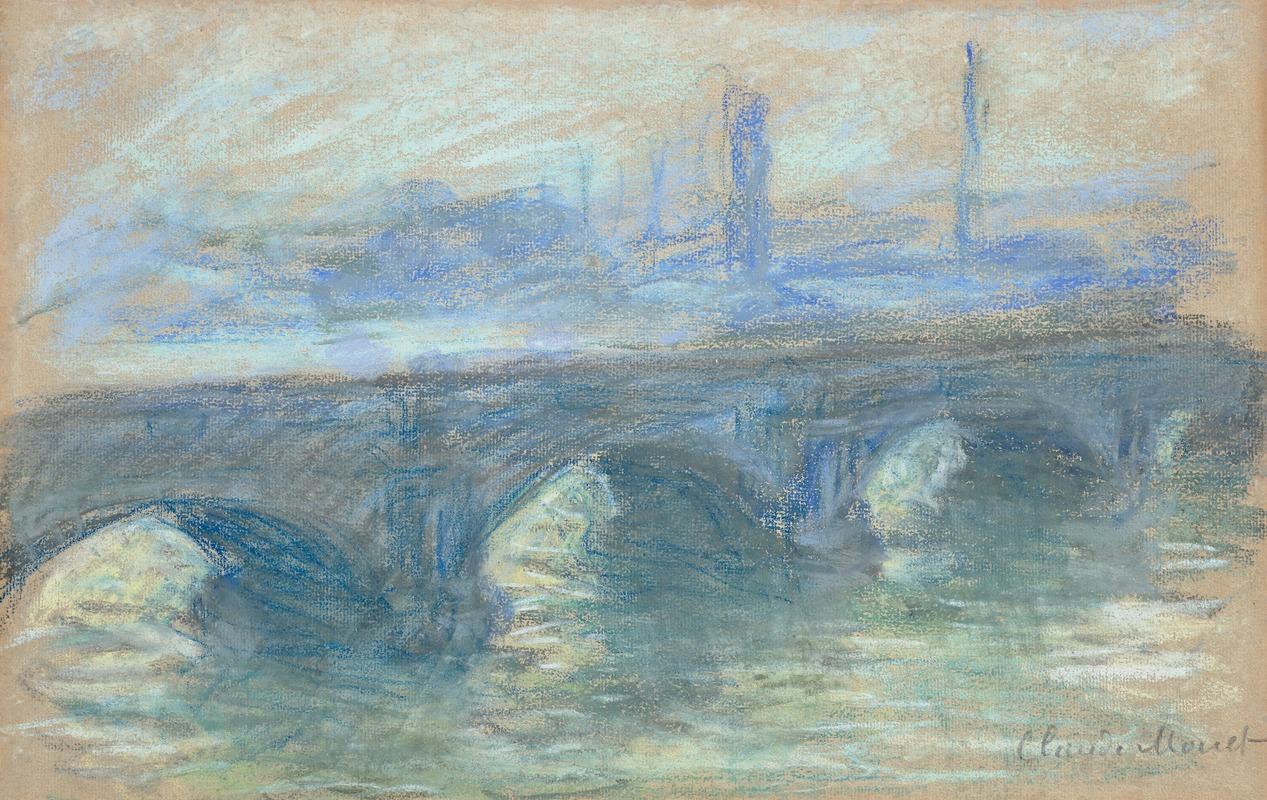
Waterloo Bridge
Claude Monet

Printemps à Giverny, effet d’après-midi
Claude Monet