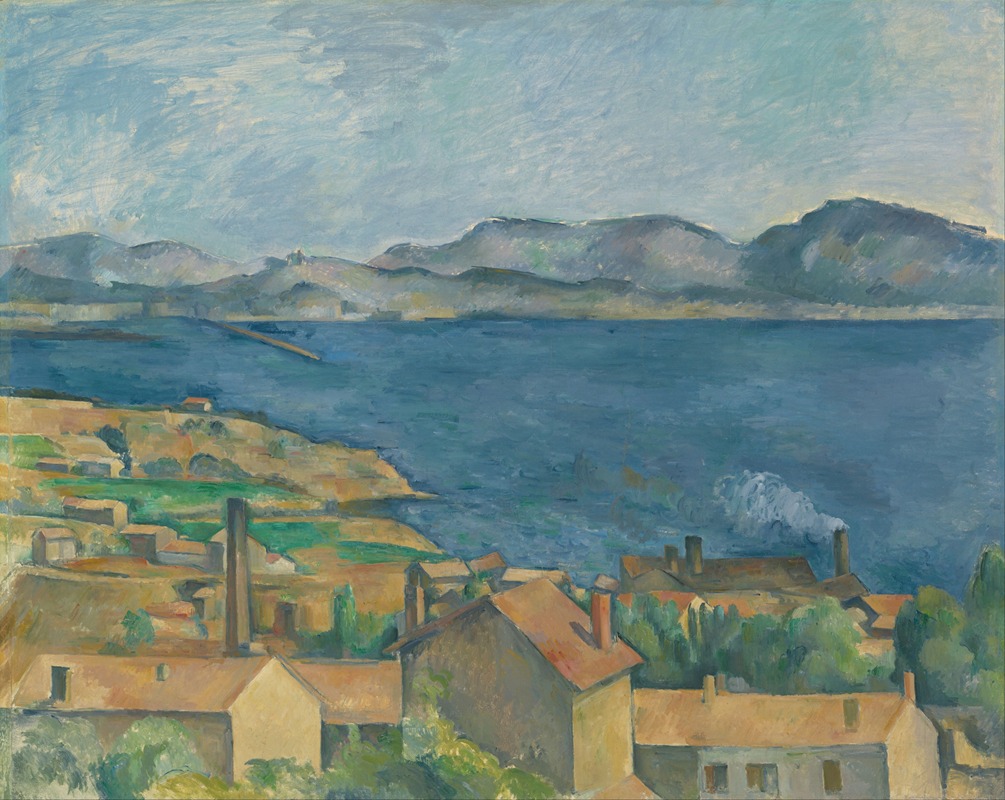
Discover insights about this artwork
The Departure of the Boats, Étretat — History & Facts
In The Departure of the Boats, Étretat, Claude Monet captures a lively marine scene. The painting is filled with vibrant blues and greens, depicting the sea and sky. Boats can be seen departing from the rocky coastline of Étretat, with figures on board preparing for their journey.
The light plays across the water, creating a shimmering effect that draws the viewer in. Monet employs loose brushwork and a bright color palette typical of the Impressionism movement. The painting's composition is dynamic, with the boats positioned at different angles, suggesting movement and activity. The use of light and shadow adds depth, while the quick brushstrokes convey the fleeting nature of the moment.
This technique invites viewers to experience the scene as if they were present. Claude Monet, a leading figure in the Impressionism movement, painted this work during a period when he frequently visited Étretat. This coastal town inspired many of his marine paintings, showcasing the beauty of the French coastline. An interesting fact about this work is that it reflects Monet's fascination with light and atmosphere, which he sought to capture in his art.
The painting exemplifies his innovative approach to color and form.
More Artworks by Claude Monet
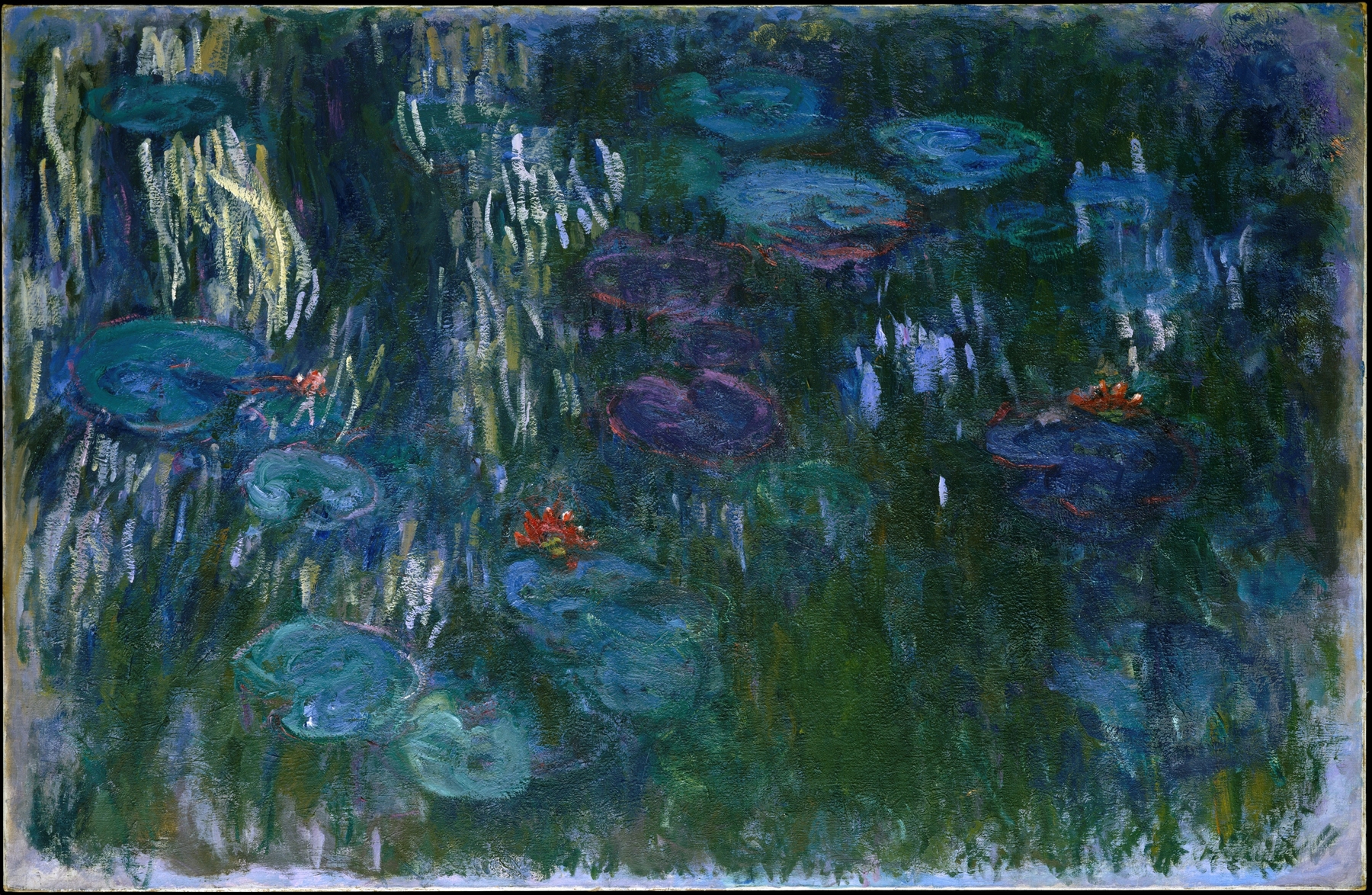
Water Lilies
Claude Monet
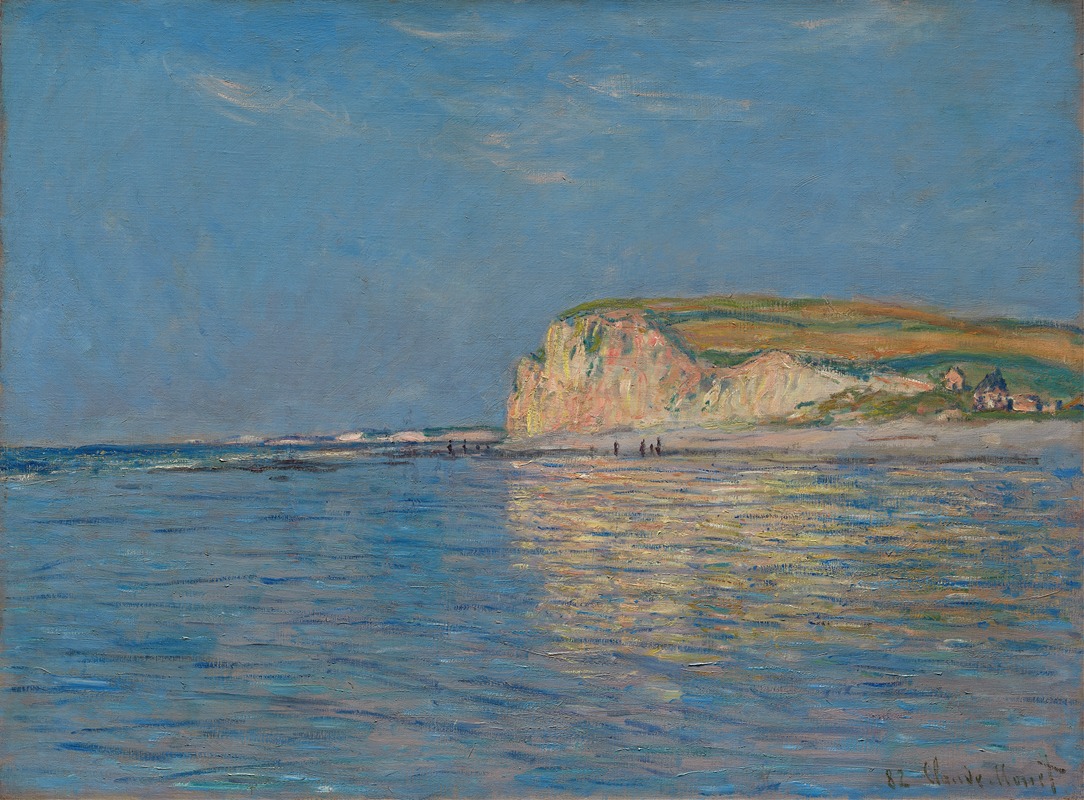
Low Tide at Pourville, near Dieppe
Claude Monet
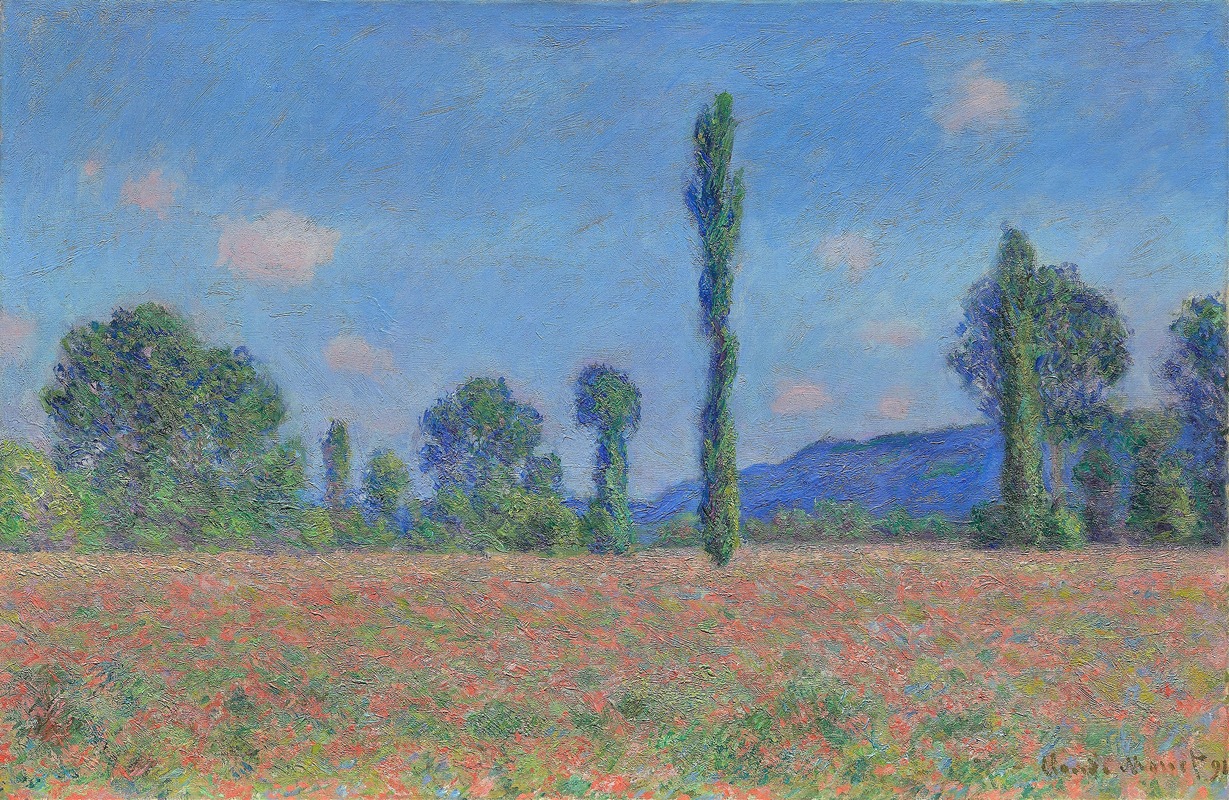
Poppy Field (Giverny)
Claude Monet
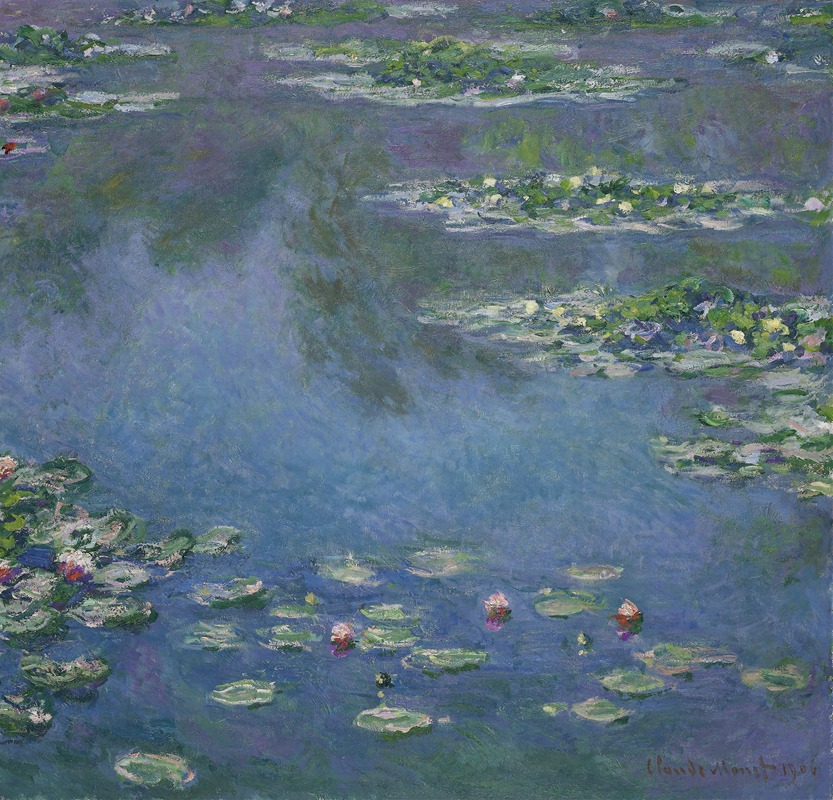
Water Lilies
Claude Monet
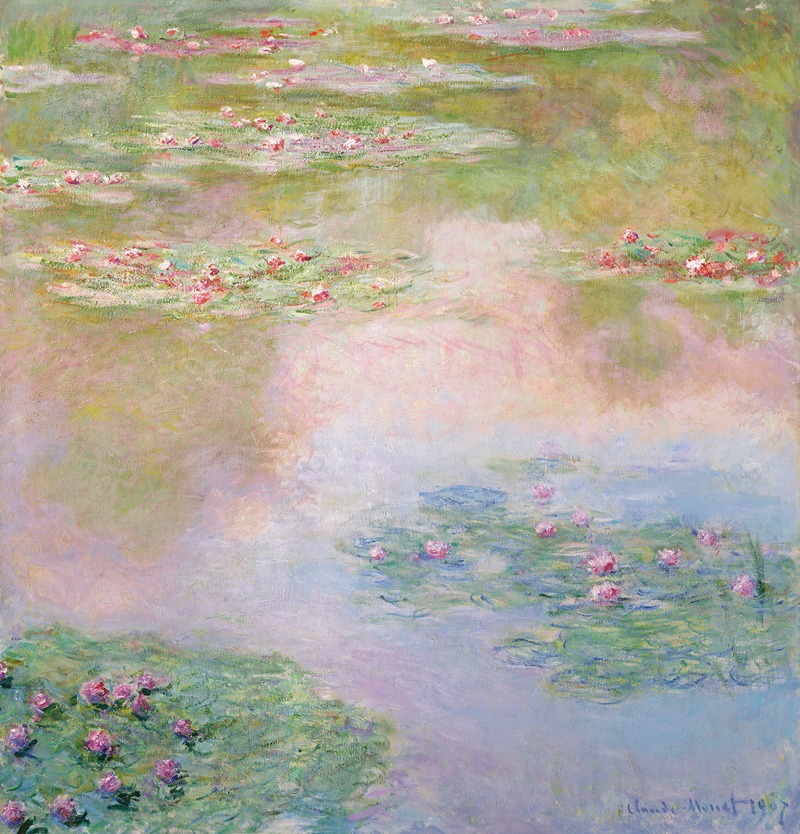
Nymphéas
Claude Monet
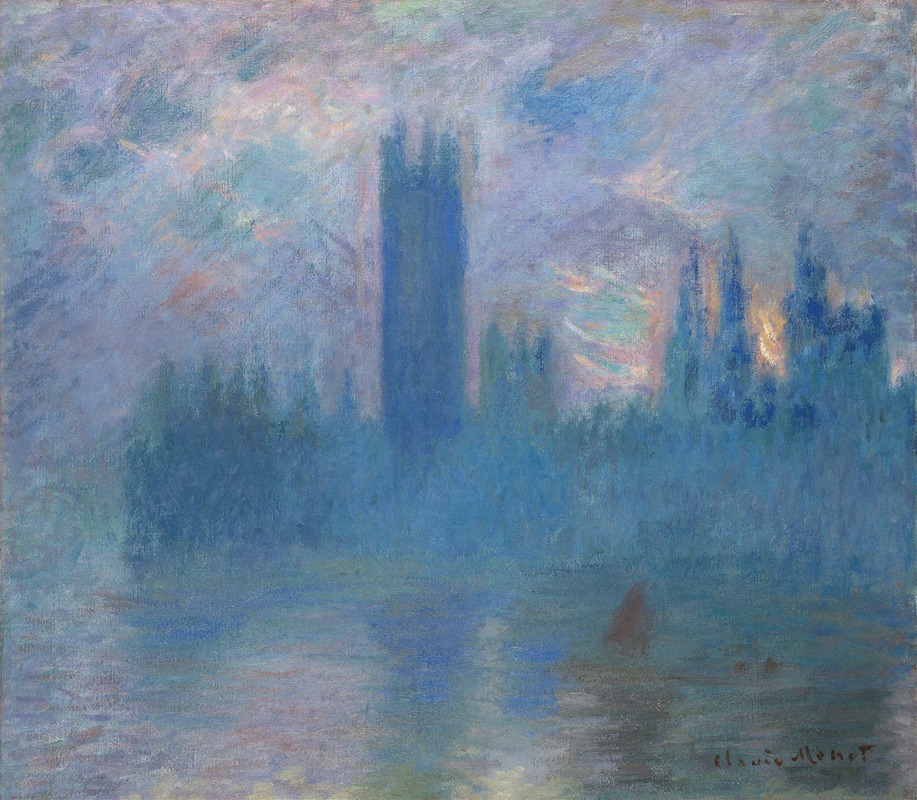
Houses of Parliament, London
Claude Monet
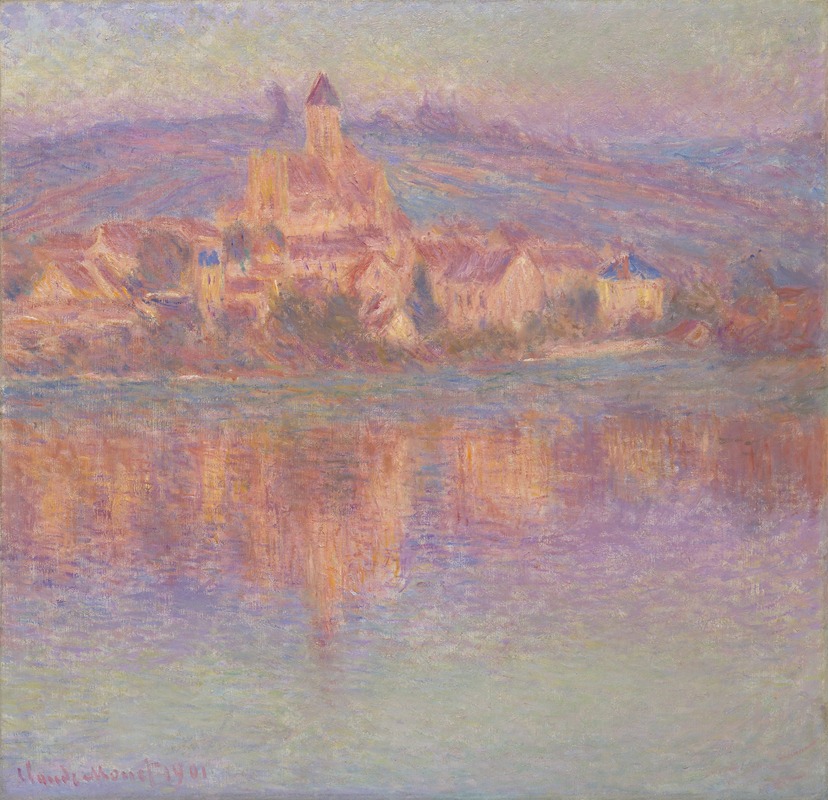
Vétheuil
Claude Monet
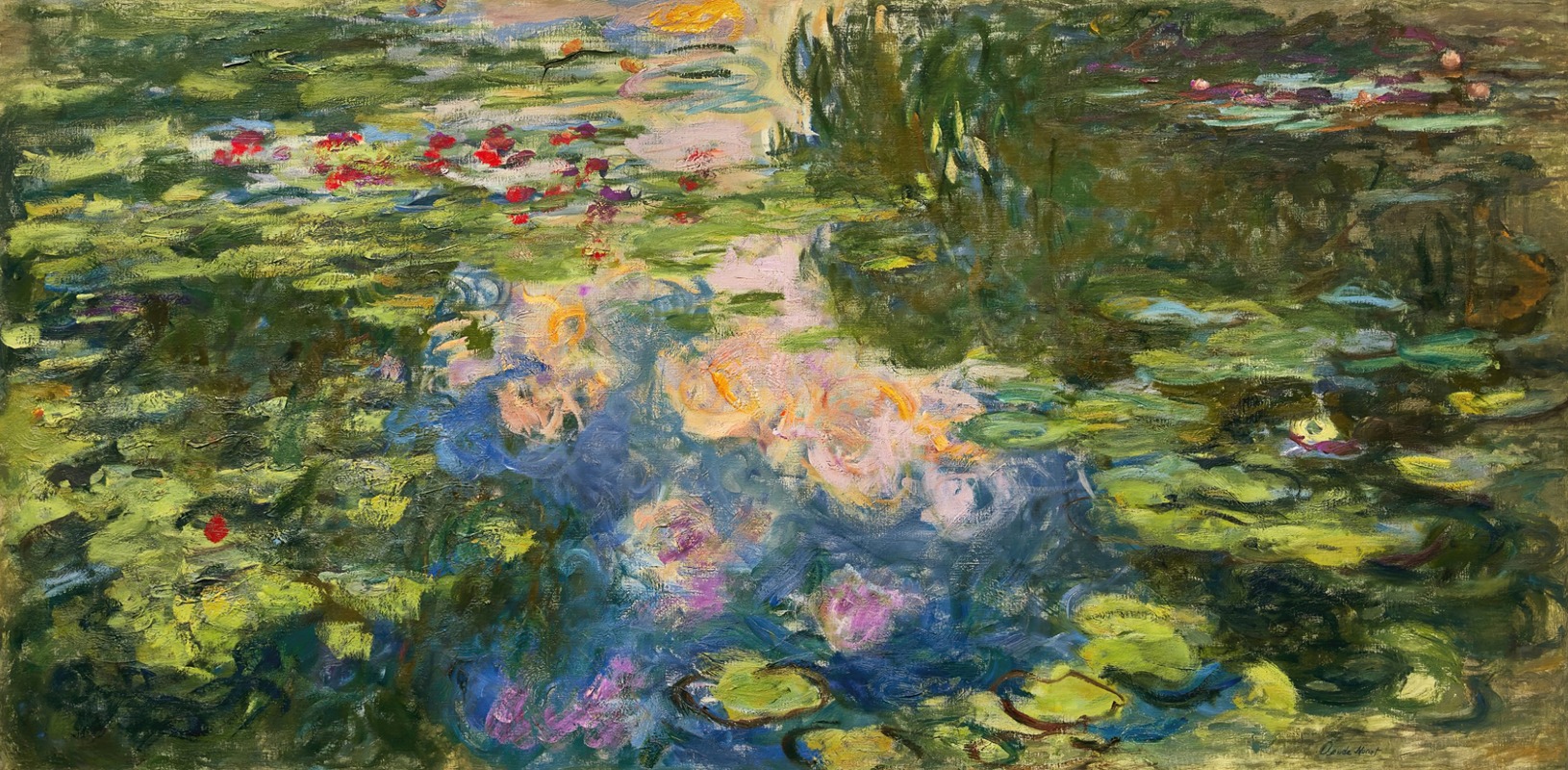
Le Bassin aux nymphéas
Claude Monet
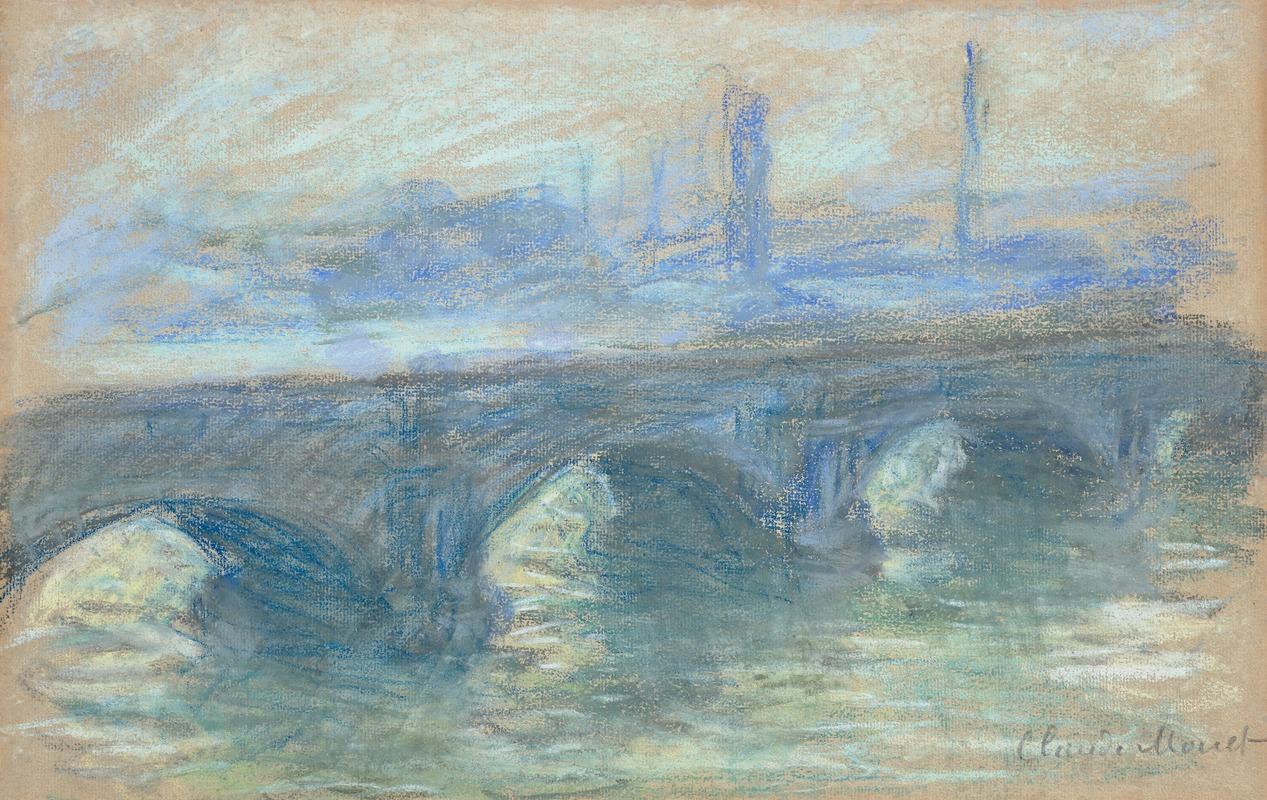
Waterloo Bridge
Claude Monet

Printemps à Giverny, effet d’après-midi
Claude Monet