
The Door of a Grotto — History & Facts
Within the intricate folds of nature, creation emerges, both alluring and enigmatic, beckoning the observer to unravel its mysteries. Look to the center, where the door of the grotto stands—inviting yet foreboding. Its arching form is framed by lush foliage, painted in vibrant greens and deep earthy tones that create a rich contrast against the pale, shimmering light spilling from the entrance. Marlow's delicate brushwork captures the essence of each leaf, while the play of light and shadow dances across the surface, breathing life into the scene.
The soft illumination suggests a hidden world beyond, whispering secrets of creation and transformation. Explore the interplay of elements—the wild, unkempt nature that surrounds the doorway represents the chaos of existence, while the inviting entrance symbolizes the promise of discovery and rejuvenation. The tension between the wildness outside and the mysterious calm within the grotto evokes a sense of longing and fear, reflecting the duality of human experience. This delicate balance hints at the artist's contemplation of creation as a force both beautiful and potentially destructive. William Marlow painted this work between 1765 and 1766 during a time when landscapes were evolving within the British art scene.
Living in London, he was influenced by the burgeoning Romantic movement, which emphasized emotion and the sublime in nature. This period marked a growing fascination with the representation of landscapes, leading Marlow to explore not just the visual elements of his surroundings but also their deeper, philosophical implications.
More Artworks by William Marlow
Browse all →
Whitehall
William Marlow
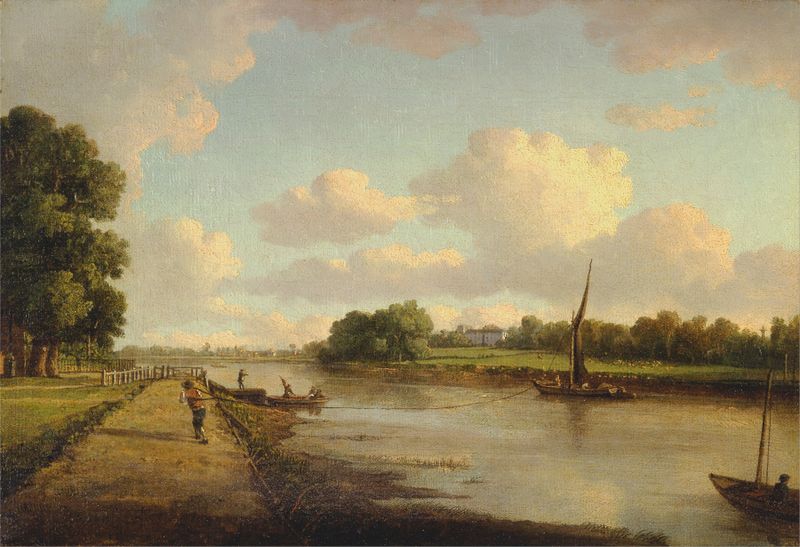
View on the River Thames at Richmond
William Marlow
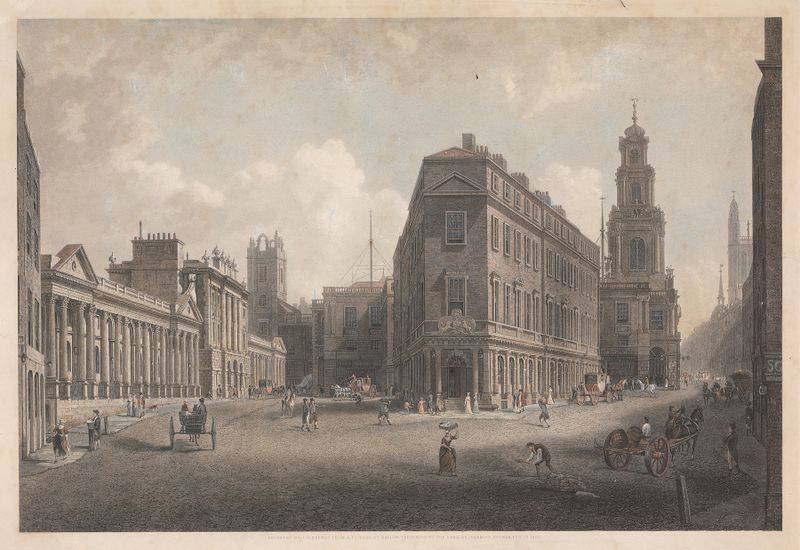
Bank of England Royal Exchange
William Marlow

The Thames At Richmond
William Marlow

The Arno towards the Ponte alle Grigio
William Marlow
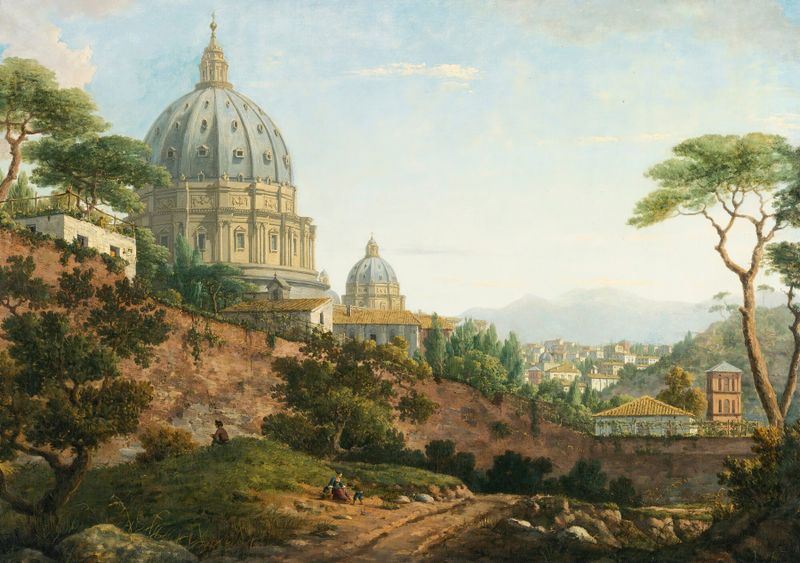
View Of Saint Peter’s, Rome
William Marlow
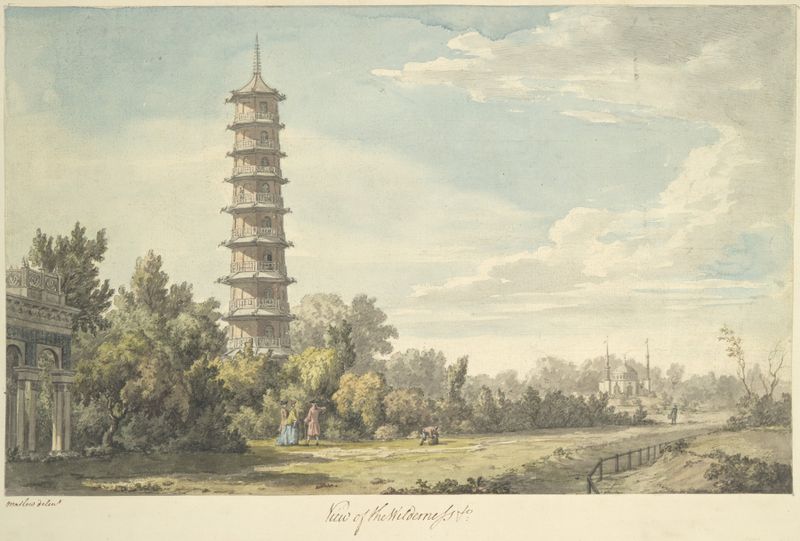
View of the Wilderness at Kew
William Marlow
The Bay of Naples with Santa Maria degli Angeli
William Marlow

Nîmes from the Tour Magne
William Marlow
The Amphitheater at Nimes
William Marlow





