Discover insights about this artwork
The Eagle Hunter — History & Facts
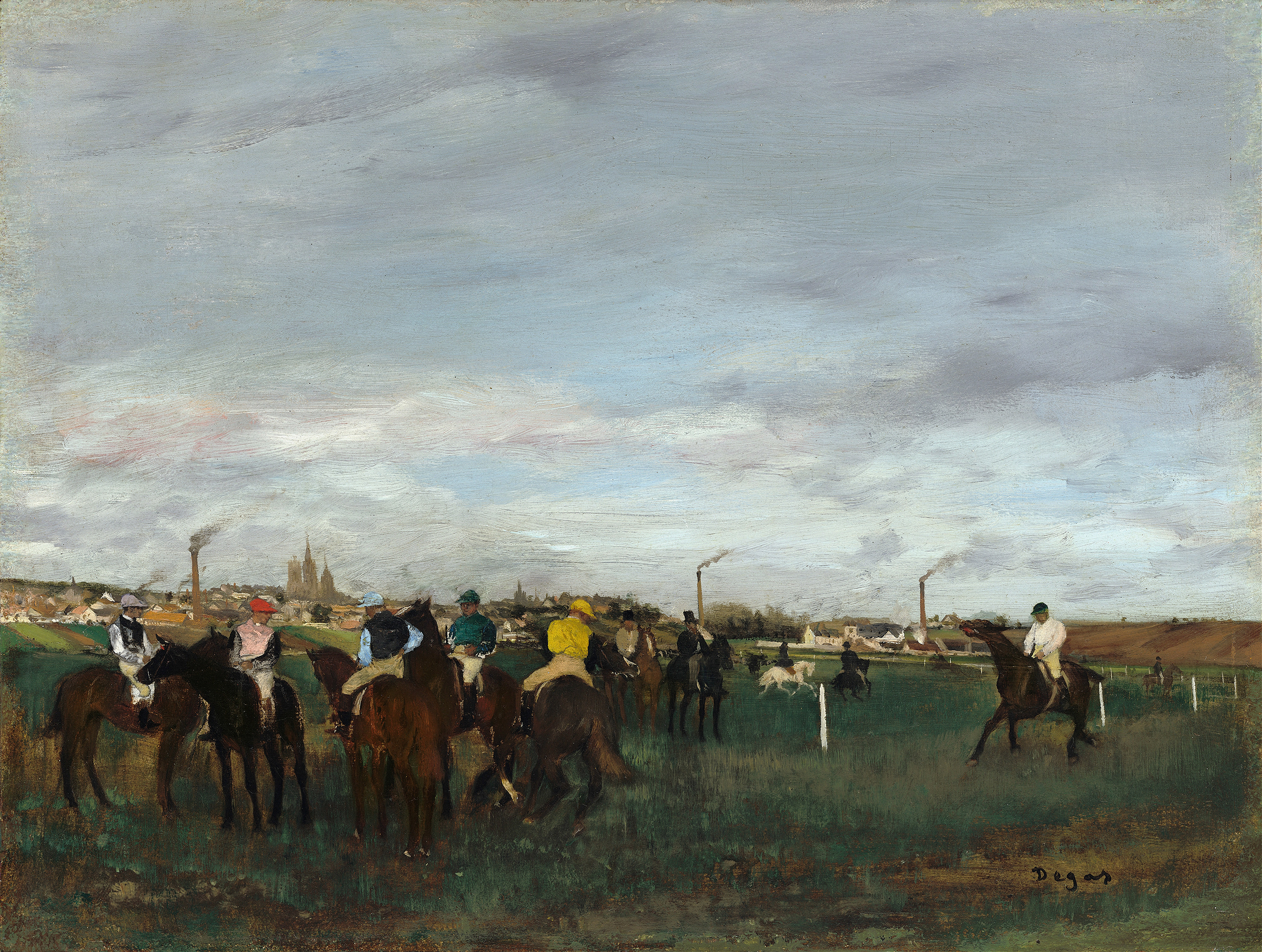
In The Eagle Hunter, Francisco de Goya presents a striking scene filled with rich colors. The hunter, dressed in traditional attire, stands prominently in the foreground, holding an eagle on his arm. The background features a dramatic landscape, with rugged mountains and a cloudy sky that adds to the tension of the scene.
The use of deep browns and greens contrasts with the bright feathers of the eagle, drawing the viewer's eye. The painting is executed in oil on canvas, showcasing Goya's characteristic brushwork. The textures of the hunter's clothing and the eagle's feathers are rendered with great attention to detail. The composition is dynamic, with the hunter's pose suggesting movement and action.
This work exemplifies Goya's ability to blend realism with a sense of drama. Francisco de Goya was a prominent Spanish painter known for his critical and often dark portrayal of society. The Eagle Hunter reflects his interest in the relationship between humans and nature, a theme prevalent in his later works. Interestingly, this painting is believed to have been inspired by Goya's fascination with the rural life and traditions of Spain.
It showcases his transition from the Rococo style to a more Romantic approach in his art.
More Artworks by Francisco de Goya
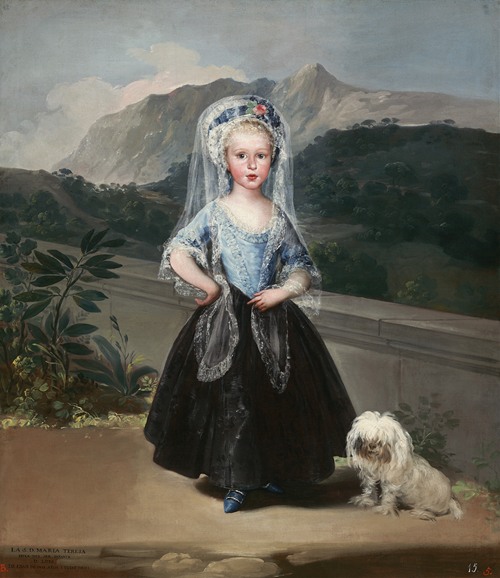
María Teresa de Borbón y Vallabriga,later Condesa de Chinchón
Francisco de Goya
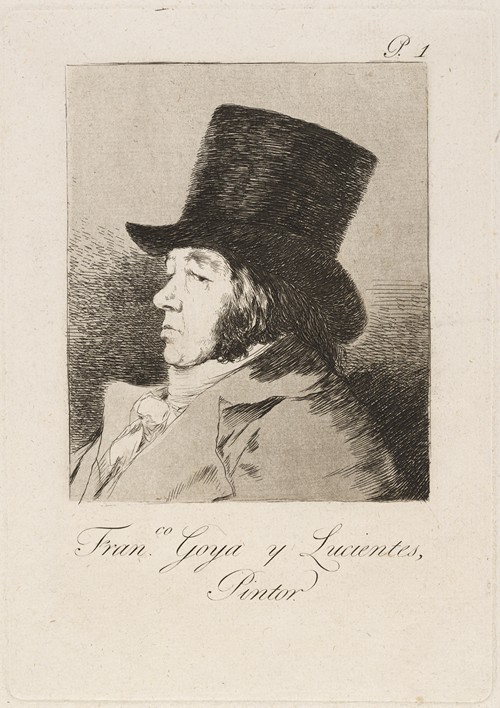
Francisco Goya y Lucientes, Pintor (Francisco Goya y Lucientes, painter)
Francisco de Goya
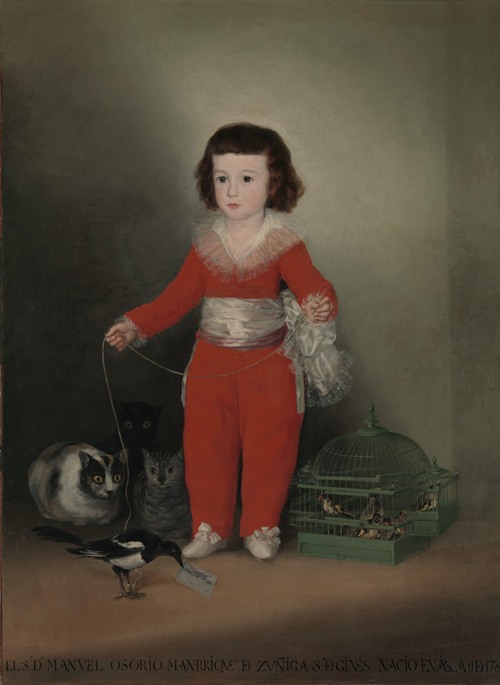
Manuel Osorio Manrique de Zuñiga (1784–1792)
Francisco de Goya
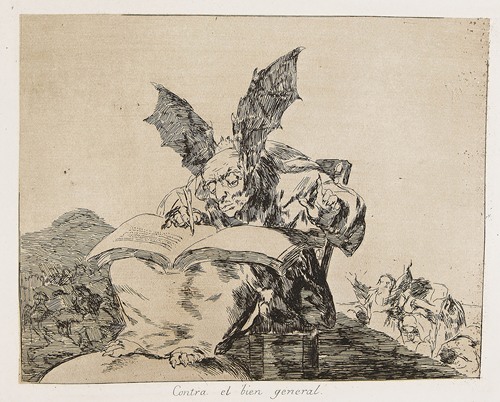
Los desastres de la guerra
Francisco de Goya
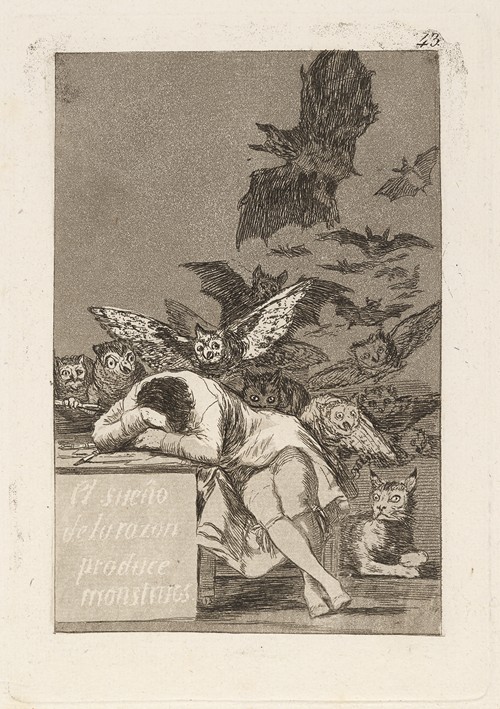
El sueño de la razon produce monstruos. (The sleep of reason produces monsters.)
Francisco de Goya
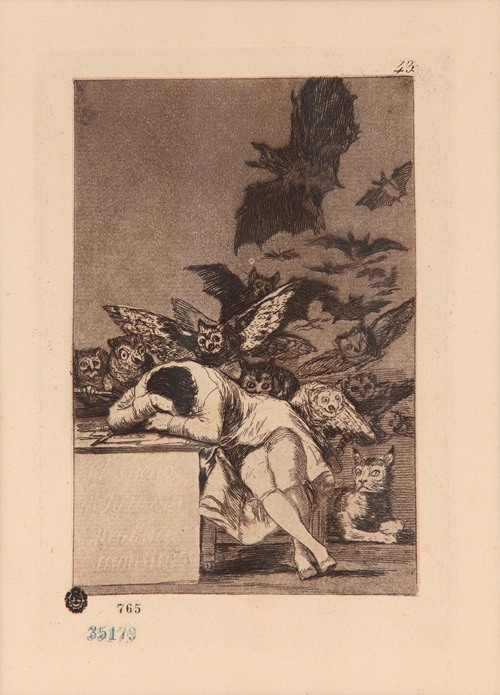
El sueño de la razon produce moustruos (Serie Caprichos)
Francisco de Goya
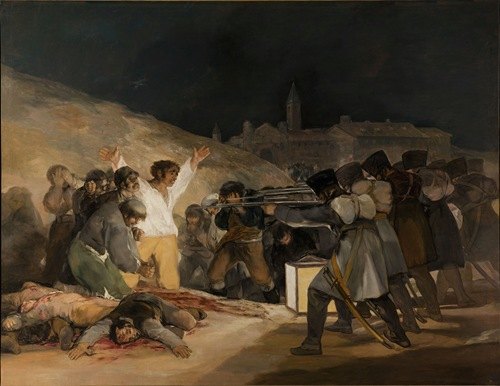
The Third of May
Francisco de Goya
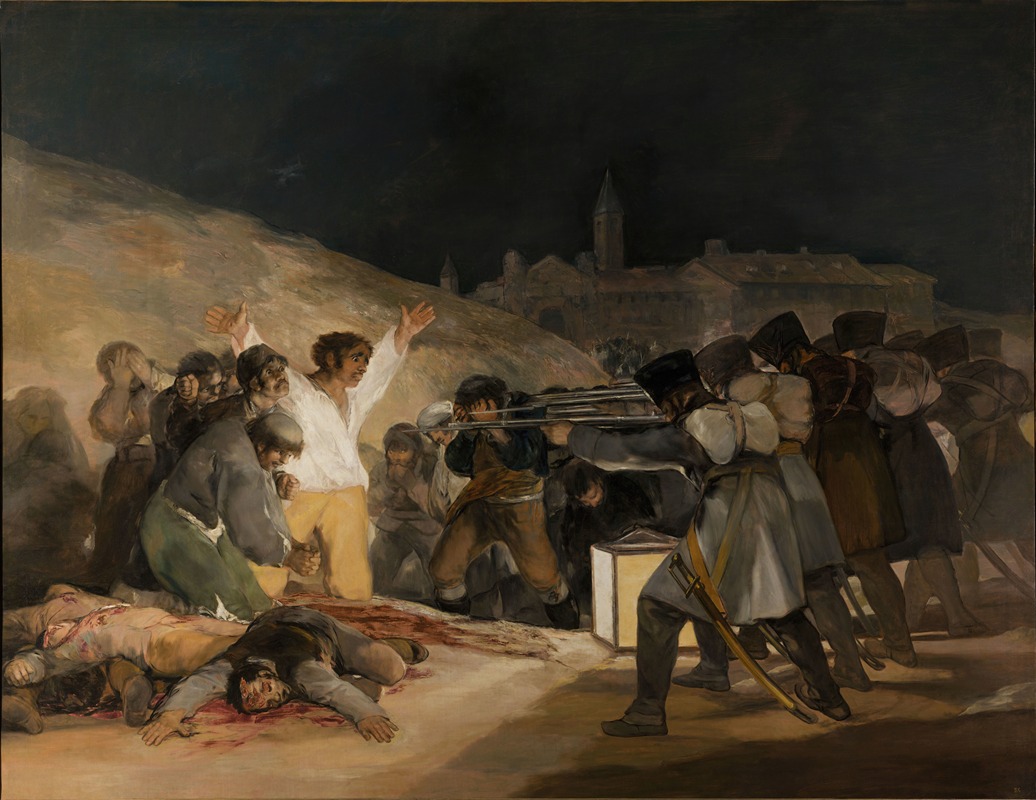
The Third of May 1808
Francisco de Goya
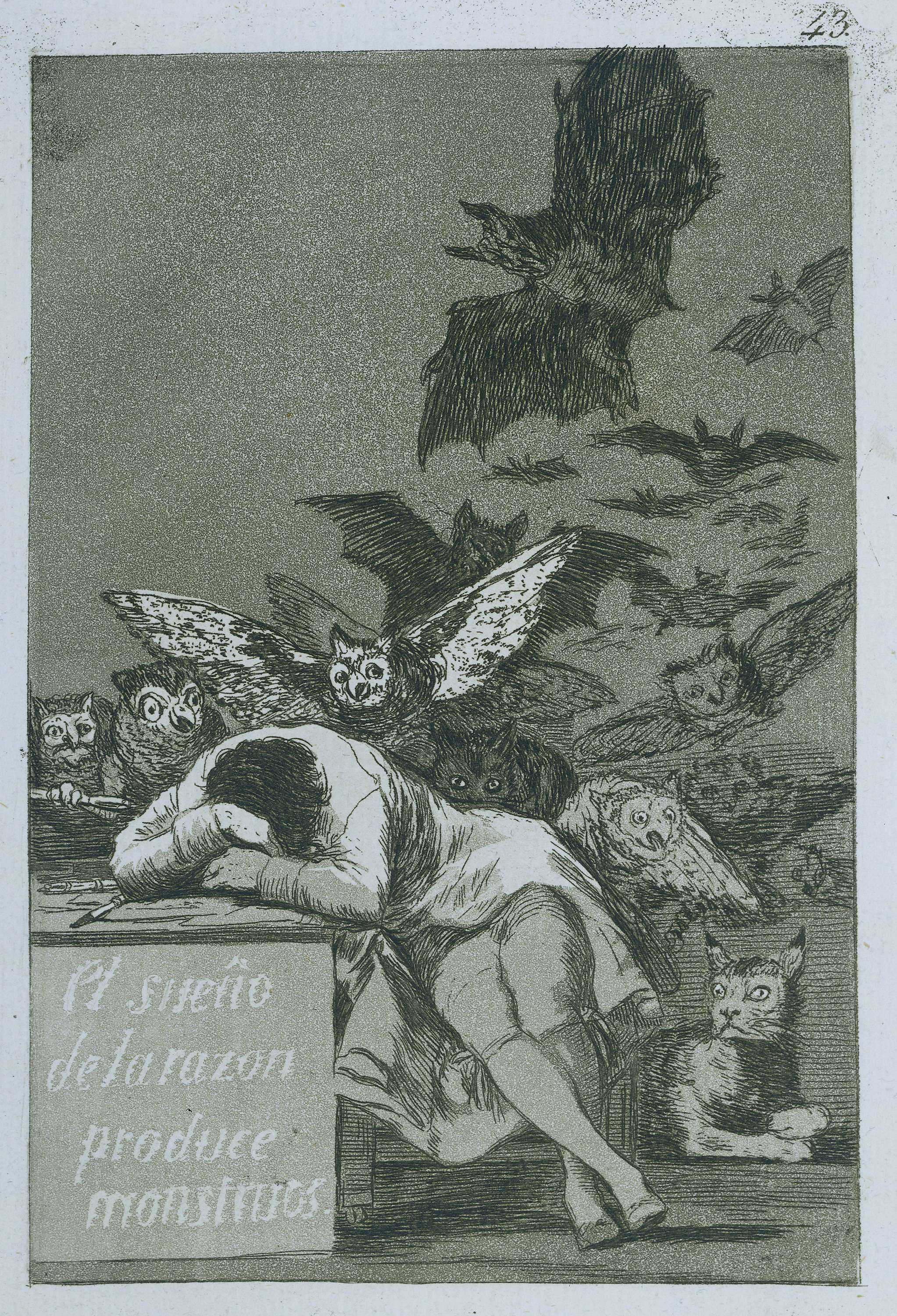
De slaap van de rede brengt monsters voort
Francisco de Goya
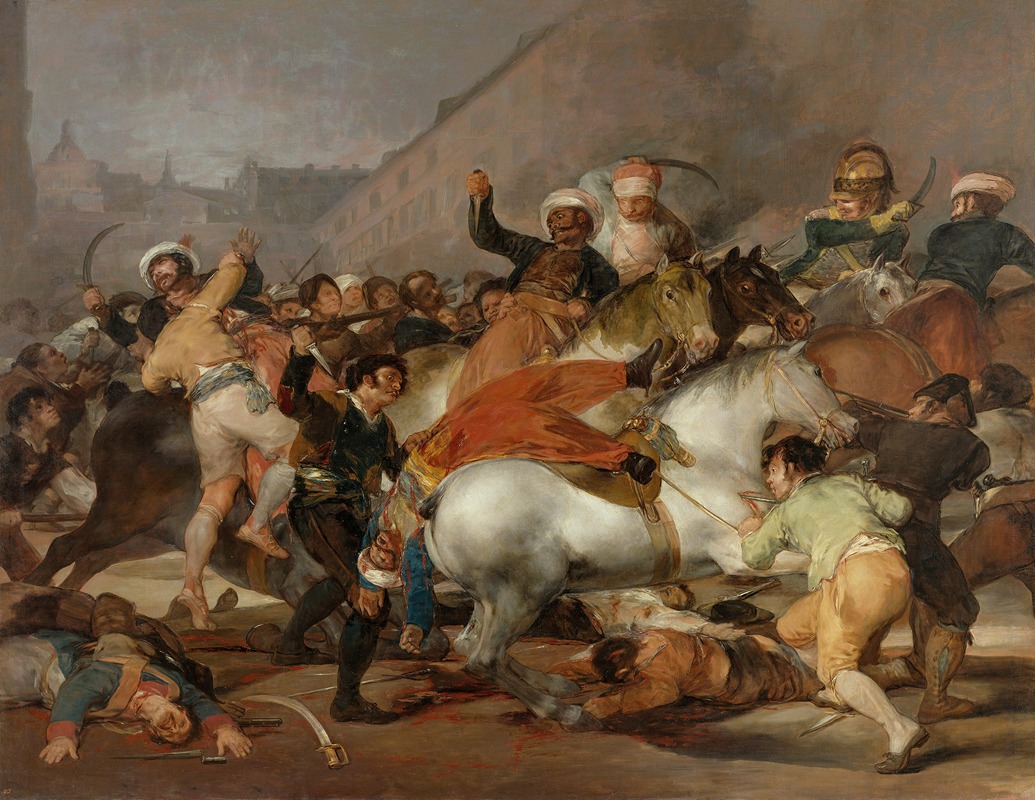
The Charge of the Mamelukes (1814)
Francisco de Goya