
The Edge of the Wood — History & Facts
Could a single brushstroke hold eternity? In the realm of art, each stroke can evoke the essence of life, whispering truths about our fleeting existence. Look to the left at the dense thicket of trees, their trunks standing resolute in a lush embrace of greens and browns. The artist's technique reveals the interplay of light and shadow, where dappled sunlight filters through the foliage, creating an ethereal glow that invites the viewer into the scene. Notice the delicate brushwork that captures the essence of the undergrowth, each stroke a testament to the vitality of nature, yet also a reminder of its impermanence. Deeper still, hidden among the vibrant hues, are contrasts that speak to the duality of existence.
The vibrant life of the forest stands in stark juxtaposition to the shadowy edges that hint at the unknown. The tension here reflects a meditation on mortality, where the edge of the wood becomes a threshold between life and what lies beyond. The vibrant greens pulse with vitality while the encroaching shadows suggest the inevitable passage of time, urging us to reflect on our own journey. In 1909, the artist painted this work during a period marked by a fascination with nature's beauty and its transient nature.
Settled in a world transitioning through modernity, he sought solace in the natural landscapes that surrounded him, capturing both the allure and fragility of life. This period of exploration in his career highlights his ability to blend realism with emotional depth, a legacy that resonates within the art community even today.
More Artworks by Ernest Haskell
Browse all →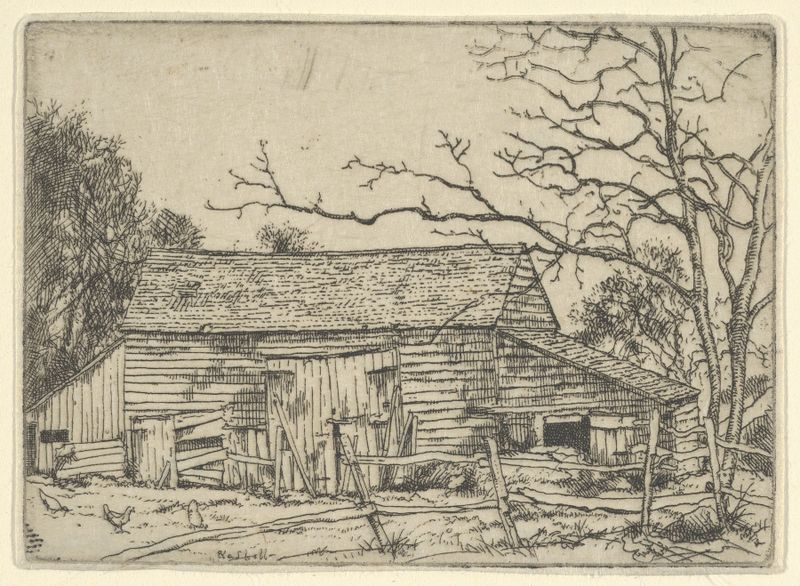
The Barn–Staten Island, N.Y.
Ernest Haskell

Four Live Oaks
Ernest Haskell
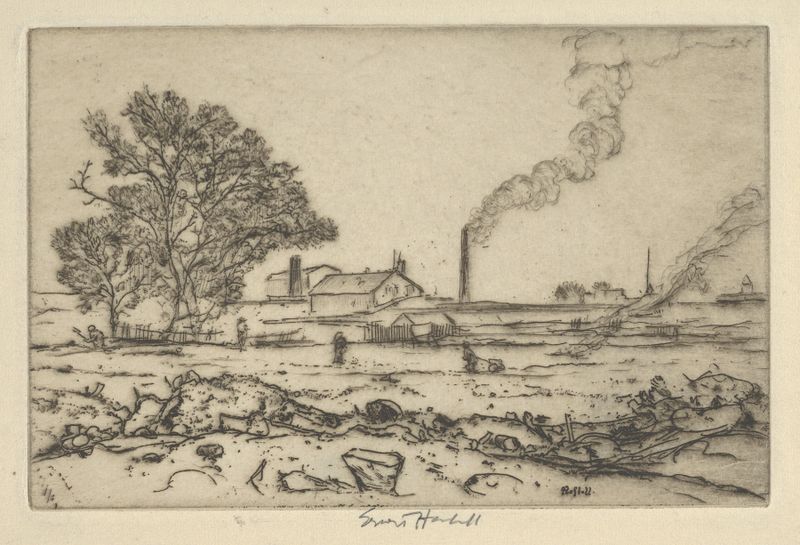
Outskirts of Boston
Ernest Haskell
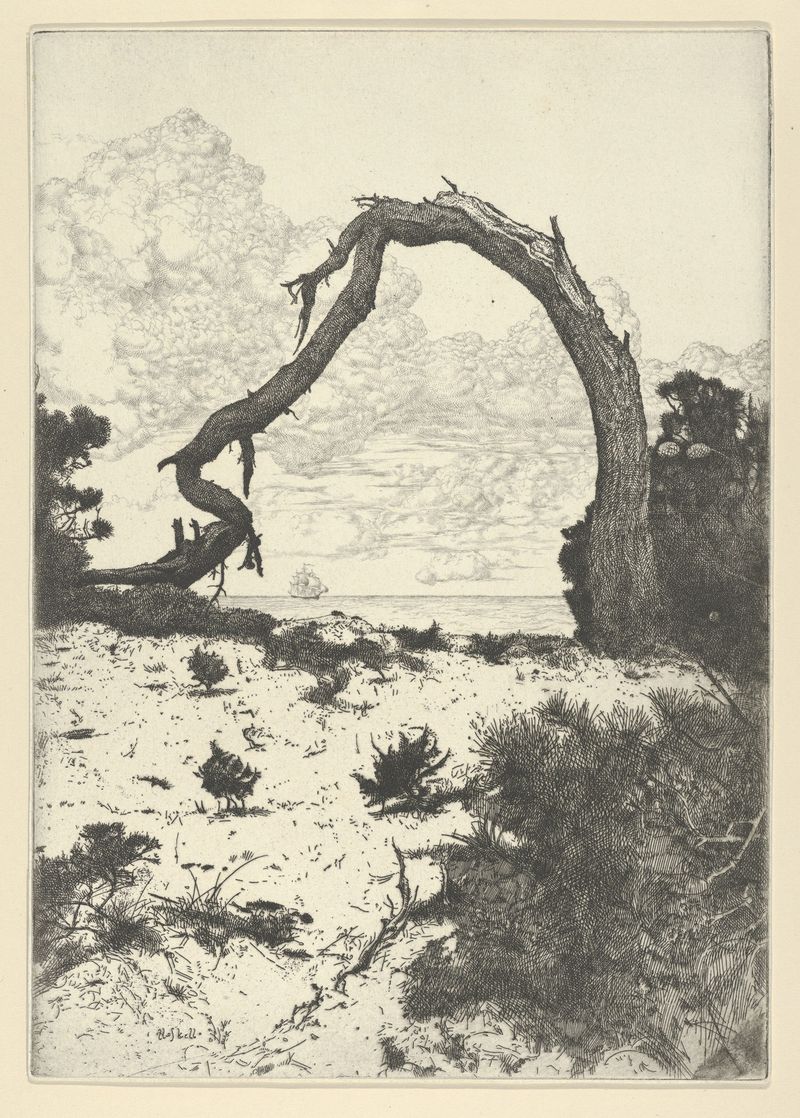
Pine Arch
Ernest Haskell

General Sherman
Ernest Haskell
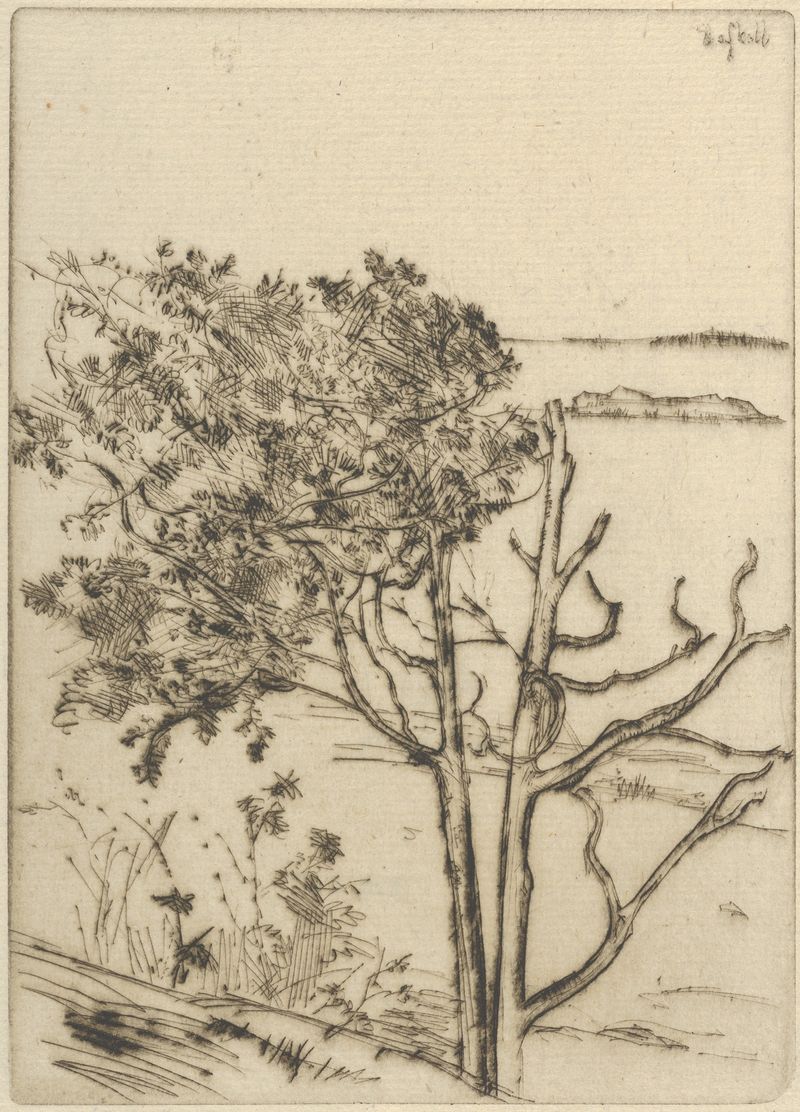
Ragged Tree – Maine
Ernest Haskell

Tide Mill
Ernest Haskell

Ship Building
Ernest Haskell
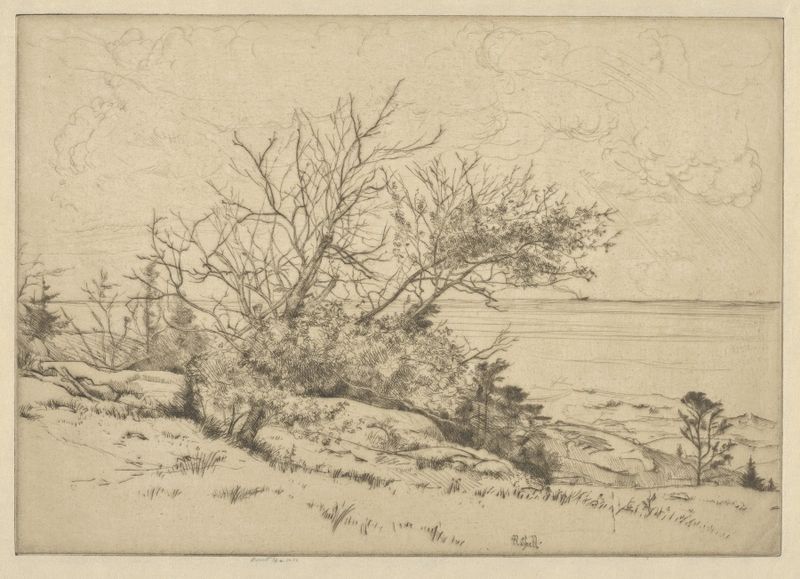
To the Southward – Ragged Island, Me.
Ernest Haskell
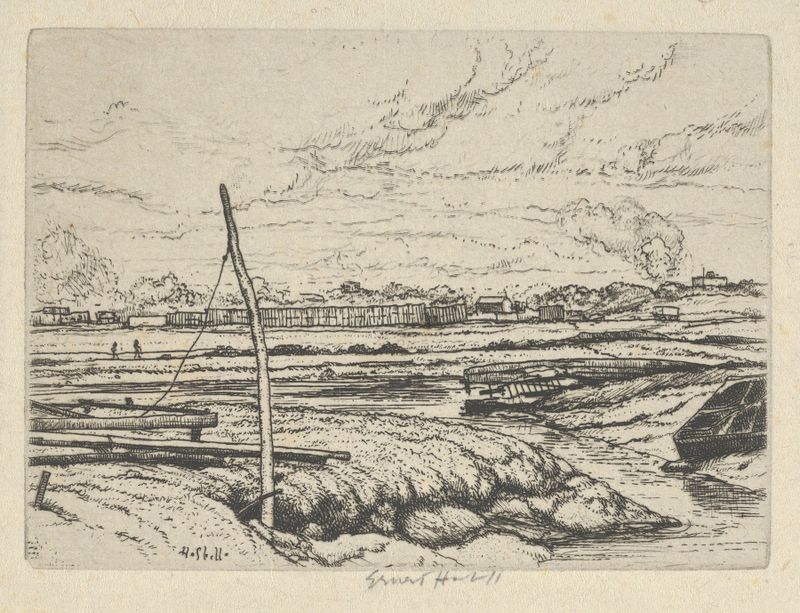
Long Island Marshes
Ernest Haskell





