
The Electric Simplon Line — History & Facts
A rush of modernity slices through the mountains: a sleek electric train, its carriages gleaming in the sunlight, surges across a high viaduct. The eye is swept upward by the bold diagonal of the bridge, then drawn along the line of the train itself, which seems to defy both gravity and the rugged peaks that frame it. Below, the landscape is rendered in crisp, poster-like planes of color—icy blue shadows, emerald slopes, and a sky so clear it feels almost engineered.
The composition is a celebration of movement and progress, with every visual element reinforcing the message: here, human ingenuity has conquered the Alps. The train is not just a subject; it is a promise, a symbol of connection and speed. Painted in 1928, The Electric Simplon Line belongs to a world intoxicated with the possibilities of technology and travel. In this era, railway posters and promotional images flourished, commissioned by national railways and tourism boards eager to entice travelers with visions of effortless journeys through dramatic landscapes.
The artist, Emil Cardinaux, was a leading figure in this movement, known for transforming the everyday into the heroic through bold design and color. History has kept few traces of the individual stories behind such works, but their impact lingers in the way we still imagine trains as the lifeblood of the continent. Stand before this image and feel the pulse of an age that believed the future could be reached by rail.
More Artworks by Emil Cardinaux
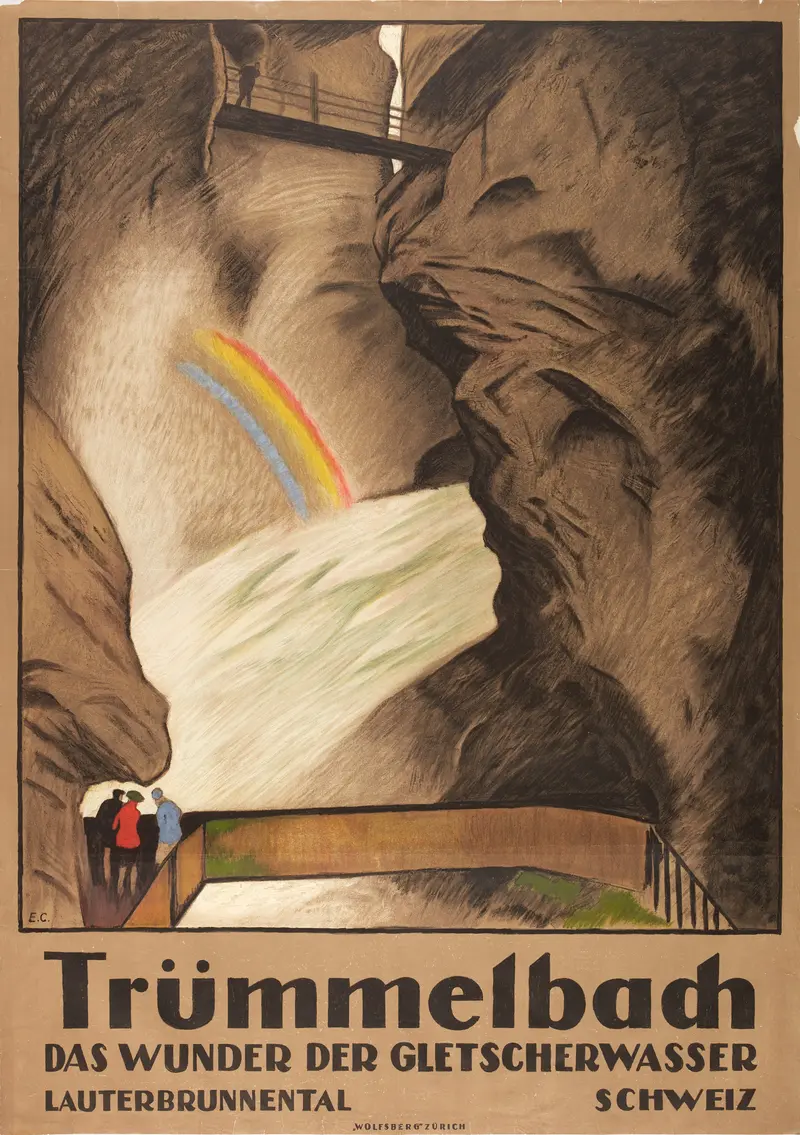
Trümmelbach
Emil Cardinaux
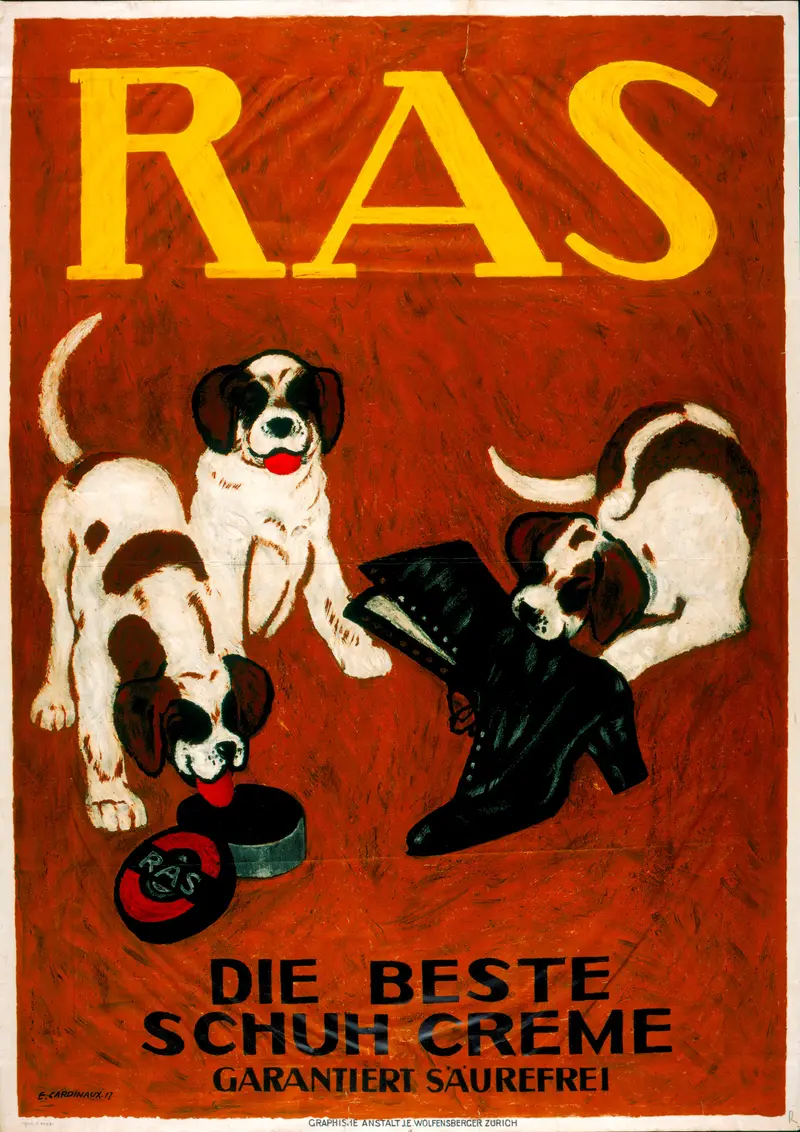
RAS, die beste Schuhcrème
Emil Cardinaux
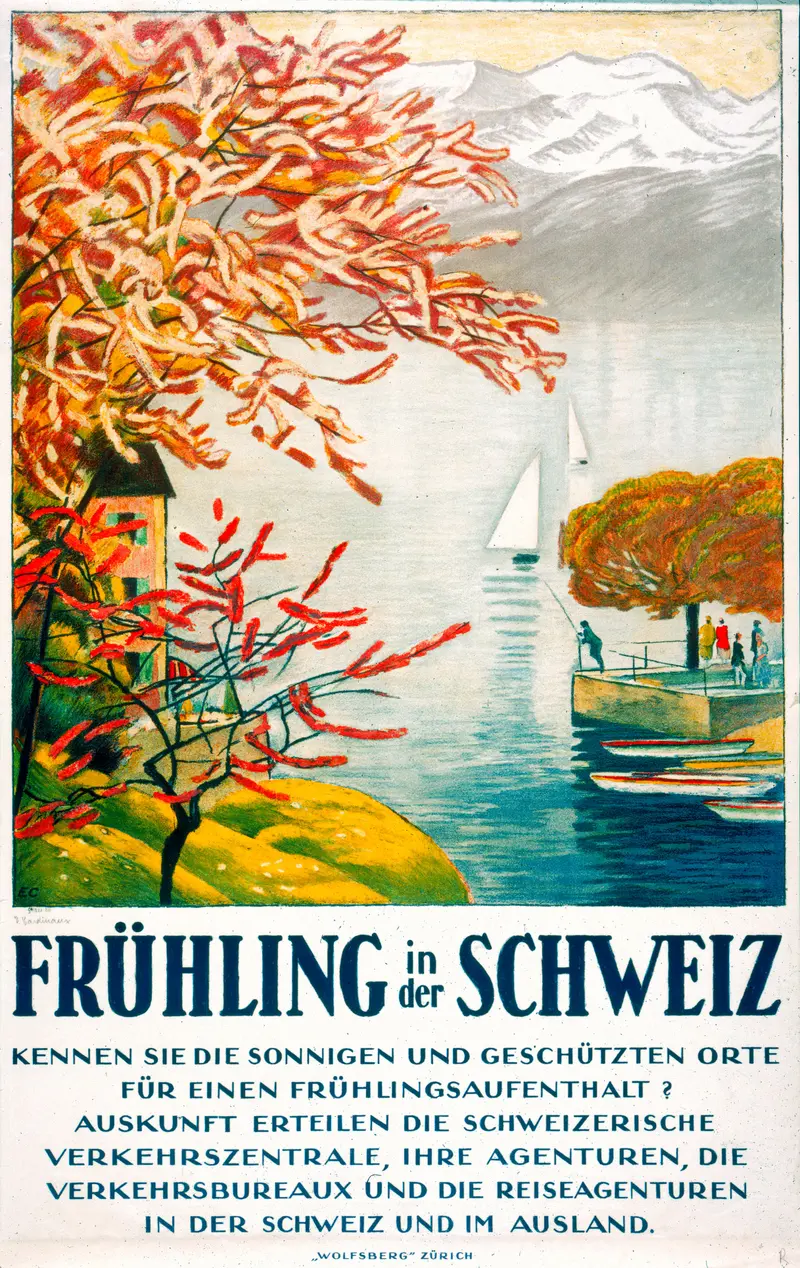
Frühling in der Schweiz
Emil Cardinaux
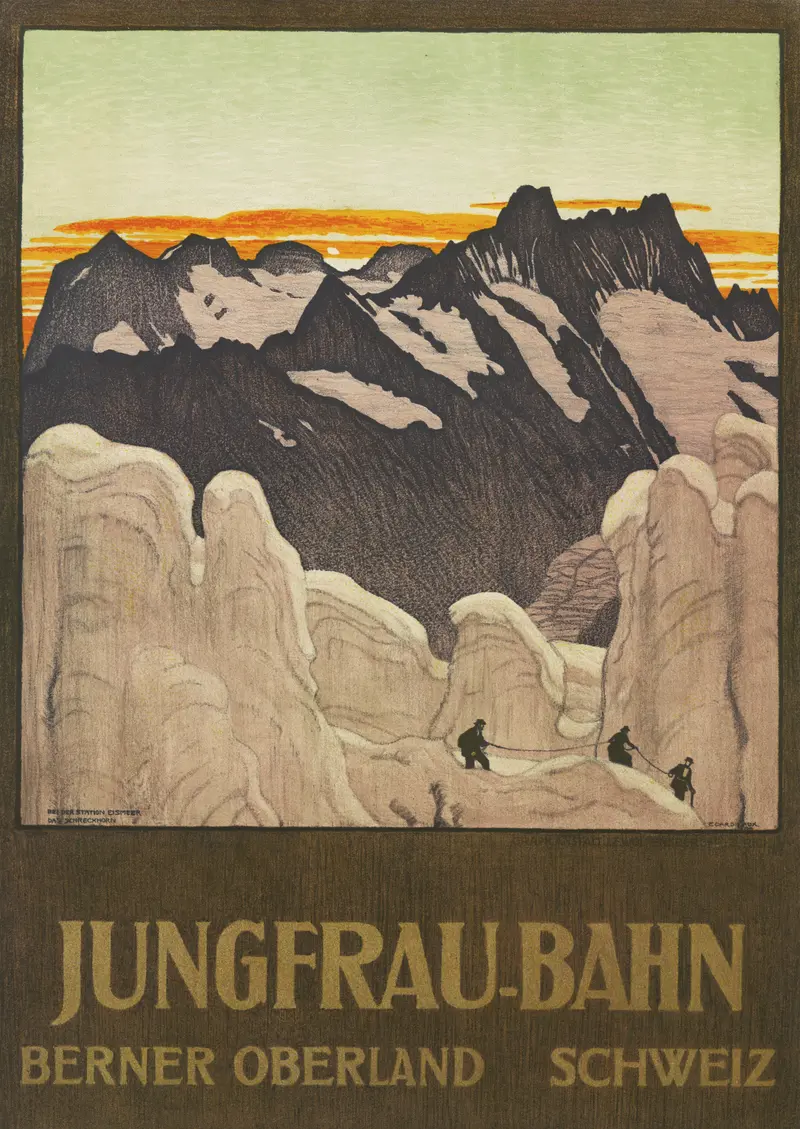
Jungfrau-Bahn, Berner Oberland
Emil Cardinaux
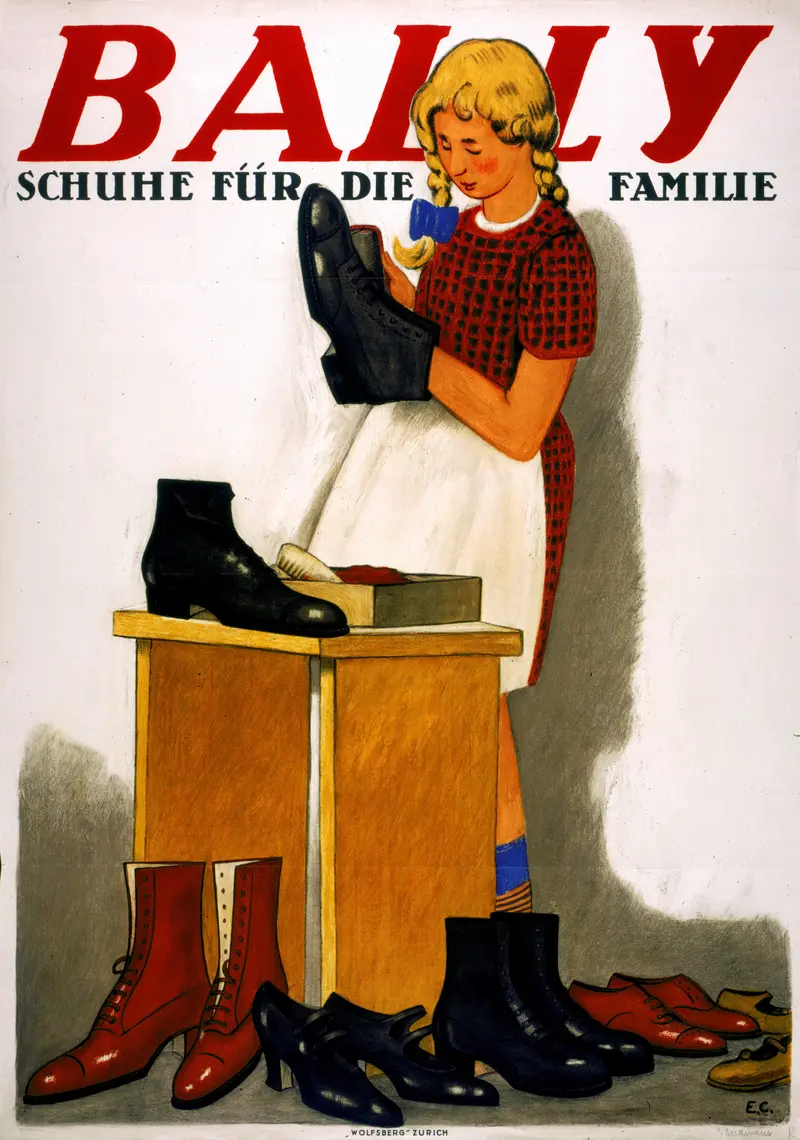
Bally – Schuhe für die Familie
Emil Cardinaux

Winter in Switzerland
Emil Cardinaux
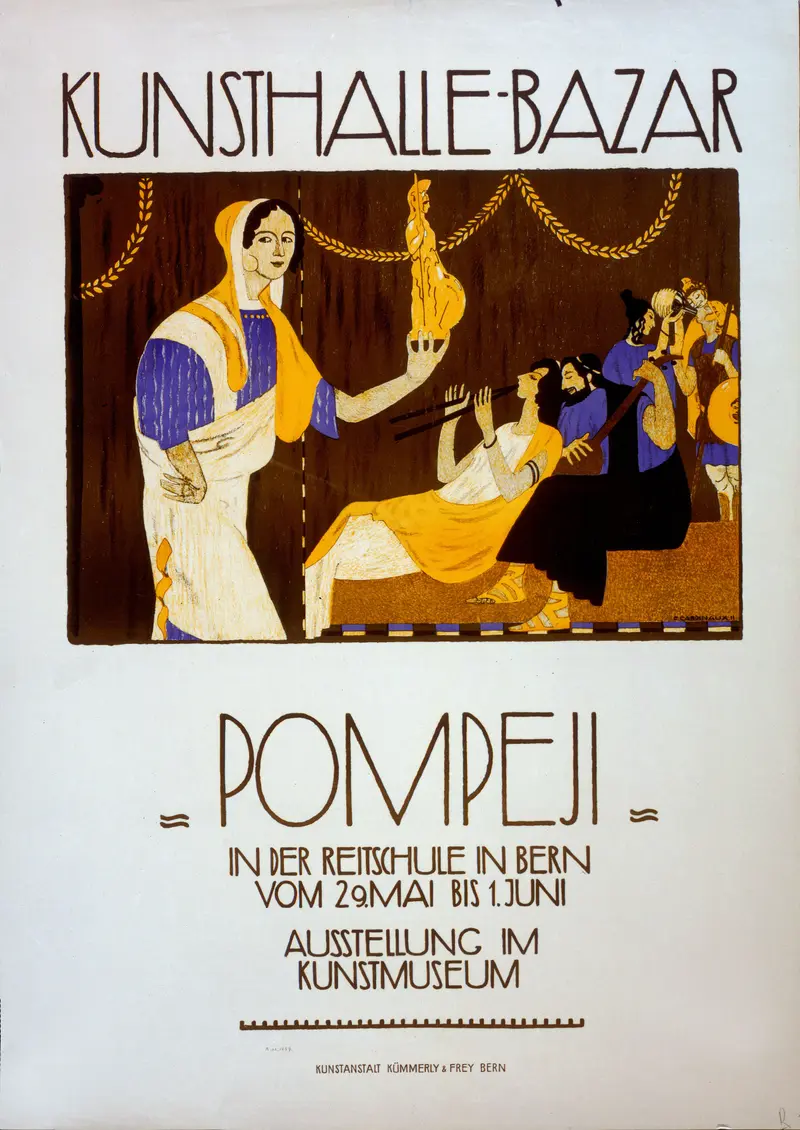
Kunsthalle-Bazar Pompeji, Bern 1911
Emil Cardinaux
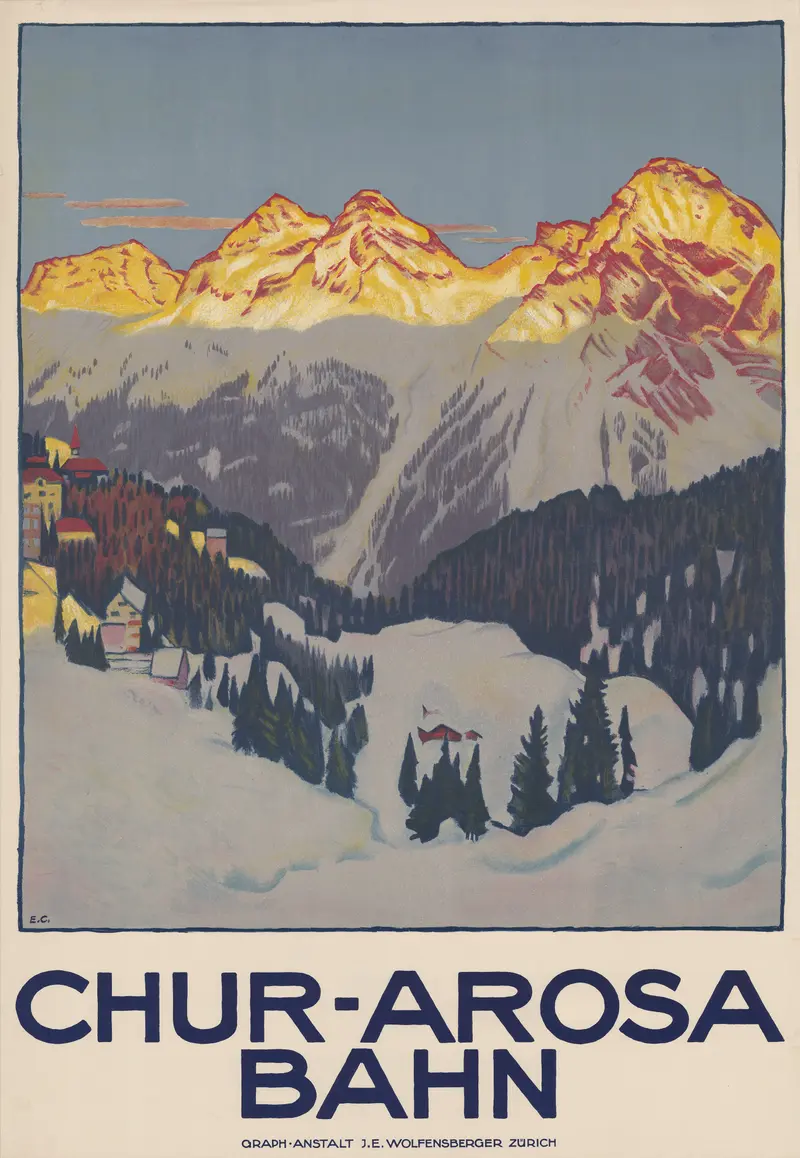
Chur-Arosa-Bahn
Emil Cardinaux
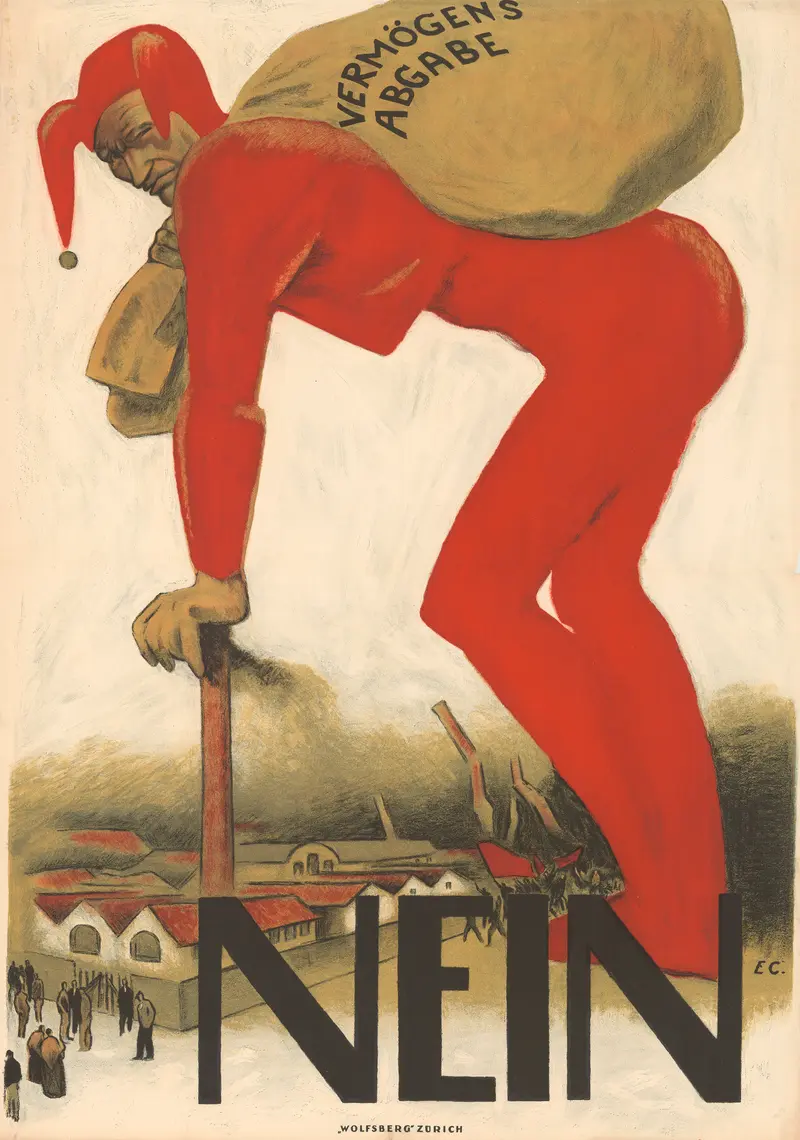
Vermögensabgabe – Nein
Emil Cardinaux
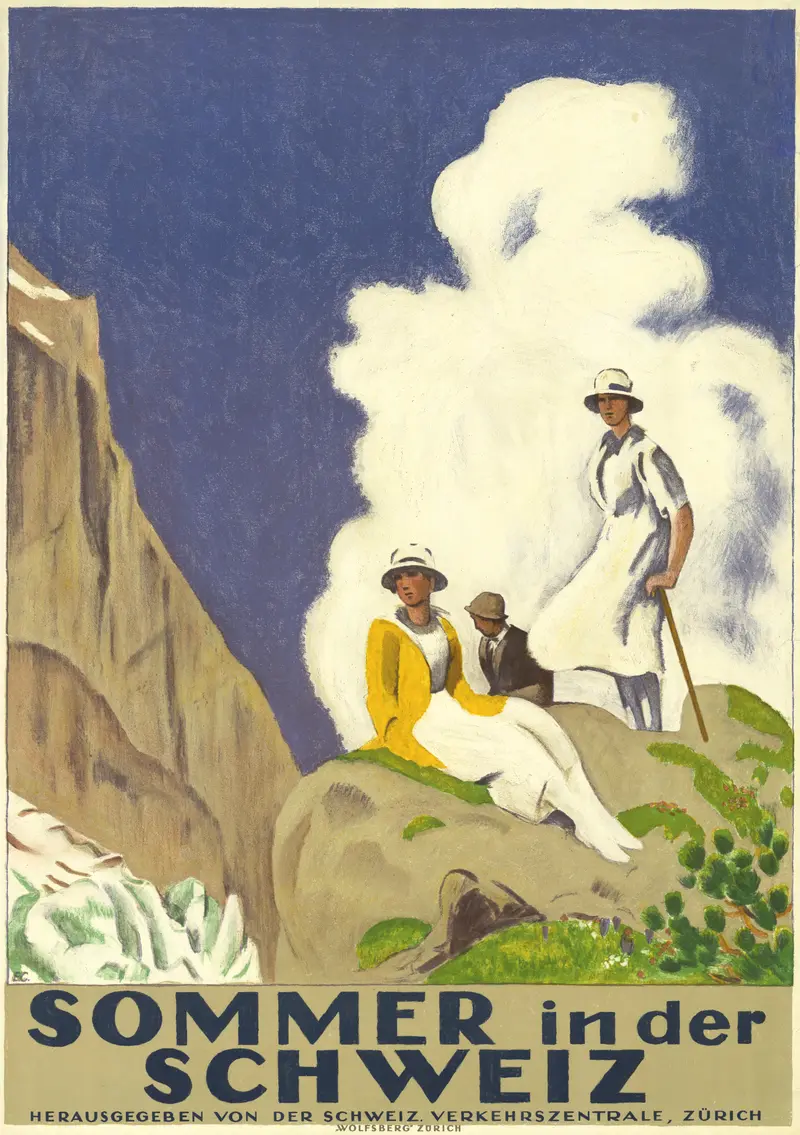
Sommer in der Schweiz
Emil Cardinaux
More Landscape Art

The Starry Night
Vincent van Gogh

View of Delft
Johannes Vermeer

Water Lilies
Claude Monet

The Grand Canal, Venice, looking north-west from the Ca' Corner to the Ca' Contarini degli Scrigni, with the campanile of Santa Maria della Carità
Canaletto

Windsor Castle
Canaletto

The Grand Canal looking North-East from the Palazzo Dolfin-Manin to the Rialto Bridge
Canaletto