
The entombment of Christ — History & Facts
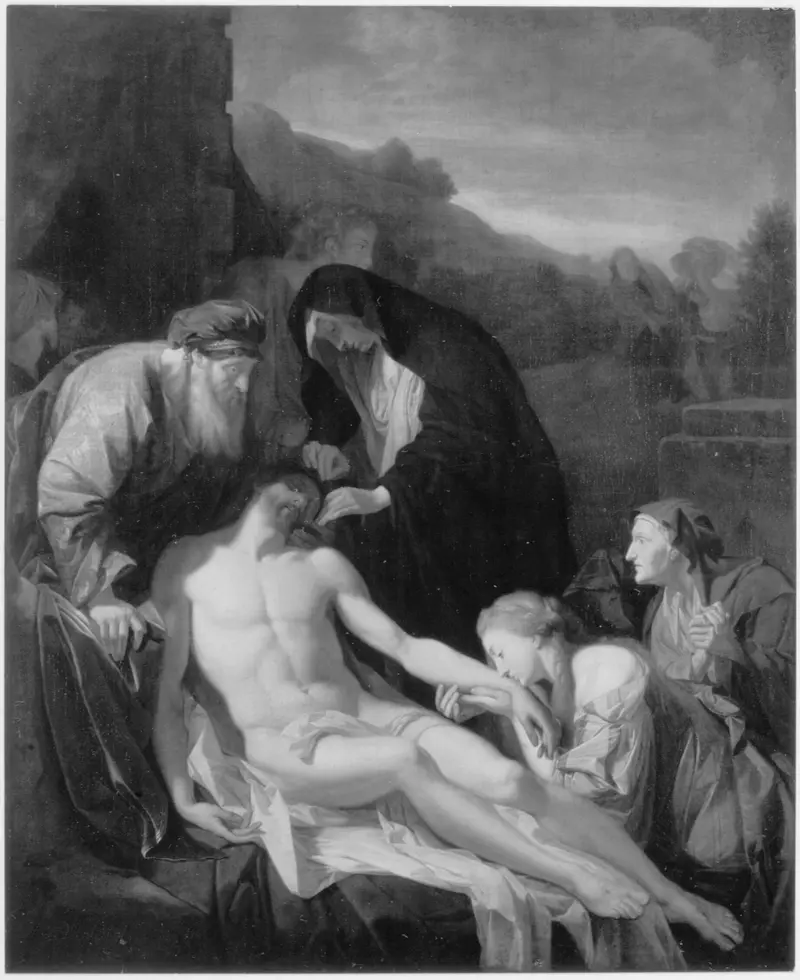
What draws the eye first in The entombment of Christ by Adriaen van der Werff is the almost sculptural stillness of Christ’s body, bathed in a gentle, golden light that isolates Him from the shadowed figures around. The artist leads us through a moment of hushed intimacy: the Virgin, draped in a deep blue mantle, cradles her son’s head with a tenderness that anchors the scene, while a kneeling woman presses her lips to Christ’s hand, her gesture a silent cry of devotion and loss. The figures are arranged in a gentle arc, their faces etched with sorrow, drawing the viewer into the shared grief.
The cave’s dark mouth on the left presses in, but the sky opens with a glimmer of hope, hinting at the story’s promise beyond the grave. Painted between 1703 and 1722, this work belongs to a period when religious painting sought both grandeur and emotional immediacy. In the early eighteenth century, scenes like this were often commissioned for private devotion or church altarpieces, intended to inspire meditation and empathy in the viewer. Van der Werff was known for his refined, almost porcelain-like figures—here, the smooth modeling and luminous skin speak to the tastes of a Europe still enthralled by the ideals of the late Baroque and early Rococo.
Now held in the Boijmans collection, the painting stands as a testament to the enduring power of sacred narrative, inviting us to linger over each gesture, each fold of drapery, and read the silent language of grief and hope.
More Artworks by Adriaen van der Werff

Descent from the Cross
Adriaen van der Werff
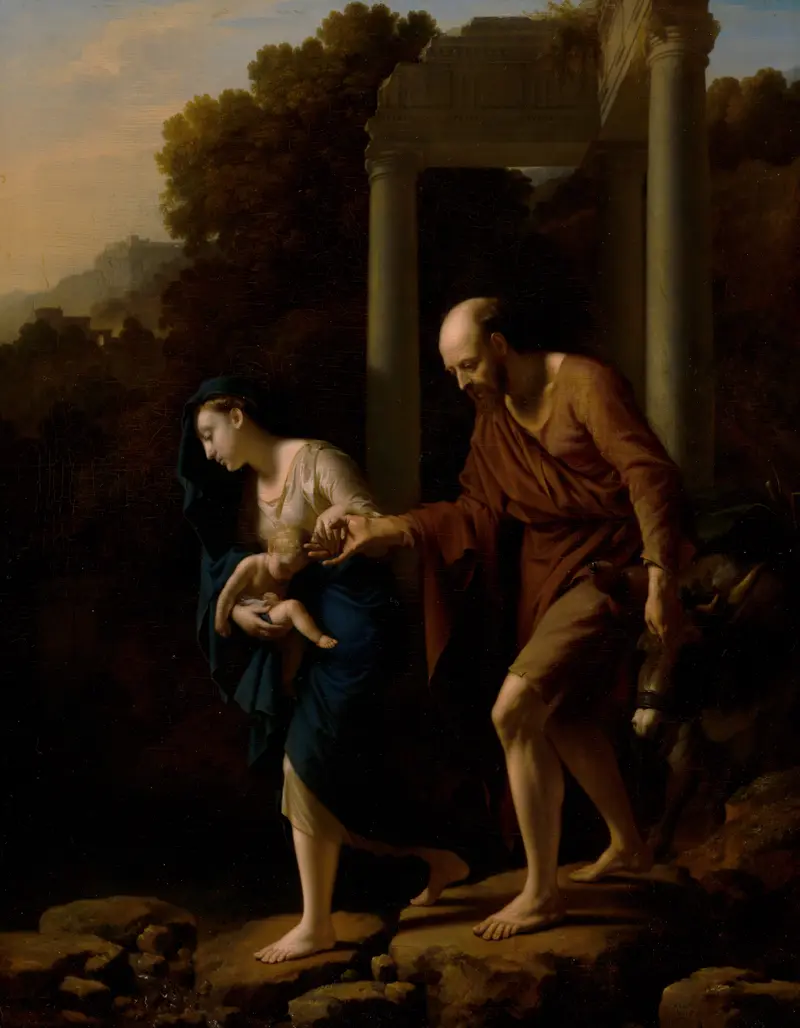
The Flight into Egypt
Adriaen van der Werff
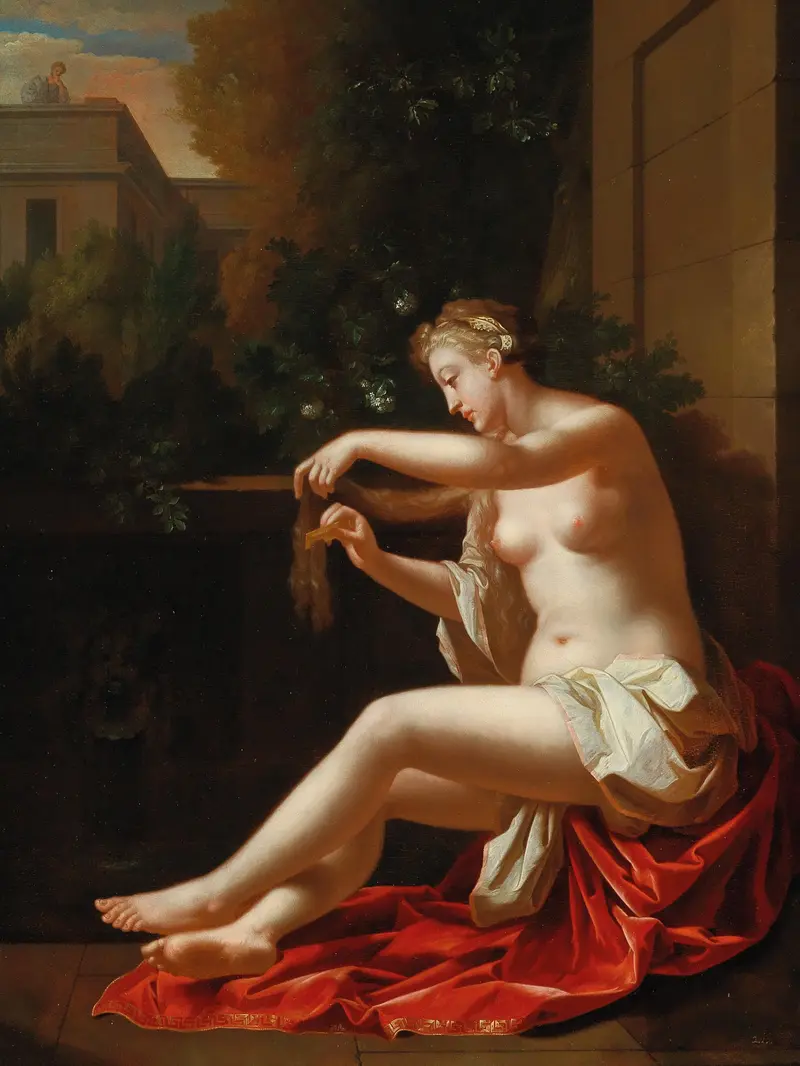
Bathsheba
Adriaen van der Werff
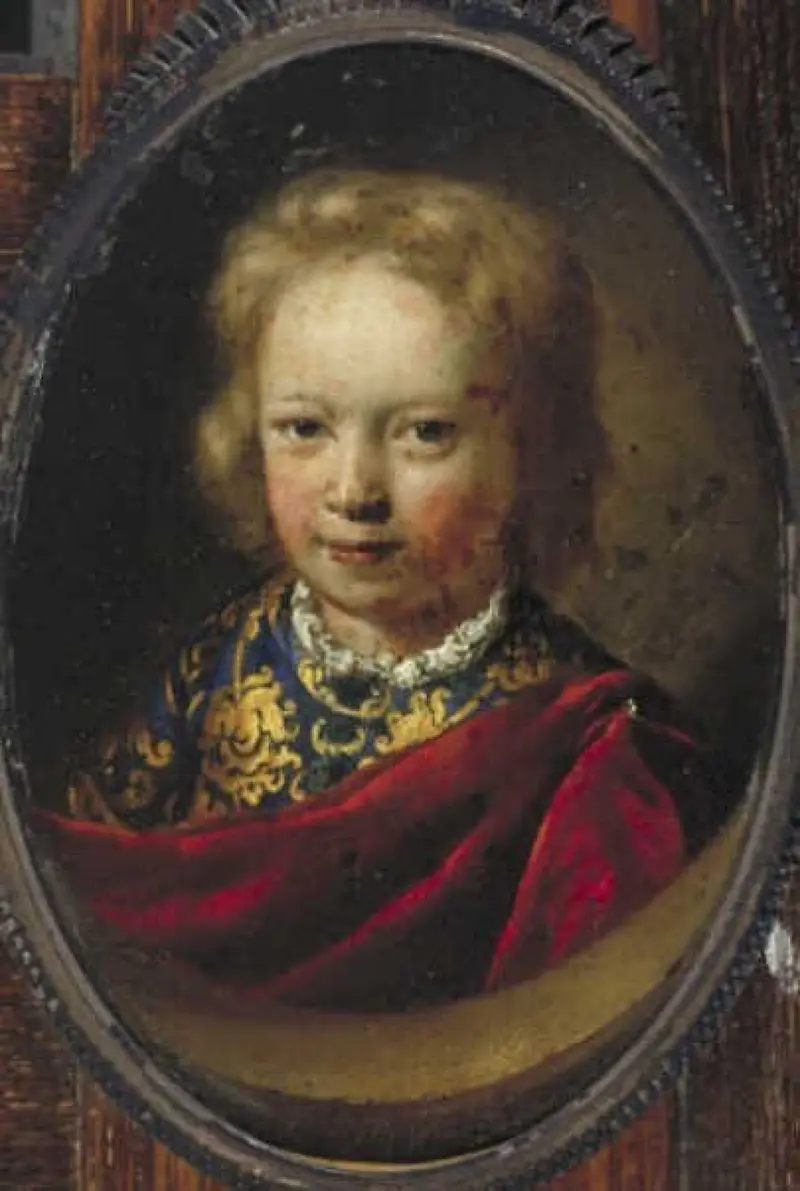
Portrait of Johan Versijden de Jonge
Adriaen van der Werff
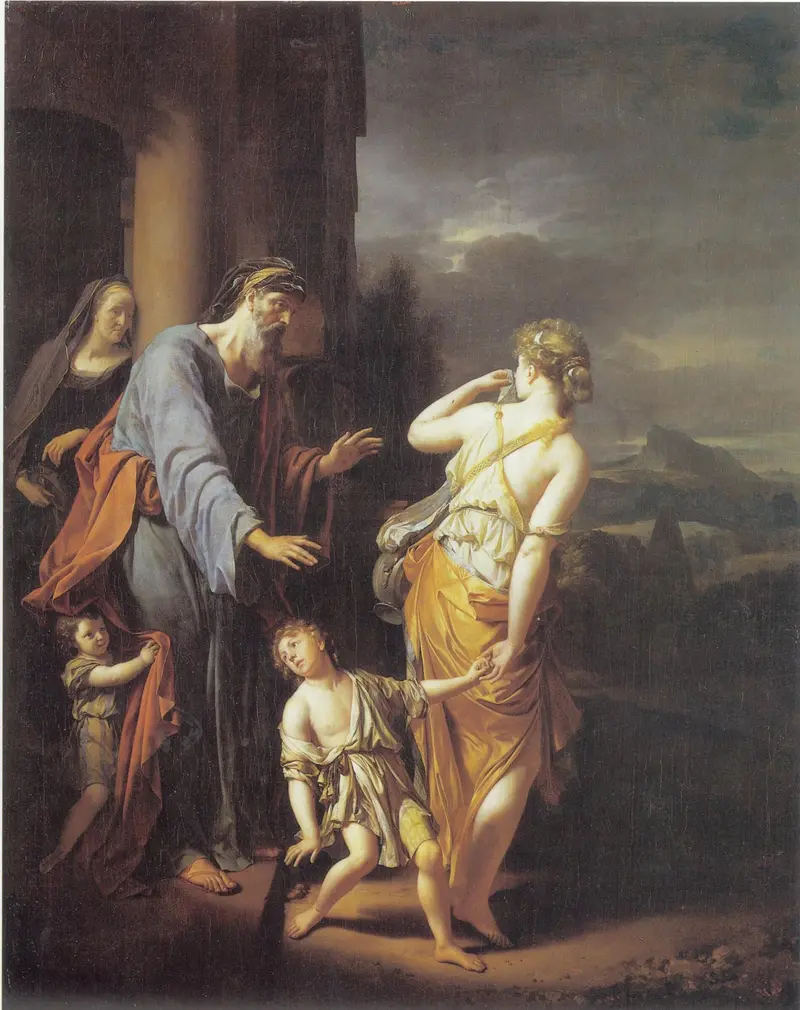
The Banishment of Hagar
Adriaen van der Werff
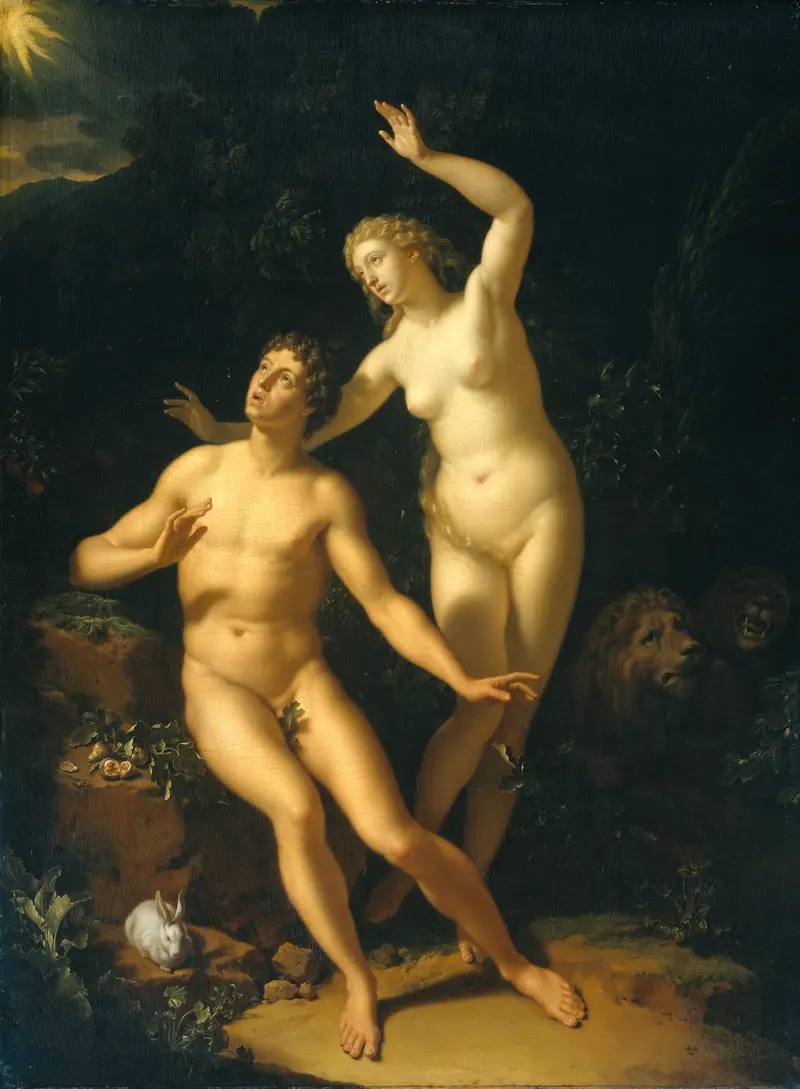
God Holds Adam and Eve Responsible
Adriaen van der Werff
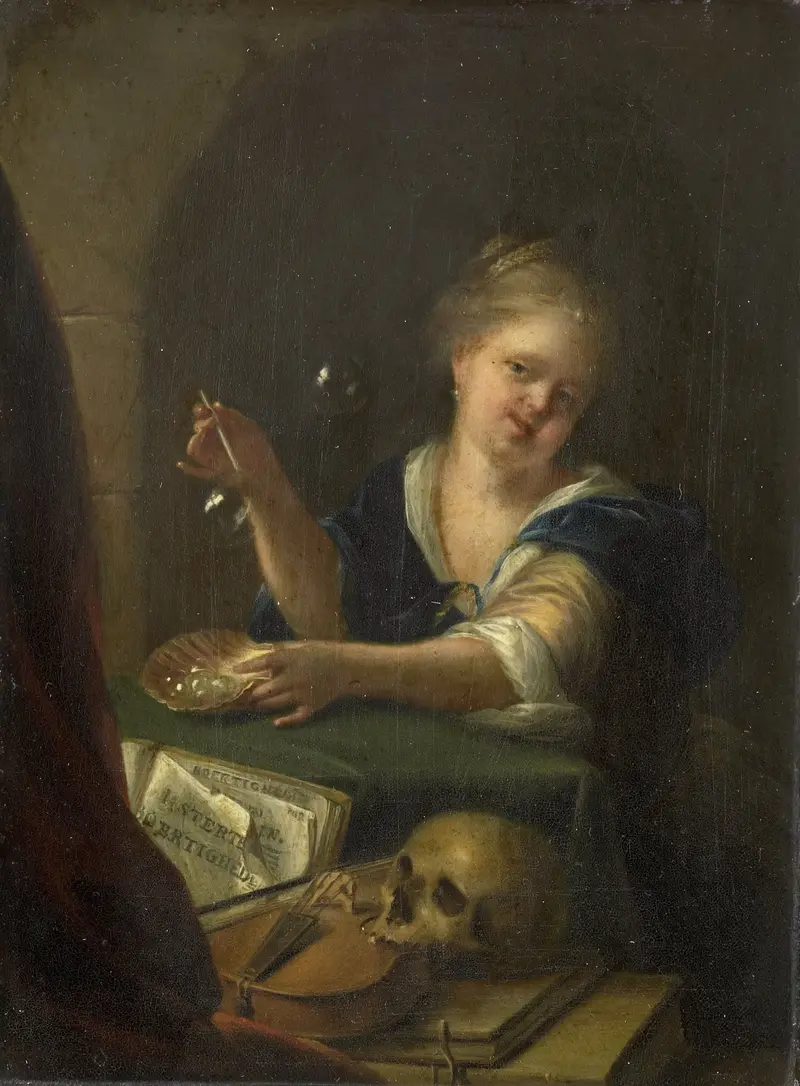
Bubble-blowing Girl with a Vanitas Still Life
Adriaen van der Werff
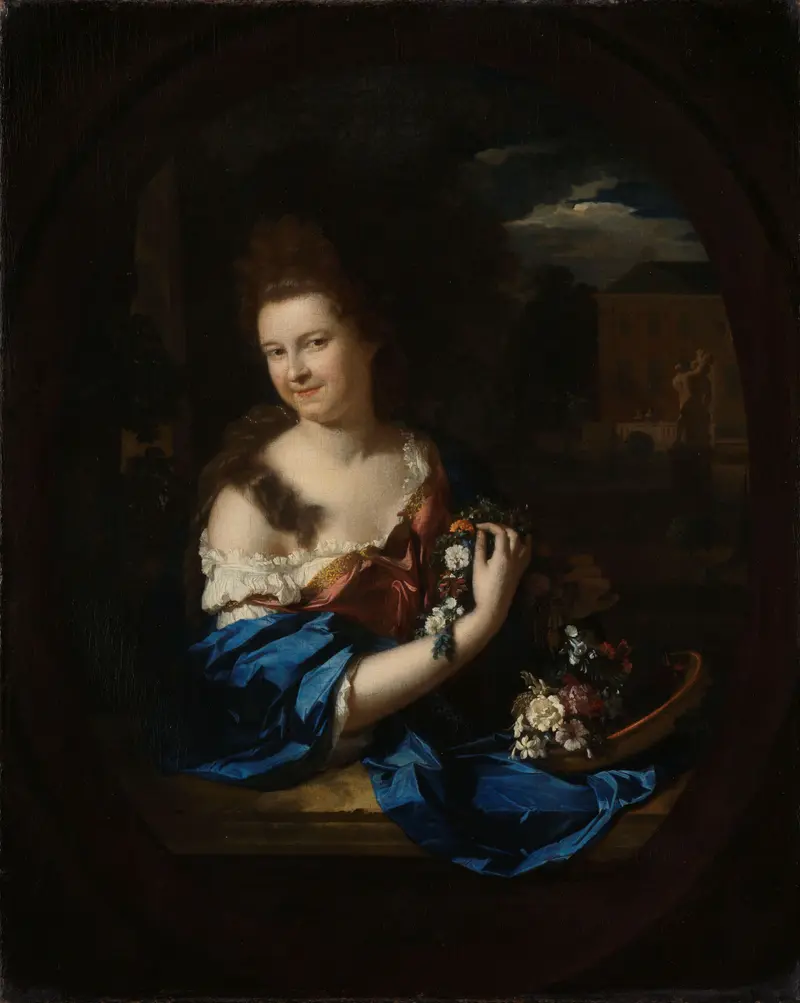
Portrait of Margaretha Rendorp (1673-1730), wife of Jan van de Poll
Adriaen van der Werff
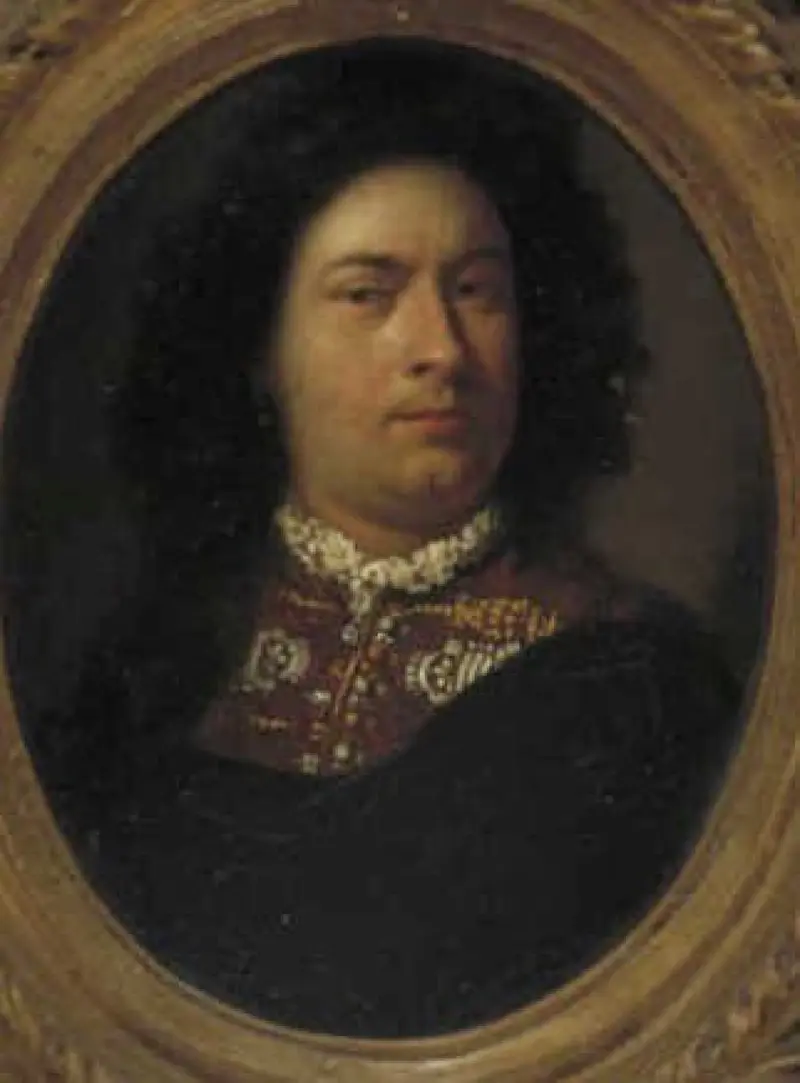
Portrait of Jacob Hendricksz. Vingerhoed
Adriaen van der Werff
The burial of Christ
Adriaen van der Werff





