Discover insights about this artwork
The Fall of Phaeton — History & Facts
In The Fall of Phaeton, Peter Paul Rubens captures a tumultuous scene filled with vibrant colors. The painting depicts Phaeton, the son of Helios, falling from his chariot as the horses run wild. The sky is a dramatic mix of dark clouds and bright light, emphasizing the chaos of the moment.
Surrounding figures express a range of emotions, from horror to despair, adding to the painting's intensity. This artwork is executed in oil on canvas, a common medium for Rubens, allowing for rich textures and deep colors. The approximate dimensions are 200 x 300 cm, making it a large and imposing piece. Viewers can observe Rubens' characteristic brushwork, which creates a sense of movement and energy throughout the composition.
The dramatic contrasts of light and shadow highlight the emotional weight of the scene. Peter Paul Rubens was a leading figure in the Baroque movement, known for his dynamic compositions and vivid colors. The Fall of Phaeton was created around c. 1604 and reflects the artist's interest in mythology and dramatic storytelling.
An interesting fact about this work is that it was originally commissioned for the palace of the Duke of Buckingham, showcasing Rubens' popularity among European aristocracy. The painting remains a powerful example of Baroque art's ability to convey emotion and narrative.
More Artworks by Peter Paul Rubens
Ecce homo
Peter Paul Rubens
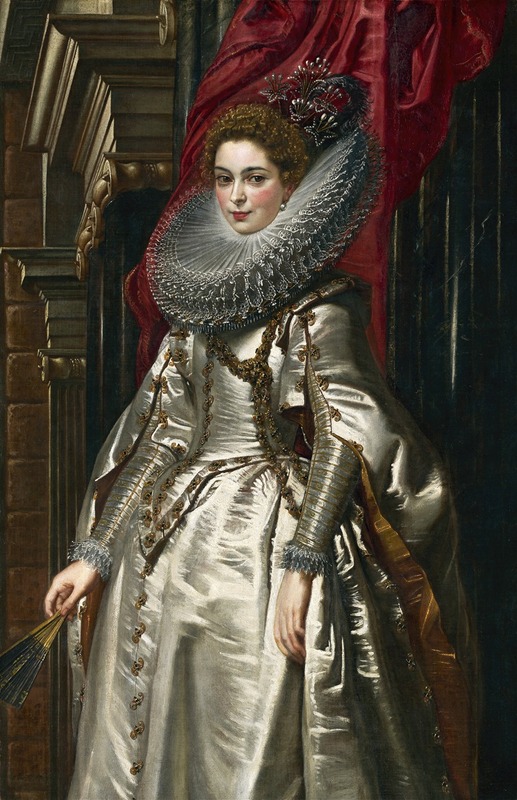
Marchesa Brigida Spinola Doria
Peter Paul Rubens
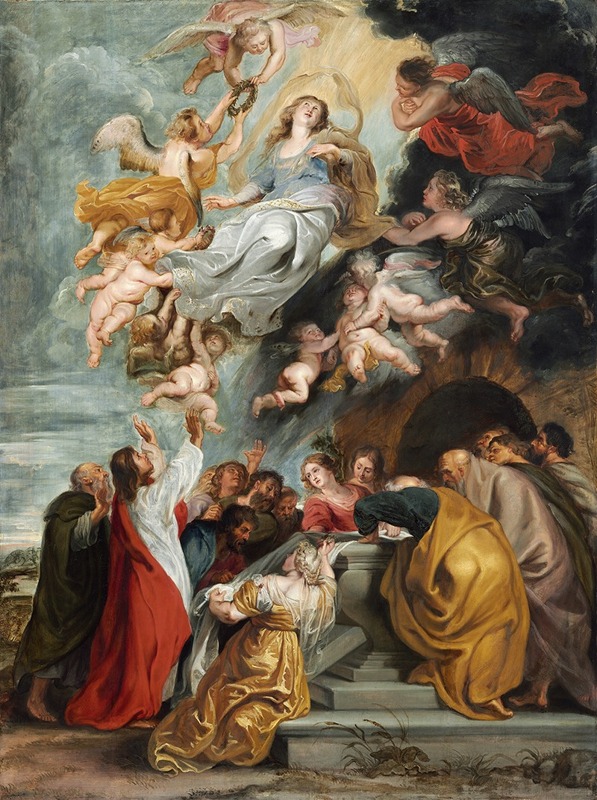
The Assumption of the Virgin
Peter Paul Rubens

Saint Teresa of Ávila Interceding for Souls in Purgatory
Peter Paul Rubens
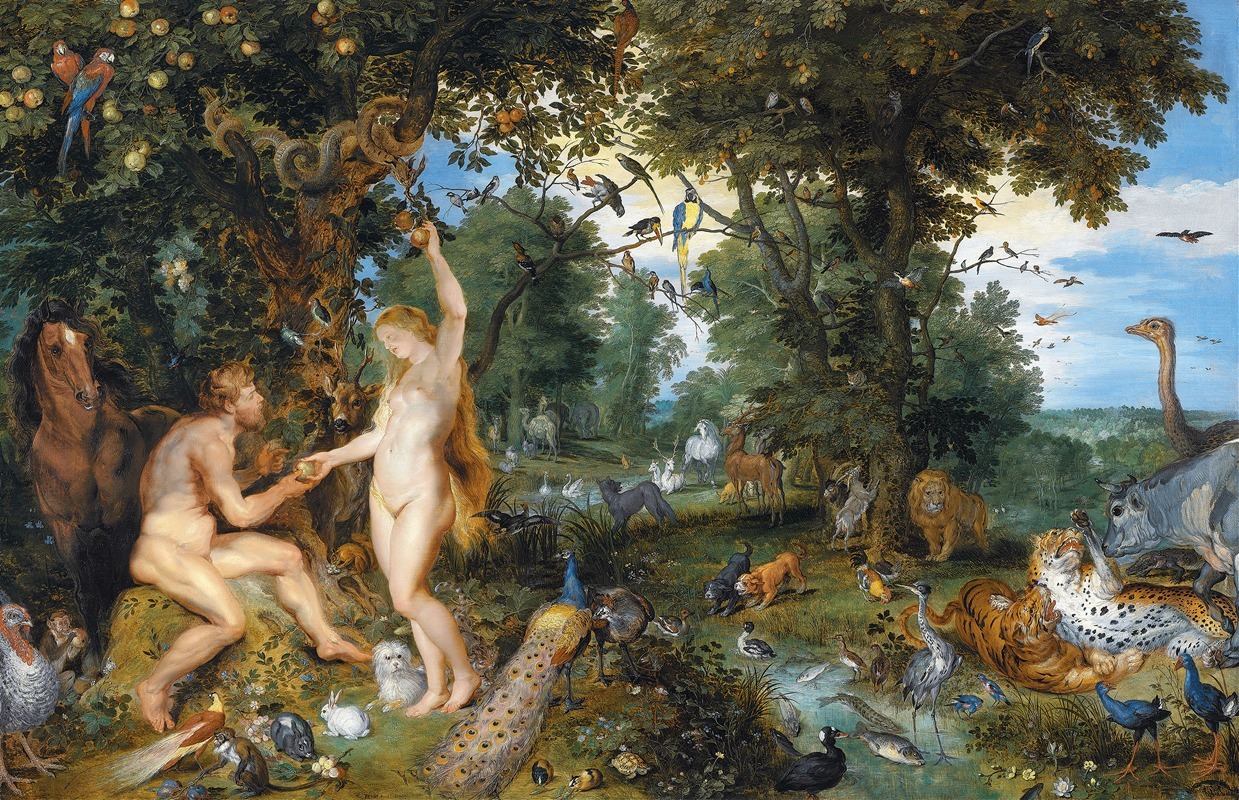
The Garden of Eden with the Fall of Man
Peter Paul Rubens
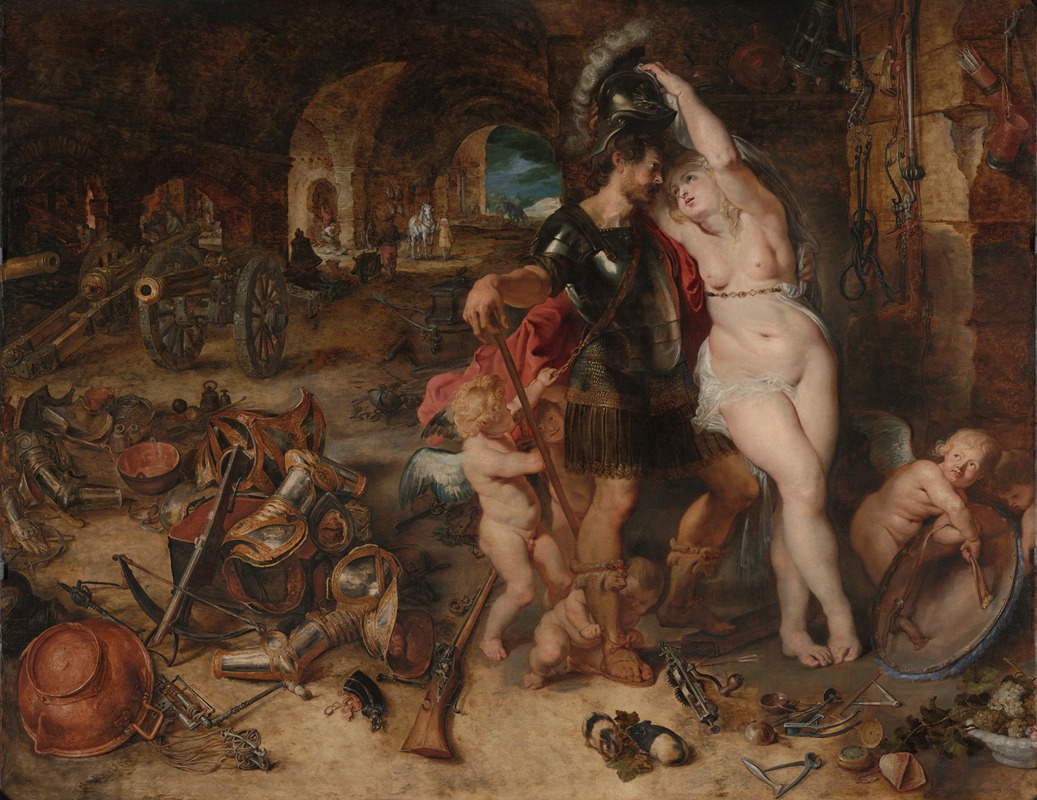
The Return From War,Mars Disarmed By Venus
Peter Paul Rubens
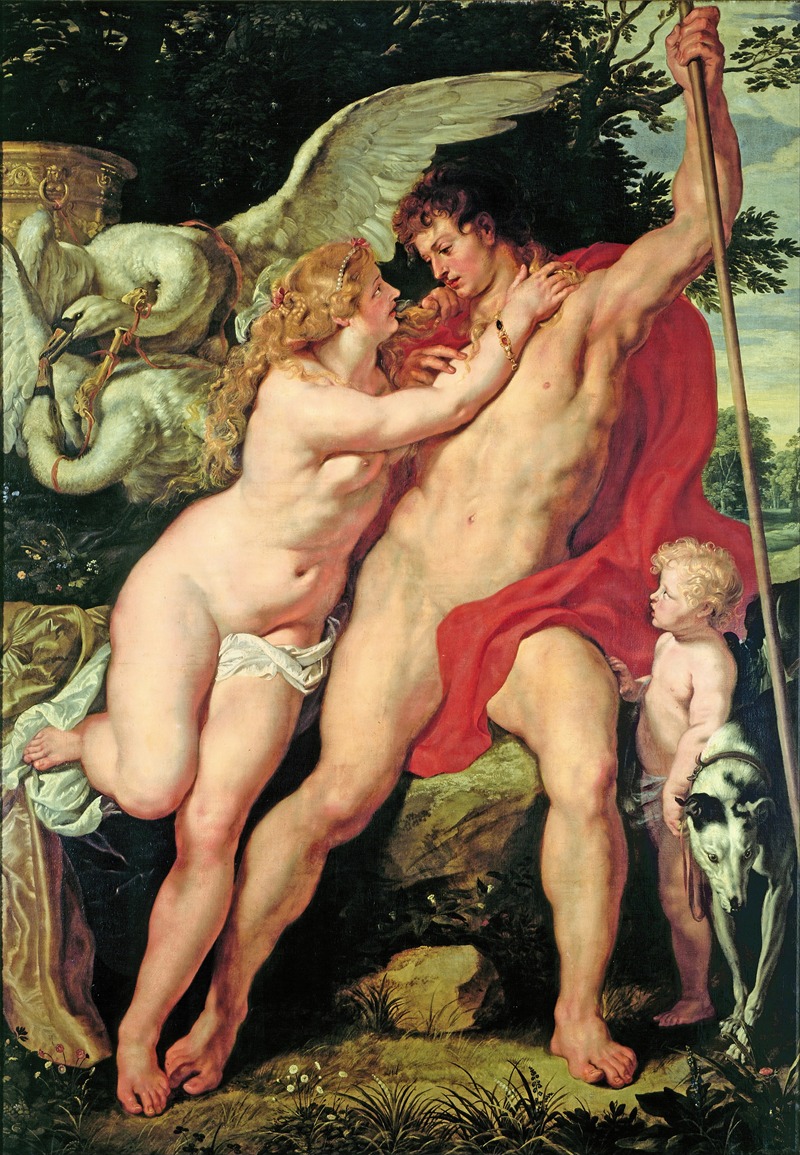
Venus and Adonis
Peter Paul Rubens
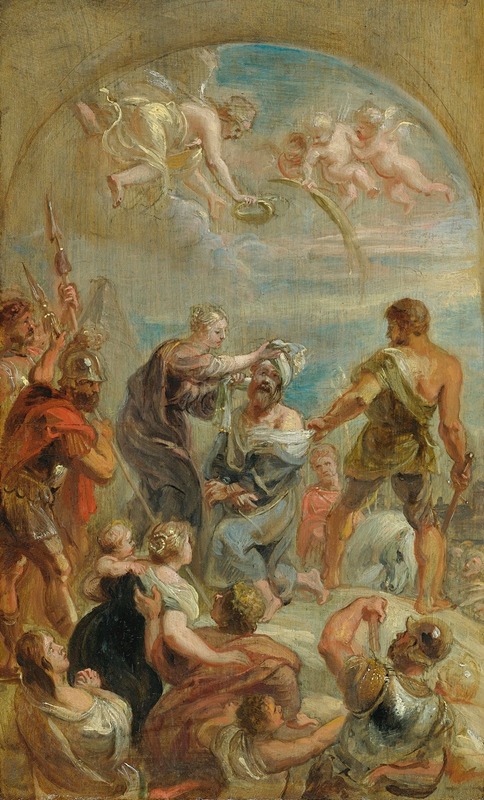
The Martyrdom Of Saint Paul
Peter Paul Rubens
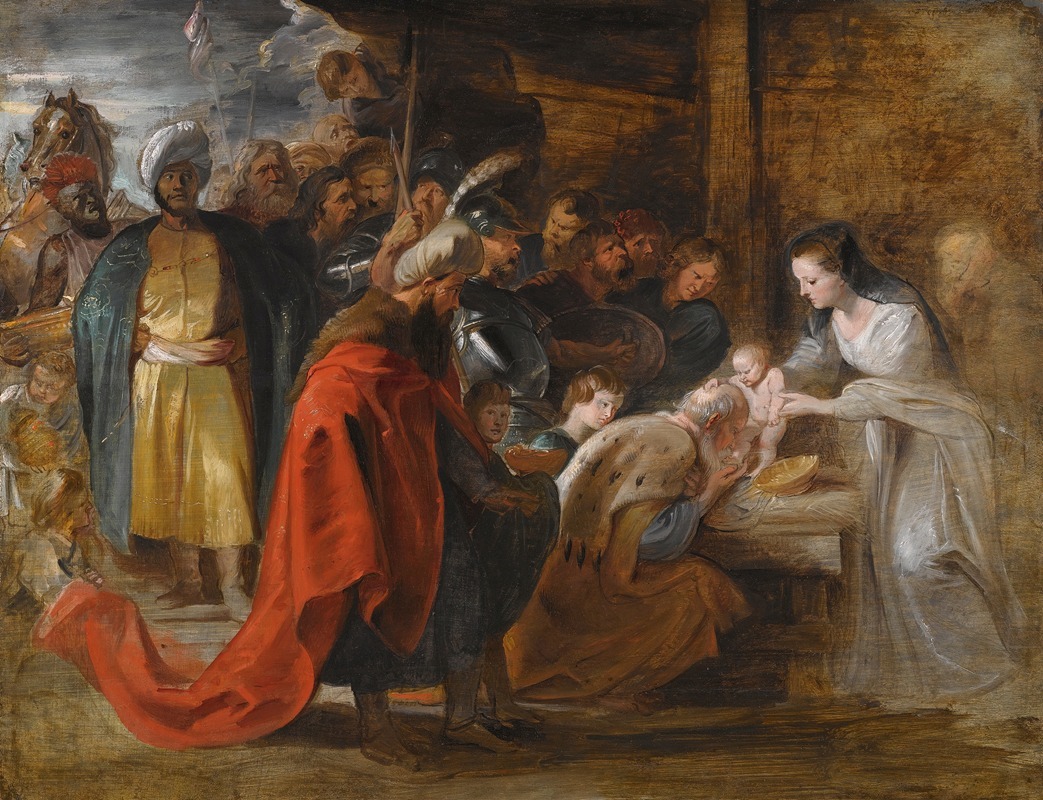
The Adoration Of The Magi
Peter Paul Rubens
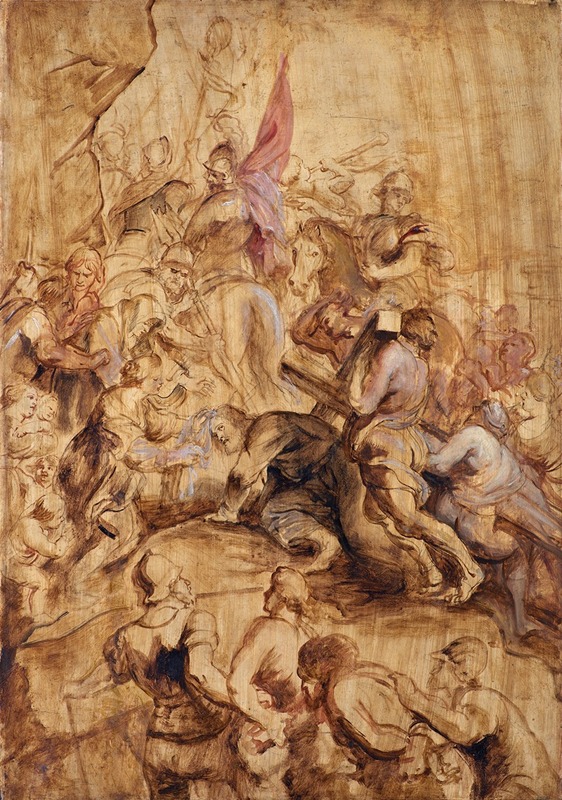
The Ascent to Calvary. The Bearing of the Cross
Peter Paul Rubens