
The Fallen Branch, Fontainebleau — History & Facts
A single fallen branch commands the foreground, its splintered trunk and withered leaves drawing the eye to the drama of nature’s slow undoing. The painter has chosen not a grand vista, but a close encounter with the aftermath of a storm or the quiet work of time. Sunlight glances off the exposed wood and the mossy boulders beneath, picking out textures in the bark and the delicate decay of the leaves.
The dense forest beyond, dotted with slender birch trunks, recedes into shadow, making the broken branch feel both monumental and intimate—a relic at rest, surrounded by the living green. Painted around 1816, The Fallen Branch, Fontainebleau belongs to a moment when artists ventured into the woods of Fontainebleau to study nature directly, seeking truth in the overlooked and the ordinary. This was an era when landscape painting was shifting from backdrop to subject, as painters and their patrons began to value the wild, unpolished corners of the natural world. Now in the collection of the Minneapolis Institute of Arts, this work stands as a quiet testament to that changing vision.
Look again at the fallen branch: it is not just debris, but a portrait of nature’s cycles, rendered with the attentive eye of a new kind of painter.
More Artworks by Achille Etna Michallon

Forest interior
Achille Etna Michallon
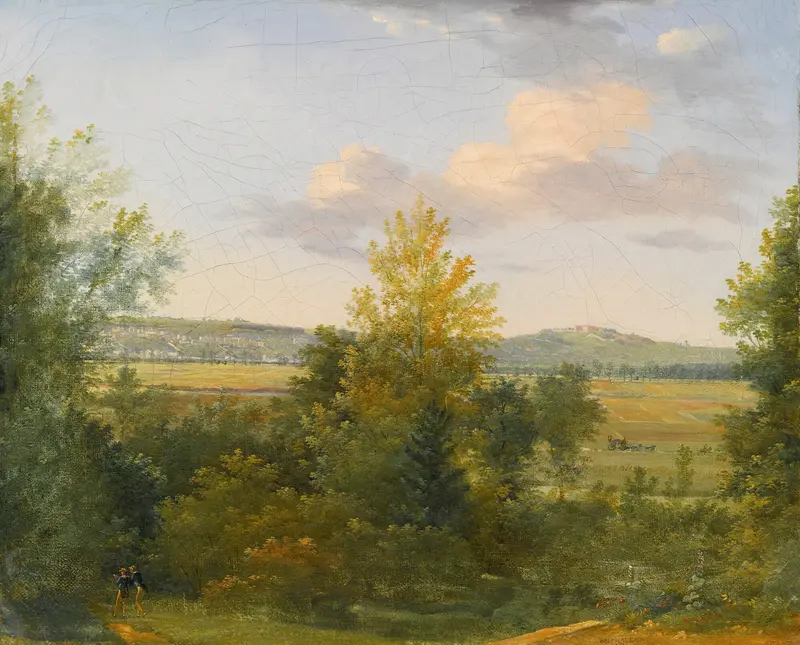
Pastoral landscape with two travellers
Achille Etna Michallon

Die Mündung der Rance bei Saint-Servan (Bretagne)
Achille Etna Michallon

View of a Waterfall through a Ravine
Achille Etna Michallon
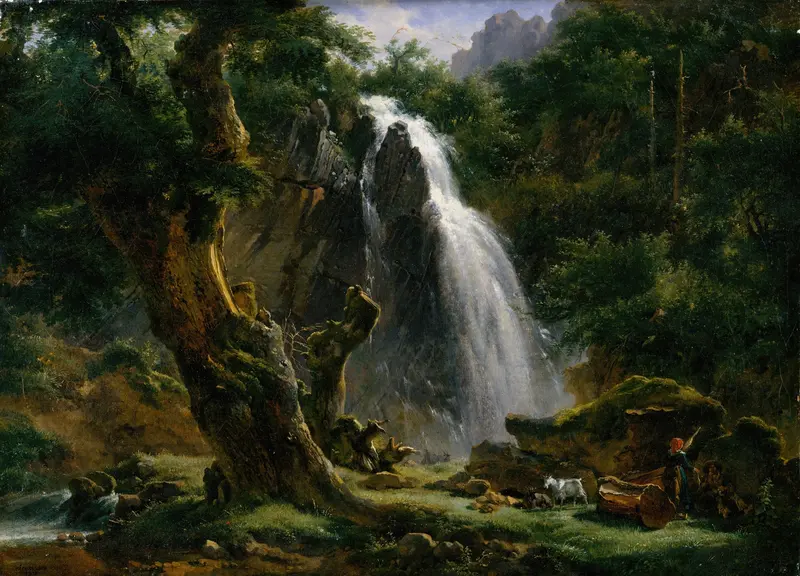
Waterfall at Mont-Dore
Achille Etna Michallon
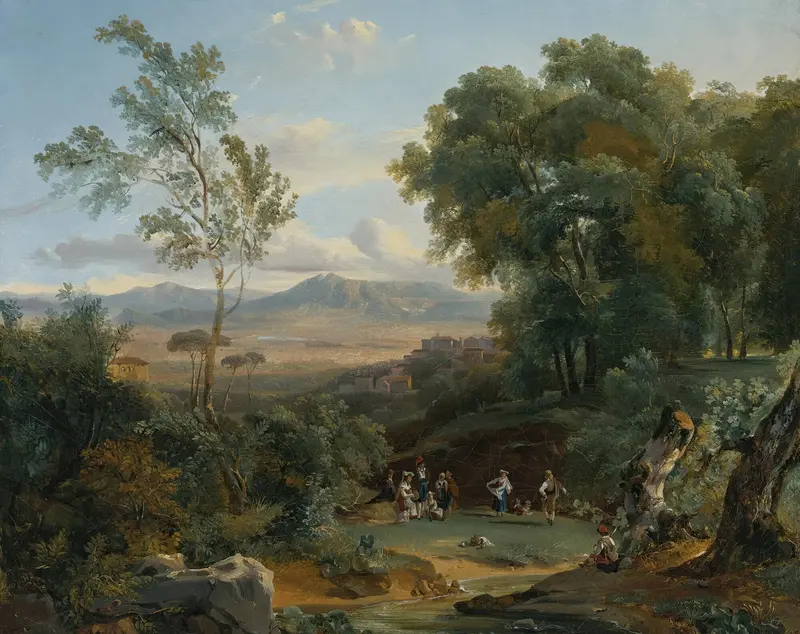
Landscape With A View Of Frascati
Achille Etna Michallon
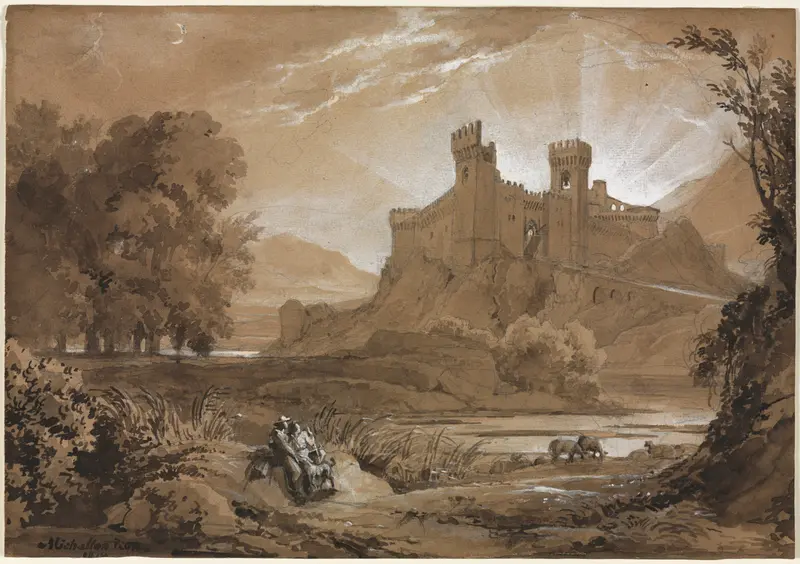
Landscape with Castle and Shepherds
Achille Etna Michallon
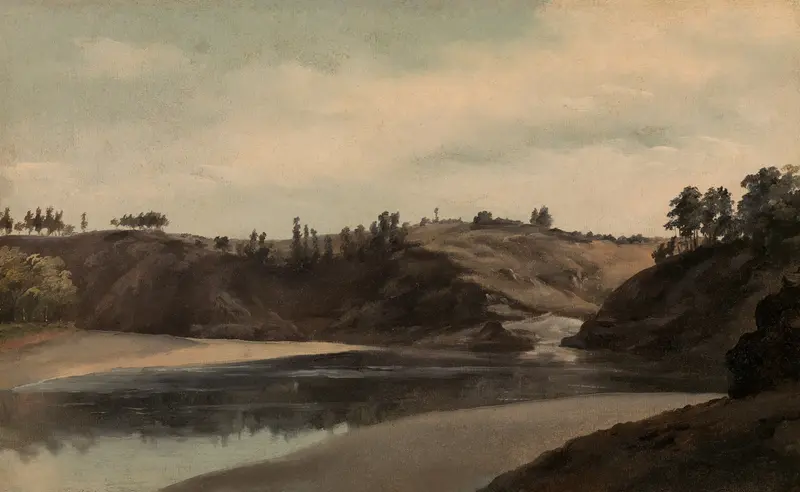
River landscape in Brittany
Achille Etna Michallon
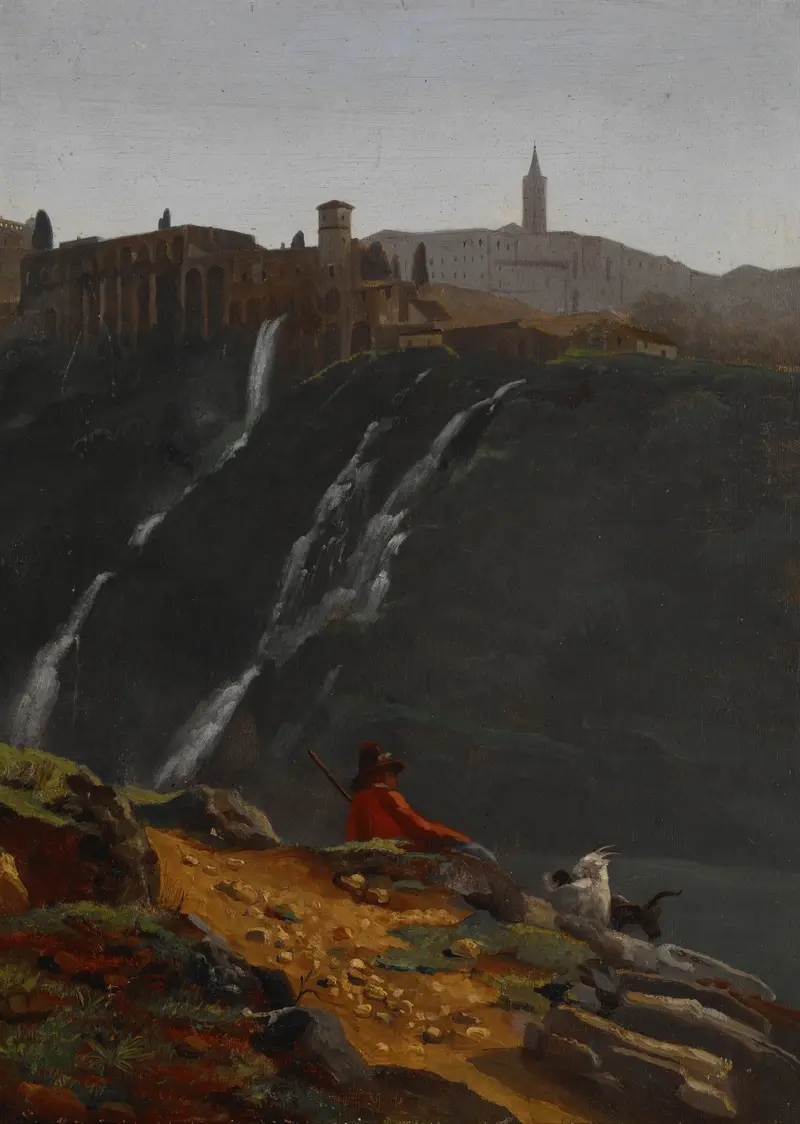
Goatherd Opposite the Falls of Tivoli
Achille Etna Michallon
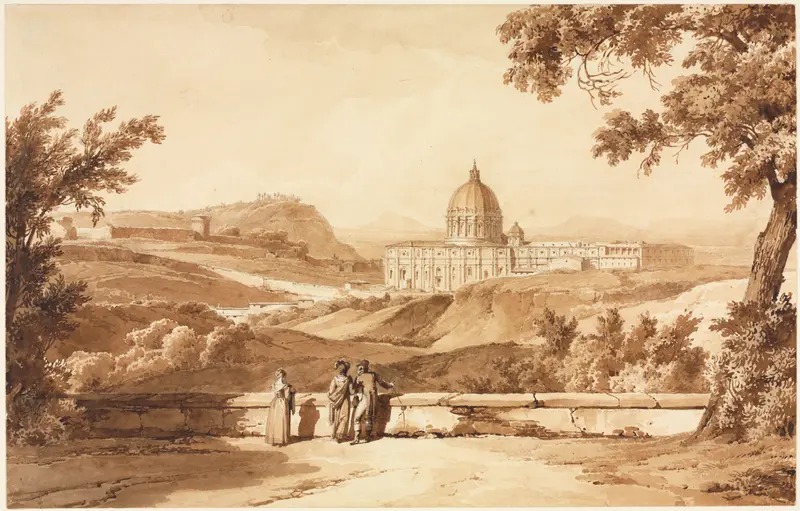
View of St. Peters, Rome
Achille Etna Michallon
More Landscape Art

The Starry Night
Vincent van Gogh

View of Delft
Johannes Vermeer

Water Lilies
Claude Monet

The Grand Canal, Venice, looking north-west from the Ca' Corner to the Ca' Contarini degli Scrigni, with the campanile of Santa Maria della Carità
Canaletto

Windsor Castle
Canaletto

The Grand Canal looking North-East from the Palazzo Dolfin-Manin to the Rialto Bridge
Canaletto