
The Farrier — History & Facts
Did the painter know this moment would outlive them? In the chaotic dance of life and labor, he captured a fleeting instance where art meets the raw energy of existence. Focus on the central figure, a farrier, bent over his work with intense concentration. The dark, smoky hues of the forge envelop him, while patches of warm light flicker across his muscular arms and the horseshoe he holds—this juxtaposition of light and shadow reveals the struggle and skill inherent in his craft. Notice how the flames leap and flicker in the background, illuminating the sweat on his brow, and guiding your gaze to the expressive, muscular form of his horse standing patiently beside him. As you delve deeper into the scene, consider the contrasts that unfold: the rigid strength of the farrier against the delicate, ethereal quality of the smoke, which swirls with an unpredictable grace.
Each hammer strike reverberates with a rhythm that speaks of labor yet whispers of chaos, encapsulating a moment where tension and tranquility coexist. The tension in the air foreshadows the inevitable clashes between man and nature, skill and unpredictability. In the early or mid-1650s, Aert van der Neer painted this work during a period of burgeoning interest in genre scenes and everyday life. Living in a time marked by both the prosperity and political upheaval of the Dutch Golden Age, he sought to capture the beauty in mundane moments, illustrating the dynamic relationship between man, his work, and the world around him.
More Artworks by Aert van der Neer
Browse all →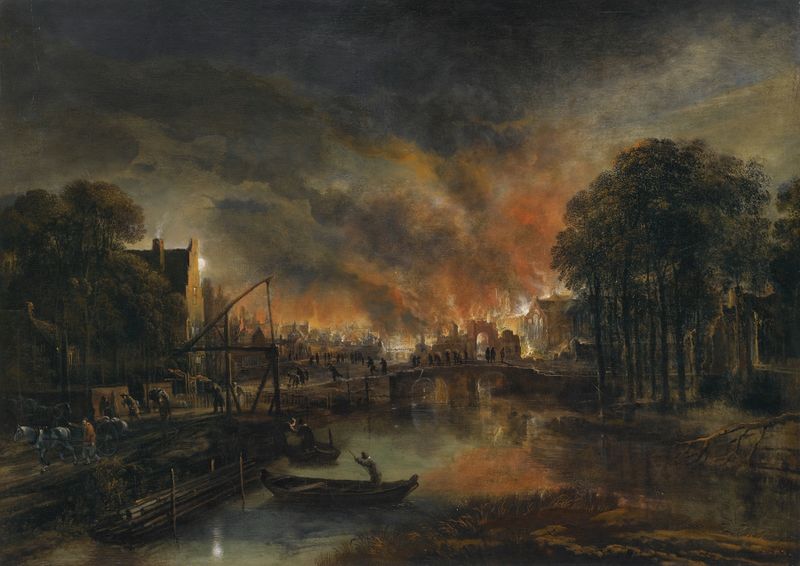
A Moonlit Landscape With A Burning Village
Aert van der Neer

River Landscape
Aert van der Neer

River Landscape in Moonlight
Aert van der Neer

Winter Landscape with Skaters on a Frozen River
Aert van der Neer

Winter Landscape near a Town with Kolf Players and Horse-Drawn Sleighs
Aert van der Neer
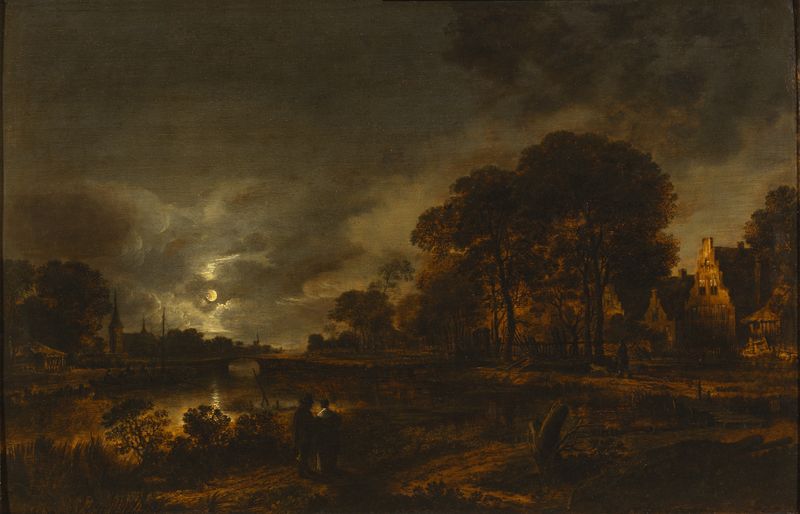
Moonlight Landscape
Aert van der Neer
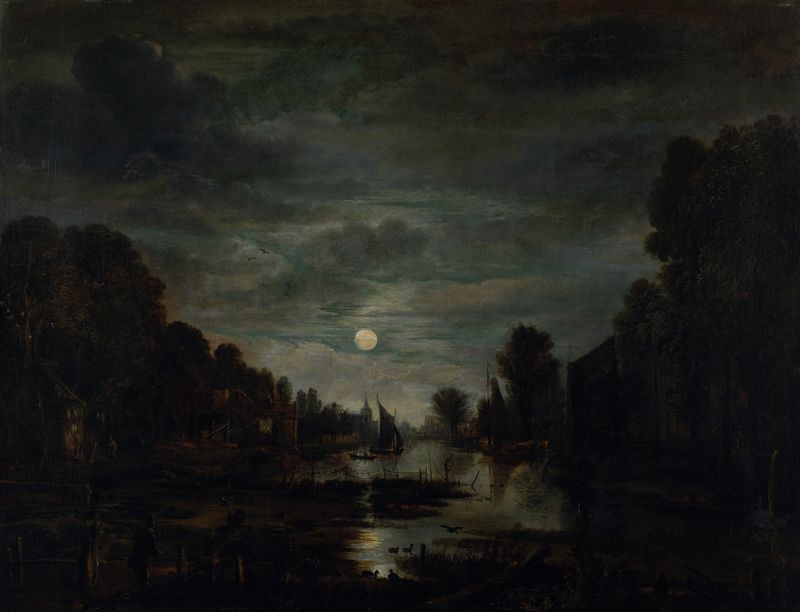
River Landscape in Moonlight
Aert van der Neer
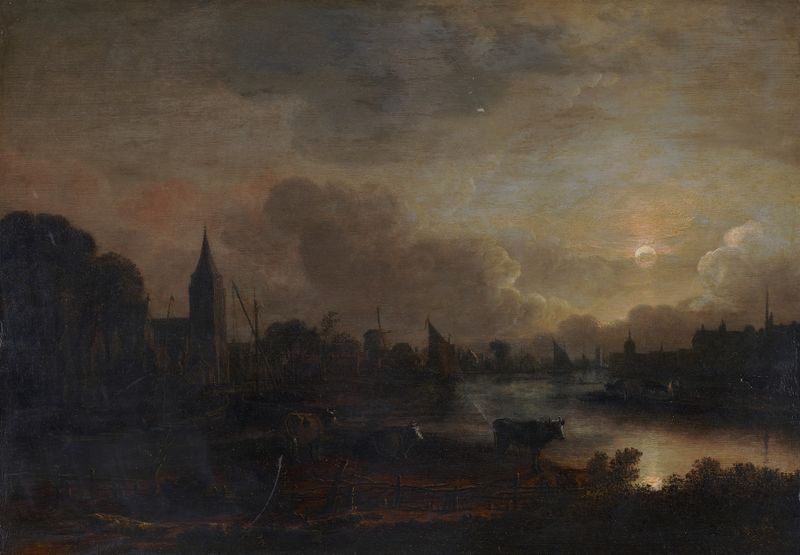
Moonlight Landscape
Aert van der Neer
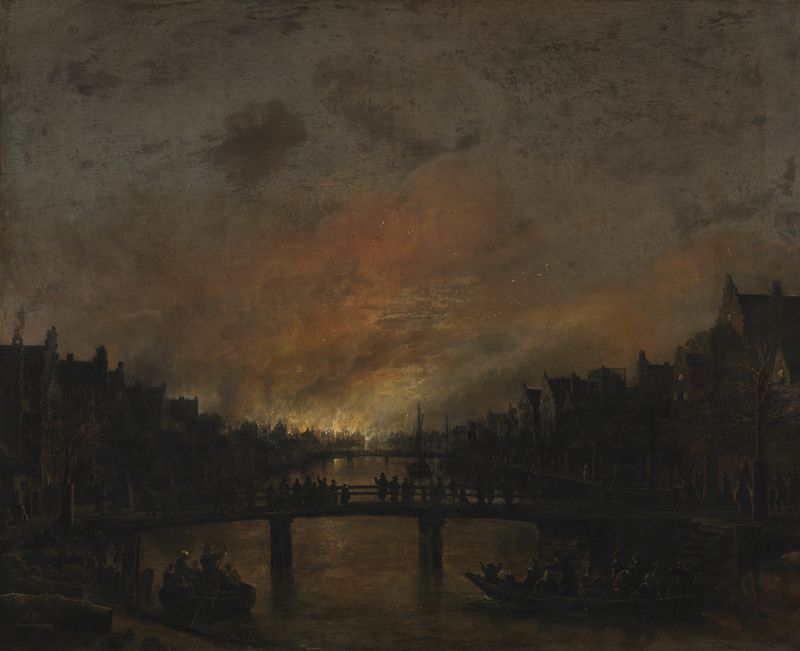
Fire at Amsterdam by Night
Aert van der Neer

Landscape at Sunset
Aert van der Neer





