
The First Parliament in Łęczyca, from the series “History of Civilization in Poland” — History & Facts
In 1180, a gathering took place in the town of Łęczyca that would change the course of Polish political life: the first Polish parliament, or sejm, convened by Duke Casimir II the Just. This moment marked the birth of representative government in Poland, as the duke sought the support of nobles and clergy in exchange for confirming their privileges—a negotiation that would echo through centuries of Polish history. When Jan Matejko painted The First Parliament in Łęczyca in 1888, he was not simply chronicling a distant event, but spotlighting the origins of a uniquely Polish tradition of self-governance.
The painting, part of his ambitious series History of Civilization in Poland, was created at a time when Poland itself was partitioned and erased from the map, making Matejko’s celebration of national heritage a quiet act of resistance. The scene unfolds in a vaulted medieval hall, where Casimir II sits at the heart of a tense assembly. Matejko captures the precise instant when the duke, flanked by bishops and armored knights, extends his hand in a gesture of concession, while the assembled nobles lean forward, some skeptical, others hopeful. The golden chain on the duke’s chest signals royal authority, but his open palm hints at compromise rather than command.
Light pours through high windows, illuminating the faces of the clergy—reminding viewers of the Church’s pivotal role in mediating power. Unlike the more theatrical crowd scenes of Delacroix or the stately order of David, Matejko’s composition brims with individual personalities, each participant rendered with psychological depth and historical detail. While the exact medium of The First Parliament in Łęczyca is not clearly documented, its place within Matejko’s oeuvre is secure: it belongs to a series intended for educational lithographs, aiming to foster national consciousness during a period of foreign domination. The painting’s journey is less dramatic than some of Matejko’s grand canvases, which have survived wars and political turmoil, but its message has endured in classrooms and textbooks across Poland.
Today, the work stands as both a testament to Matejko’s commitment to historical storytelling and a visual anchor for the idea of Polish parliamentarianism—a legacy still felt in the country’s political culture.
More Artworks by Jan Matejko
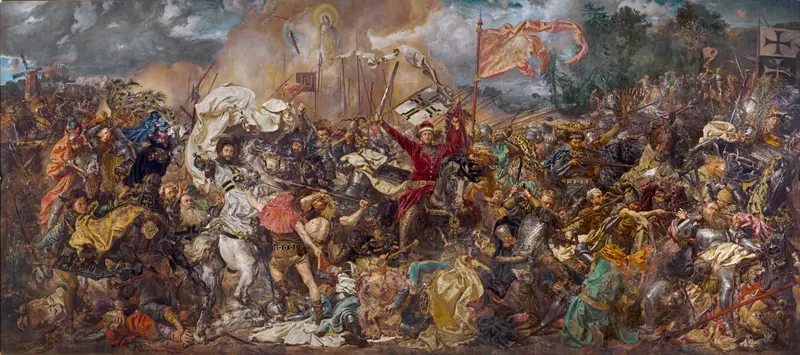
Battle of Grunwald
Jan Matejko

Stańczyk
Jan Matejko

Battle of Raclawice
Jan Matejko
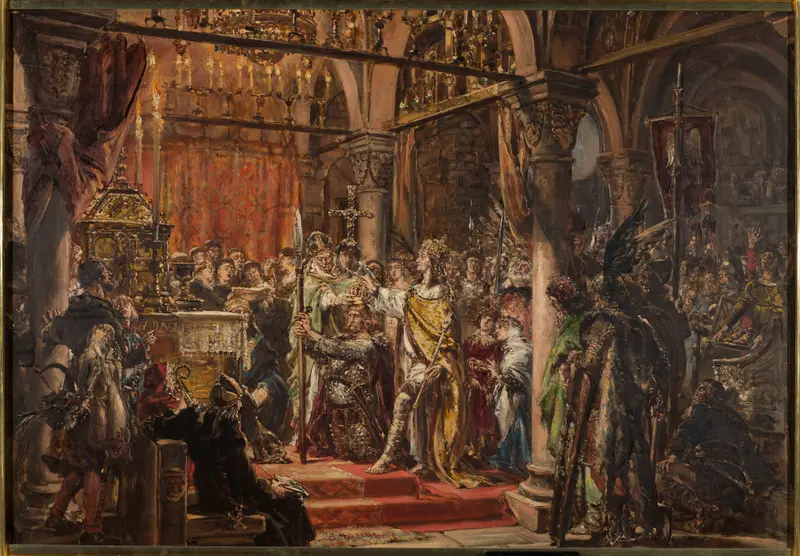
Coronation of the First King, 1001 AD, from the series “History of Civilization in Poland”
Jan Matejko
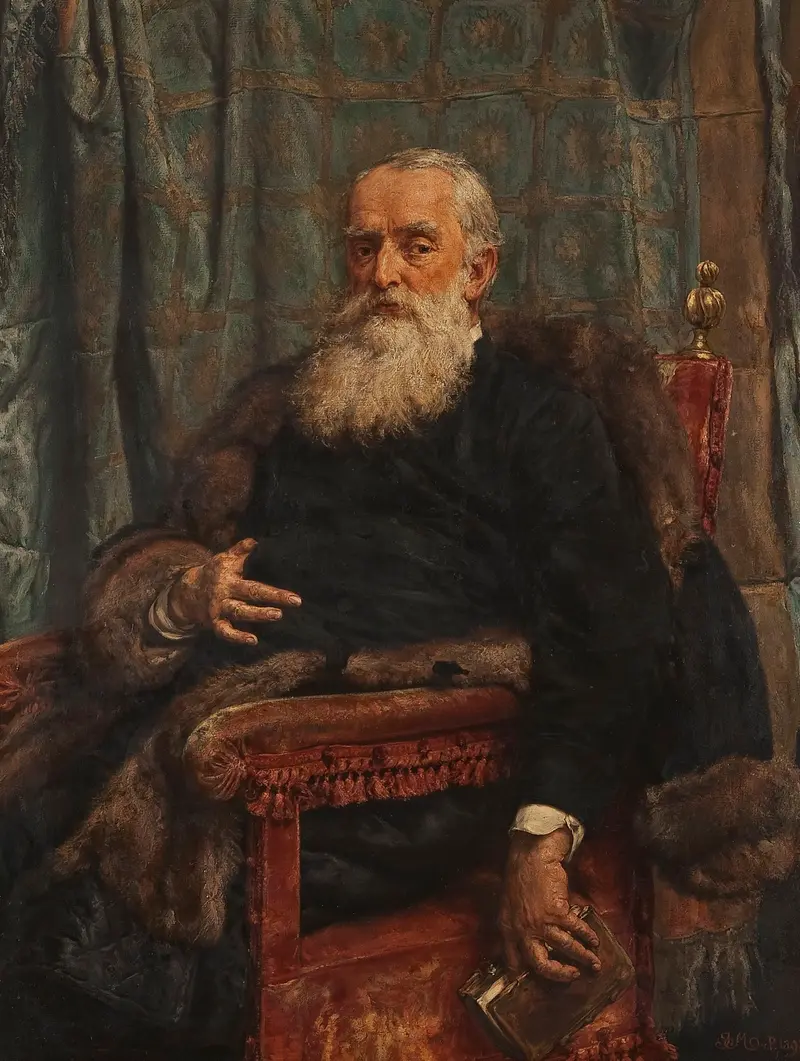
Portrait of Henryk Krajewski
Jan Matejko
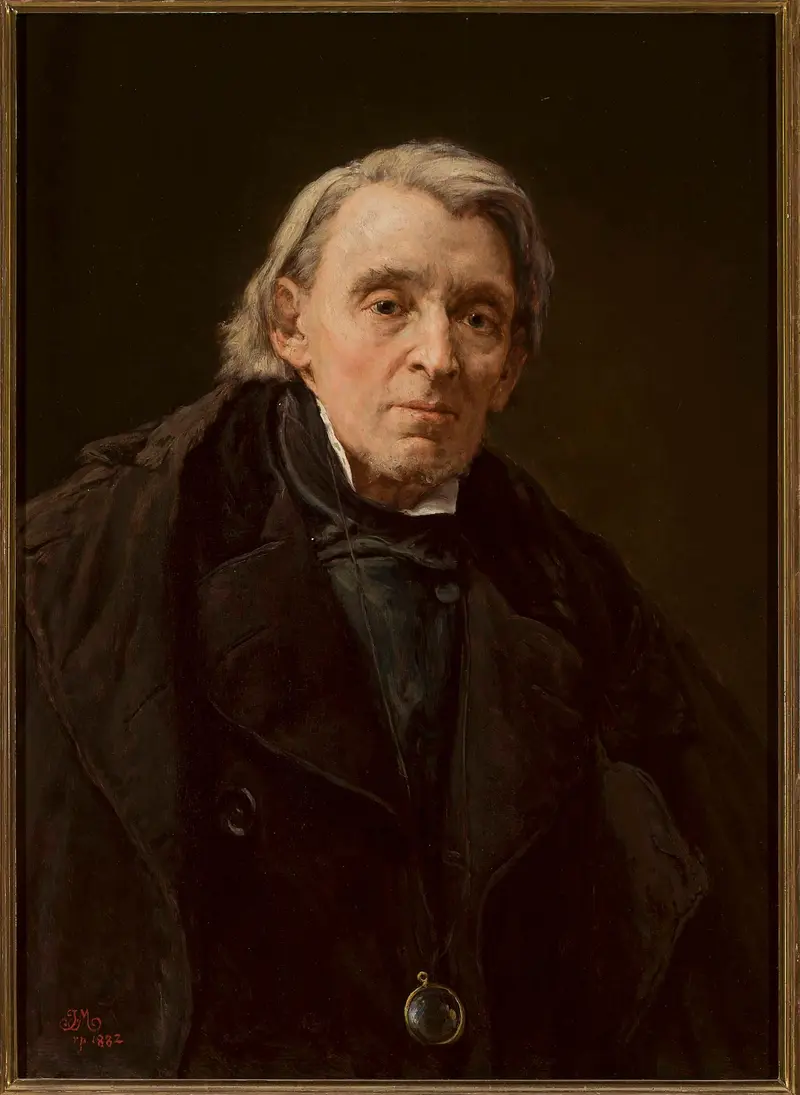
Portrait of Karol Podlewski
Jan Matejko
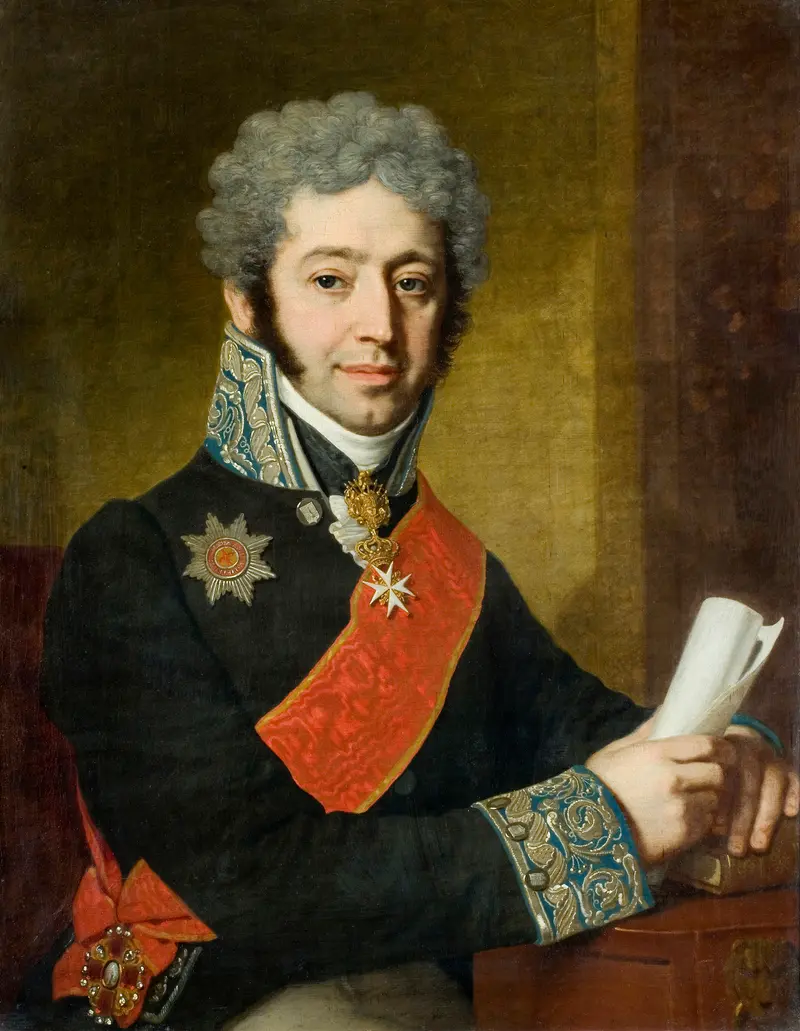
Portrait of Potocki and Poninski
Jan Matejko
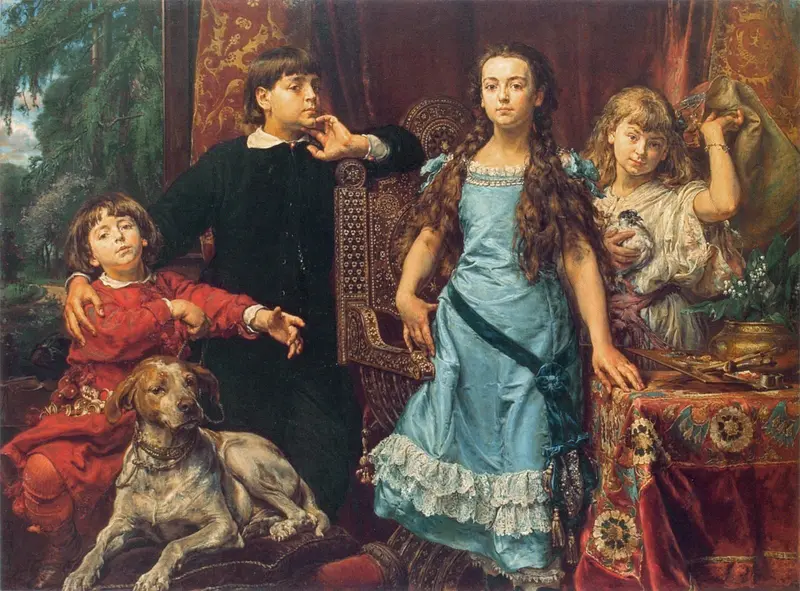
Portrait of the artist's four children
Jan Matejko
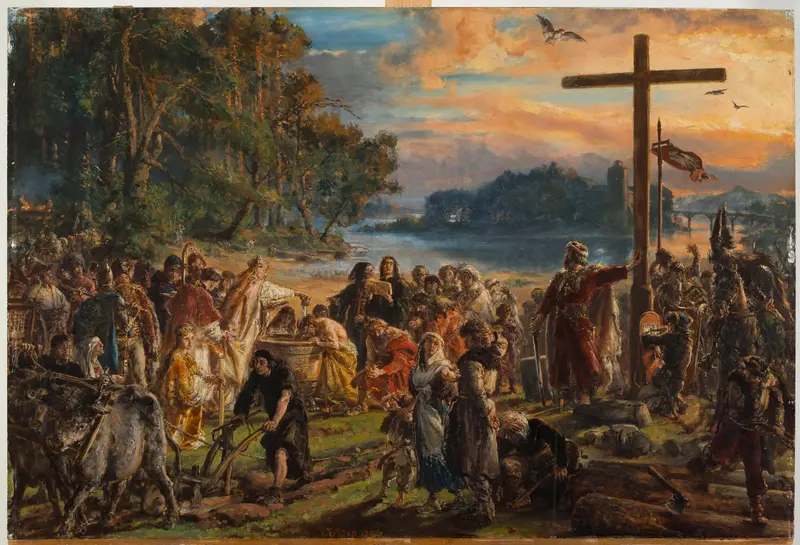
Introduction of Christianity in Poland
Jan Matejko
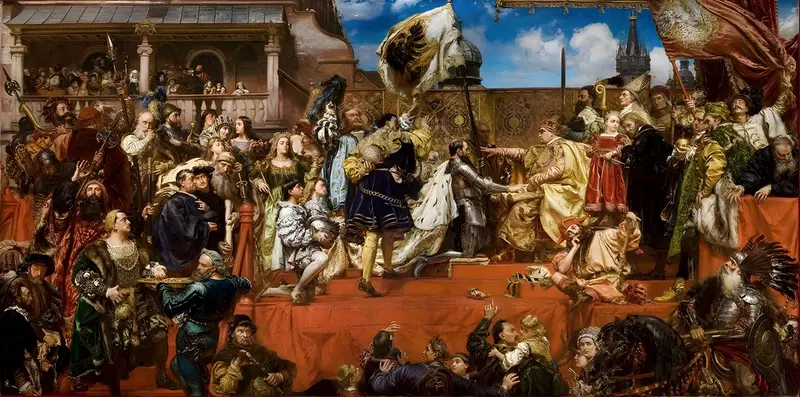
Prussian Homage
Jan Matejko





