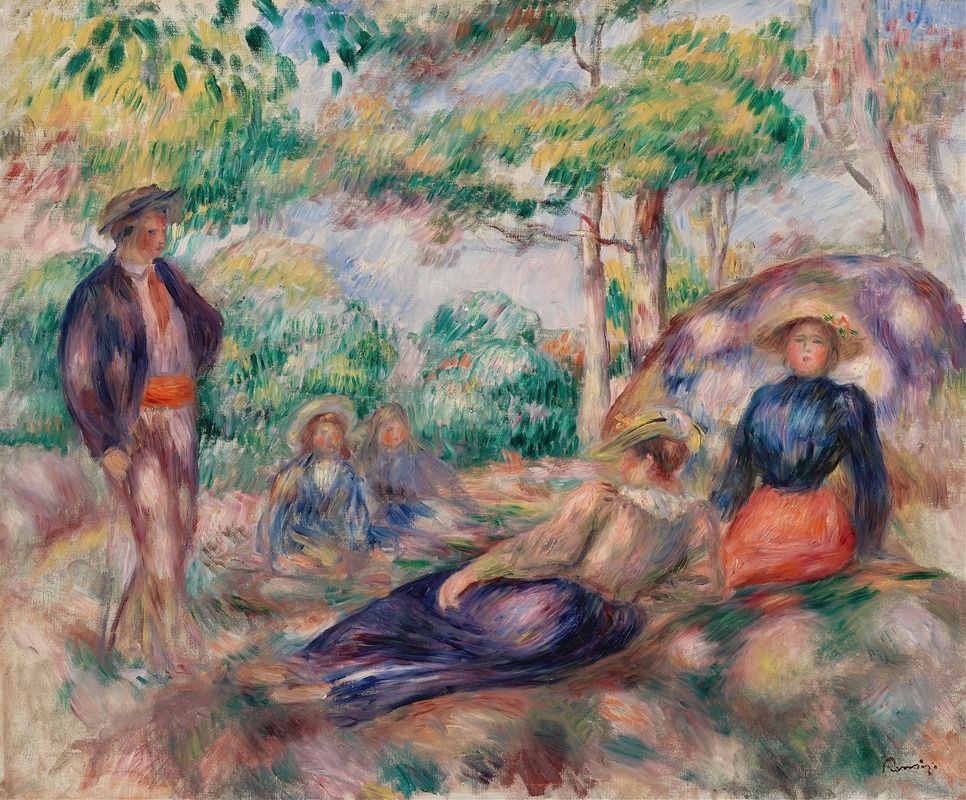
Discover insights about this artwork
The Fortune Teller — History & Facts
In The Fortune Teller, Caravaggio presents a vibrant scene filled with rich colors and dramatic contrasts. The painting features a young fortune teller, her expression a mix of intrigue and cunning, as she gazes at a young man. The man, seemingly captivated, leans in closer, while the background is dark, enhancing the figures' illumination.
The use of light and shadow creates a sense of depth and realism, typical of the Baroque style. The painting is executed in oil on canvas, a medium that allows for rich textures and deep colors. Caravaggio's characteristic use of chiaroscuro highlights the emotional intensity of the scene. The dimensions are approximately 100 x 130 cm, making it a substantial work that draws the viewer in.
This piece exemplifies Caravaggio's skill in portraying human emotions and interactions. Caravaggio, an influential figure in the Baroque movement, often explored themes of realism and human emotion. The Fortune Teller is notable for its depiction of deception, as the fortune teller appears to manipulate the young man's trust. Interestingly, this work reflects Caravaggio's own tumultuous life, marked by conflict and intrigue, paralleling the themes he often depicted.
The painting is housed in the Museo del Prado, a testament to its significance in art history.
More Artworks by Caravaggio
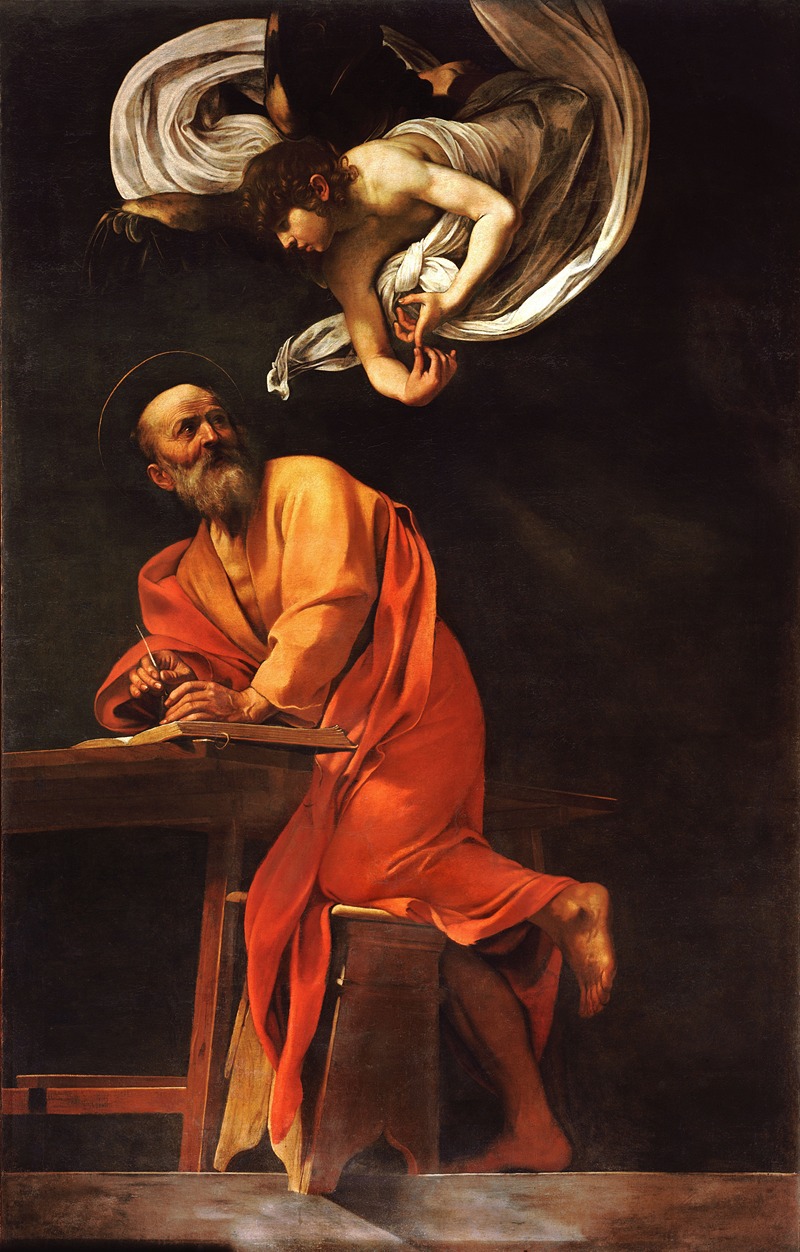
Saint Matthew and the angel
Caravaggio

Medusa
Caravaggio
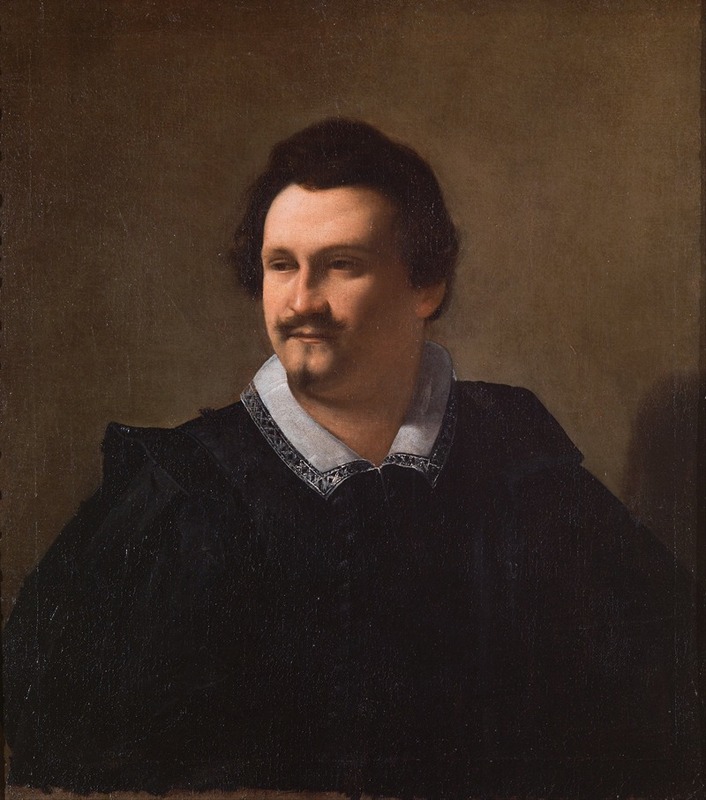
Portrait of a gentleman (Scipione Borghese)
Caravaggio
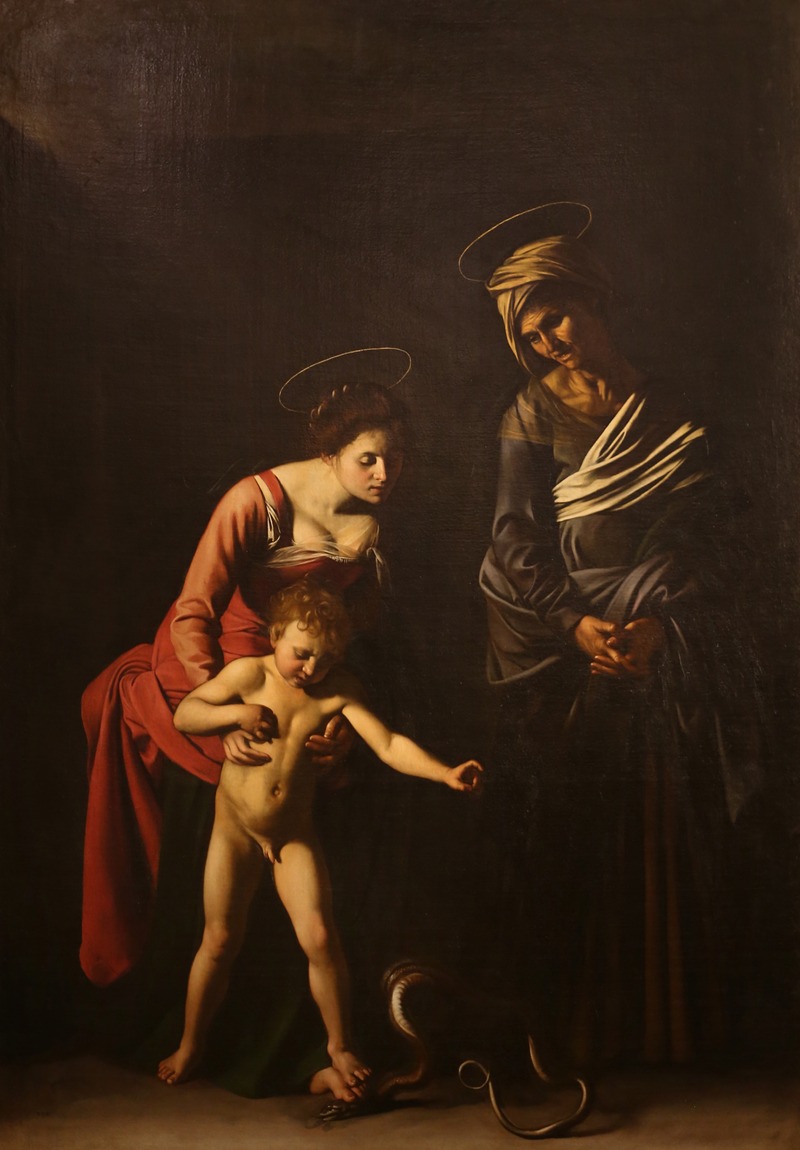
Madonna and Child with Saint Anne
Caravaggio
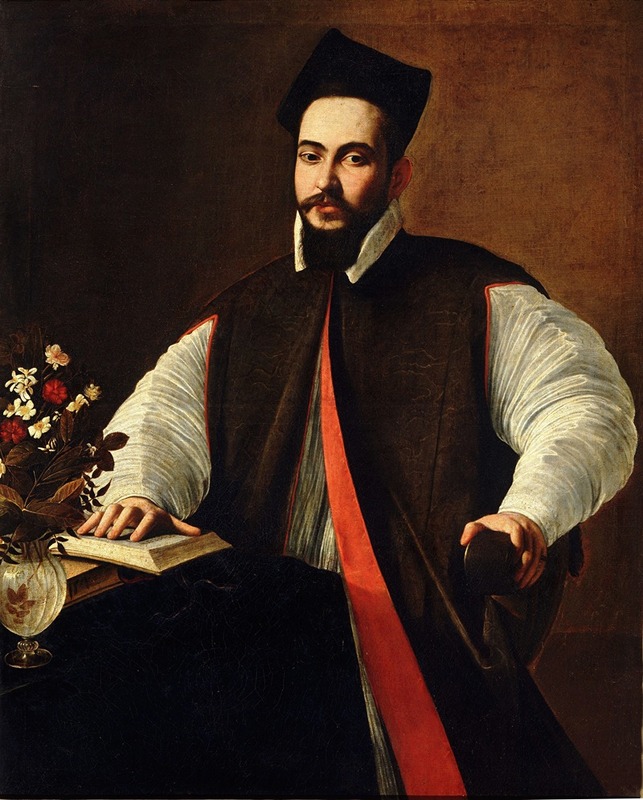
Portrait of Pope Urban VIII
Caravaggio
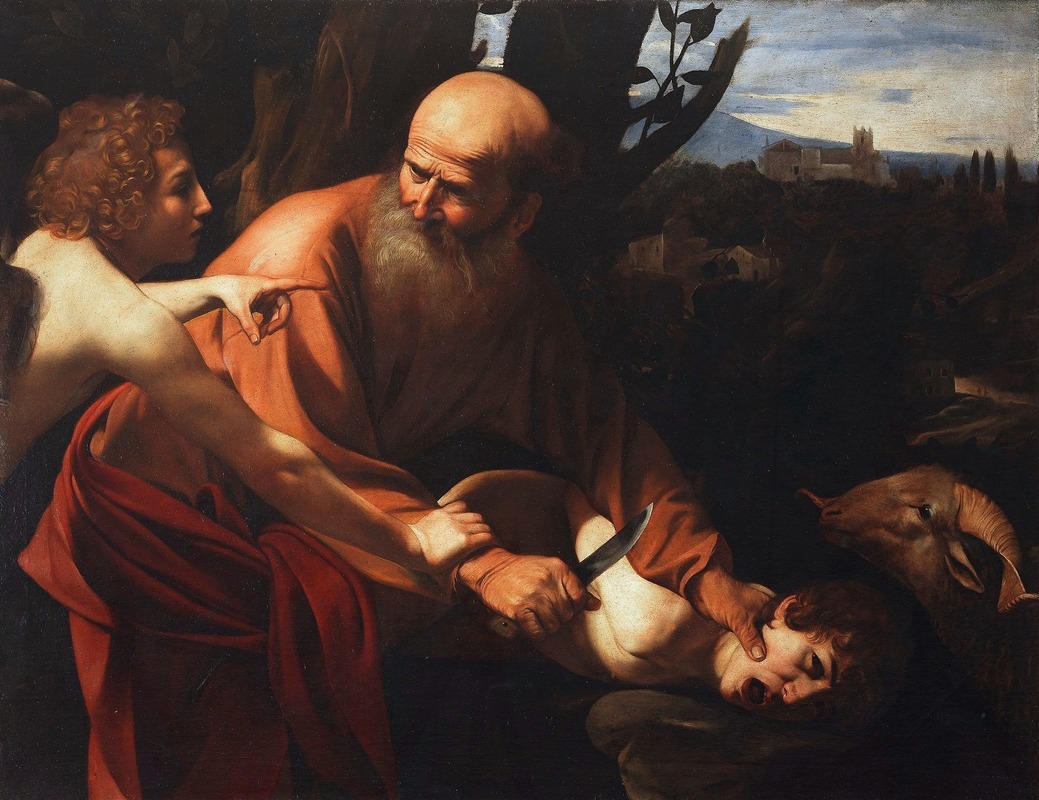
Sacrifice of Isaac
Caravaggio
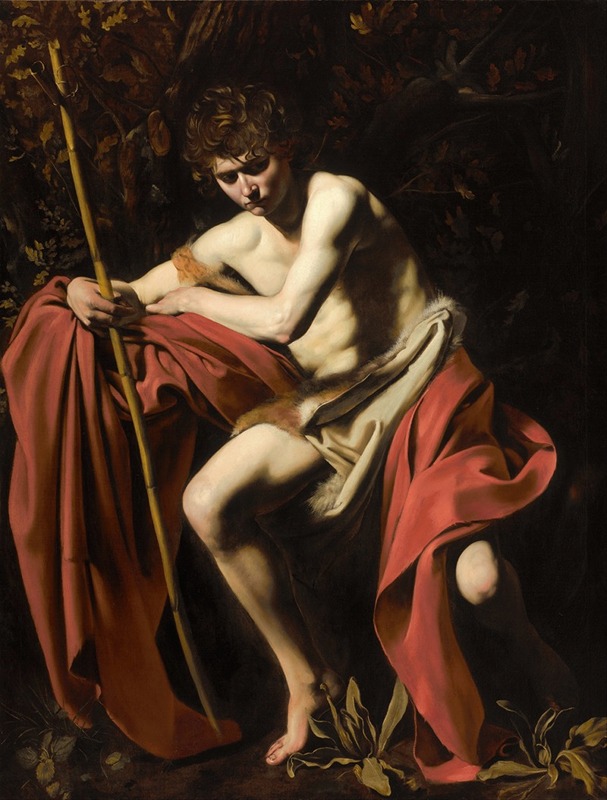
Saint John The Baptist In The Wilderness
Caravaggio
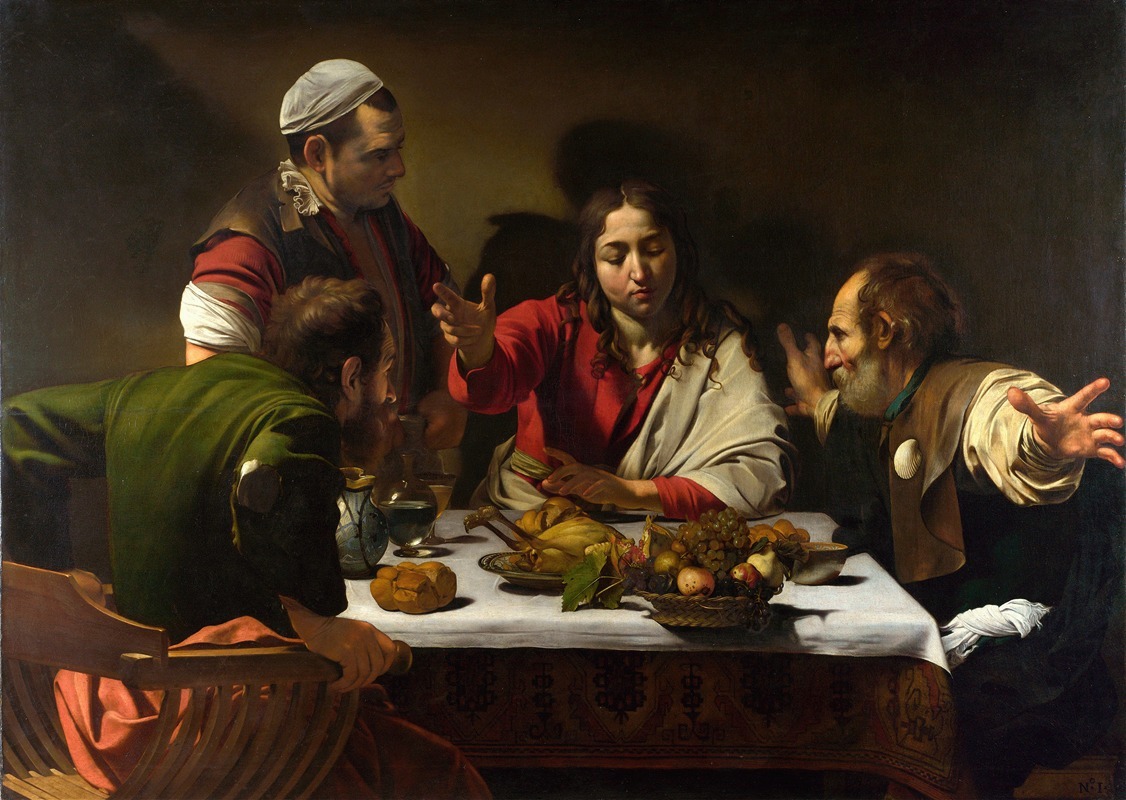
Supper at Emmaus
Caravaggio
The Conversion of Saint Paul
Caravaggio
The Denial of Saint Peter
Caravaggio