Discover insights about this artwork
Supper at Emmaus — History & Facts
In Supper at Emmaus, Caravaggio uses a rich palette of dark and light colors to create a dramatic scene. The figures are depicted with intense expressions, capturing the moment of recognition. The setting is a simple table with a few items, emphasizing the emotional weight of the moment.
The use of chiaroscuro highlights the central figures against the dark background. The painting is an oil on canvas, measuring approximately 140 x 196 cm. Caravaggio's technique involves a realistic portrayal of human figures and their emotions, which is characteristic of the Baroque style. The details in the clothing and the objects on the table are rendered with precision, inviting viewers to engage with the scene.
Light plays a crucial role in guiding the viewer's eye to the moment of revelation. Supper at Emmaus was painted around 1601, during a time when Caravaggio was gaining fame for his innovative approach to realism. This work depicts the moment when the resurrected Christ reveals his identity to two of his disciples. An interesting fact is that Caravaggio often used live models, including himself, to achieve lifelike representations.
This painting exemplifies his mastery of light and shadow, which became a hallmark of his style.
More Artworks by Caravaggio
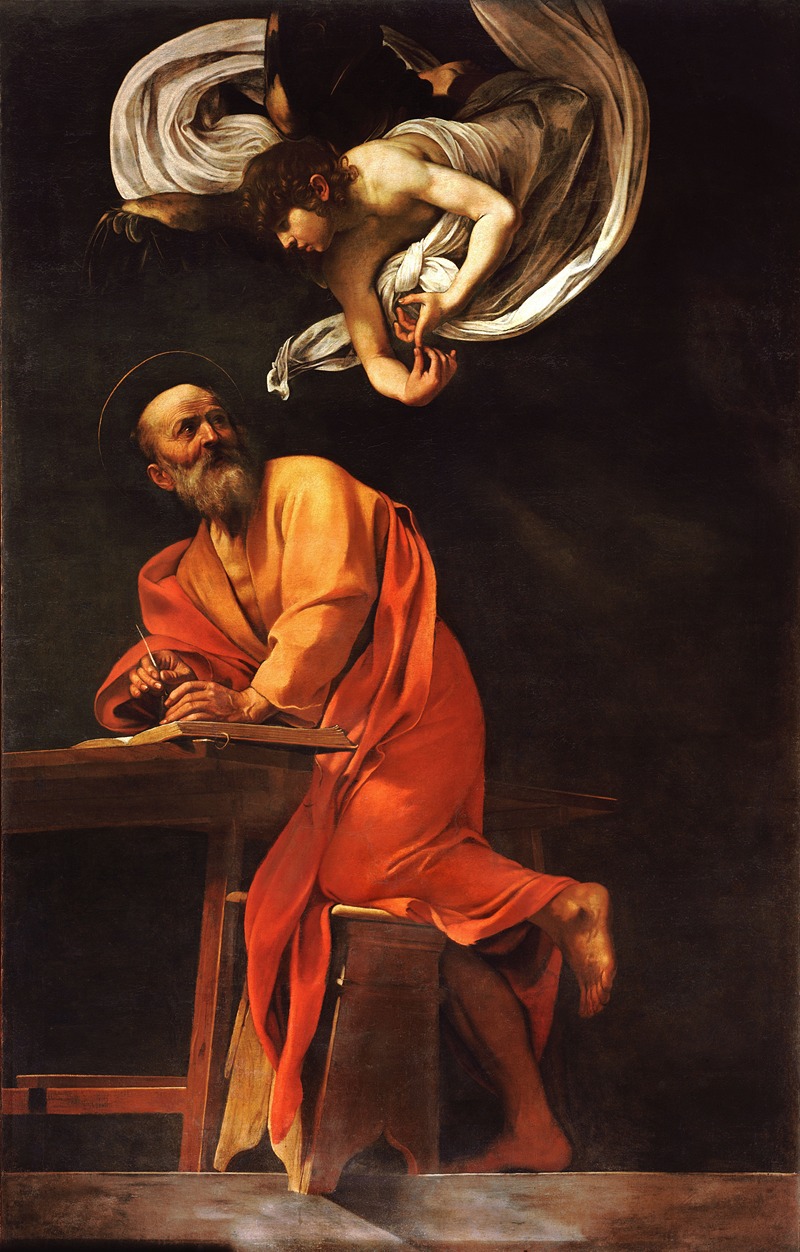
Saint Matthew and the angel
Caravaggio

Medusa
Caravaggio
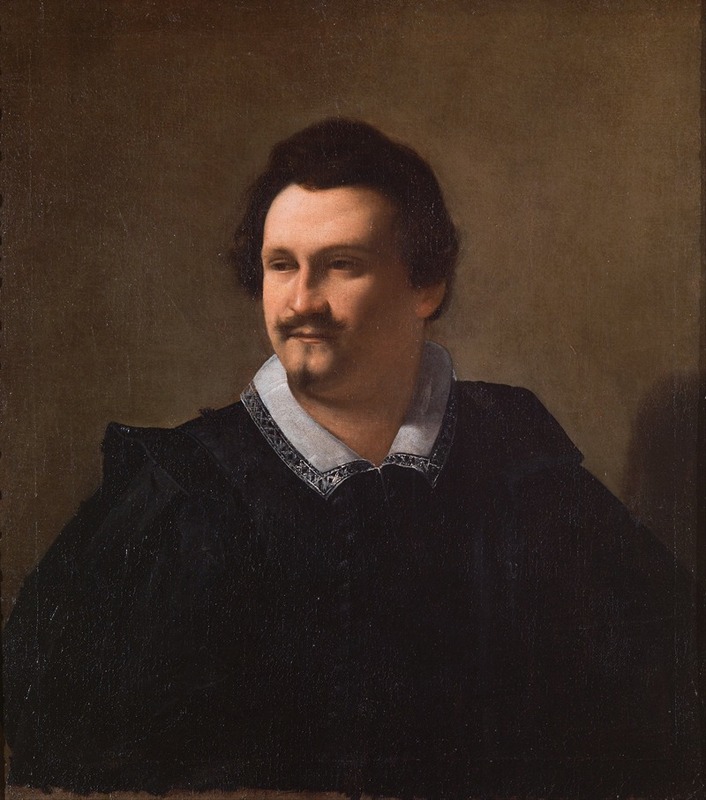
Portrait of a gentleman (Scipione Borghese)
Caravaggio
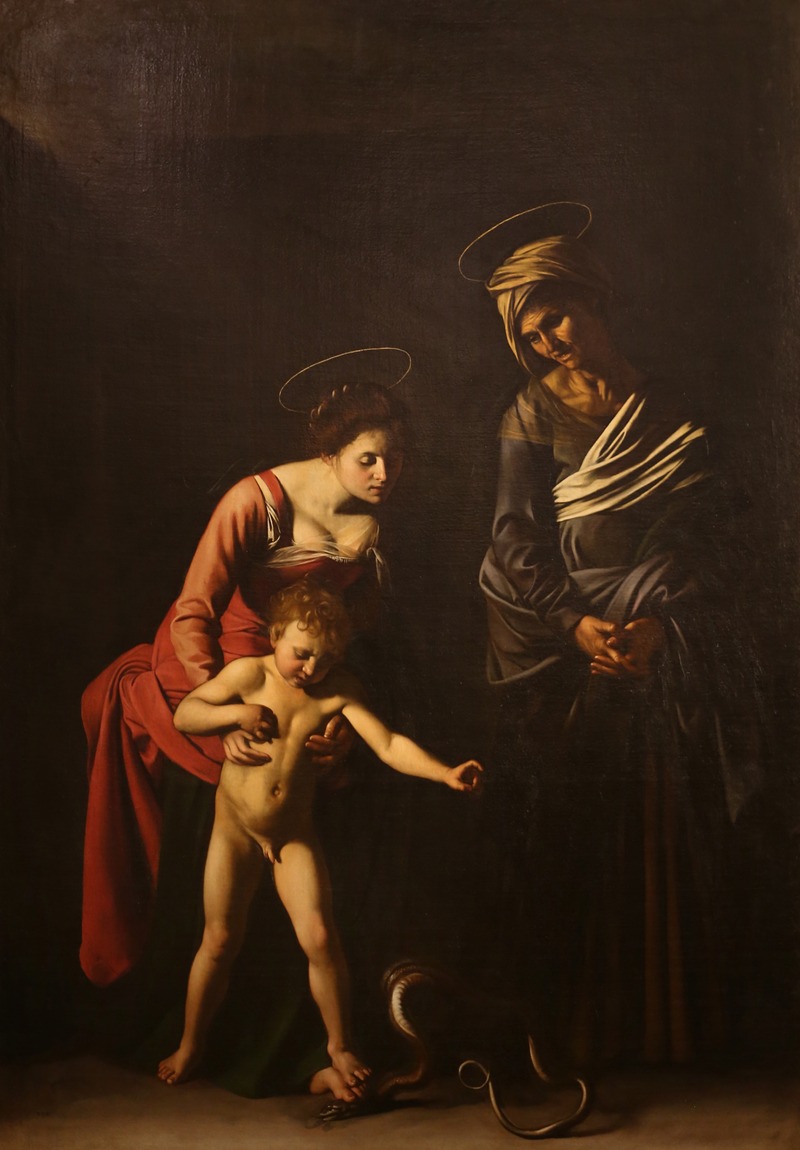
Madonna and Child with Saint Anne
Caravaggio
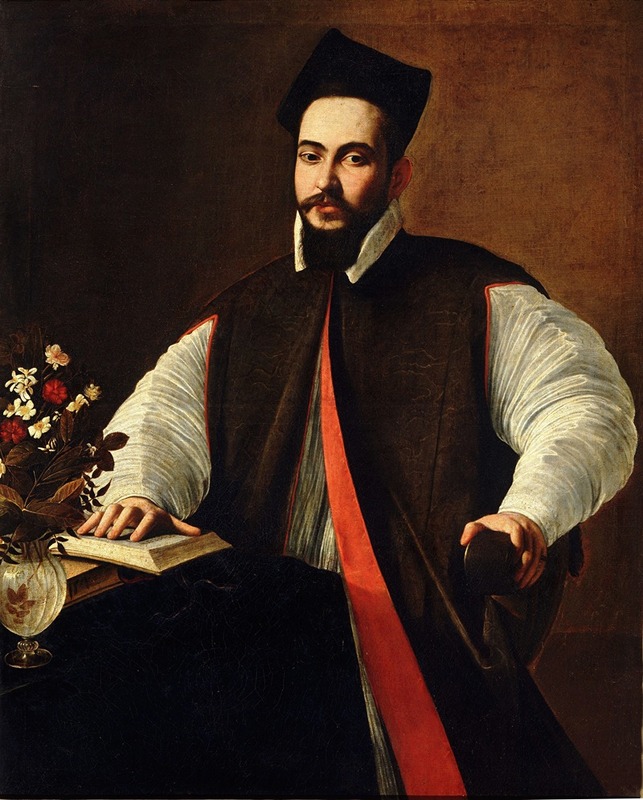
Portrait of Pope Urban VIII
Caravaggio
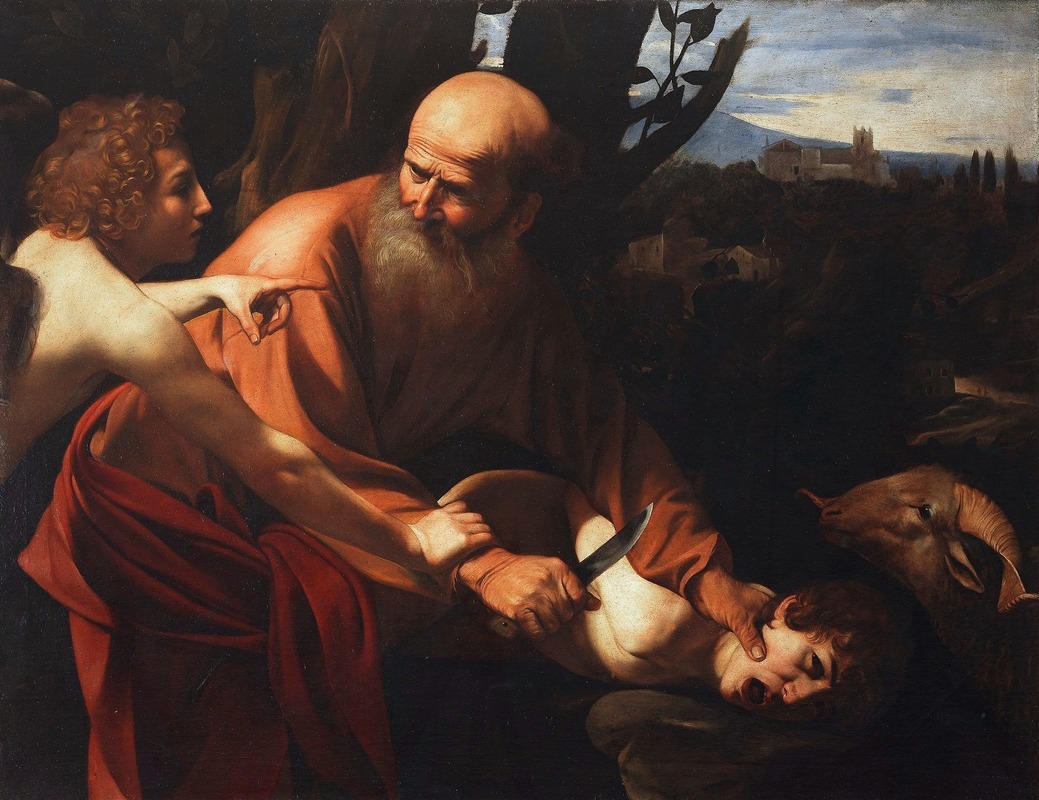
Sacrifice of Isaac
Caravaggio
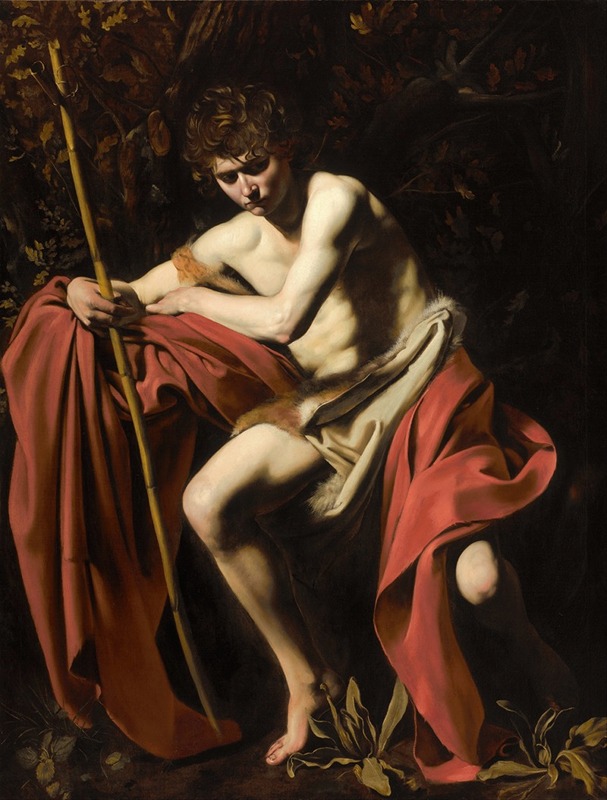
Saint John The Baptist In The Wilderness
Caravaggio
The Conversion of Saint Paul
Caravaggio
The Denial of Saint Peter
Caravaggio
The Entombment of Christ
Caravaggio