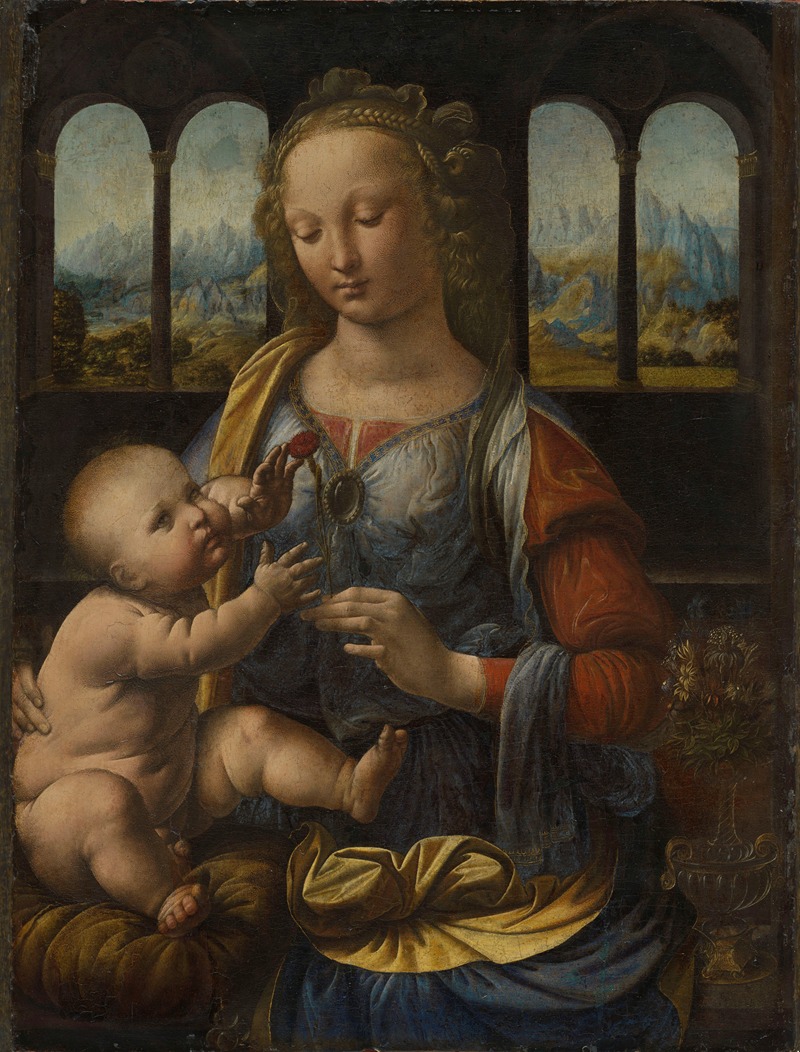
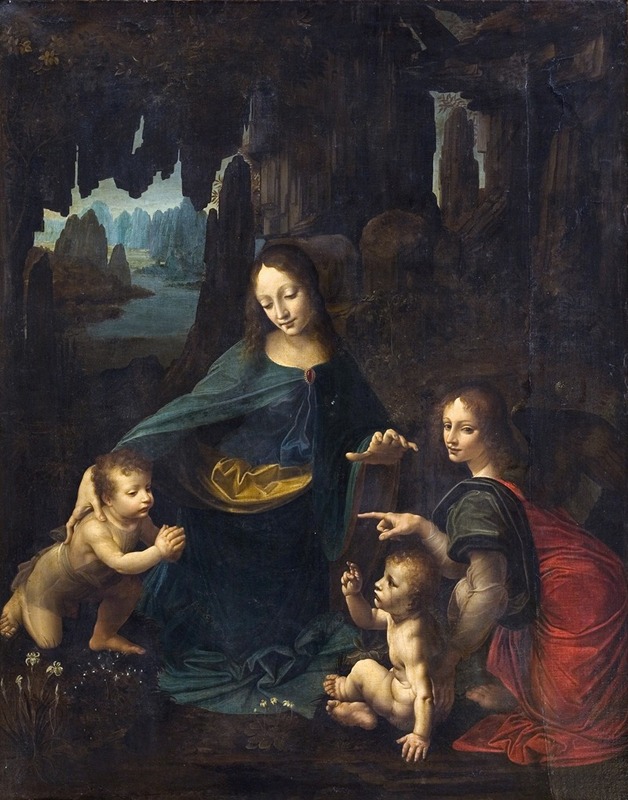
Discover insights about this artwork
The Conversion of Saint Paul — History & Facts
In The Conversion of Saint Paul, Caravaggio uses a dramatic interplay of light and shadow to depict the moment of Saint Paul's conversion. The painting features a powerful contrast between the dark background and the bright light that illuminates Saint Paul. He is shown falling from his horse, surrounded by startled figures who witness the event.
The colors are rich and deep, with a predominance of browns, reds, and golds that enhance the emotional intensity. This painting measures approximately 230 x 175 cm and is executed in oil on canvas. Caravaggio employs his signature chiaroscuro technique, which emphasizes the three-dimensionality of the figures and creates a sense of movement. The composition is dynamic, with Saint Paul's body positioned diagonally, drawing the viewer's eye across the canvas.
The detailed rendering of the figures showcases Caravaggio's skill in capturing human emotion. Caravaggio created this work around 1601, during a time when he was gaining recognition for his innovative approach to religious subjects. This painting is significant not only for its dramatic portrayal of the biblical moment but also for its influence on Baroque art. Interestingly, The Conversion of Saint Paul was commissioned for the Cerasi Chapel in Santa Maria del Popolo in Rome, where it remains a highlight of the collection.
The work exemplifies Caravaggio's ability to blend realism with spirituality.
More Artworks by Caravaggio
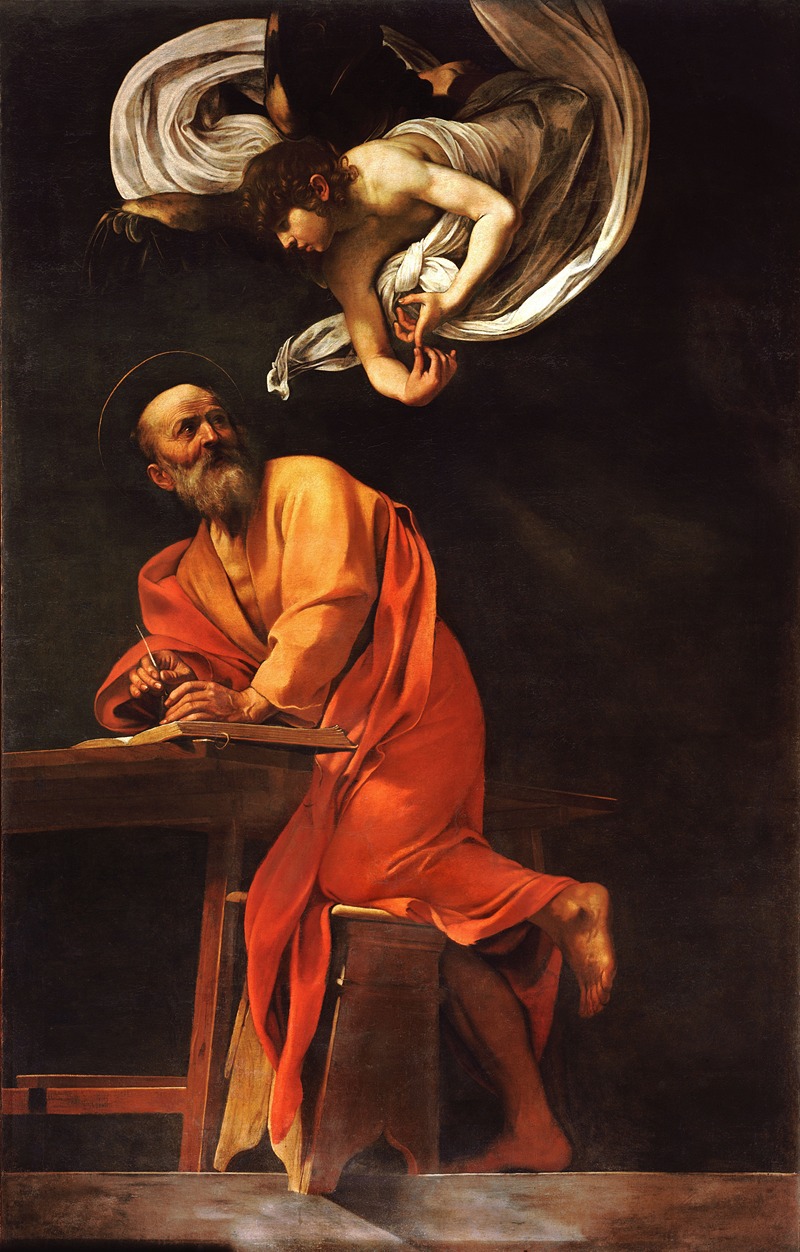
Saint Matthew and the angel
Caravaggio

Medusa
Caravaggio
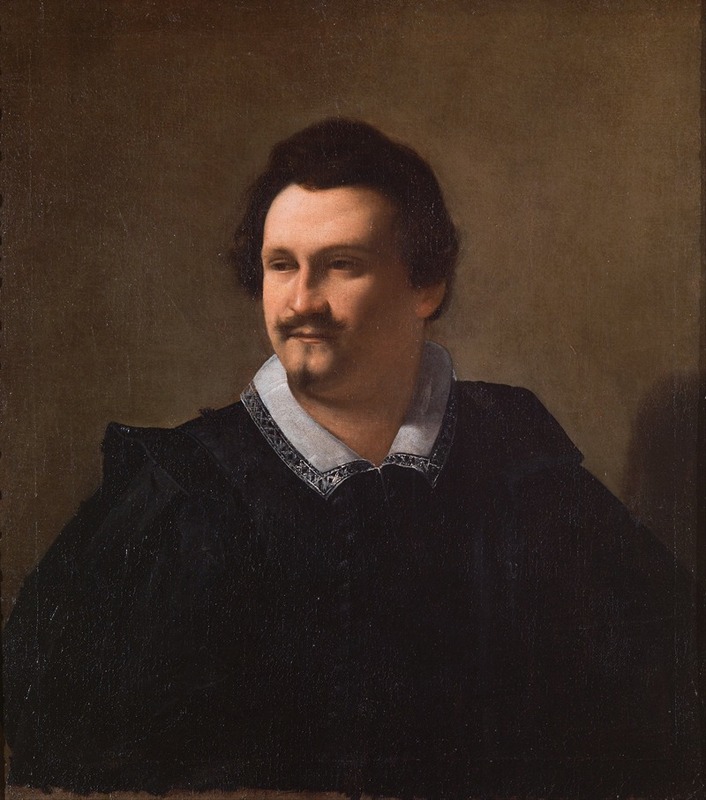
Portrait of a gentleman (Scipione Borghese)
Caravaggio
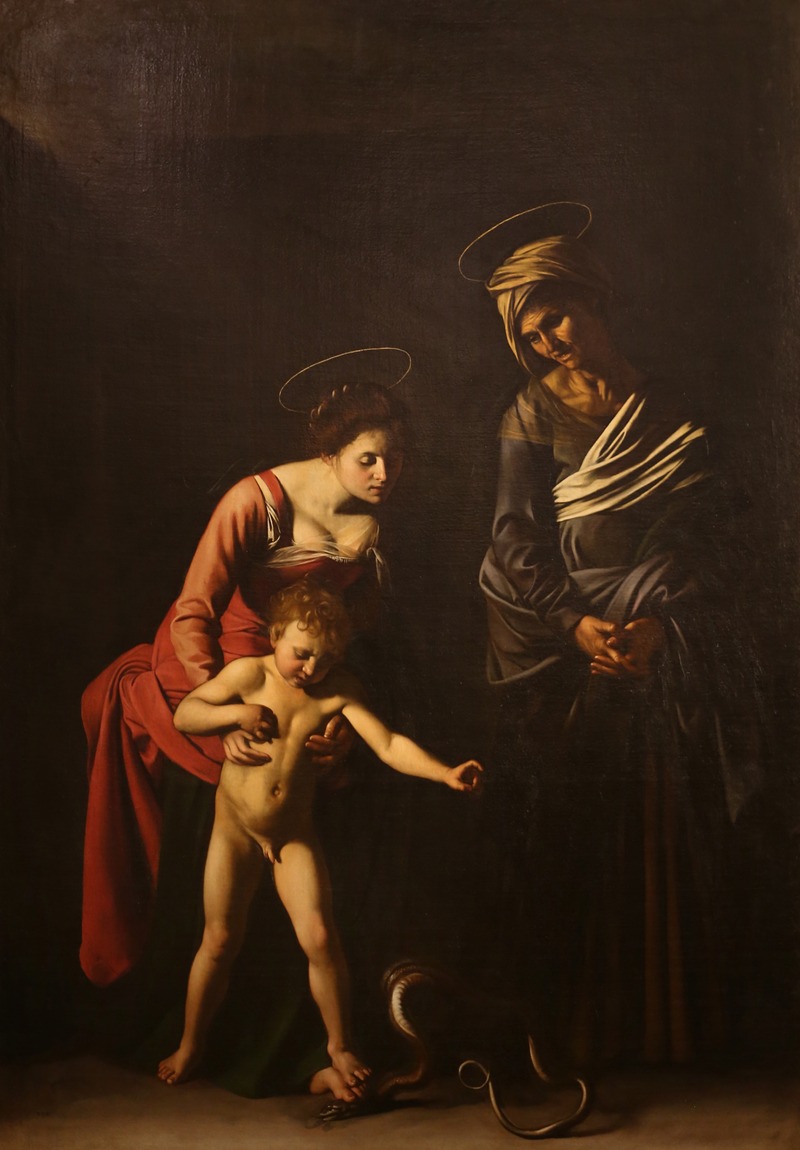
Madonna and Child with Saint Anne
Caravaggio
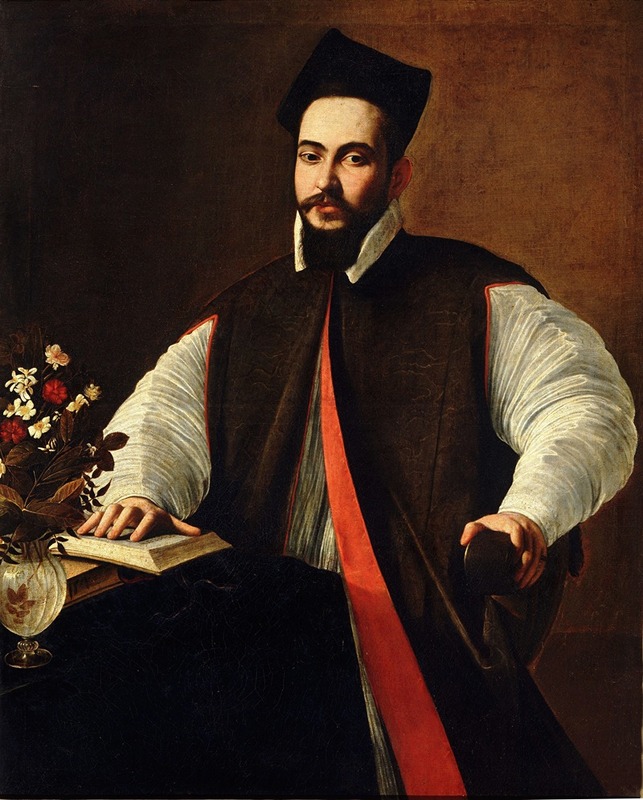
Portrait of Pope Urban VIII
Caravaggio
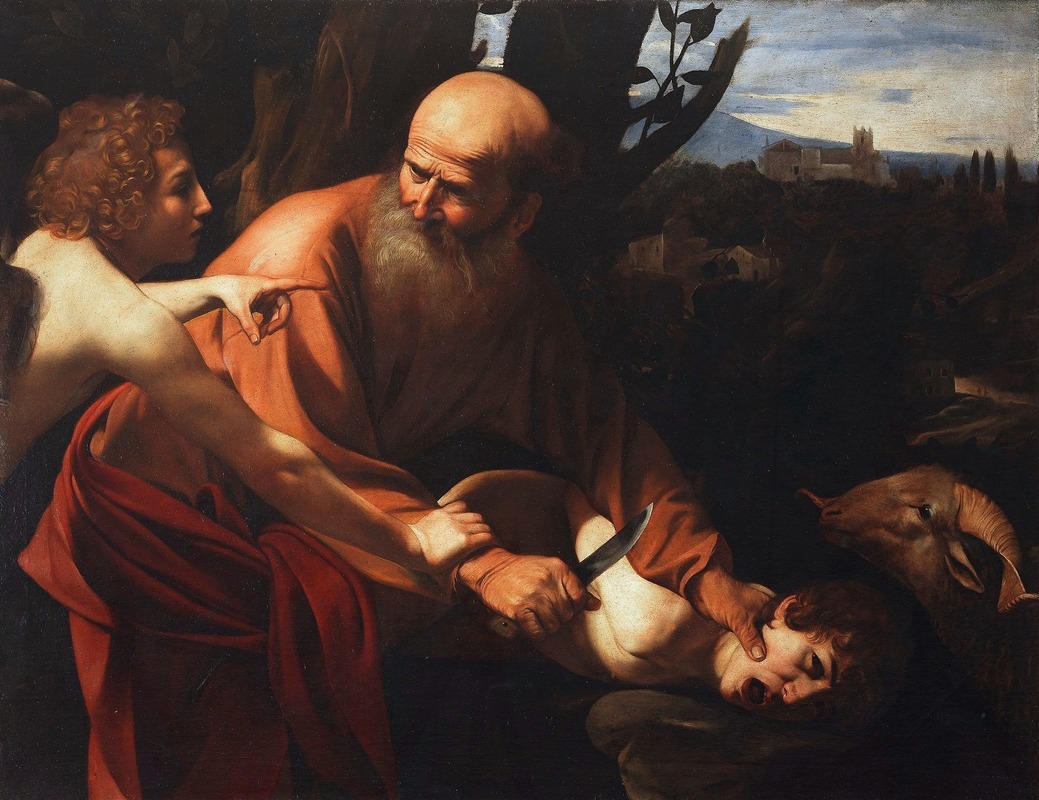
Sacrifice of Isaac
Caravaggio
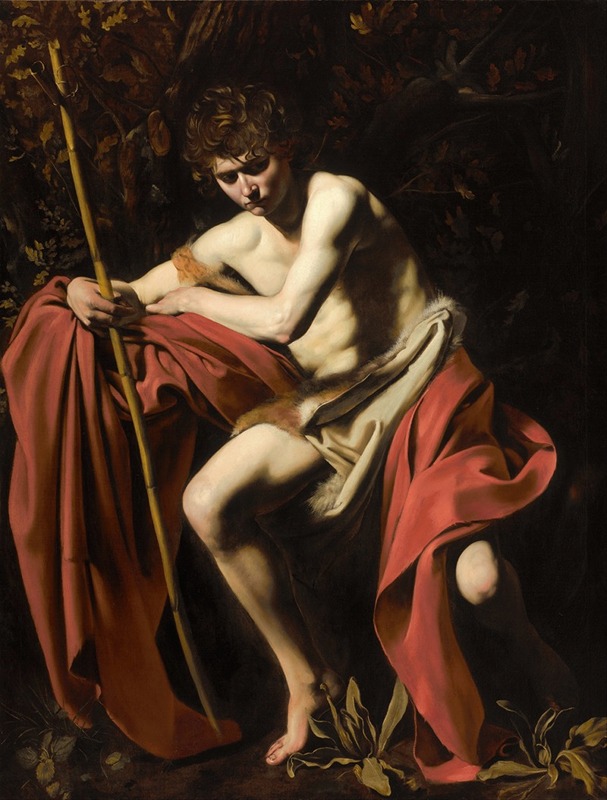
Saint John The Baptist In The Wilderness
Caravaggio
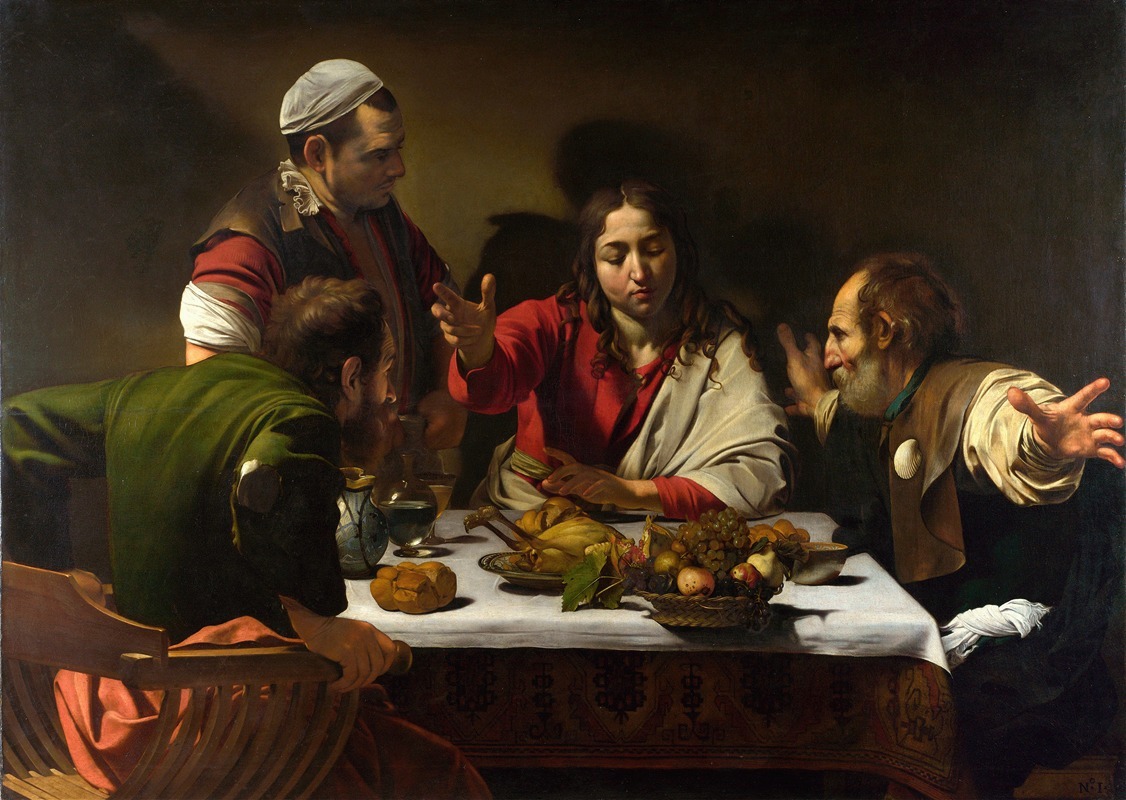
Supper at Emmaus
Caravaggio
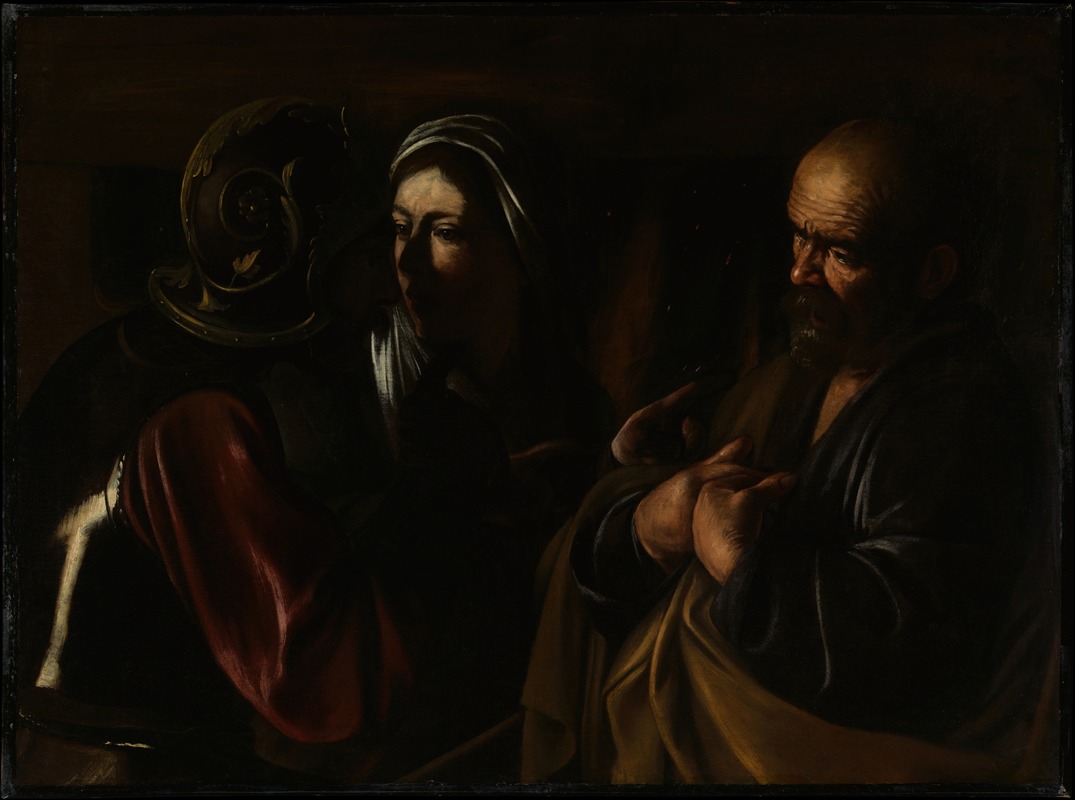
The Denial of Saint Peter
Caravaggio
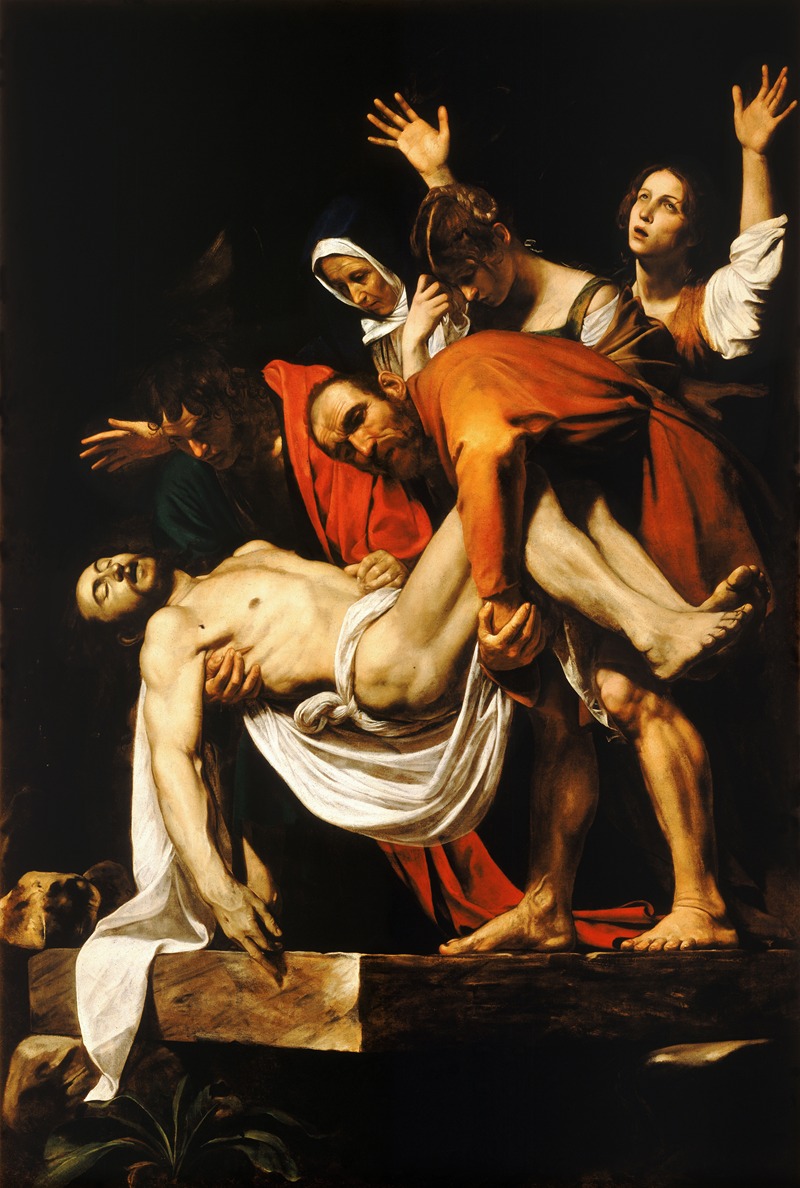
The Entombment of Christ
Caravaggio