Discover insights about this artwork
Saint Matthew and the angel — History & Facts
In Saint Matthew and the angel, Caravaggio presents a striking scene filled with rich colors and dramatic contrasts. The painting features Saint Matthew, who appears to be in a moment of divine inspiration, seated with an angel beside him. The deep shadows and warm light create a sense of intimacy and focus on the figures.
The angel, with a gentle expression, gestures towards Matthew, guiding him in his writing. The painting is executed in oil on canvas, a common medium for Caravaggio that allows for vivid color and detail. The dimensions are approximately 290 x 200 cm, making it a large work that commands attention. The use of chiaroscuro, a hallmark of Caravaggio's style, enhances the three-dimensionality of the figures.
Viewers can appreciate the meticulous attention to detail in the textures of the clothing and the expressions of the figures. Caravaggio painted Saint Matthew and the angel around 1602, during a time when he was gaining recognition for his innovative approach to religious themes. This work was commissioned for the Contarelli Chapel in Rome, reflecting the Counter-Reformation's emphasis on personal connection to faith. An interesting fact about this painting is that it was initially rejected by the church for its unconventional portrayal of the saint.
However, it later became one of Caravaggio's most celebrated works.
More Artworks by Caravaggio

Medusa
Caravaggio
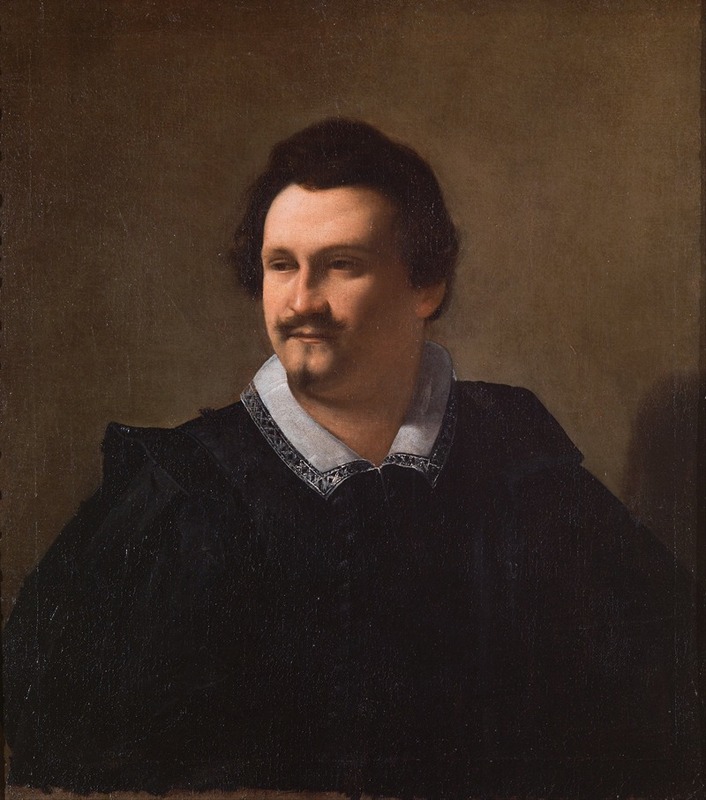
Portrait of a gentleman (Scipione Borghese)
Caravaggio
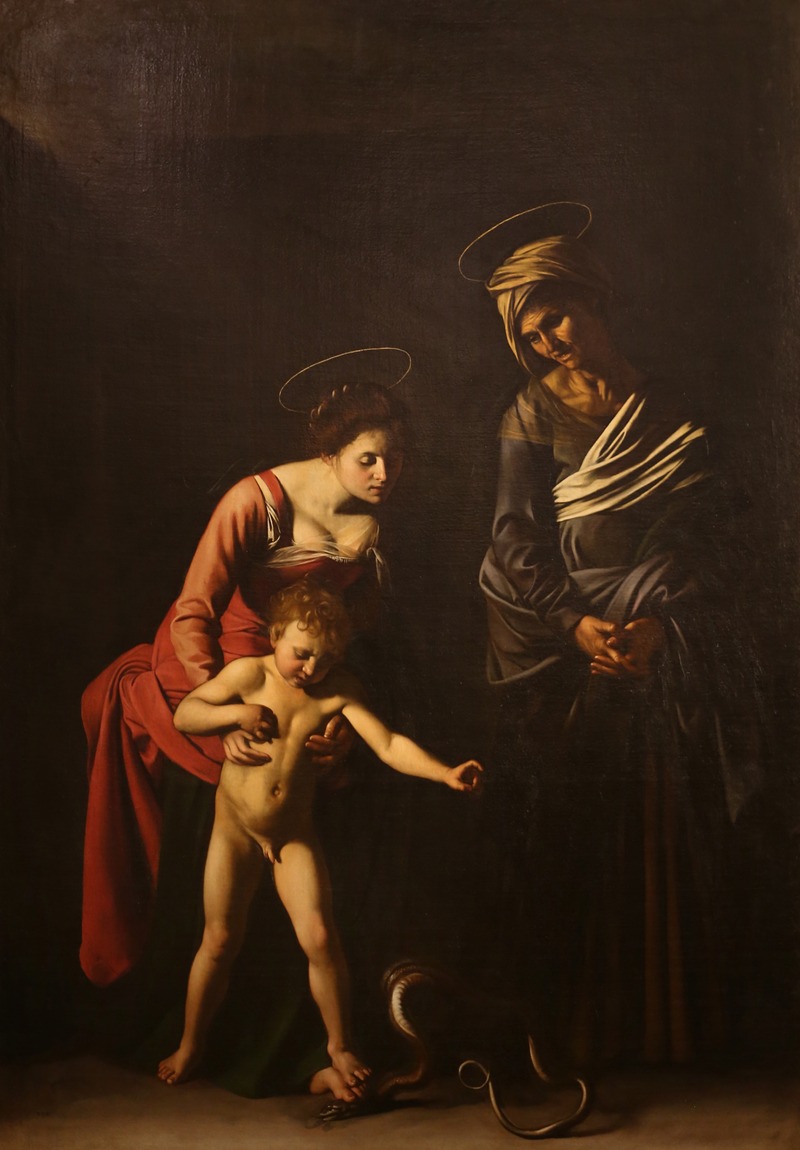
Madonna and Child with Saint Anne
Caravaggio
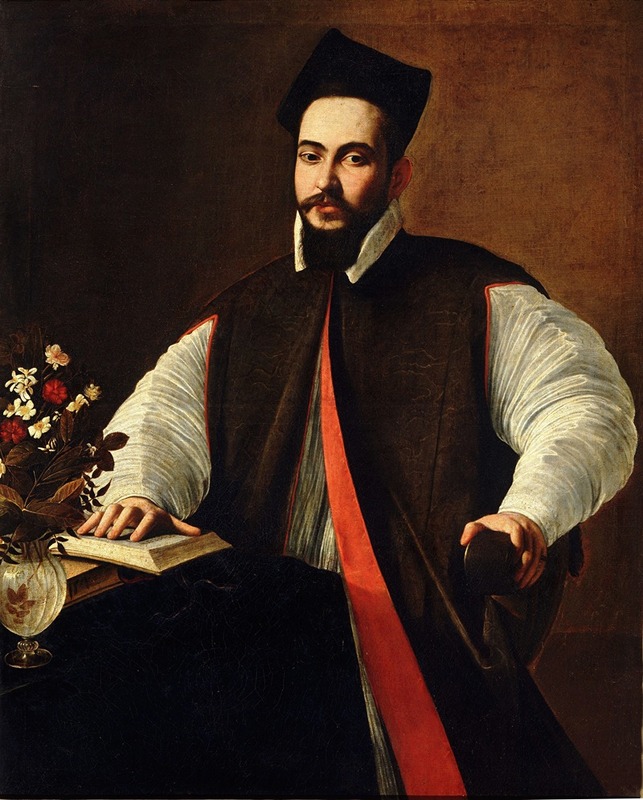
Portrait of Pope Urban VIII
Caravaggio
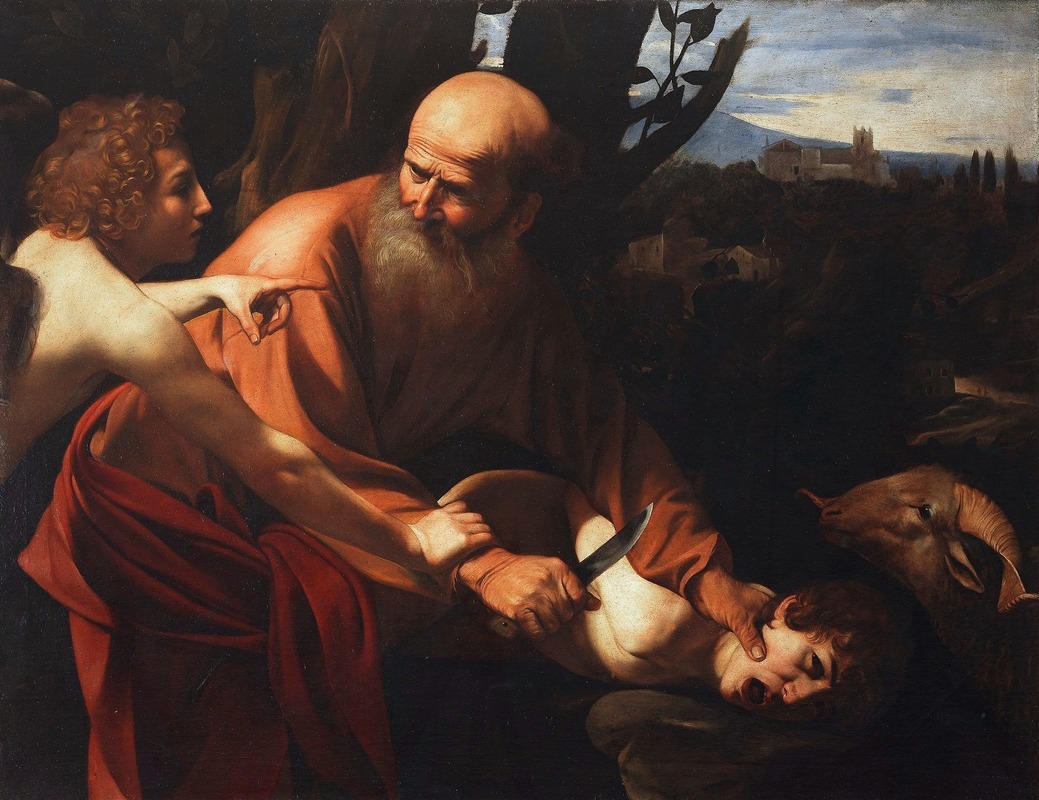
Sacrifice of Isaac
Caravaggio
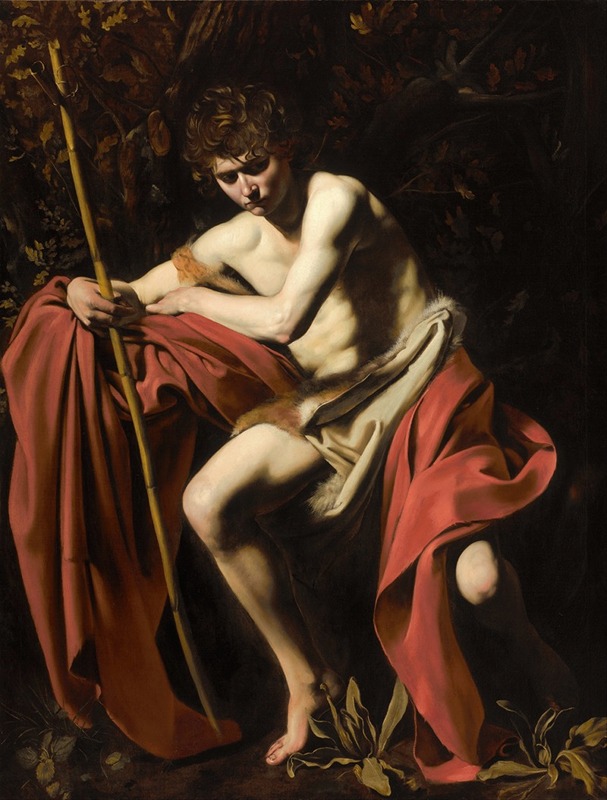
Saint John The Baptist In The Wilderness
Caravaggio
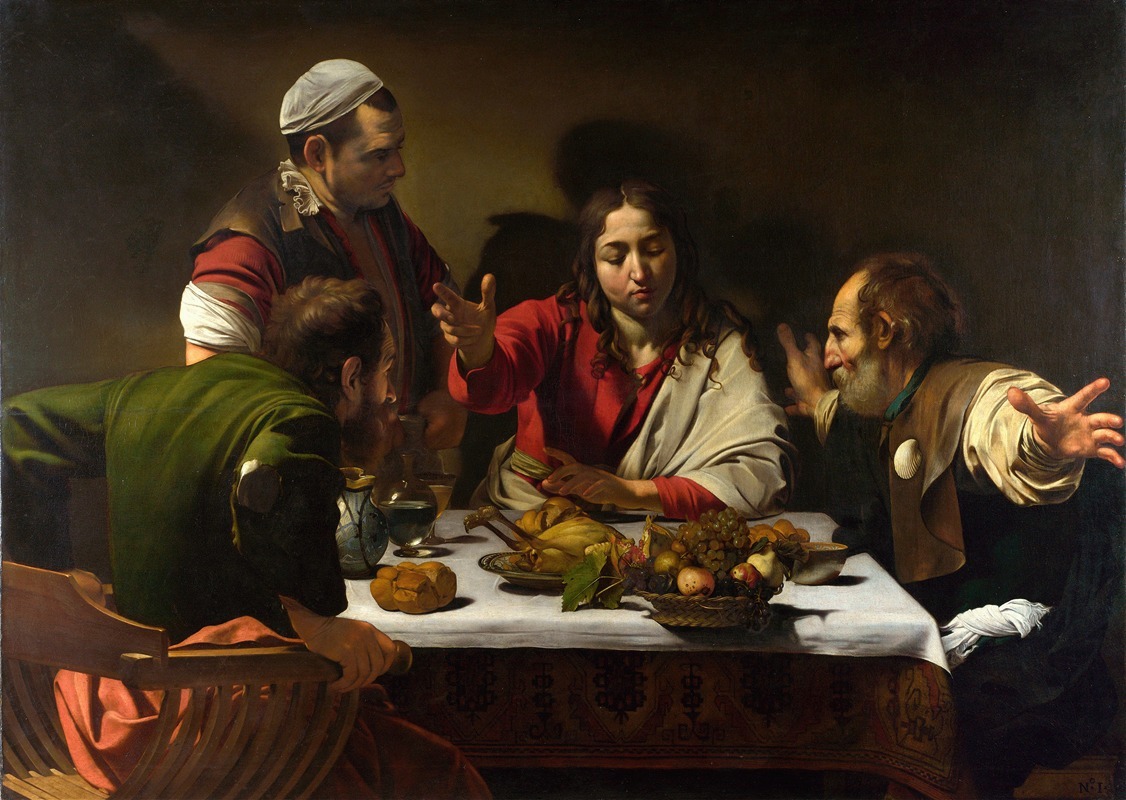
Supper at Emmaus
Caravaggio
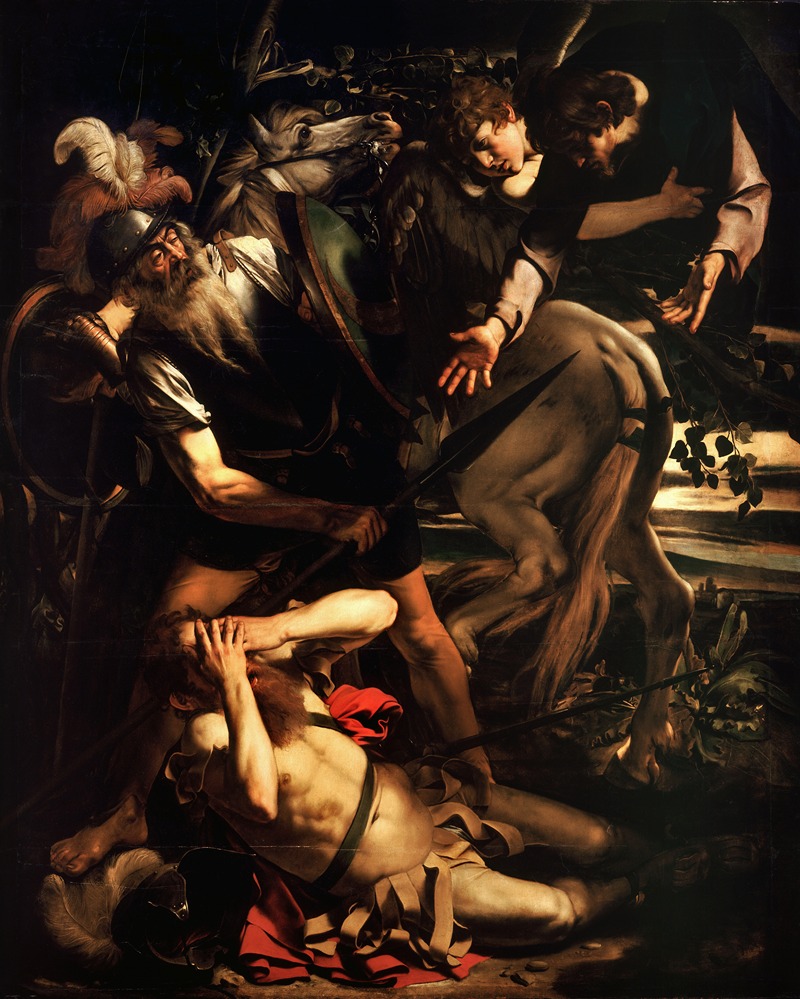
The Conversion of Saint Paul
Caravaggio
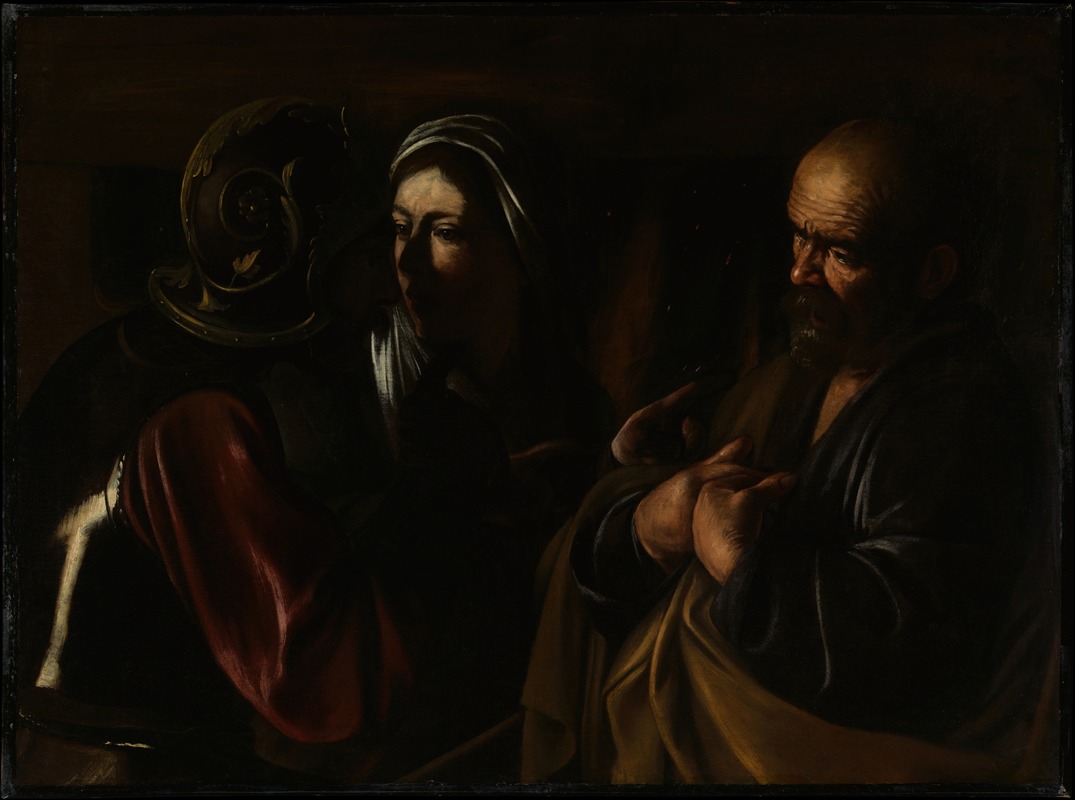
The Denial of Saint Peter
Caravaggio
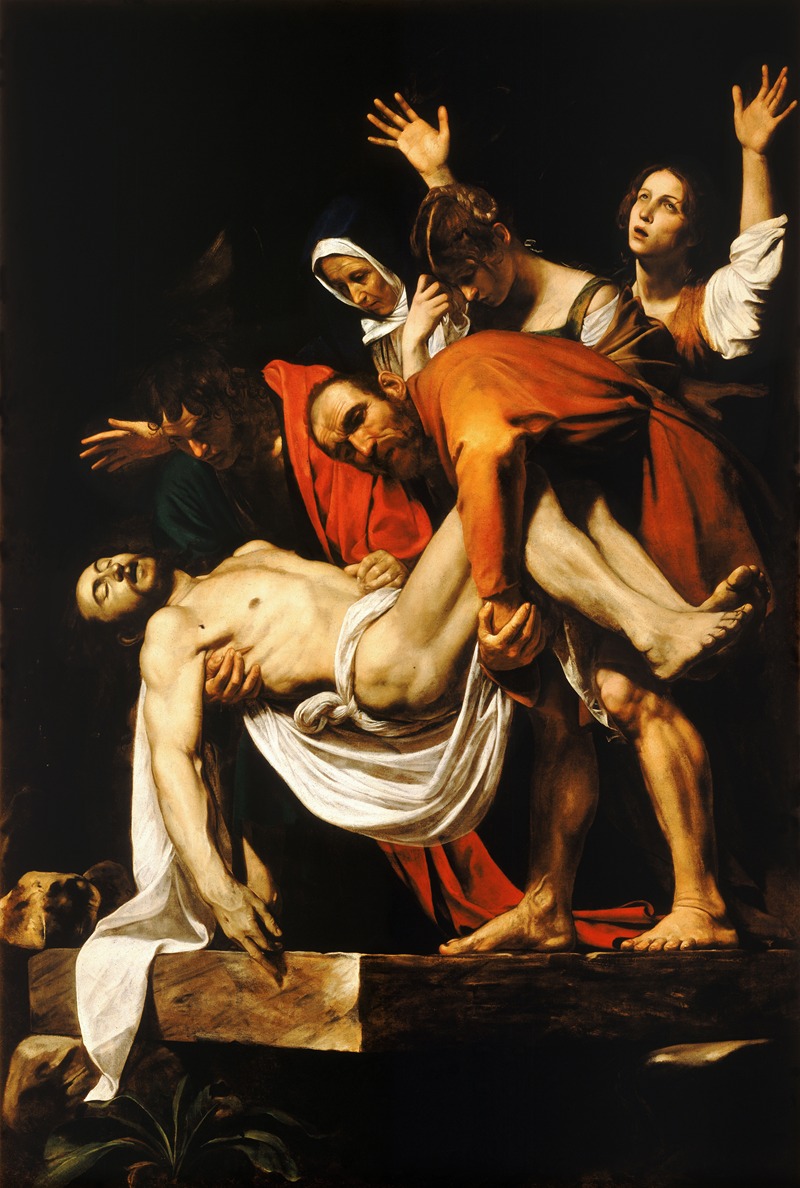
The Entombment of Christ
Caravaggio