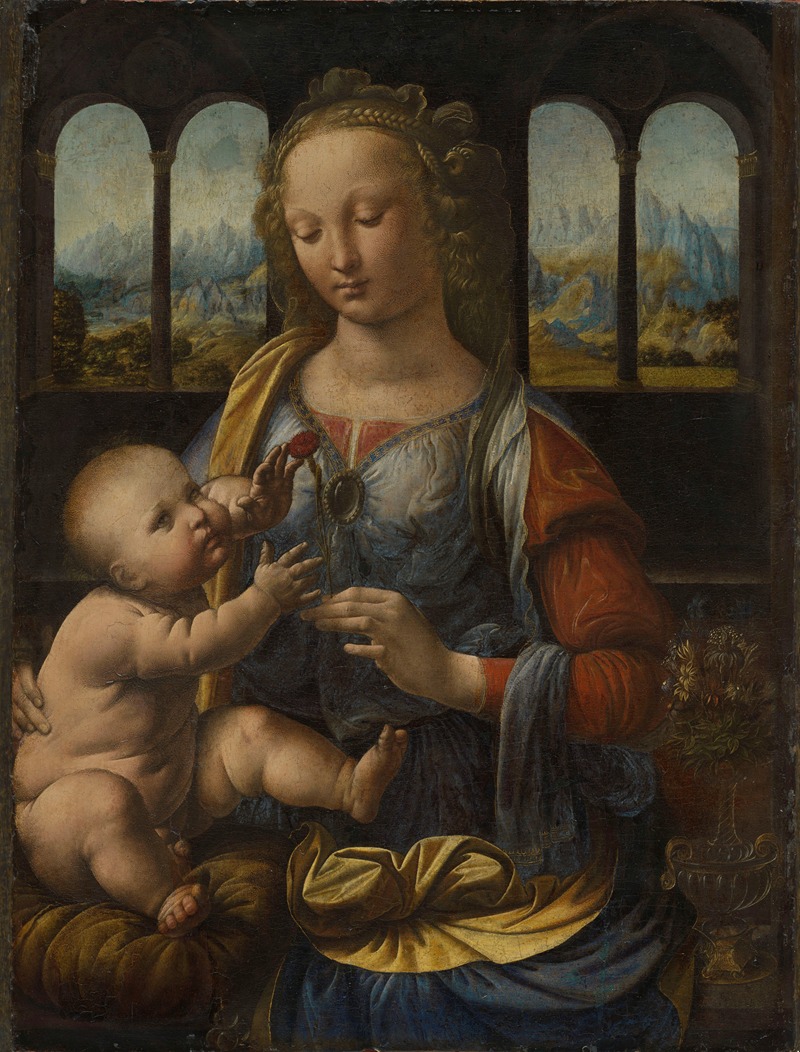
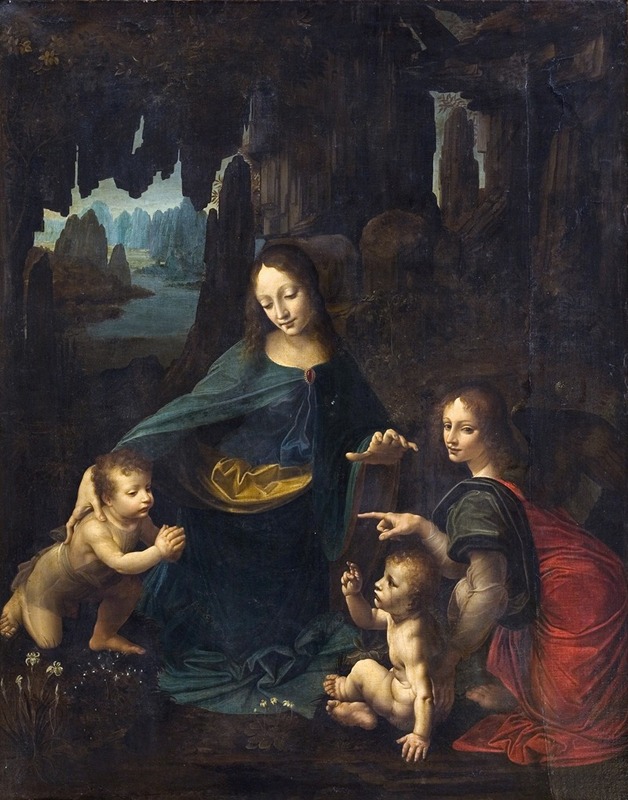
Discover insights about this artwork
The Denial of Saint Peter — History & Facts
In The Denial of Saint Peter, Caravaggio uses dark tones and dramatic lighting to highlight the central figures. Saint Peter is depicted in a moment of denial, his expression a mix of fear and confusion. The surrounding figures, cloaked in shadow, create a tense atmosphere that amplifies the emotional weight of the scene.
The use of chiaroscuro is prominent, emphasizing the contrast between light and dark. The painting is executed in oil on canvas, a common medium for Caravaggio's works. It measures approximately 100 x 130 cm, making it a significant piece in size. The composition draws the viewer's eye to the interaction between Saint Peter and the accuser, creating a focal point of tension.
Caravaggio's signature style is evident in the realistic portrayal of the figures and the dramatic use of light. Caravaggio, a key figure in the Baroque movement, was known for his realistic and emotional approach to religious subjects. The Denial of Saint Peter is one of his later works, painted around 1610, just before his death. An interesting fact about this painting is that it reflects Caravaggio's own struggles with faith and redemption, making it a deeply personal work.
The painting was commissioned for a chapel in Rome, emphasizing its significance in the context of the Counter-Reformation.
More Artworks by Caravaggio
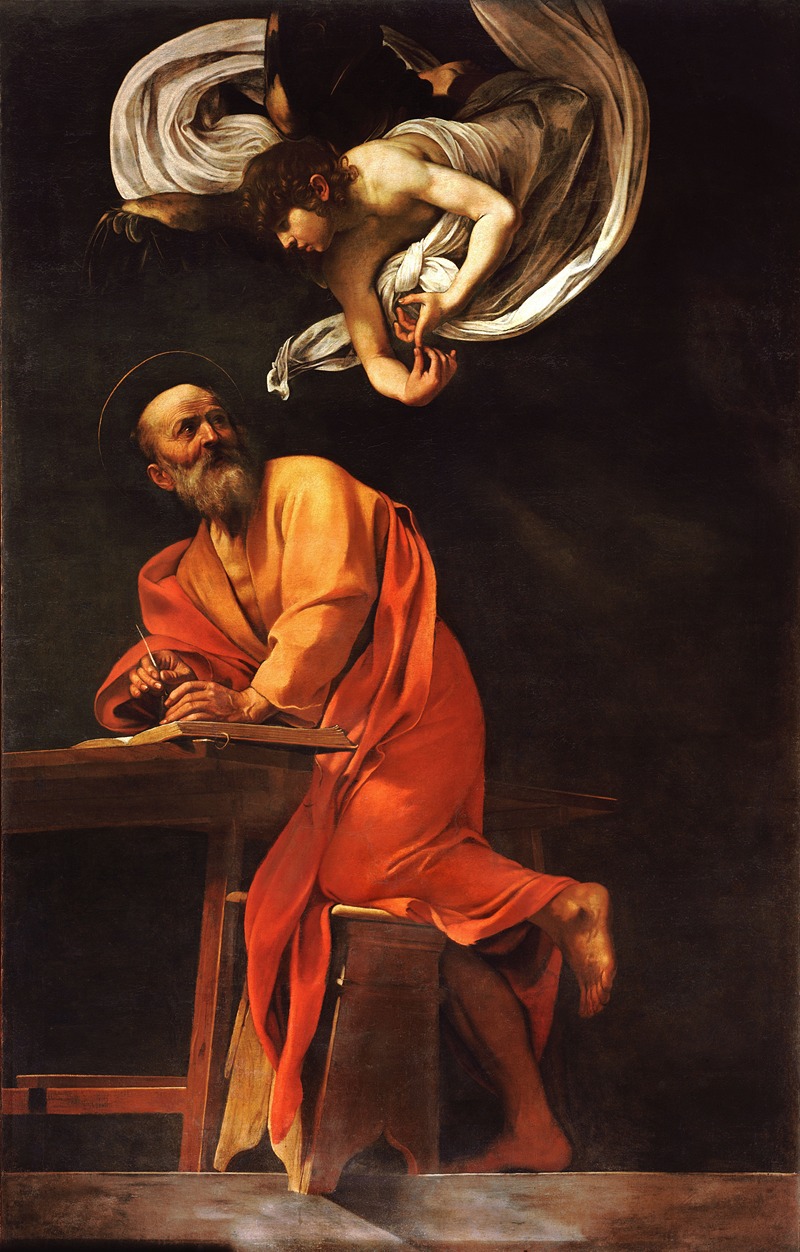
Saint Matthew and the angel
Caravaggio

Medusa
Caravaggio
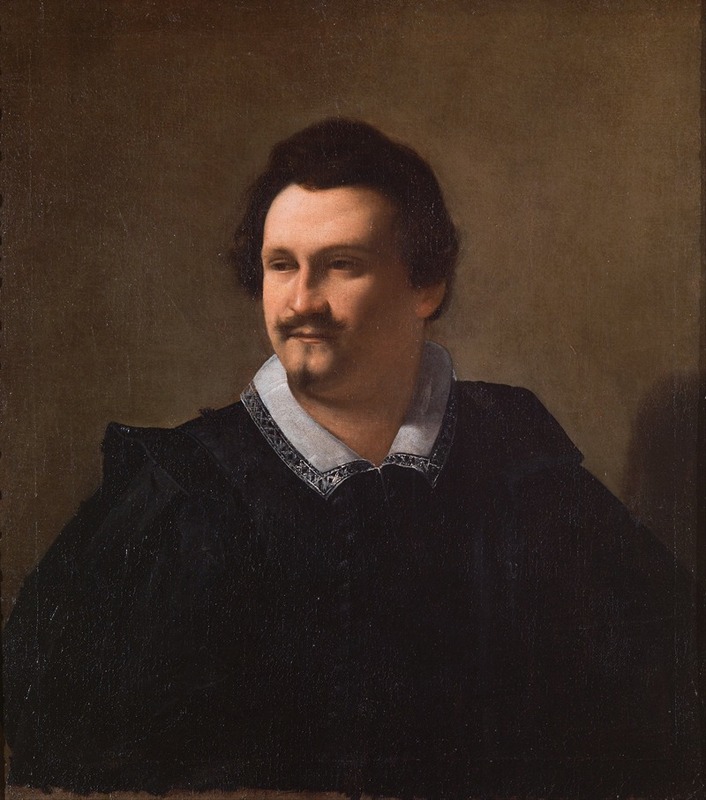
Portrait of a gentleman (Scipione Borghese)
Caravaggio
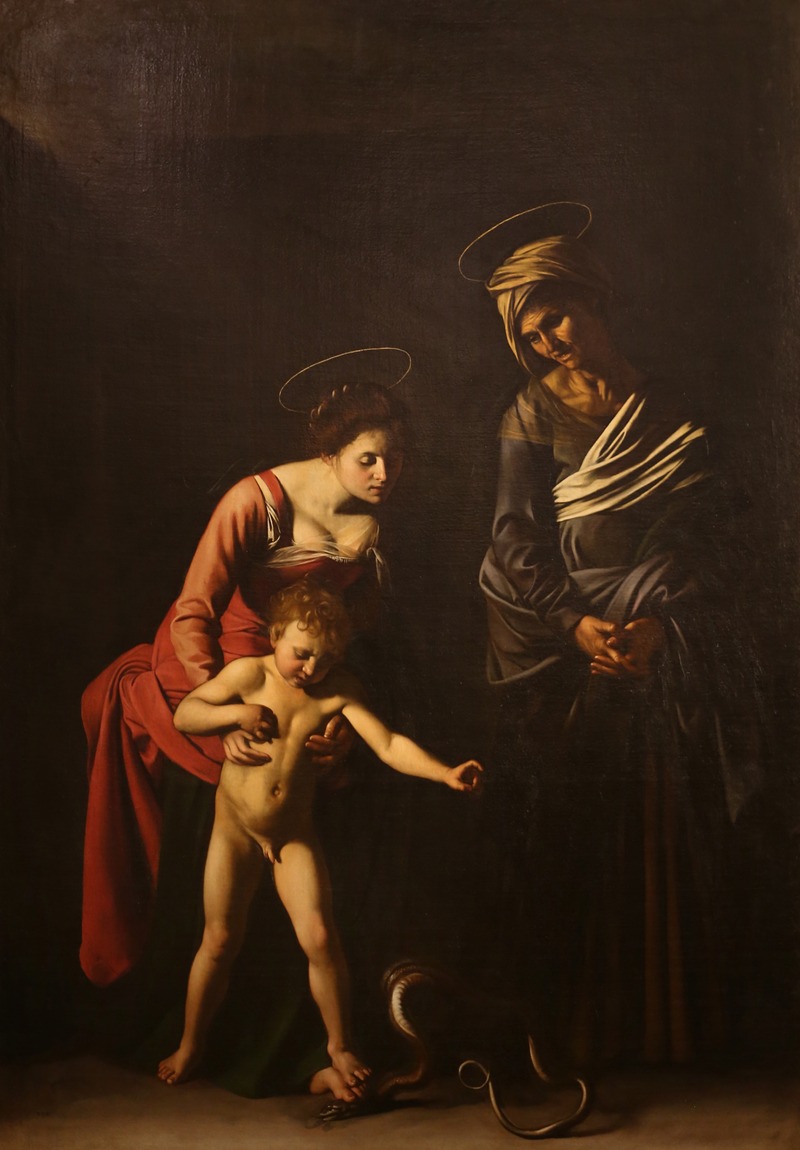
Madonna and Child with Saint Anne
Caravaggio
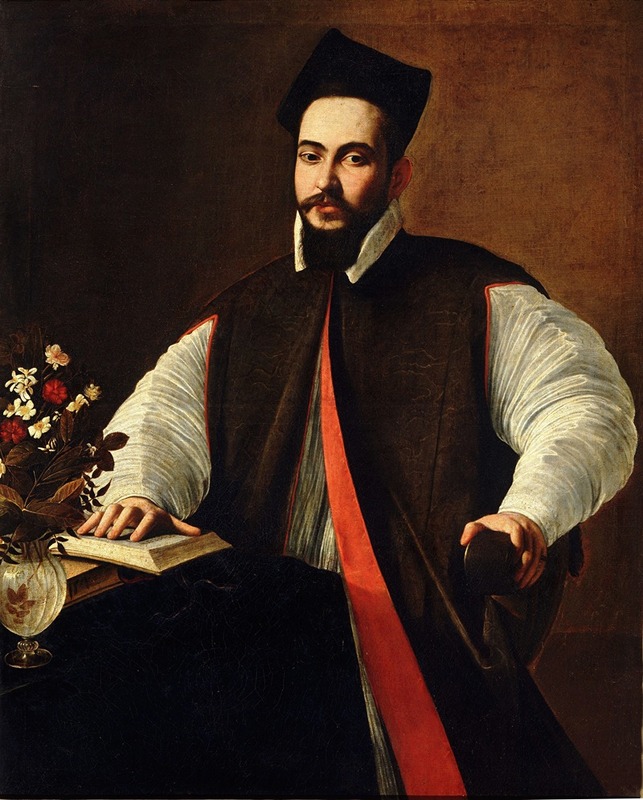
Portrait of Pope Urban VIII
Caravaggio
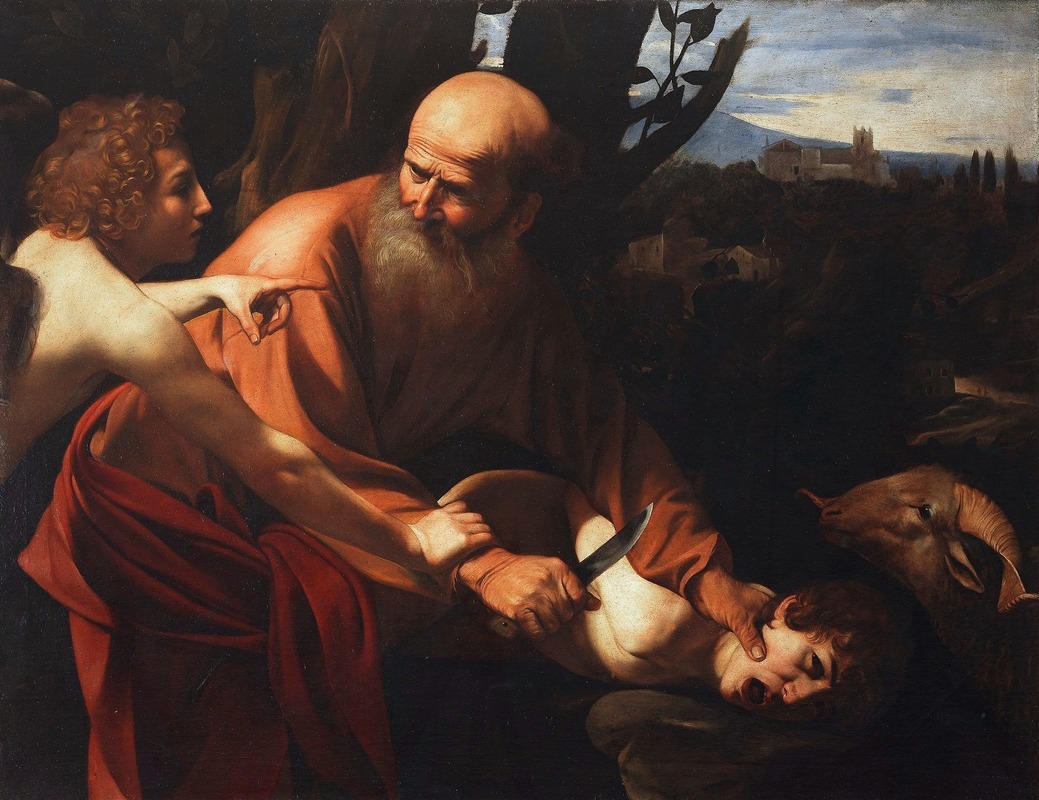
Sacrifice of Isaac
Caravaggio
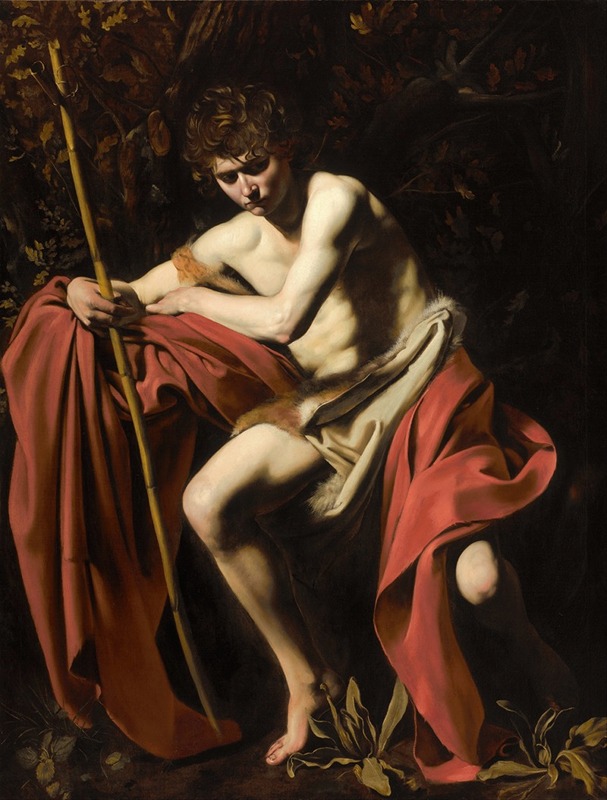
Saint John The Baptist In The Wilderness
Caravaggio
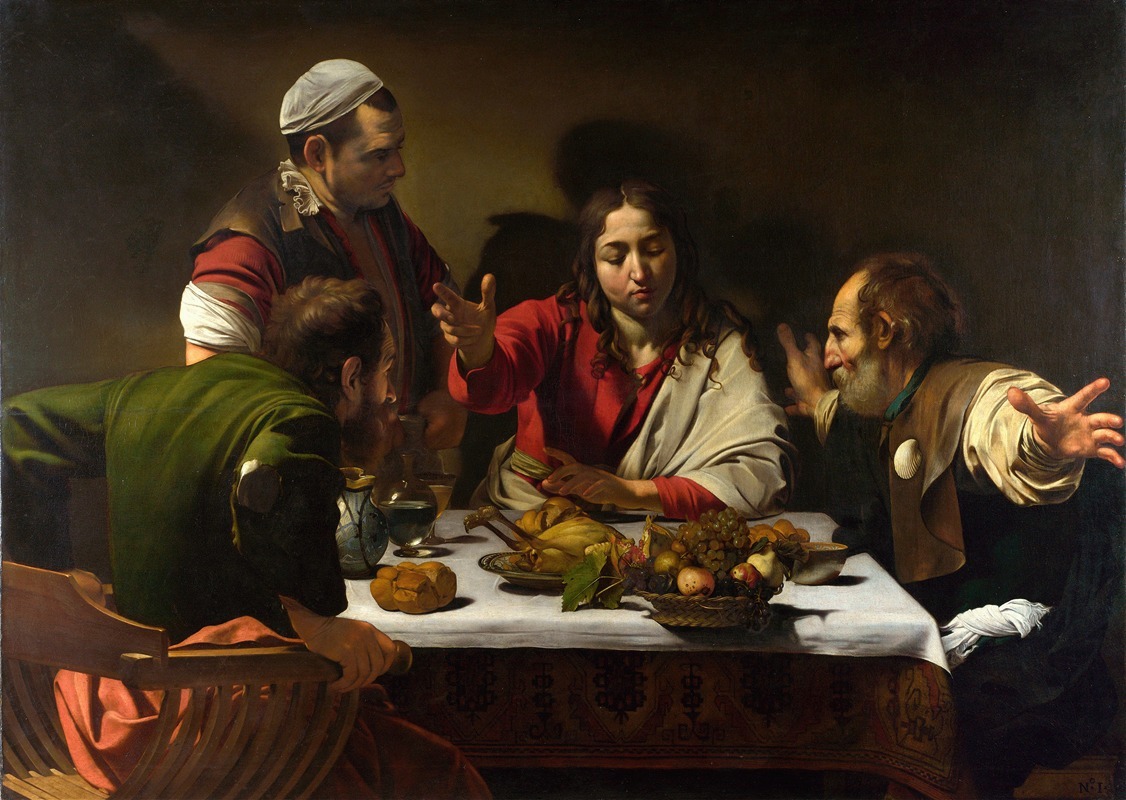
Supper at Emmaus
Caravaggio
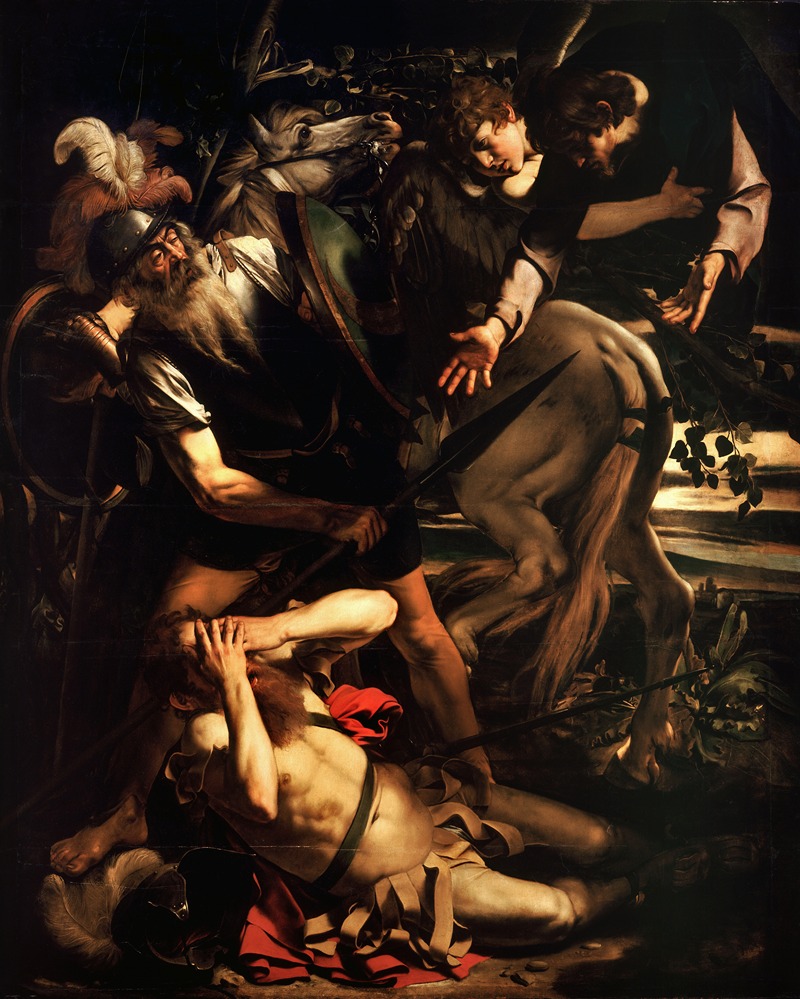
The Conversion of Saint Paul
Caravaggio
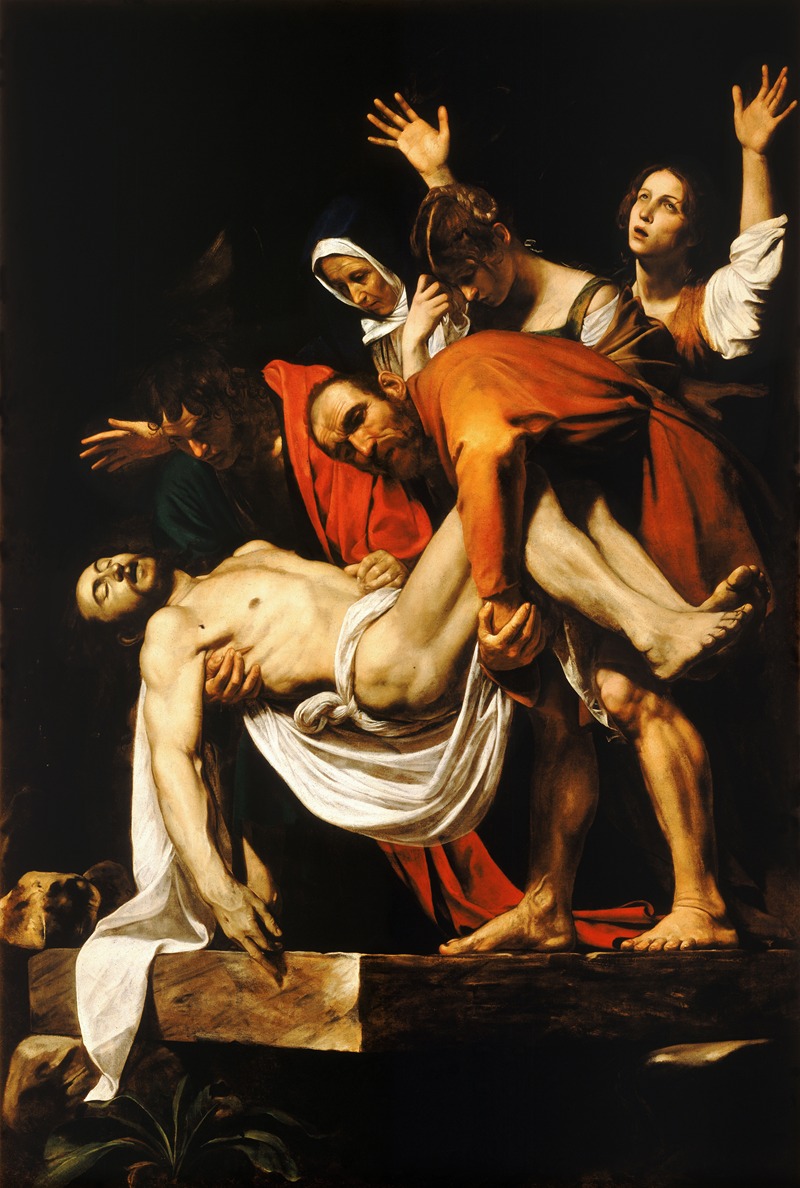
The Entombment of Christ
Caravaggio