
The four times of day- Night — History & Facts
In the shadows of twilight, innocence drapes itself across a tranquil landscape, whispering secrets of the unseen. The hush of the night envelops the scene, inviting introspection and contemplation, where the stillness speaks volumes of unsaid thoughts and hidden truths. Look to the left at the delicate interplay of light and darkness, where the dying embers of the day surrender to the night’s embrace. The palette is rich with deep blues and subtle grays, infused with glimmers of silver that dance upon the water’s surface, reflecting the quietude of the moon.
The intricate details of the figures, silhouetted against the melancholic sky, emphasize the contrast between the vibrancy of day and the hushed serenity that night brings. In this quiet moment, the juxtaposition of shadow and light evokes a profound sense of innocence, as if the very fabric of night offers a sanctuary for reflection and vulnerability. The solitary boat, adrift on still waters, symbolizes a journey into the depths of the self, while the distant horizon hints at uncharted possibilities. The painting suggests that within the silence of night, there lies an opportunity for self-discovery—as though innocence is not simply a state of being, but a journey through darkness toward understanding. In 1757, Vernet painted this piece during a time when the Rococo style was fading, and Neoclassicism was emerging.
Living in France, he was at the center of an artistic shift where emotional depth began to take precedence over frivolity. This work reflects his ability to capture the delicate balance between nature and human experience, intertwining the innocence of solitude with the allure of nature’s mystery.
More Artworks by Claude-Joseph Vernet
Browse all →
An Italian Harbour in Stormy Weather
Claude-Joseph Vernet
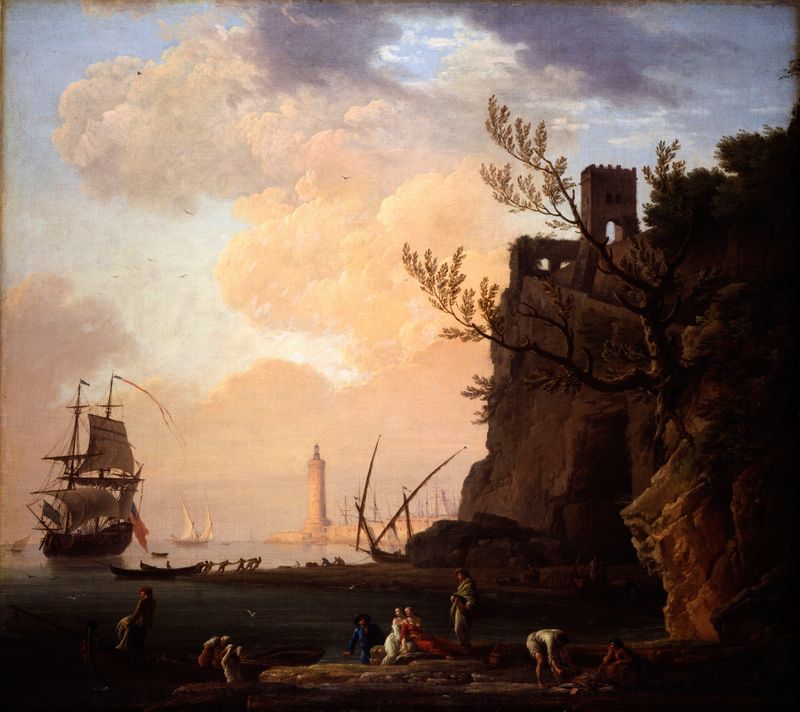
An Italianate Harbour Scene
Claude-Joseph Vernet
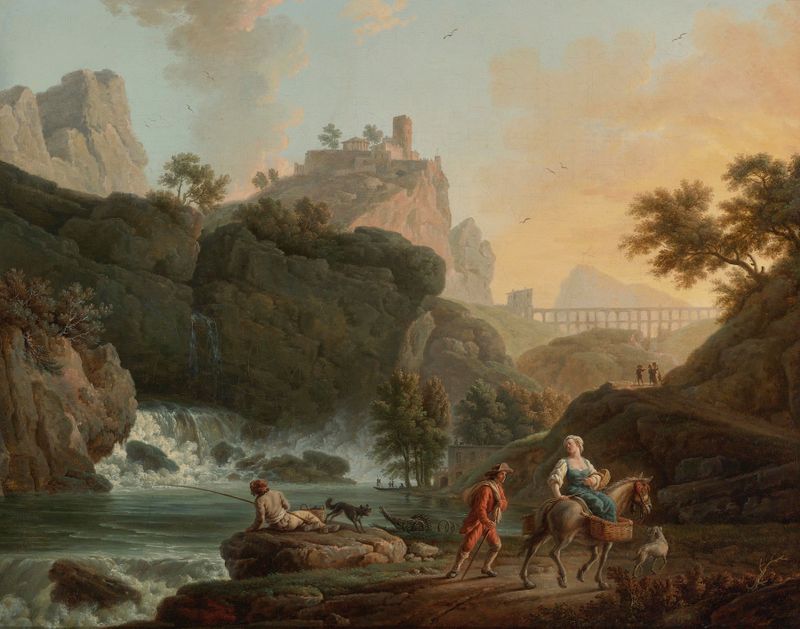
A Rocky Landscape With A fisherman And Travellers By A River With A Waterfall, An Aqueduct In The Distance
Claude-Joseph Vernet
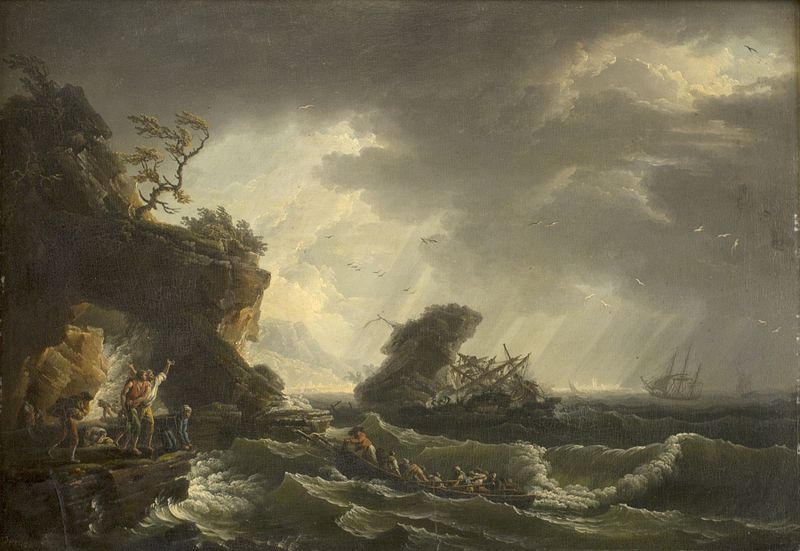
A Shipwreck
Claude-Joseph Vernet

A Mediterranean Harbor At Sunset With Fisherfolk At The Water’s Edge, A Lighthouse And A Man Of War At Anchor In The Bay
Claude-Joseph Vernet
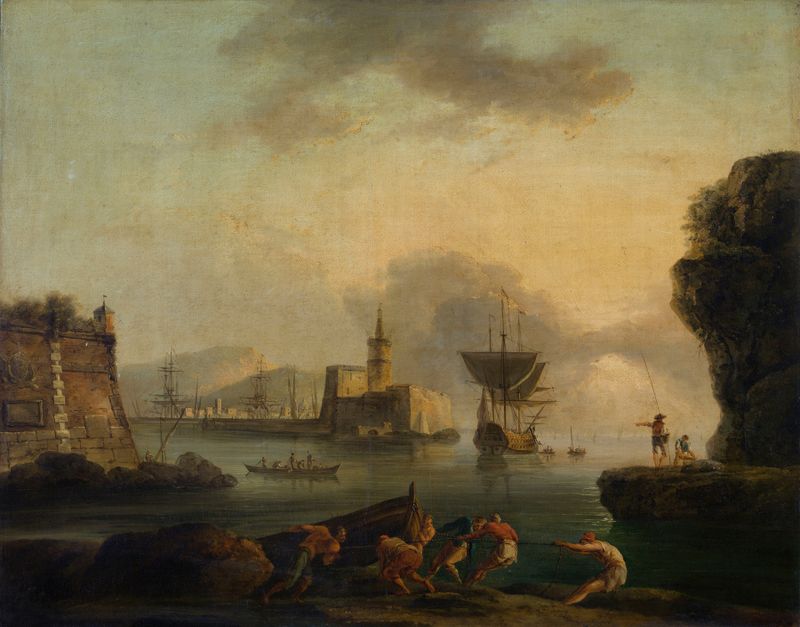
Naples
Claude-Joseph Vernet
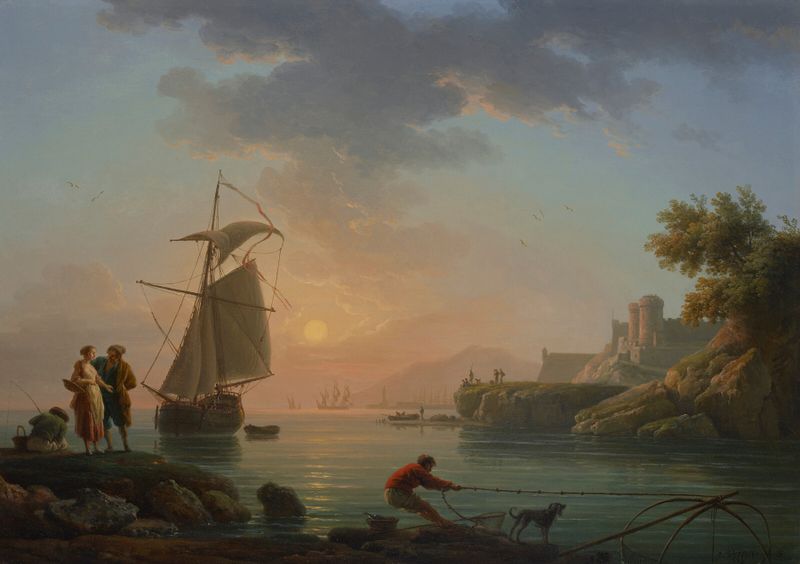
Mediterranean port at sunset, with a fisherman in the foreground
Claude-Joseph Vernet
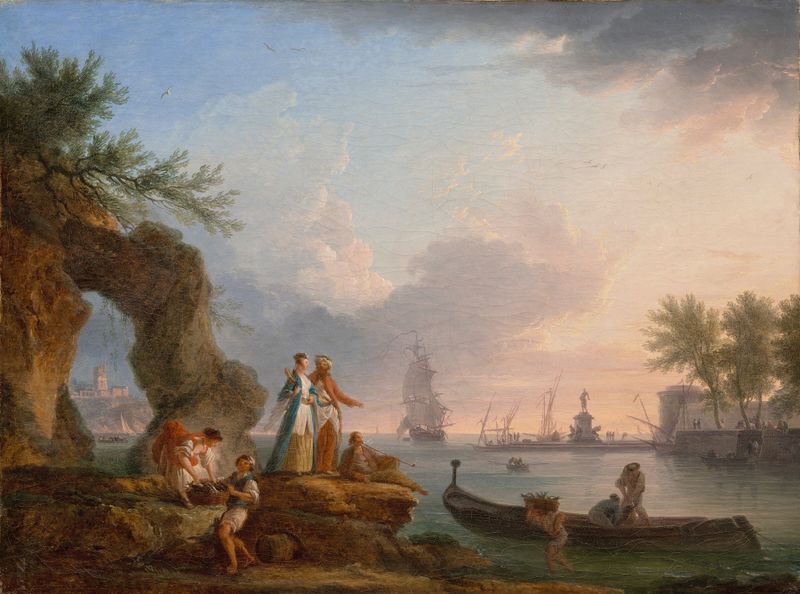
View of a port at sunset with fishermen and a couple in oriental dress
Claude-Joseph Vernet

A Calm at a Mediterranean Port
Claude-Joseph Vernet

A Grand View Of The Sea Shore Enriched With Buildings, Shipping And Figures
Claude-Joseph Vernet





