
The Gallery at Newby Hall: the Seat of the Right Hon’ble Lord Grantham — History & Facts
Can beauty exist without sorrow? In the delicate dance of light, color, and form, one discovers the frail boundary between illusion and reality. Focus on the intricate arrangement of the gallery, where architectural precision meets a harmonious palette. Look to the left at the grand columns rising majestically, their shadows playing on the polished floor, suggesting an echo of history. Notice how the muted tones of deep greens and soft creams invite the viewer deeper, while the carefully chosen artworks adorning the walls create an atmosphere filled with reverence and contemplation.
Each painting seems to whisper secrets of the past, forming a silent dialogue between the viewer and the artist. Beyond the surface, the interplay of light and shadow reveals emotional undercurrents. The soft glow illuminating the center suggests a focal point of contemplation, while the darker corners hint at the unresolved stories that lie hidden. The meticulous details—the finely crafted moldings, the patterns in the carpeting—speak to a sense of nostalgia, as if each element longs to share its own tale of beauty intertwined with loss.
The gallery, while a space of aesthetic delight, is tinged with the awareness of impermanence, inviting reflection on what is seen and what remains unexpressed. In 1817, John Buckler found himself immersed in the burgeoning Romantic movement, a shift towards celebrating emotion and nature in art. Working in England, he captured the grandeur of spaces like Newby Hall, a reflection of the period's fascination with heritage and beauty. During this time, Buckler was not only engaging with architectural subjects but also contributing to the broader discourse of how art could evoke feelings of both joy and longing—a duality he masterfully portrayed in this painting.
More Artworks by John Buckler
Browse all →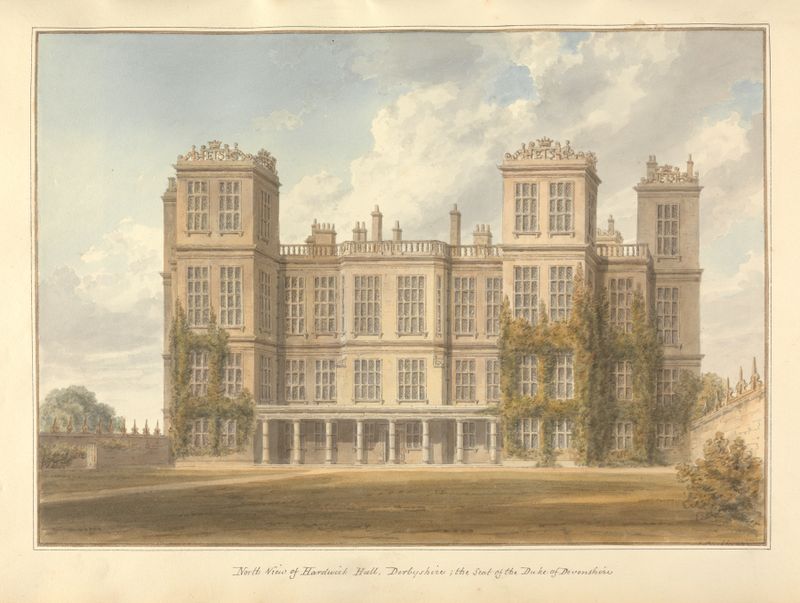
North View of Hardwick Hall, Derbyshire: the Seat of the Duke of Devonshire
John Buckler
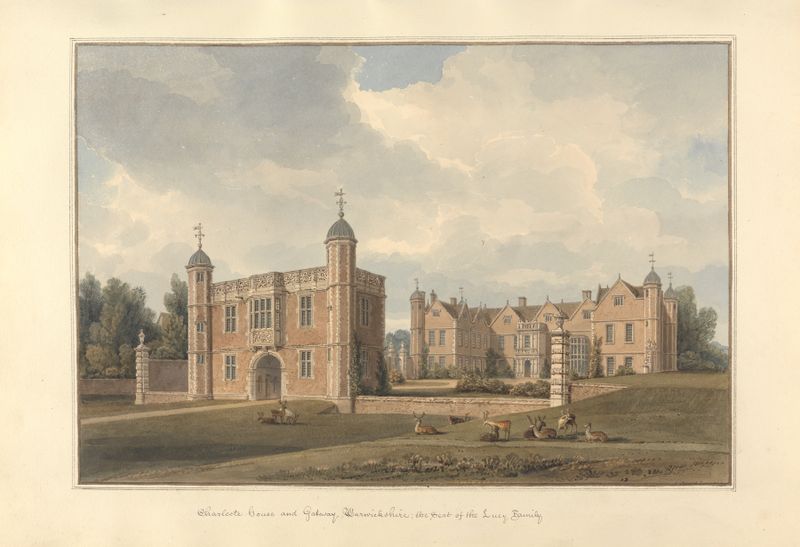
Charlcote house and Gateway, Warwickshire: the Seat of the Lucy Family
John Buckler

North East View of Holland House
John Buckler
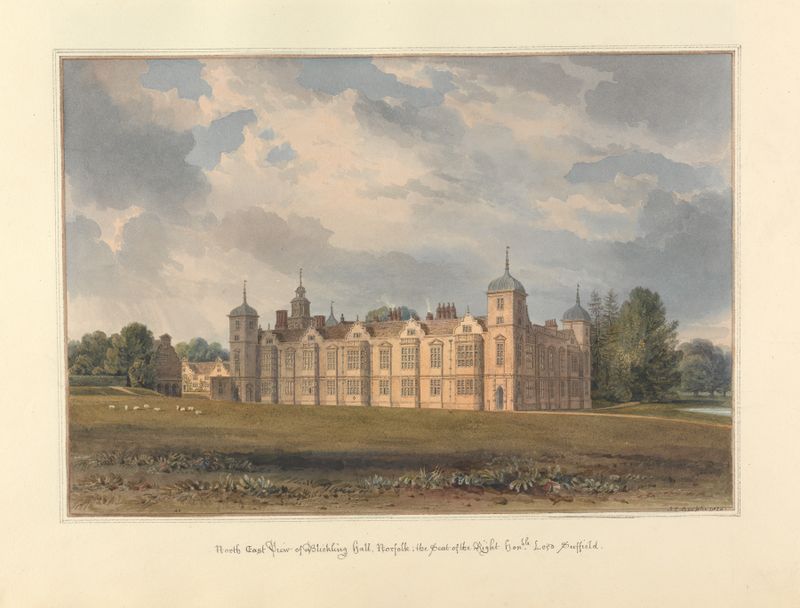
North East View of Blickling Hall, Norfolk: the Seat of the Right Hon’ble Lord Suffield
John Buckler
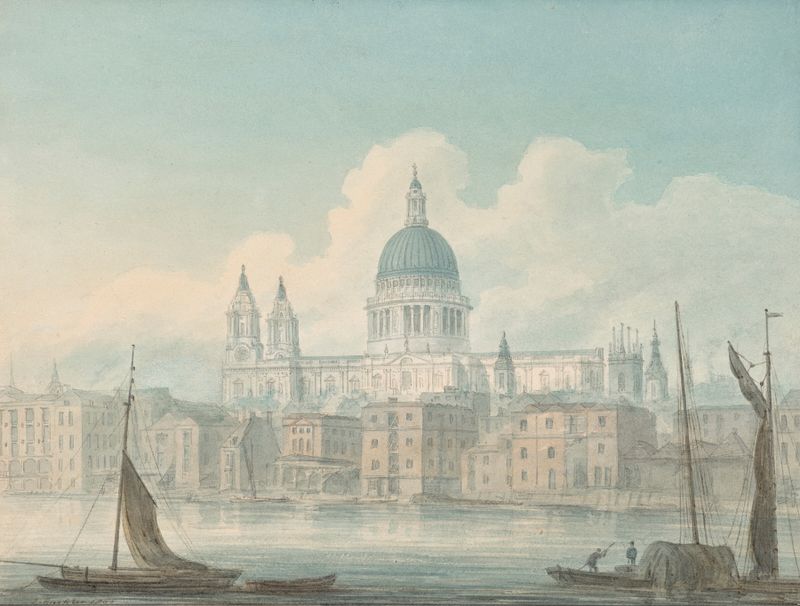
View of St Paul’s Cathedral, from the Southbank of the River Thames, London
John Buckler
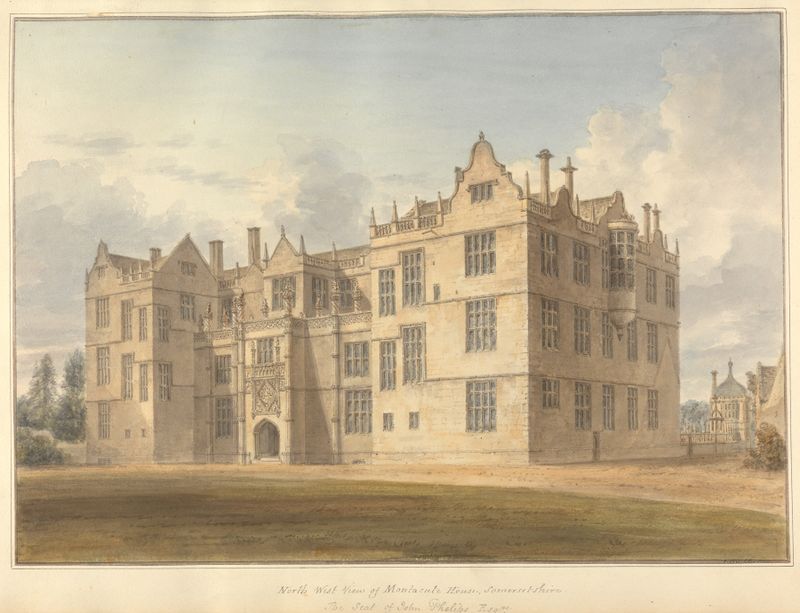
North West View of Montacute House, Somersetshire, The Seat of John Phelips Esqr.
John Buckler
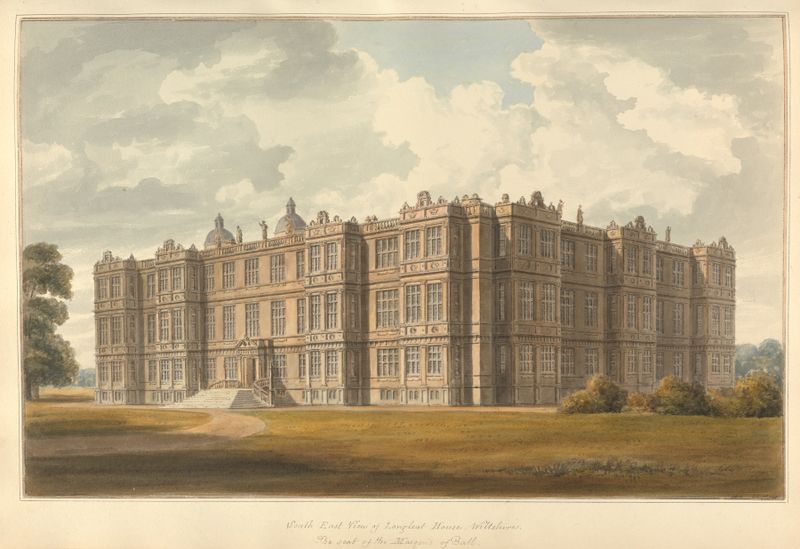
South East View of Longleat House, Wiltshire, the Seat of the Marquis of Bath
John Buckler
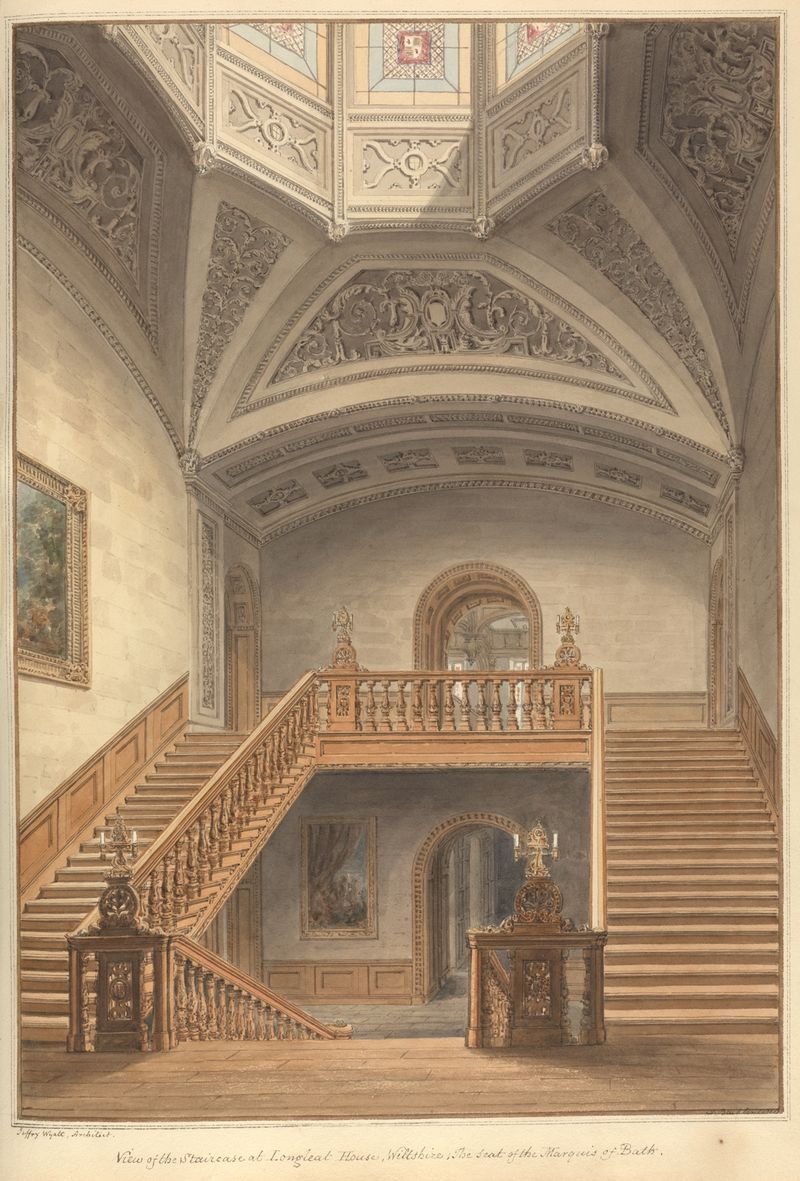
View of the Staircase at Longleat House, Wiltshire: the Seat of the Marquis of Bath
John Buckler
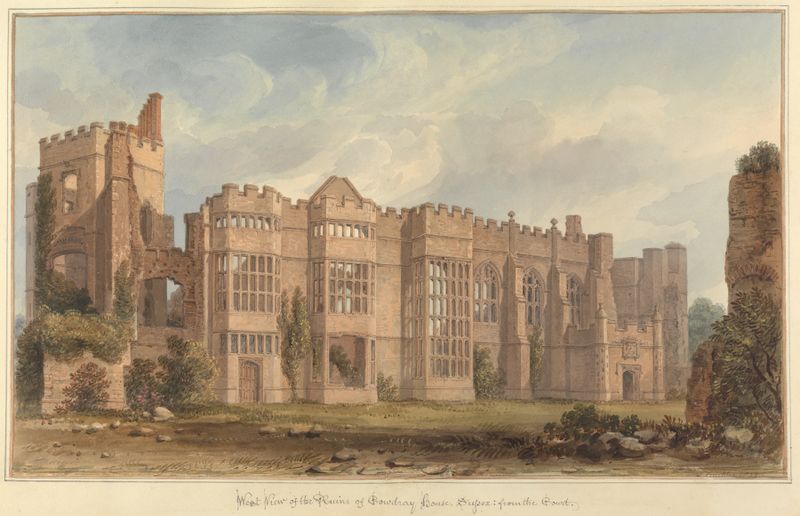
West View of the Ruins of Cowdray House, Sussex: from the Court
John Buckler
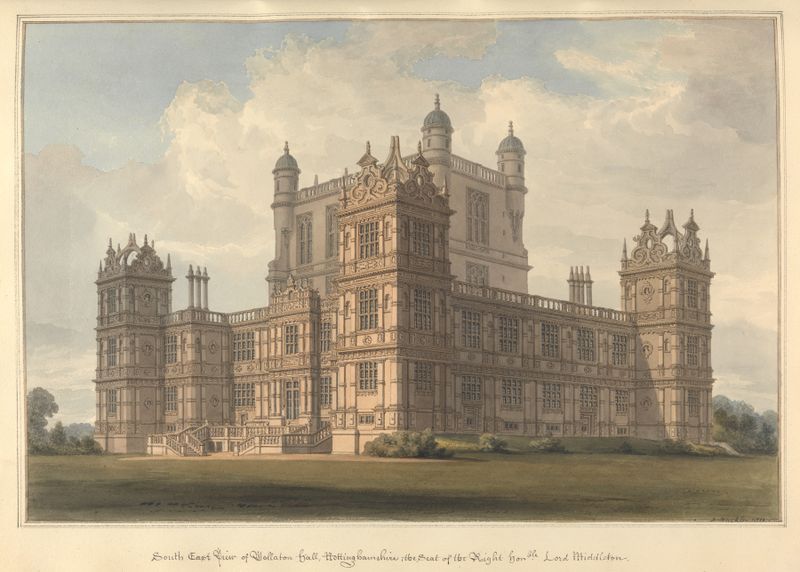
South East view of Wollaton hall, Nottinghamshire, the Seat of the Right honble. Lord Middleton
John Buckler





