
Discover insights about this artwork
The Garden of Love — History & Facts
The Garden of Love by Peter Paul Rubens features a vibrant scene filled with lush greenery and blooming flowers. The painting is alive with color, showcasing reds, greens, and soft pastels that create a romantic atmosphere. Figures of elegantly dressed men and women are seen interacting, embodying themes of love and desire.
The setting is idyllic, suggesting a paradise where love flourishes amidst nature's beauty. This artwork is an oil painting on canvas, typical of Rubens' dynamic style. The composition is rich and complex, with multiple figures arranged in a harmonious yet lively manner. The use of light and shadow enhances the three-dimensionality of the figures, giving them a sense of movement.
The details in the clothing and the surrounding flora highlight Rubens' skill in rendering textures and forms. Peter Paul Rubens was a prominent Baroque painter known for his vibrant colors and dynamic compositions. The Garden of Love reflects his fascination with themes of love and beauty, common in his works. An interesting fact about this painting is that it was likely commissioned for a private collection, emphasizing the intimate nature of the subject matter.
Rubens' ability to convey emotion through color and form has made this piece a significant example of Baroque art.
More Artworks by Peter Paul Rubens
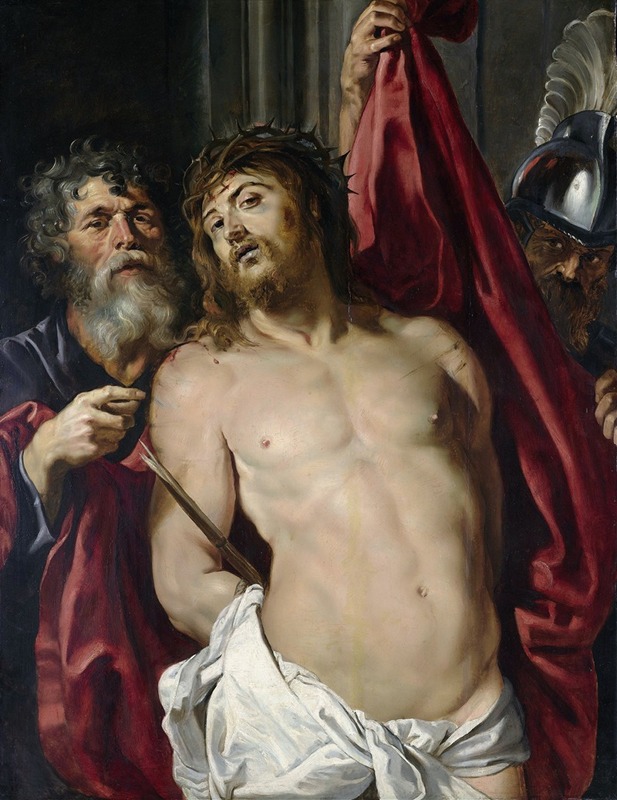
Ecce homo
Peter Paul Rubens
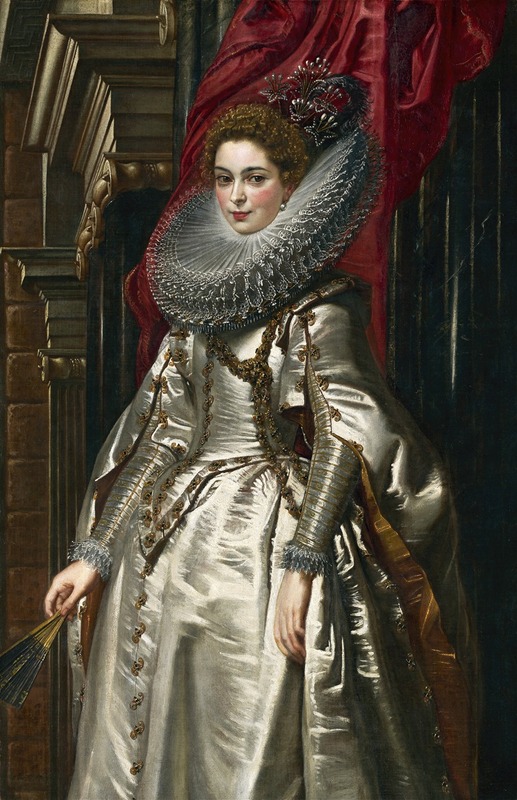
Marchesa Brigida Spinola Doria
Peter Paul Rubens
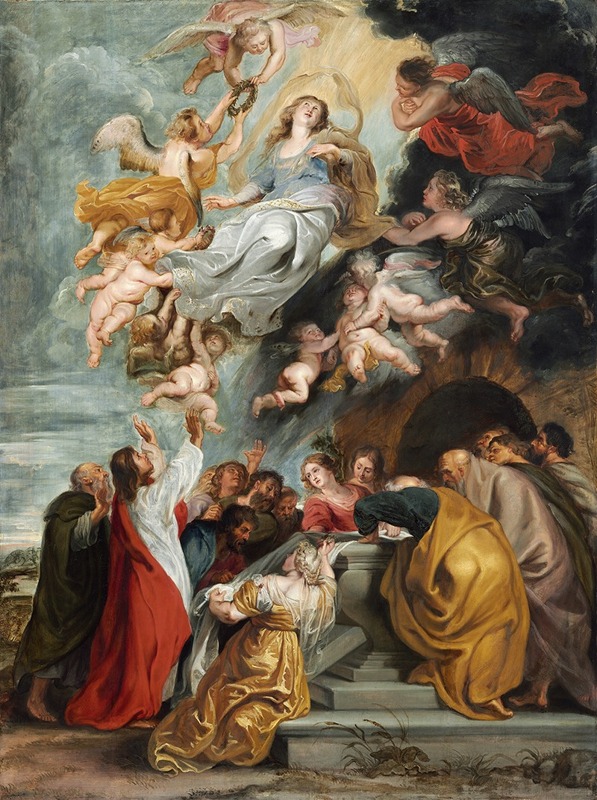
The Assumption of the Virgin
Peter Paul Rubens

Saint Teresa of Ávila Interceding for Souls in Purgatory
Peter Paul Rubens
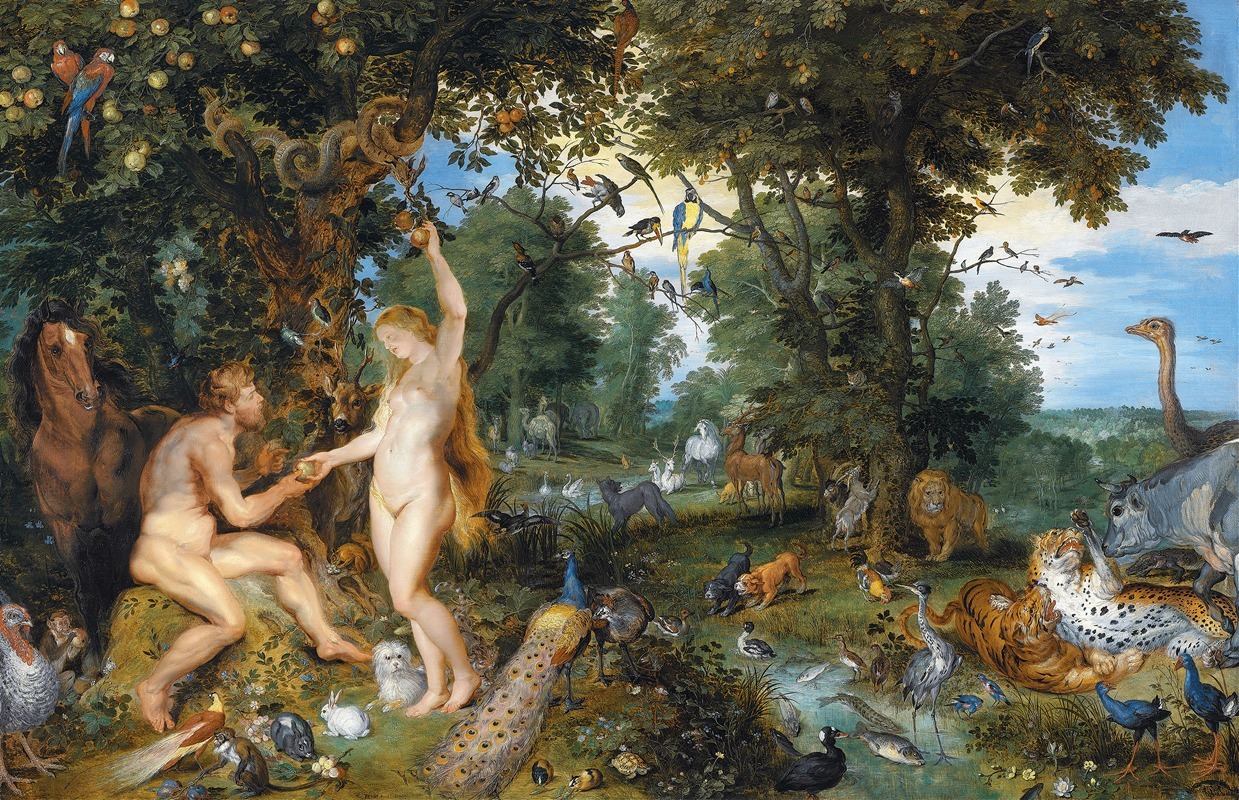
The Garden of Eden with the Fall of Man
Peter Paul Rubens
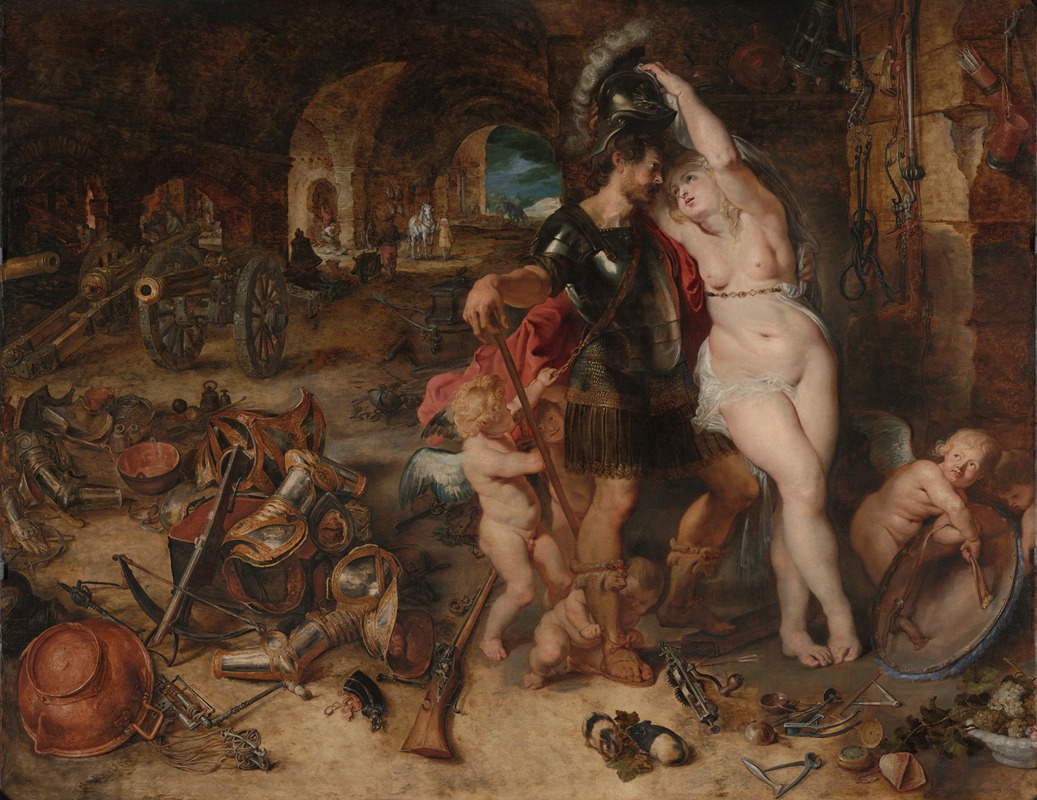
The Return From War,Mars Disarmed By Venus
Peter Paul Rubens
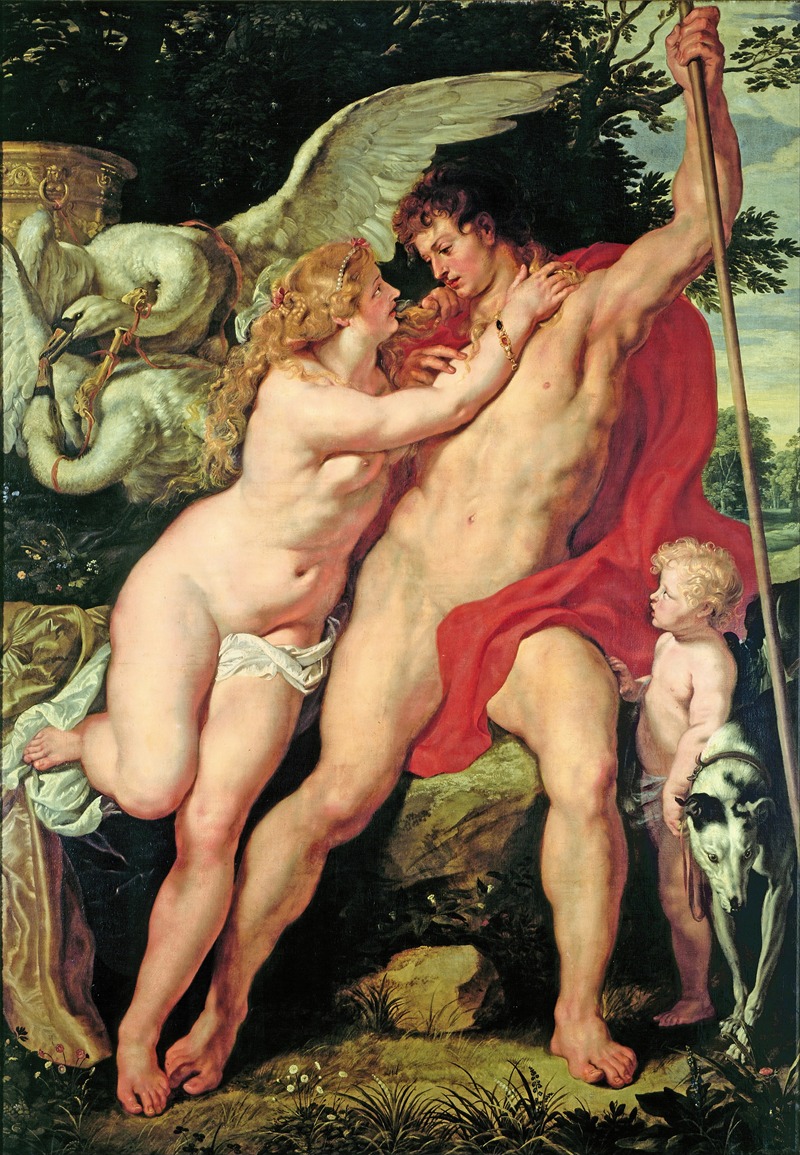
Venus and Adonis
Peter Paul Rubens
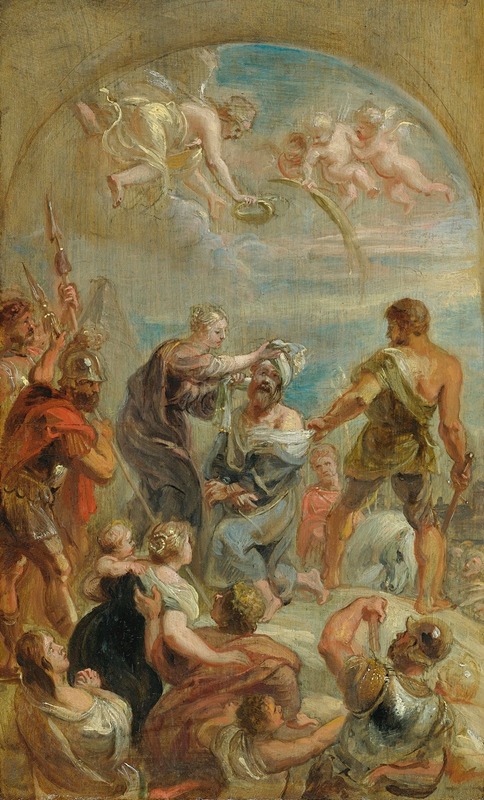
The Martyrdom Of Saint Paul
Peter Paul Rubens
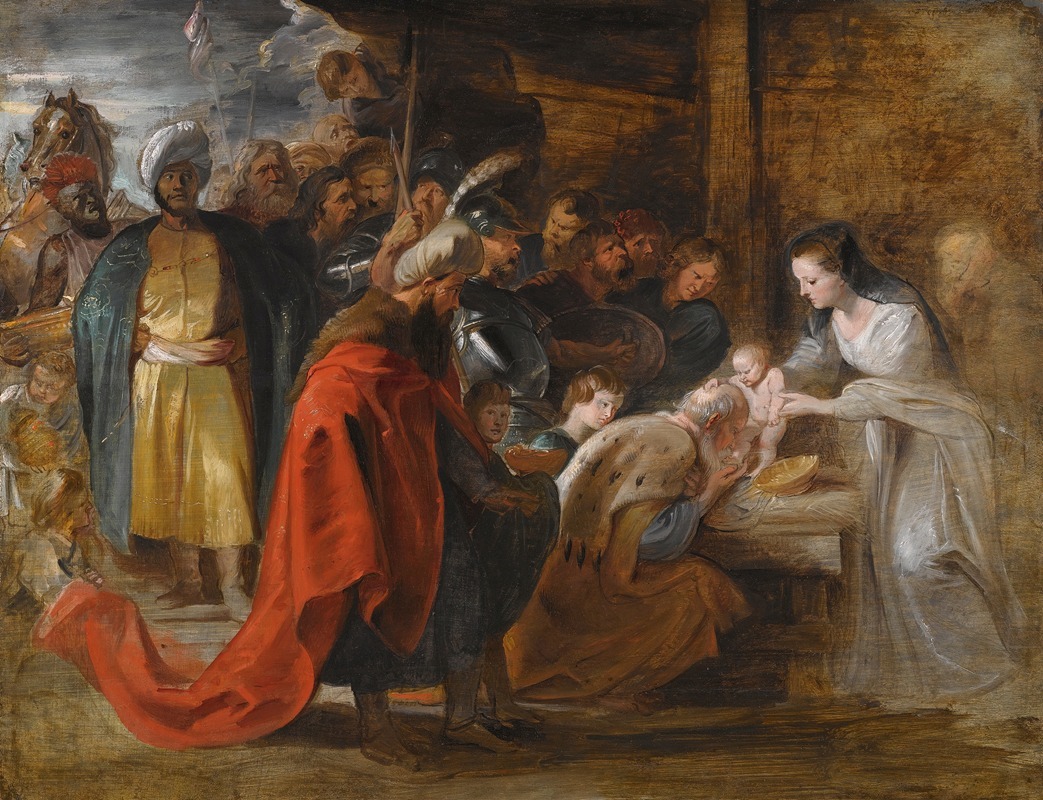
The Adoration Of The Magi
Peter Paul Rubens
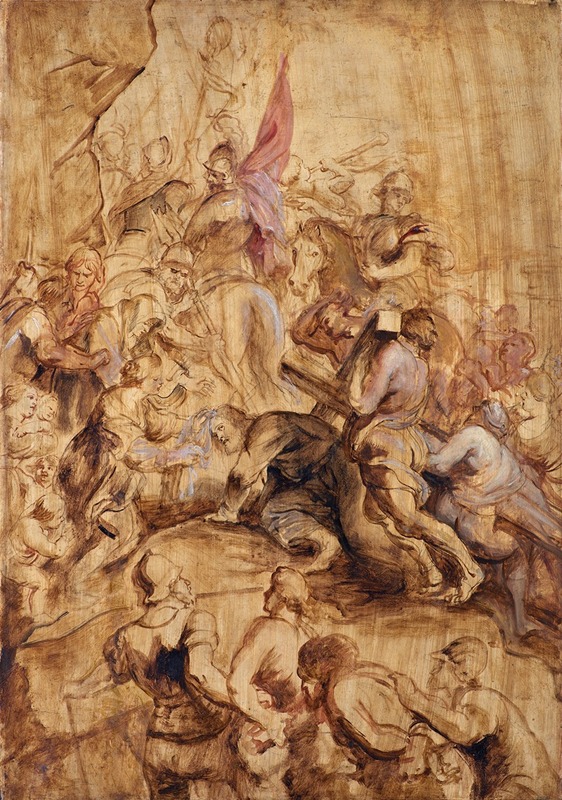
The Ascent to Calvary. The Bearing of the Cross
Peter Paul Rubens
More Allegory Art
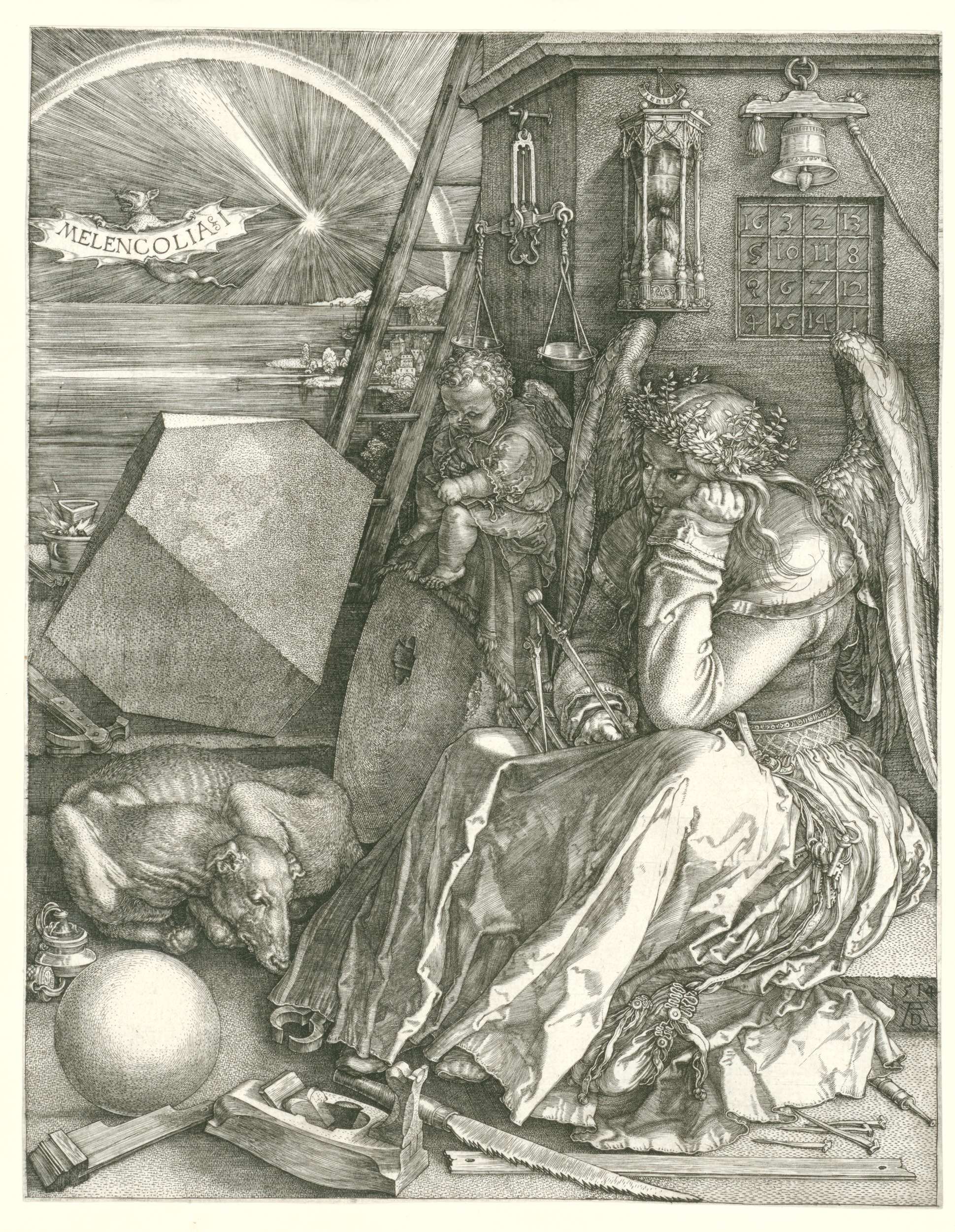
Melancholia
Albrecht Dürer
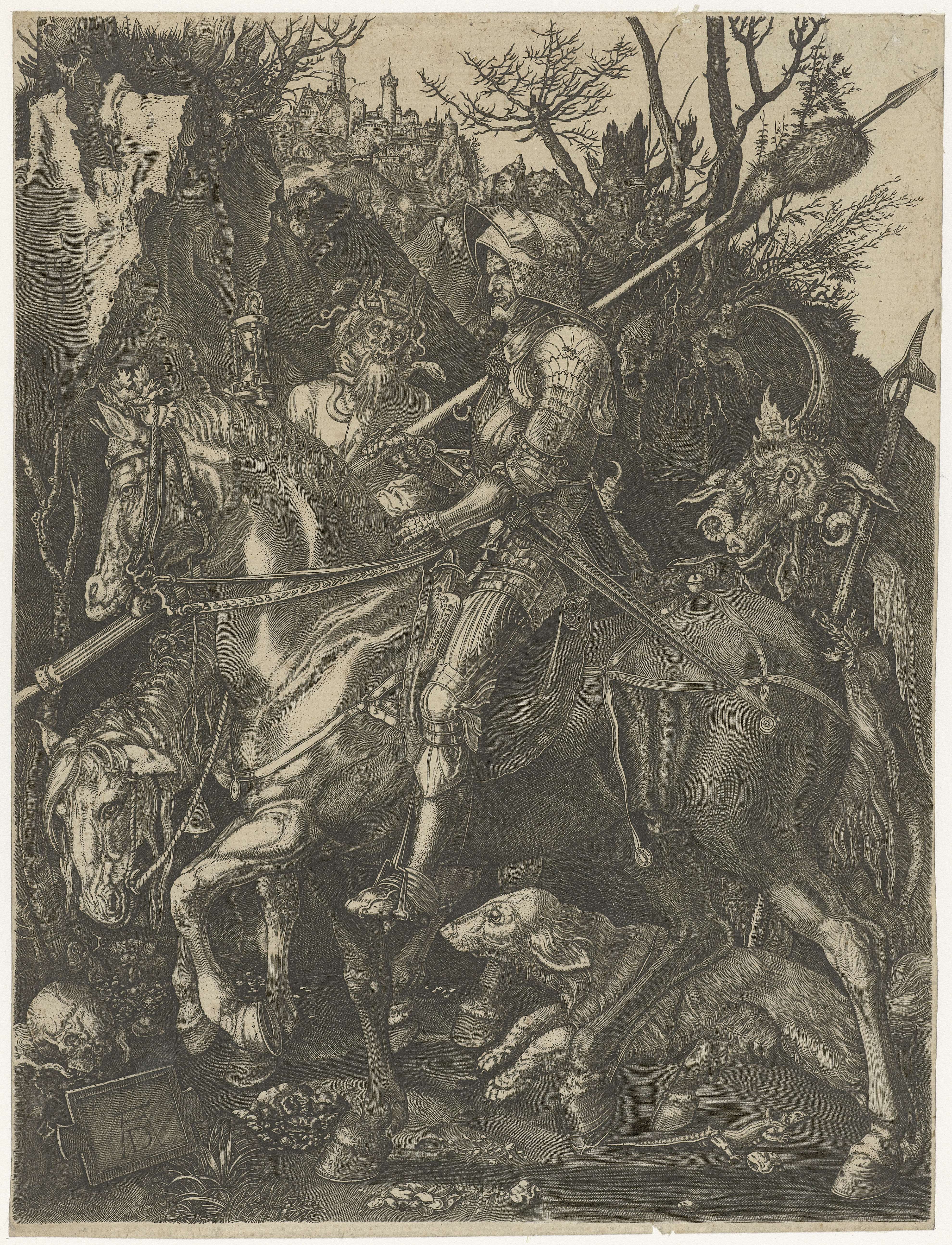
Ridder, Dood en Duivel
Unknown Artist
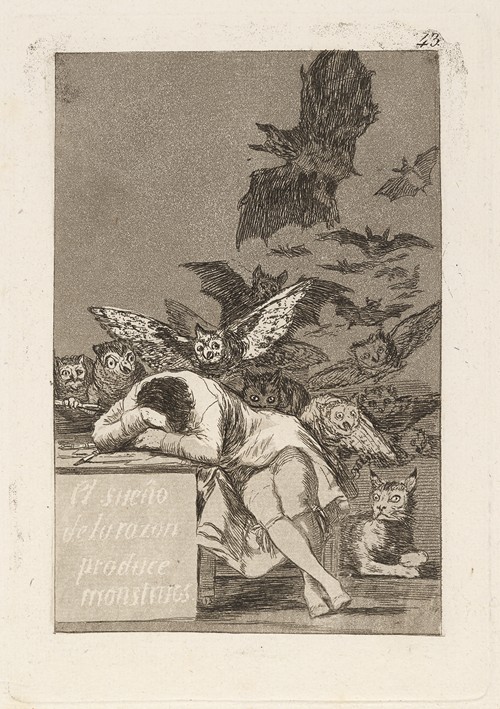
El sueño de la razon produce monstruos. (The sleep of reason produces monsters.)
Francisco de Goya
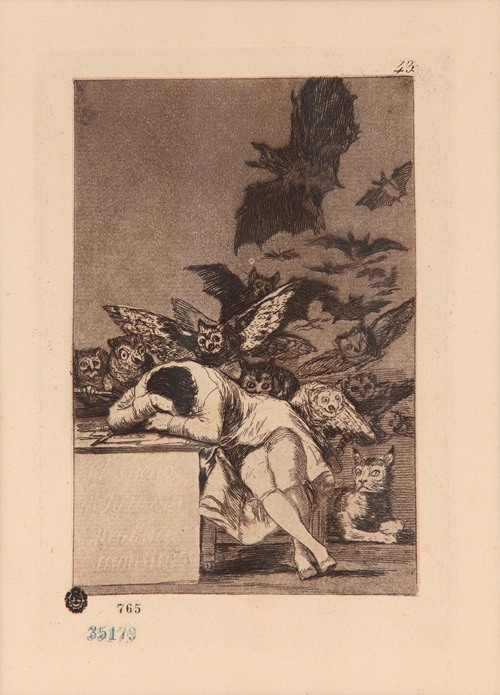
El sueño de la razon produce moustruos (Serie Caprichos)
Francisco de Goya
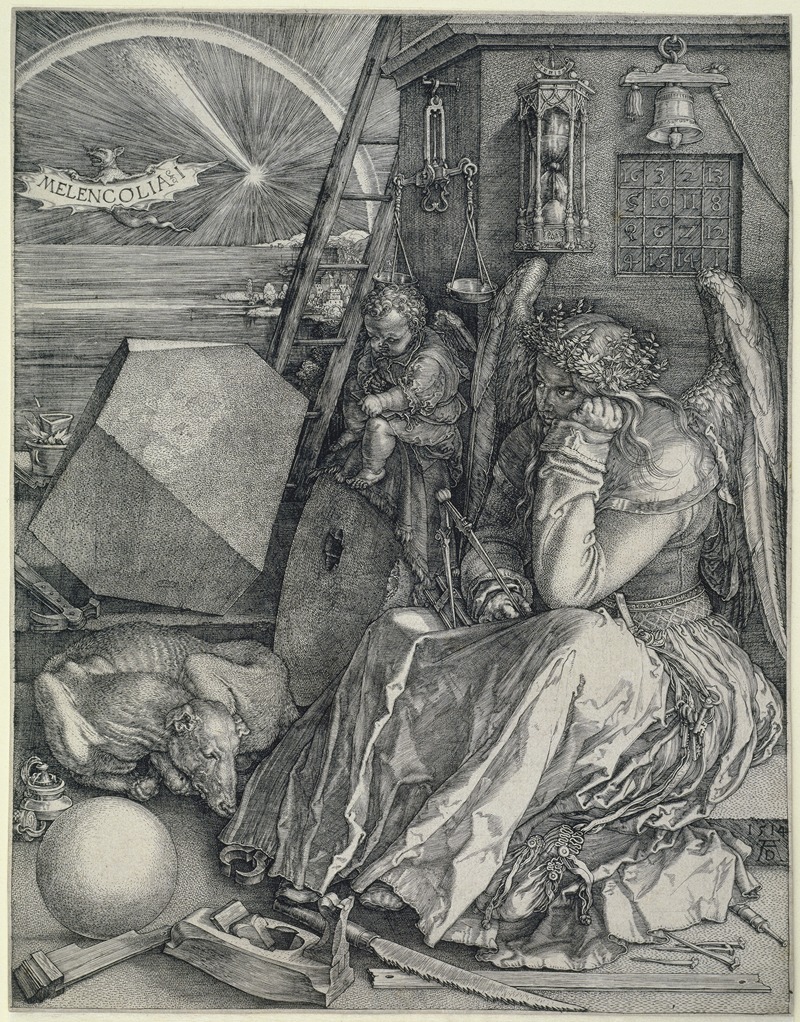
Melencolia I (The Melancholy)
Albrecht Dürer
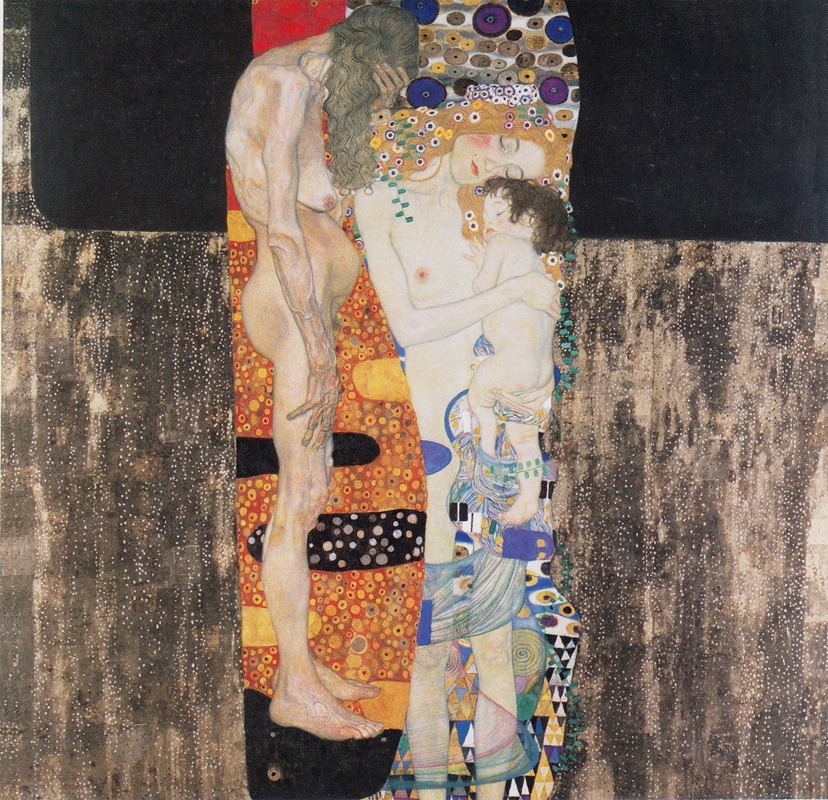
The Three Ages of the Woman
Gustav Klimt