
Discover insights about this artwork
The Garden of Love (right portion) — History & Facts
In The Garden of Love (right portion) by Peter Paul Rubens, vibrant colors dominate the scene. The lush greenery serves as a backdrop for figures engaged in romantic pursuits. Various couples are depicted, surrounded by flowers and playful cherubs.
The overall atmosphere is one of joy and celebration of love. This painting showcases Rubens' characteristic use of rich colors and dynamic compositions. The figures are rendered with a sense of movement, emphasizing the lively interactions between them. The use of light and shadow enhances the three-dimensionality of the figures.
The oil on canvas technique allows for a smooth blending of colors, creating a vivid visual experience. Peter Paul Rubens was a leading figure of the Baroque movement, known for his energetic compositions and sensual themes. The Garden of Love reflects his fascination with love and beauty, common themes in his work. Interestingly, this painting is part of a larger composition that explores the theme of love in various forms.
Rubens often drew inspiration from classical mythology, which is evident in the playful elements of this piece.
More Artworks by Peter Paul Rubens
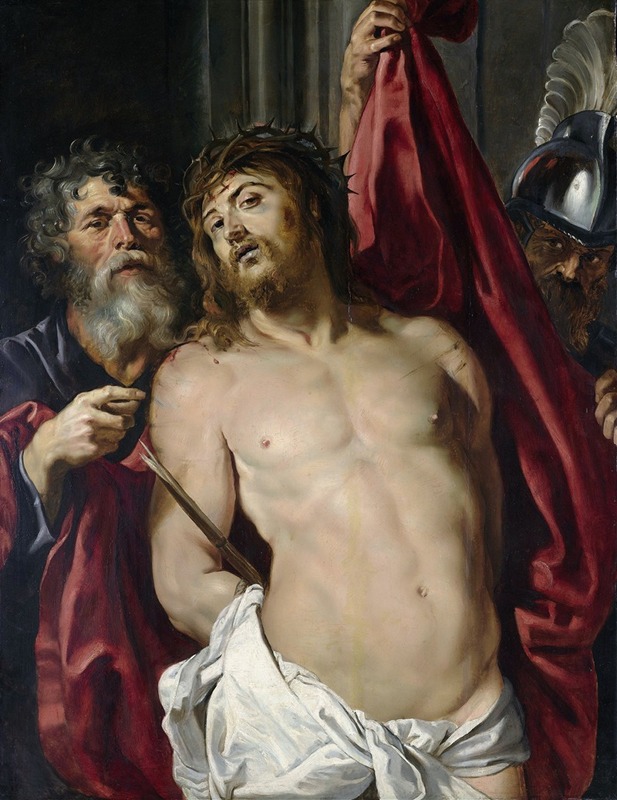
Ecce homo
Peter Paul Rubens
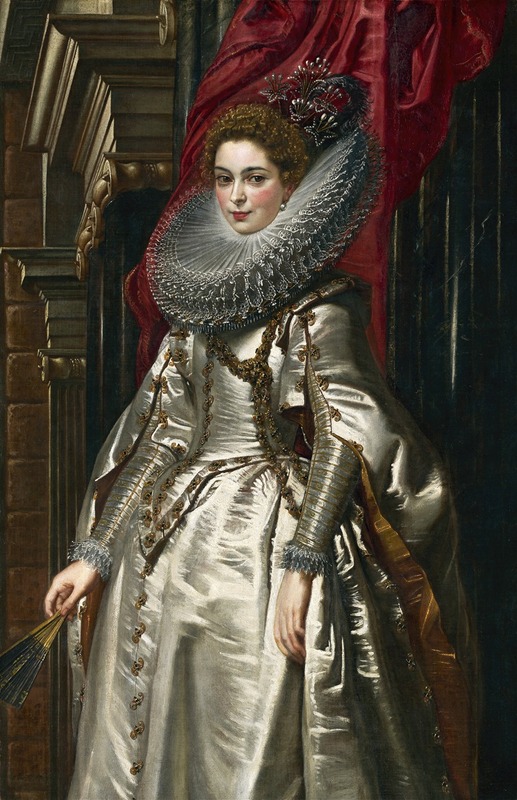
Marchesa Brigida Spinola Doria
Peter Paul Rubens
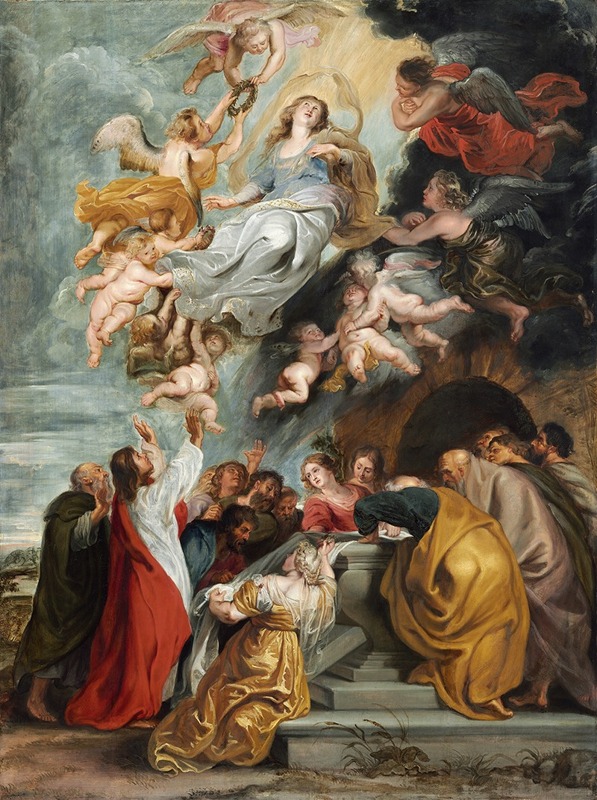
The Assumption of the Virgin
Peter Paul Rubens

Saint Teresa of Ávila Interceding for Souls in Purgatory
Peter Paul Rubens
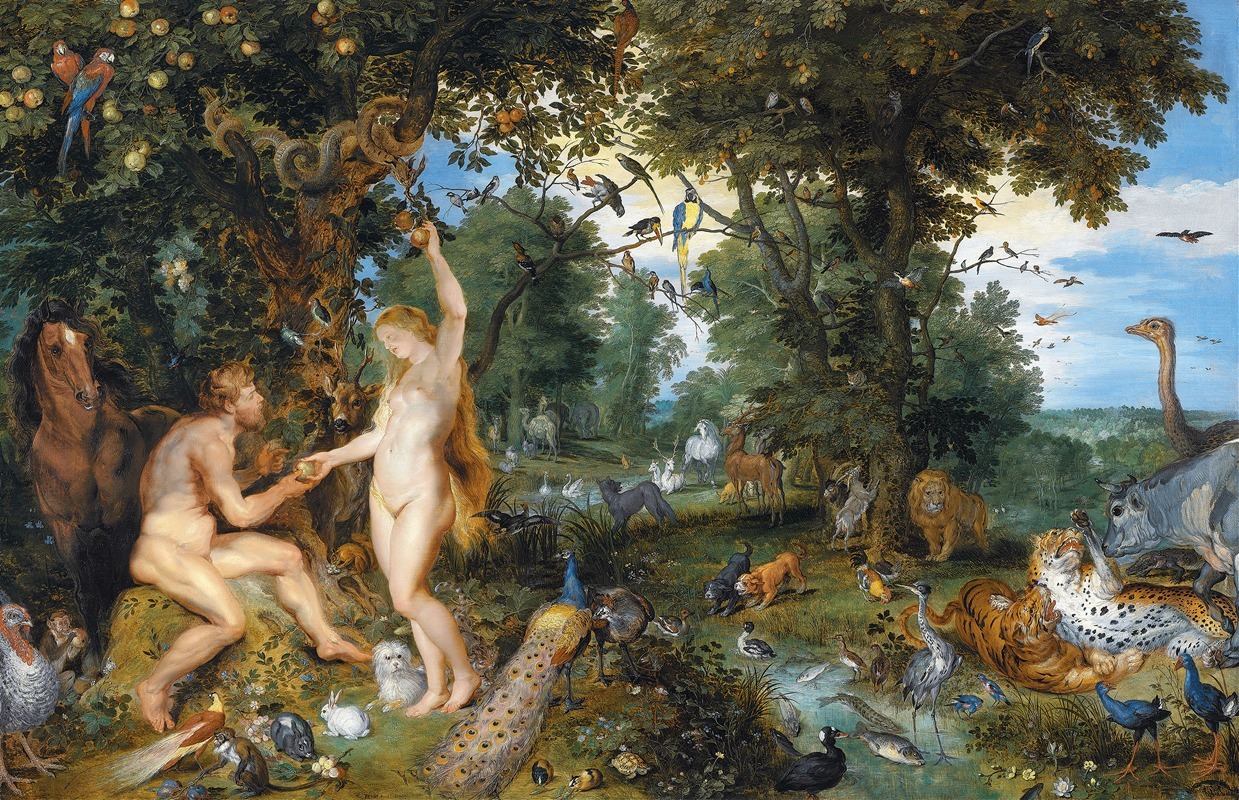
The Garden of Eden with the Fall of Man
Peter Paul Rubens
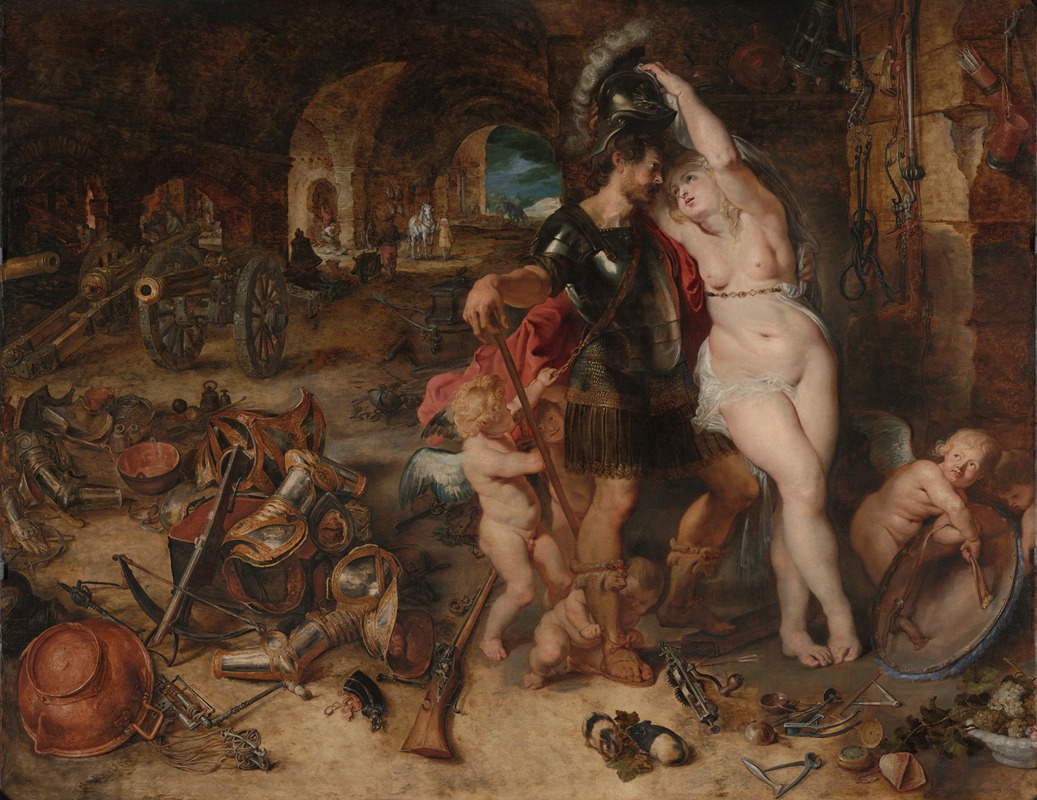
The Return From War,Mars Disarmed By Venus
Peter Paul Rubens
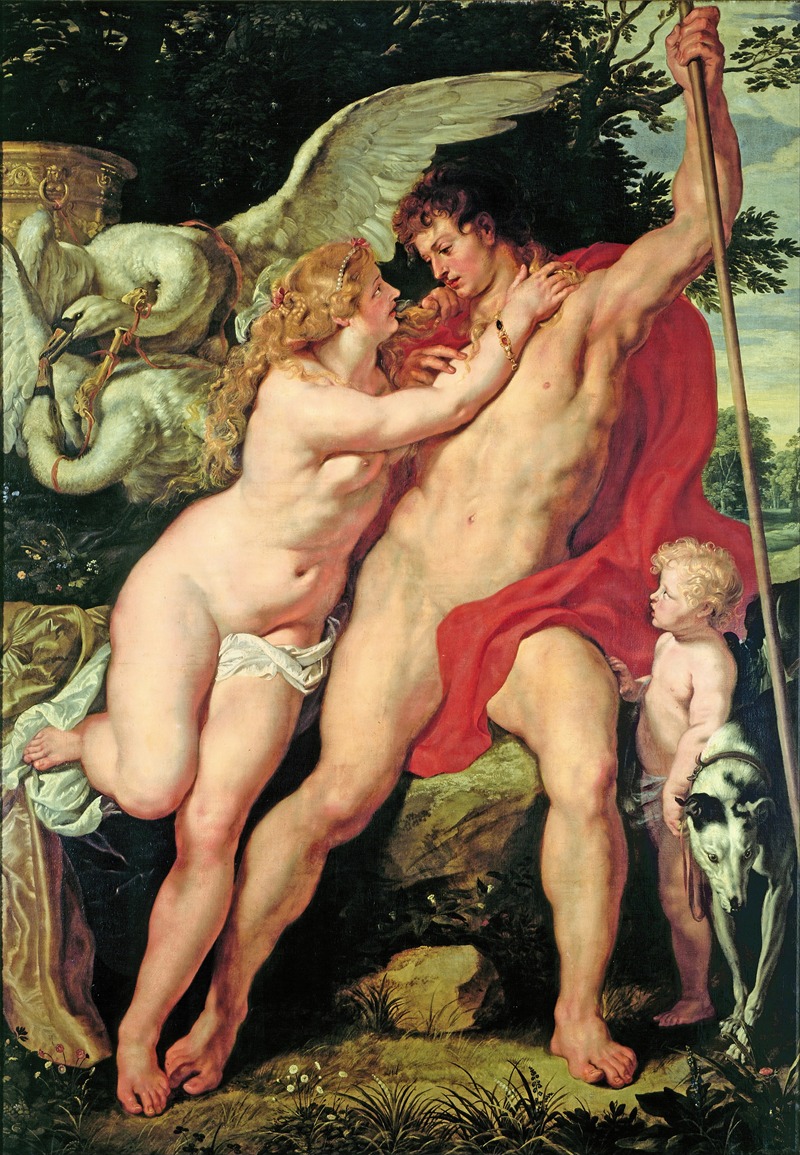
Venus and Adonis
Peter Paul Rubens
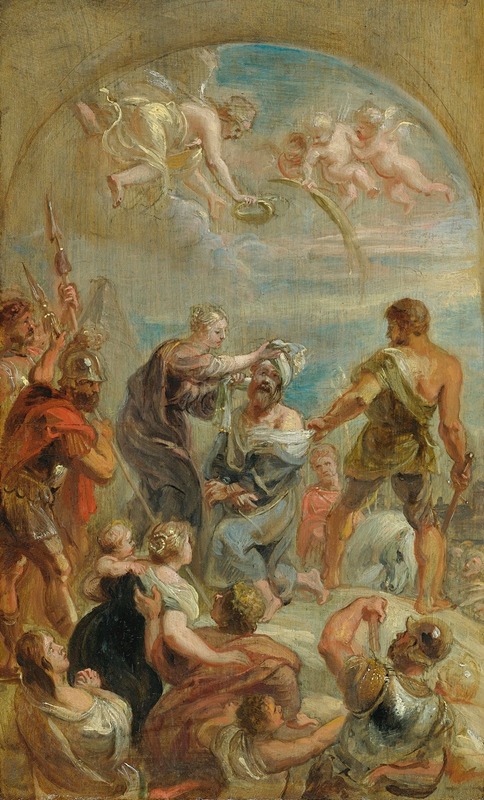
The Martyrdom Of Saint Paul
Peter Paul Rubens
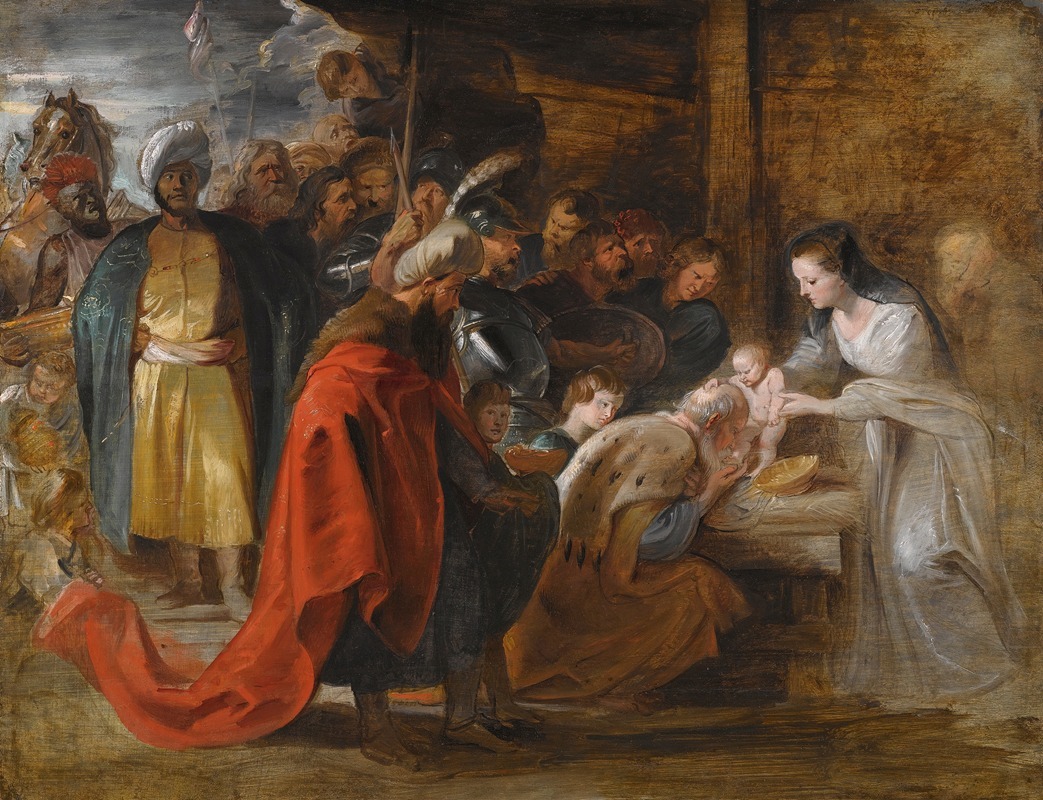
The Adoration Of The Magi
Peter Paul Rubens
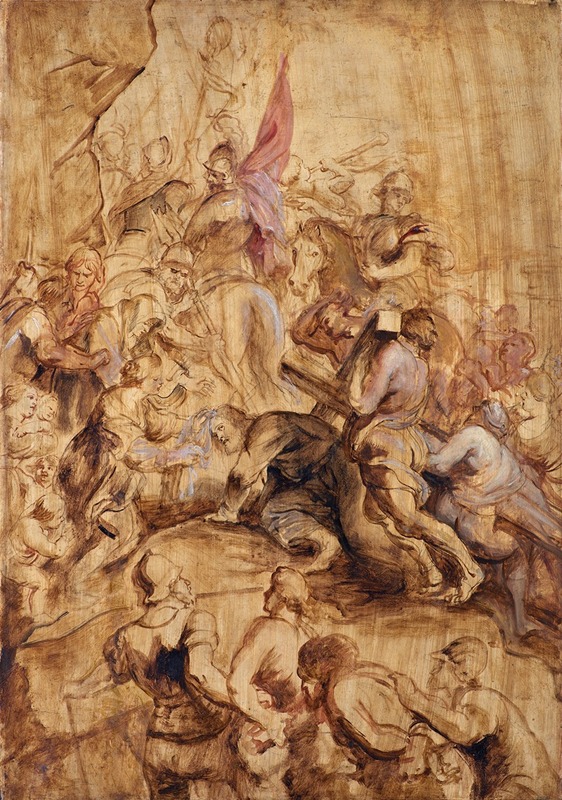
The Ascent to Calvary. The Bearing of the Cross
Peter Paul Rubens
More Allegory Art
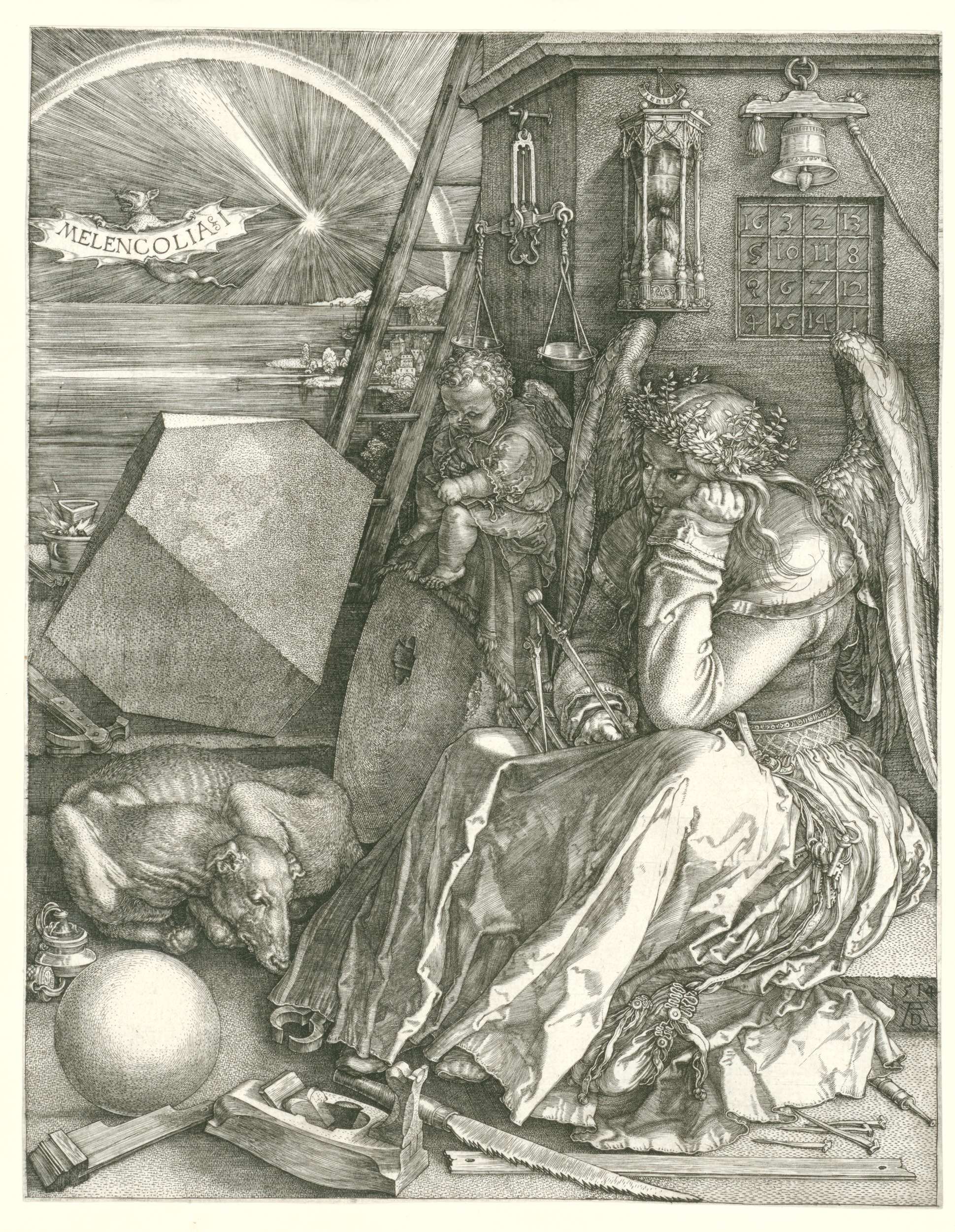
Melancholia
Albrecht Dürer
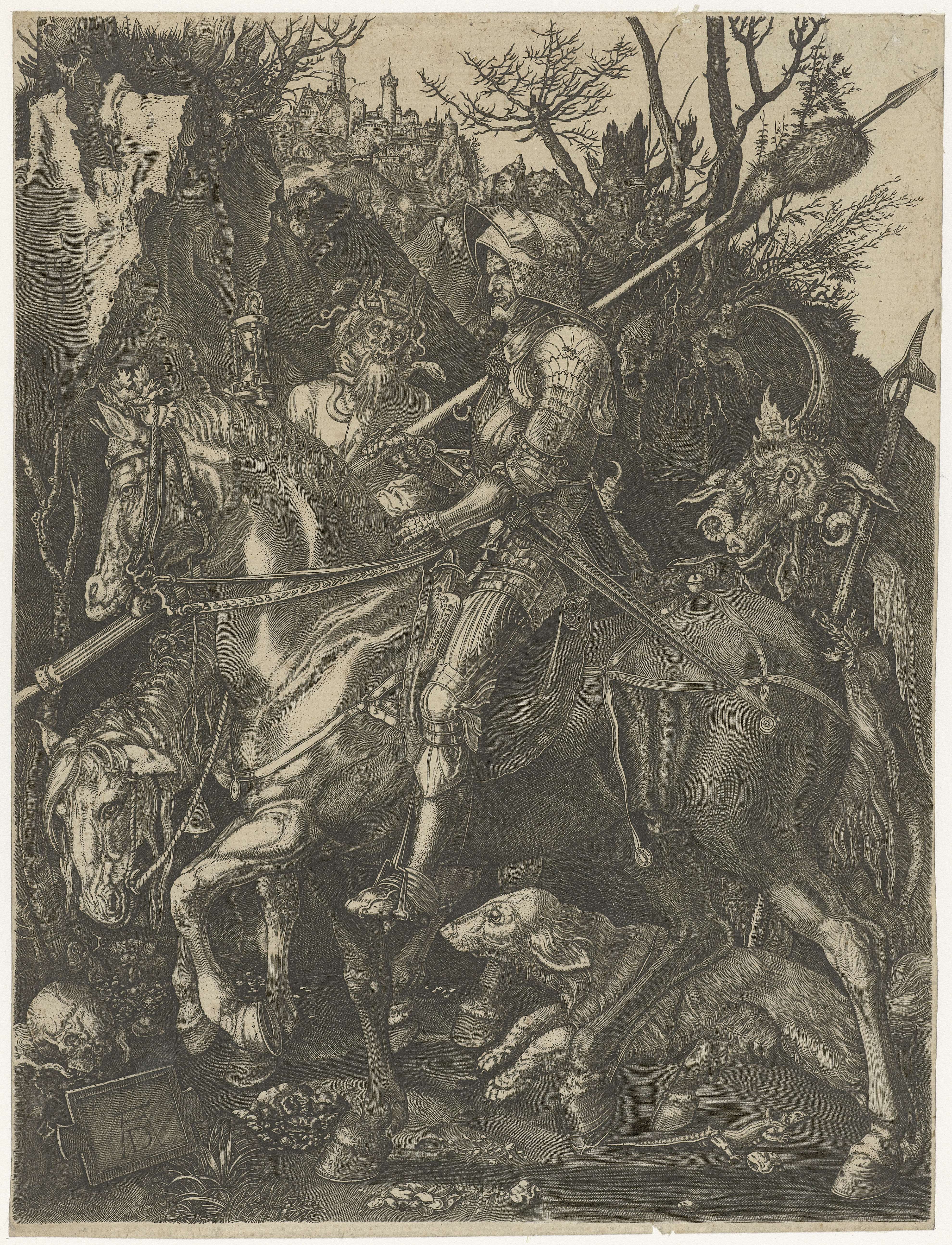
Ridder, Dood en Duivel
Unknown Artist
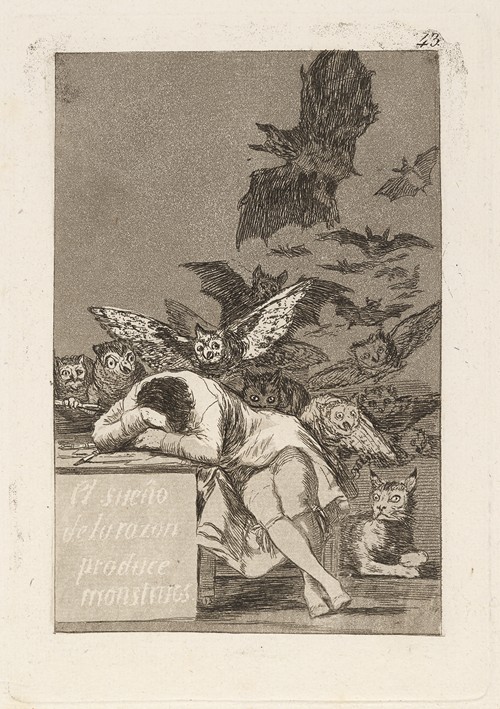
El sueño de la razon produce monstruos. (The sleep of reason produces monsters.)
Francisco de Goya
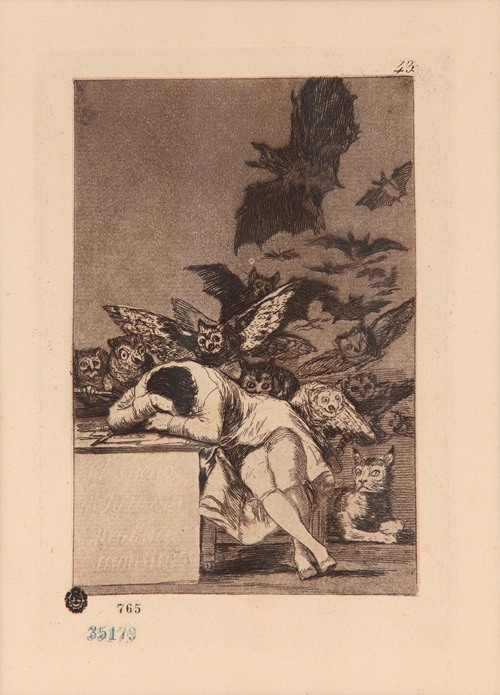
El sueño de la razon produce moustruos (Serie Caprichos)
Francisco de Goya
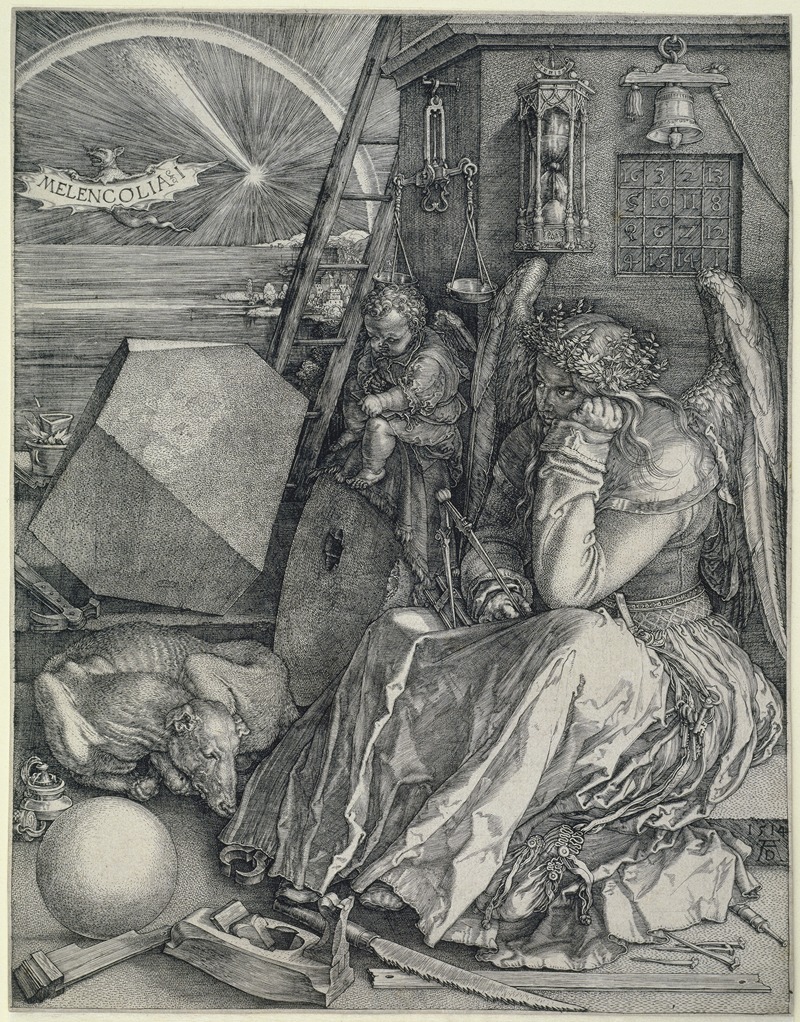
Melencolia I (The Melancholy)
Albrecht Dürer
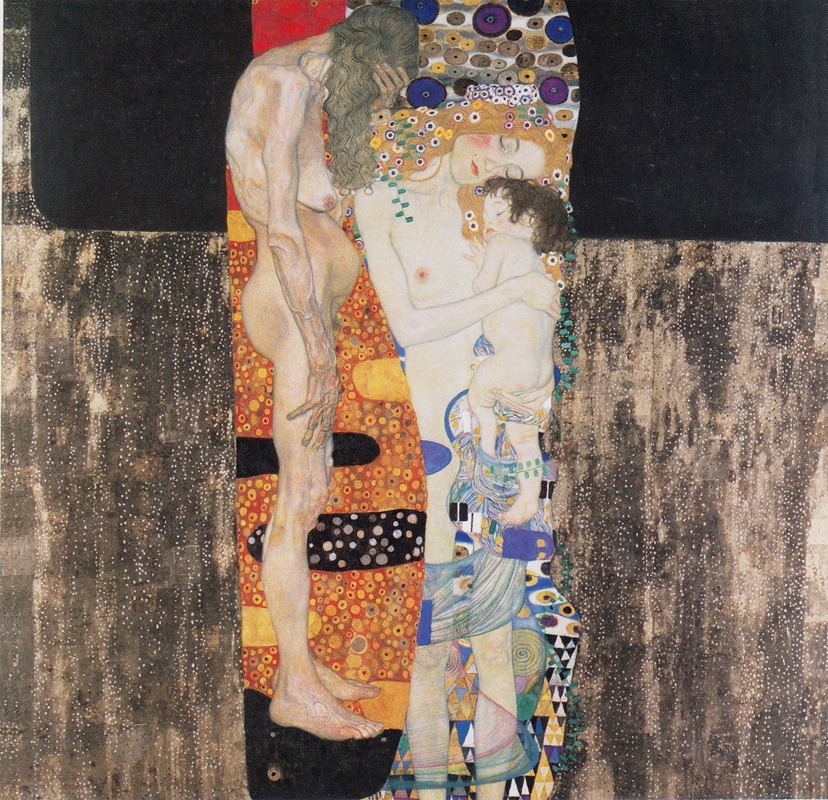
The Three Ages of the Woman
Gustav Klimt