
The Gateway of Lancaster Castle — History & Facts
Did the painter know this moment would outlive them? The passage of time often drapes a veil of nostalgia over scenes once brimming with life. Focus on the intricate archway at the heart of the composition, where stone meets sky. Hearne’s meticulous brushwork brings forth textures, allowing the weathered stones to converse with the soft glow of twilight. Notice how the light spills through the opening, illuminating the cobblestones and hinting at the bustling world beyond — a silent invitation to venture forth.
The palette of earthy browns and muted greens captures the somber beauty of the castle, evoking a sense of historical weight entwined with nature's quiet resilience. The juxtaposition of the sturdy stone gateway and the tender foliage framing it speaks to the interplay of human endeavor and the enduring spirit of the natural world. Each detail, from the moss creeping along the base to the birds in flight, reflects a contrast between permanence and transience. This gateway, both a literal and metaphorical threshold, embodies the passage of time, suggesting both protection and confinement—a reminder of the complexities of history. In 1778, Hearne painted this work in Lancaster, during a period marked by growing interest in the picturesque and natural landscape.
He was part of a generation that sought to capture the beauty of the British countryside, as well as its historical structures. As artistic trends shifted towards Romanticism, the artist embraced a vision that harmonized the human-made and the organic, framing the castle not just as a fortress, but as a poignant emblem of cultural heritage.
More Artworks by Thomas Hearne
Browse all →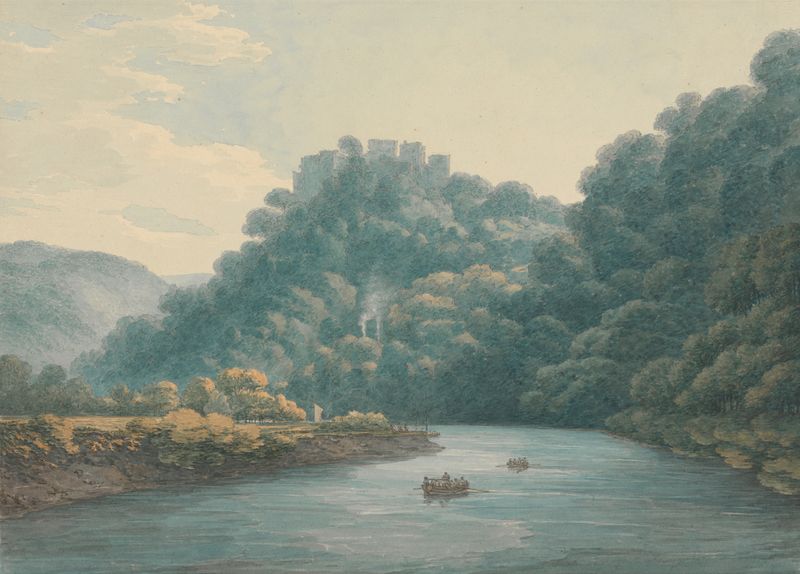
Goodrich Castle on the Wye
Thomas Hearne
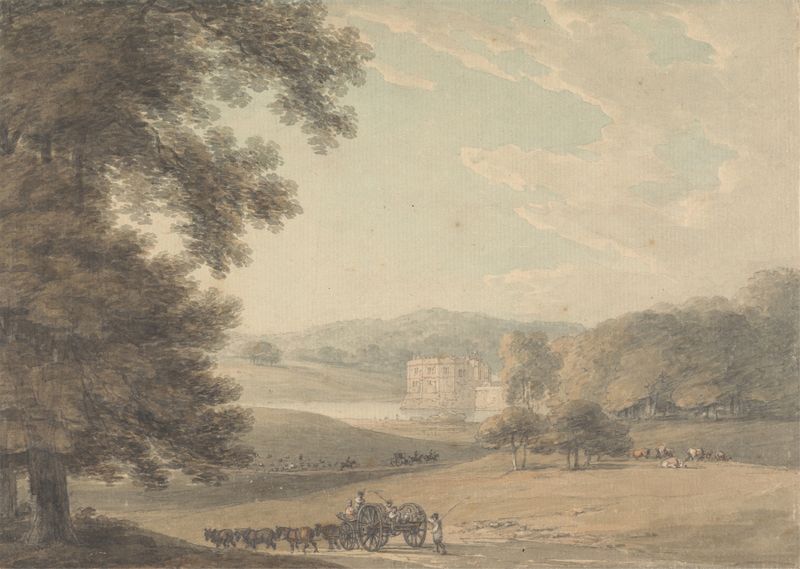
Leeds Castle, Kent
Thomas Hearne

The Ruins of Leiston Abbey
Thomas Hearne
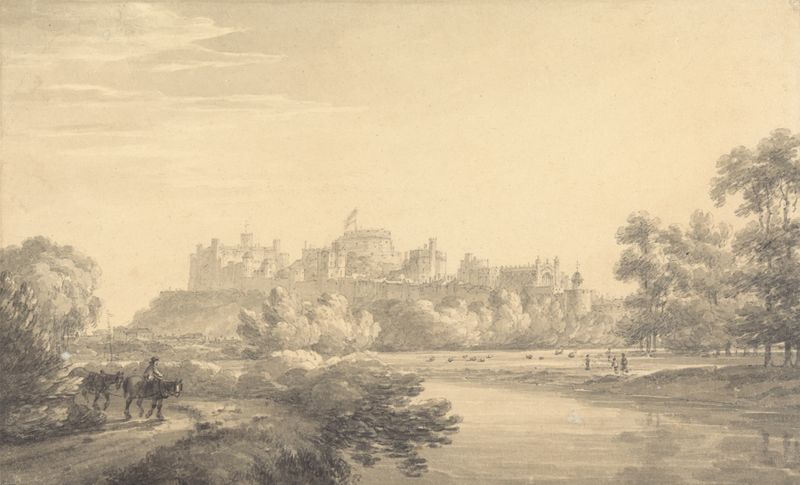
Windsor Castle
Thomas Hearne
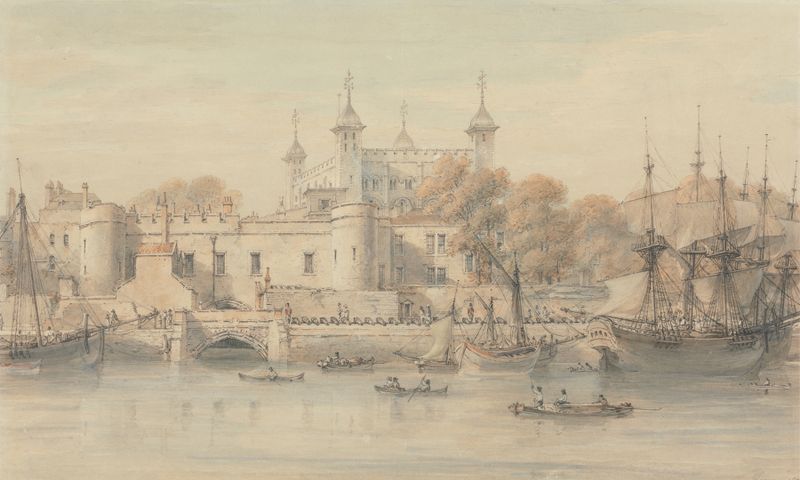
The Tower of London
Thomas Hearne
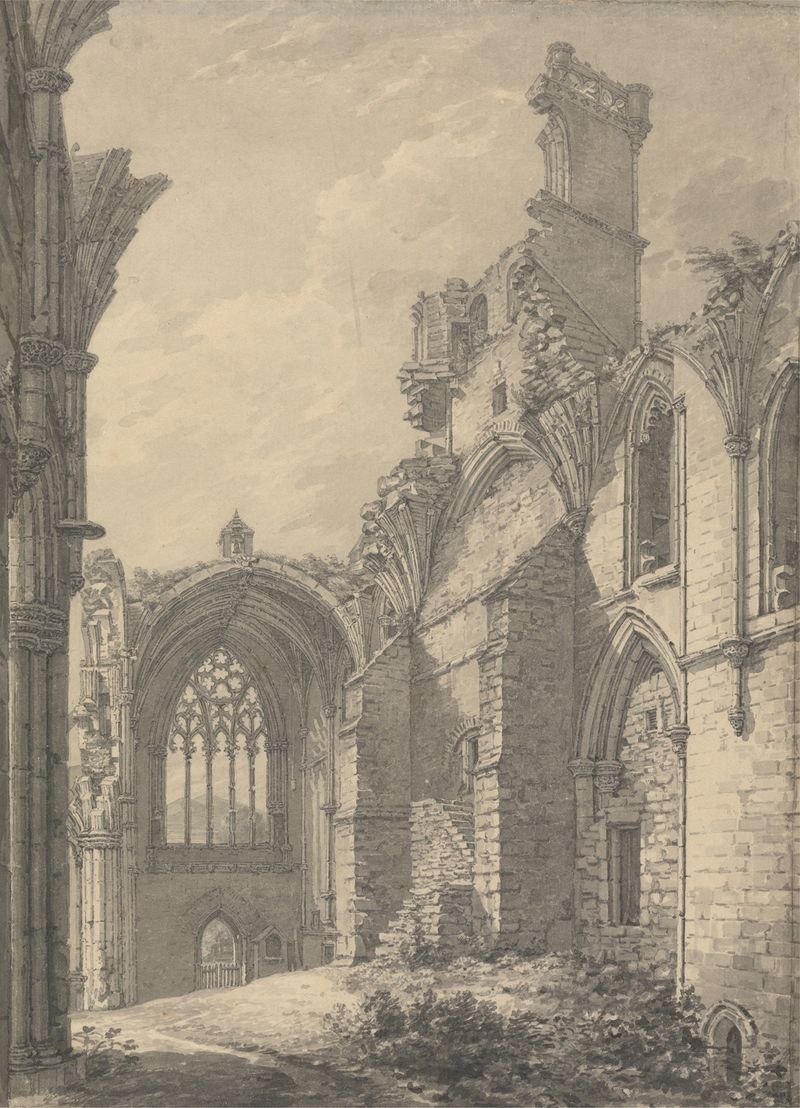
Transept of Melrose Abbey, 1778 Near Old Melrose on the River Tweed, Roxburgh
Thomas Hearne
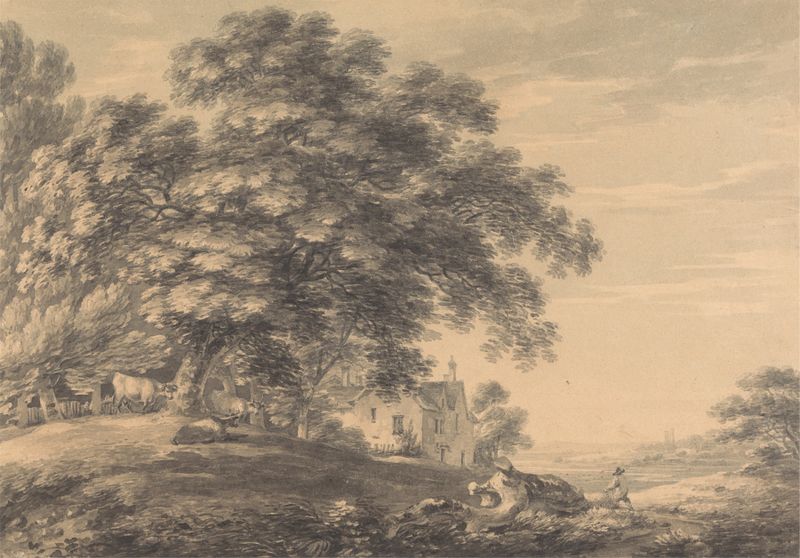
Landscape
Thomas Hearne
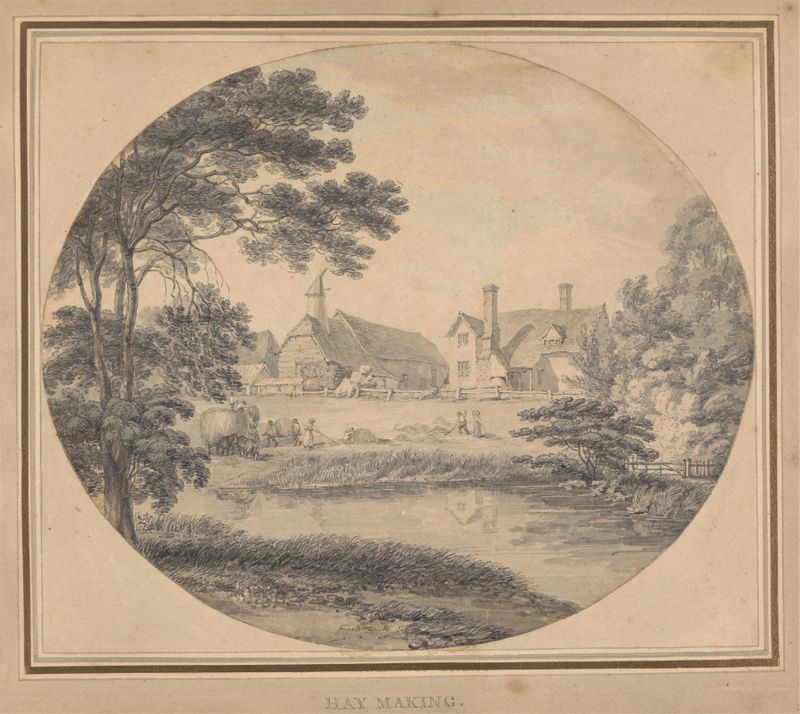
Haymaking
Thomas Hearne

Castle Acre Priory
Thomas Hearne
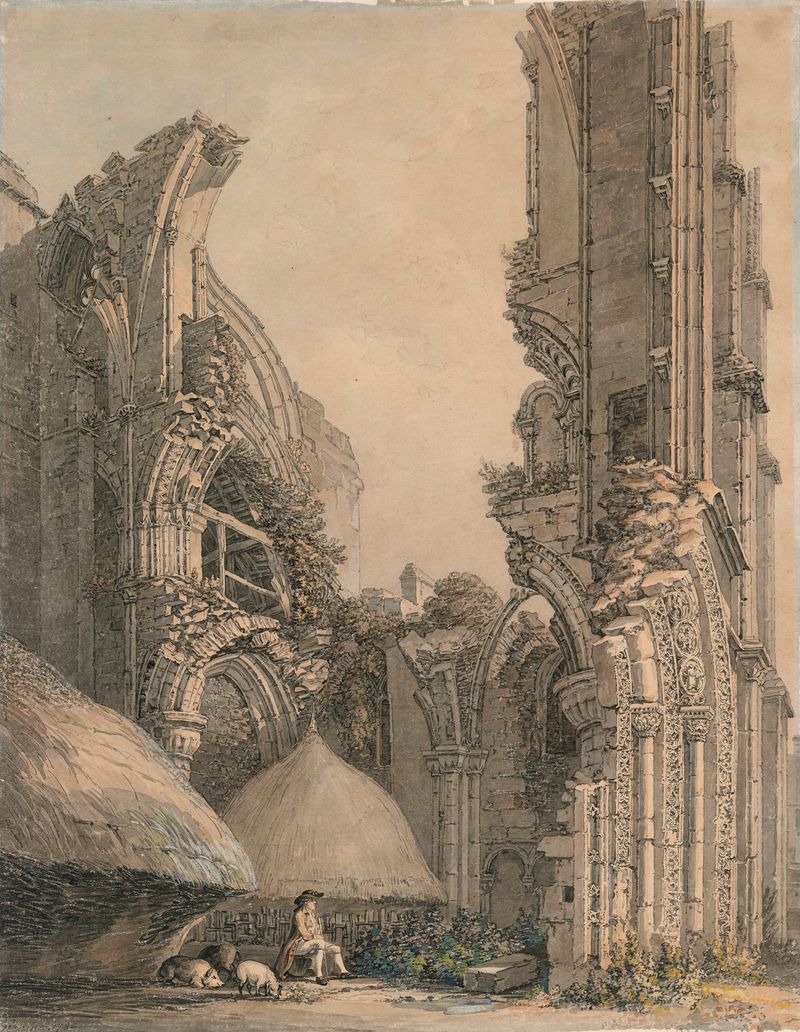
The Ruins of Malmesbury Abbey, Somerset, from the West Front (ill. for ‘The Antiquities of Great Britan’ 1807)
Thomas Hearne
More Architecture Art
Browse all →
The statue of Liberty
Frédéric Auguste Bartholdi

View of Houses in Delft, Known as ‘The Little Street’
Johannes Vermeer

View of Houses in Delft, Known as ‘The Little Street’
Johannes Vermeer

The Cathedral in Rouen. The portal, Grey Weather
Claude Monet

The yellow house
Vincent van Gogh

The Church in Auvers-sur-Oise, View from the Chevet
Vincent van Gogh