
The Giralda, Seville — History & Facts
The first thing that catches the eye in The Giralda, Seville is the way the famous tower rises, almost unexpectedly, from a jumble of sun-bleached rooftops. The painter, Adrien Dauzats, chooses not to give us the tower in splendid isolation, but instead lets it emerge from the everyday life of the city—whitewashed walls, drying laundry, and the crenellated line of an old wall. The sky is an unbroken, brilliant blue, pulling your gaze upward and lending a sense of calm to the busy geometry below.
The palette is warm and direct, with the creamy whites and ochres of Seville’s architecture set off by the coolness of the sky, while the scattered plants and shadows suggest a city both lived-in and ancient. Every detail, from the tiny pots on a rooftop to the distant flutter of fabric, is a quiet invitation to imagine life unfolding just out of sight. Painted between 1836 and 1837, this work belongs to a moment when European artists were captivated by the light, architecture, and atmosphere of southern Spain. Painters like Dauzats traveled to capture these scenes for audiences hungry for glimpses of distant places, often working quickly in oil on paper to seize the fleeting effects of light and color.
Today, The Giralda, Seville resides in the Metropolitan Museum of Art, a small but vivid record of a city seen through foreign eyes nearly two centuries ago. History has kept few traces of this particular painting’s journey, but its quiet clarity and sense of place invite us to linger, letting our eyes travel along the rooftops toward the tower that has watched over Seville for centuries.
More Artworks by Adrien Dauzats

La Giralda de Séville Musée du Louvre Peintures INV 3686 ; LP
Adrien Dauzats
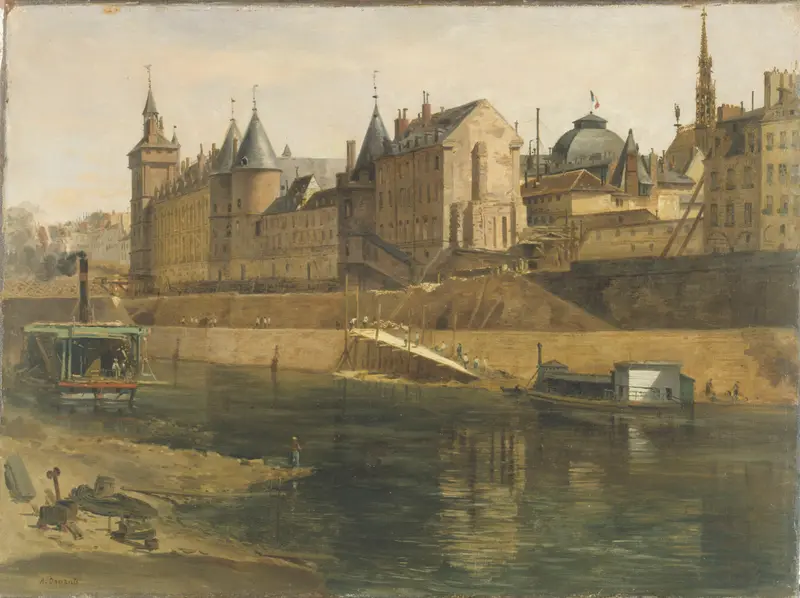
La Conciergerie pendant les travaux de reconstruction du Palais de Justice
Adrien Dauzats
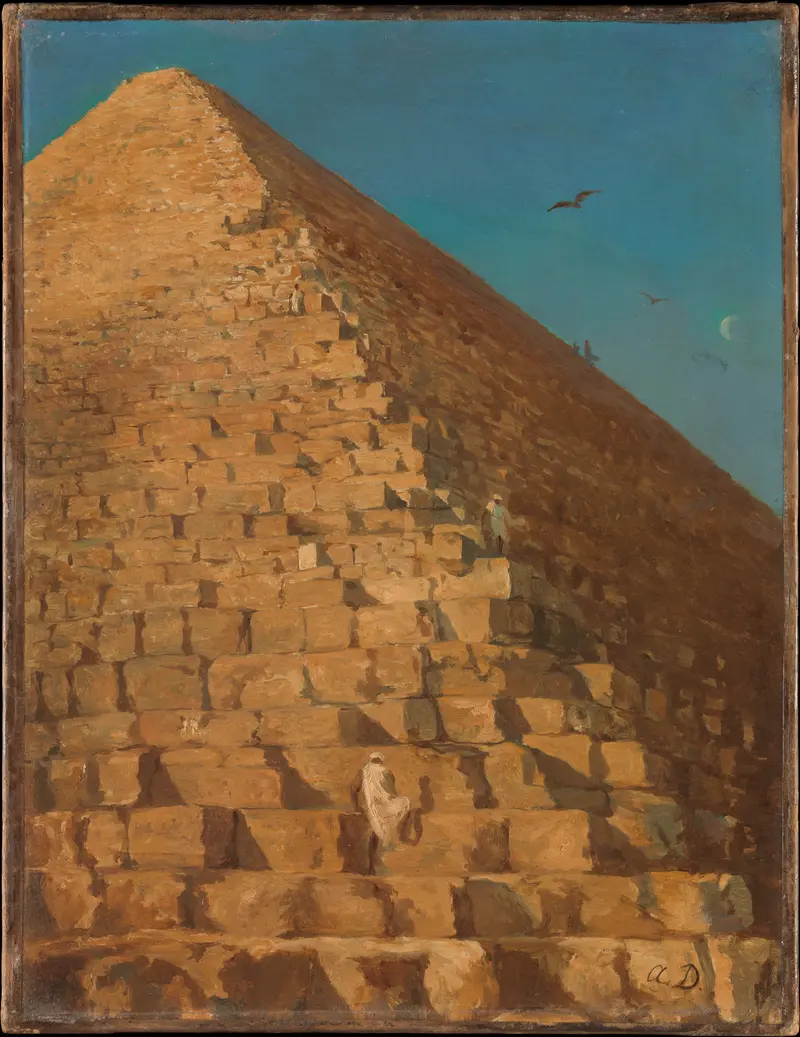
The Great Pyramid, Giza
Adrien Dauzats
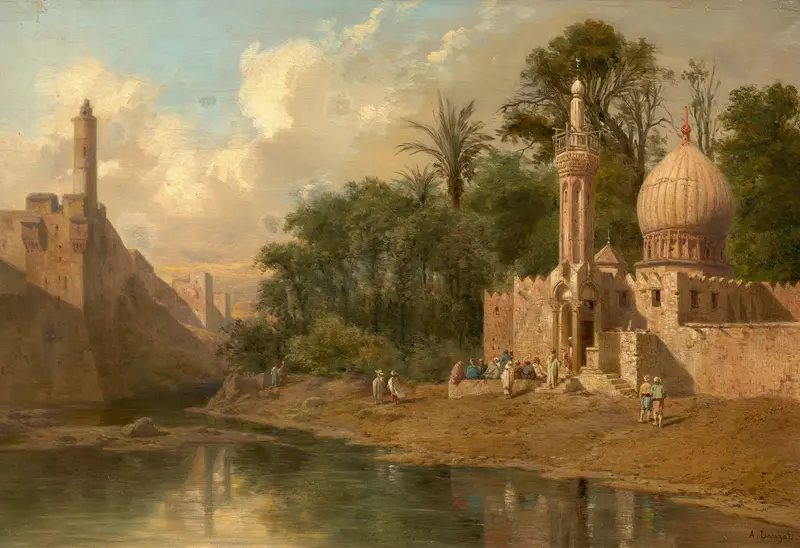
Vue de monuments, probablement au Caire
Adrien Dauzats
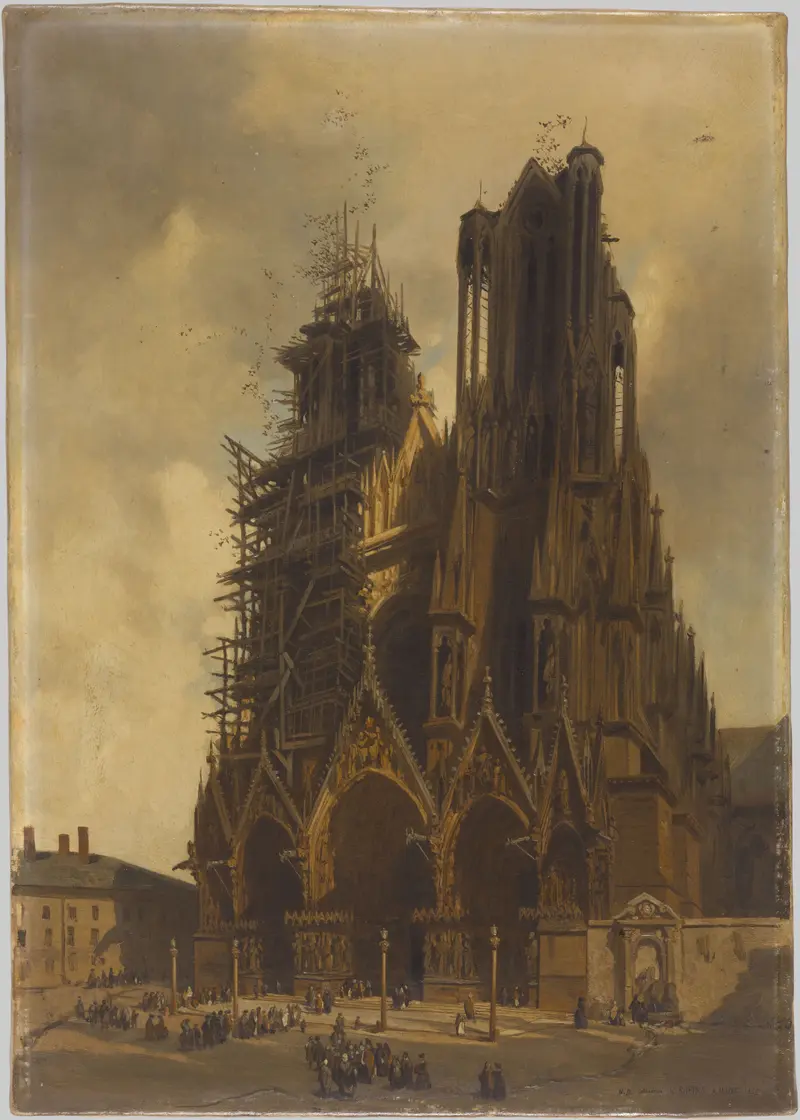
La Cathédrale de Reims
Adrien Dauzats
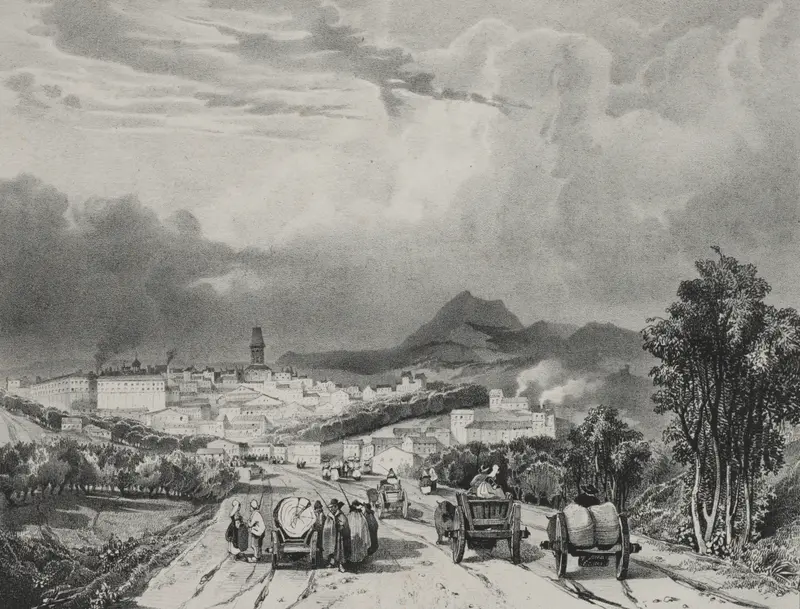
Vue generale de Riom, Auvergne
Adrien Dauzats
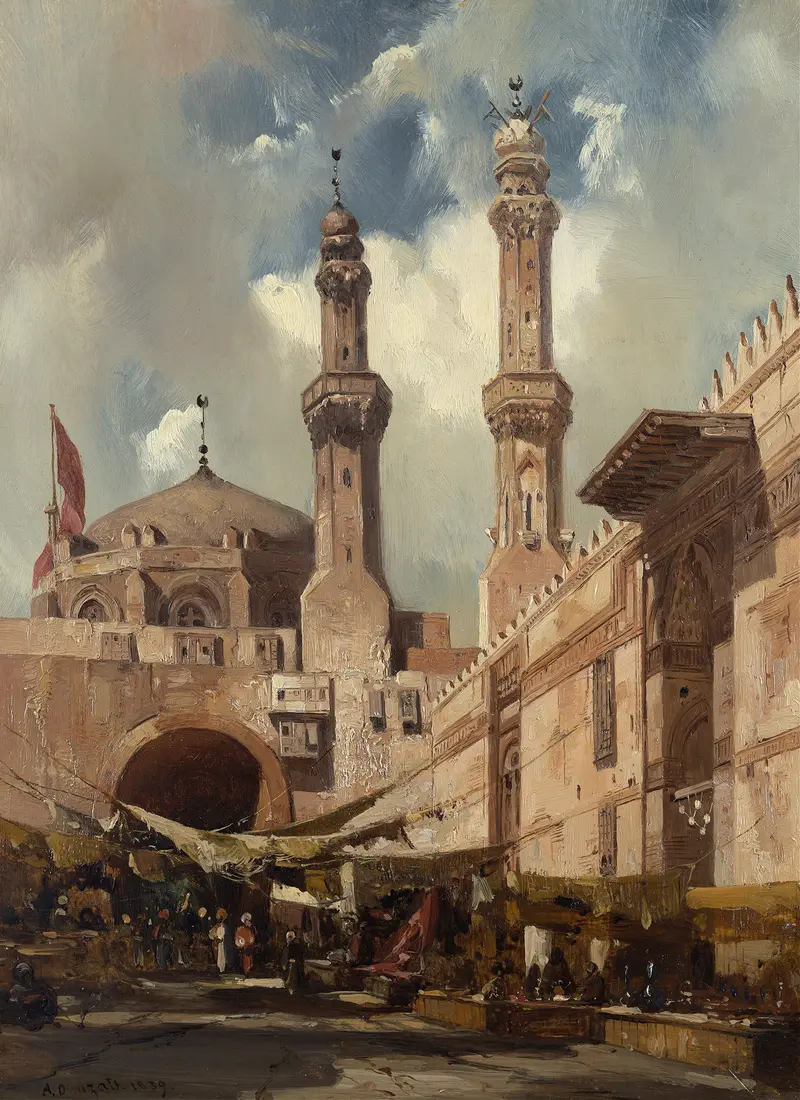
A Cairo Bazaar
Adrien Dauzats
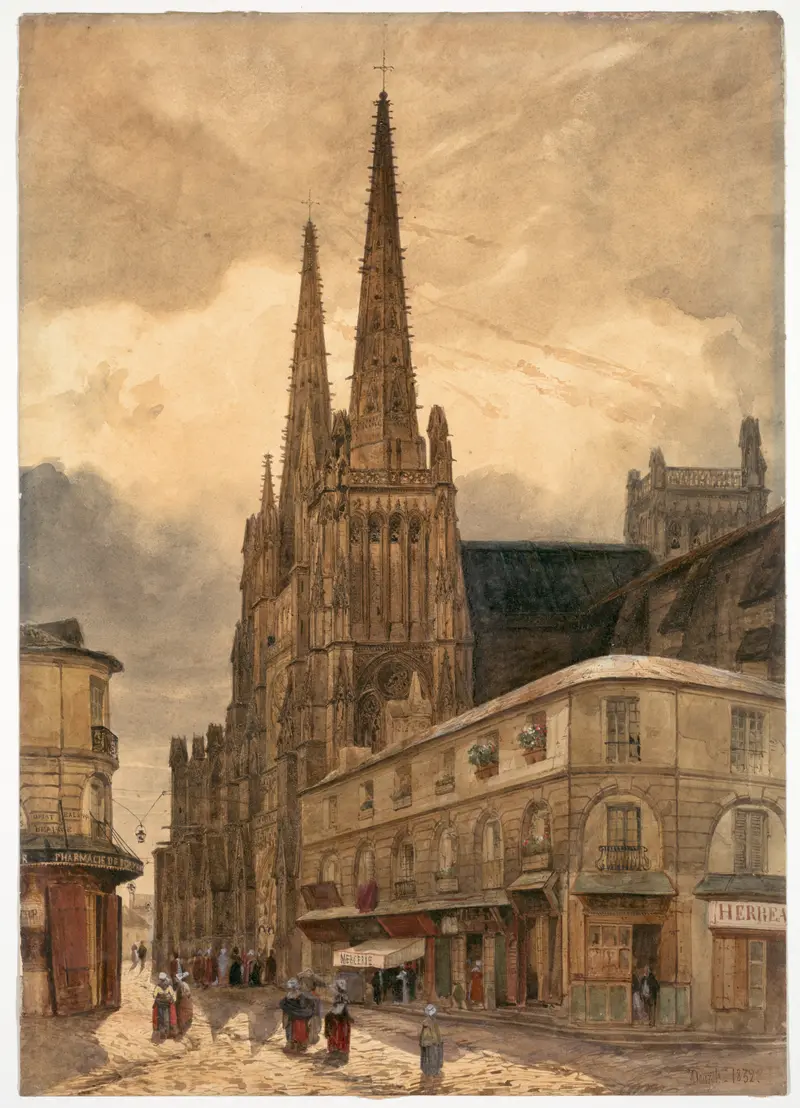
Cathédrale Sainte-André de Bordeaux
Adrien Dauzats
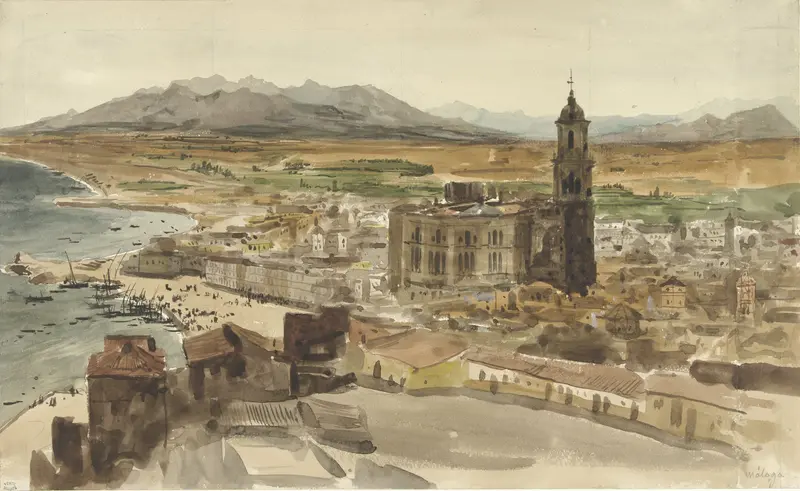
Gezicht op Malaga vanuit het Noorden
Adrien Dauzats
Ruined Church
Adrien Dauzats
More Landscape Art

The Starry Night
Vincent van Gogh

View of Delft
Johannes Vermeer

Water Lilies
Claude Monet

The Grand Canal, Venice, looking north-west from the Ca' Corner to the Ca' Contarini degli Scrigni, with the campanile of Santa Maria della Carità
Canaletto

Windsor Castle
Canaletto

The Grand Canal looking North-East from the Palazzo Dolfin-Manin to the Rialto Bridge
Canaletto