
The Glacier de Trient — History & Facts
In the quiet embrace of nature’s majesty, serenity unfolds — a moment suspended in time, inviting introspection and wonder. Look to the center, where the brilliant blues and whites swirl together, capturing the glacier’s icy essence. Notice how the light breaks across the surface, creating a tapestry of reflections that dance delicately upon the water. This interplay of color and texture evokes a sense of calm, while the surrounding jagged peaks frame the scene with a protective embrace, anchoring the viewer within this tranquil expanse. Delve deeper into the intricate details; there, nestled in the icy crevices, are hints of life — a few bold strokes of green suggest resilient vegetation, juxtaposing the starkness of ice and rock.
This contrast not only highlights the glacier's raw power but also symbolizes the delicate balance of existence, where beauty thrives amidst harsh conditions. The soft brushwork suggests a profound stillness, as if time itself holds its breath in reverence of nature's grandeur. In 1867, the artist painted this work during a period of exploration and romanticism in art, where the natural world beckoned with mystery and allure. Walton, immersed in the grandeur of the Swiss Alps, was influenced by both the emerging landscape movement and the desire to capture the sublime.
This piece reflects not only his personal journey but also a broader cultural fascination with the awe-inspiring power of nature.
More Artworks by Elijah Walton
Browse all →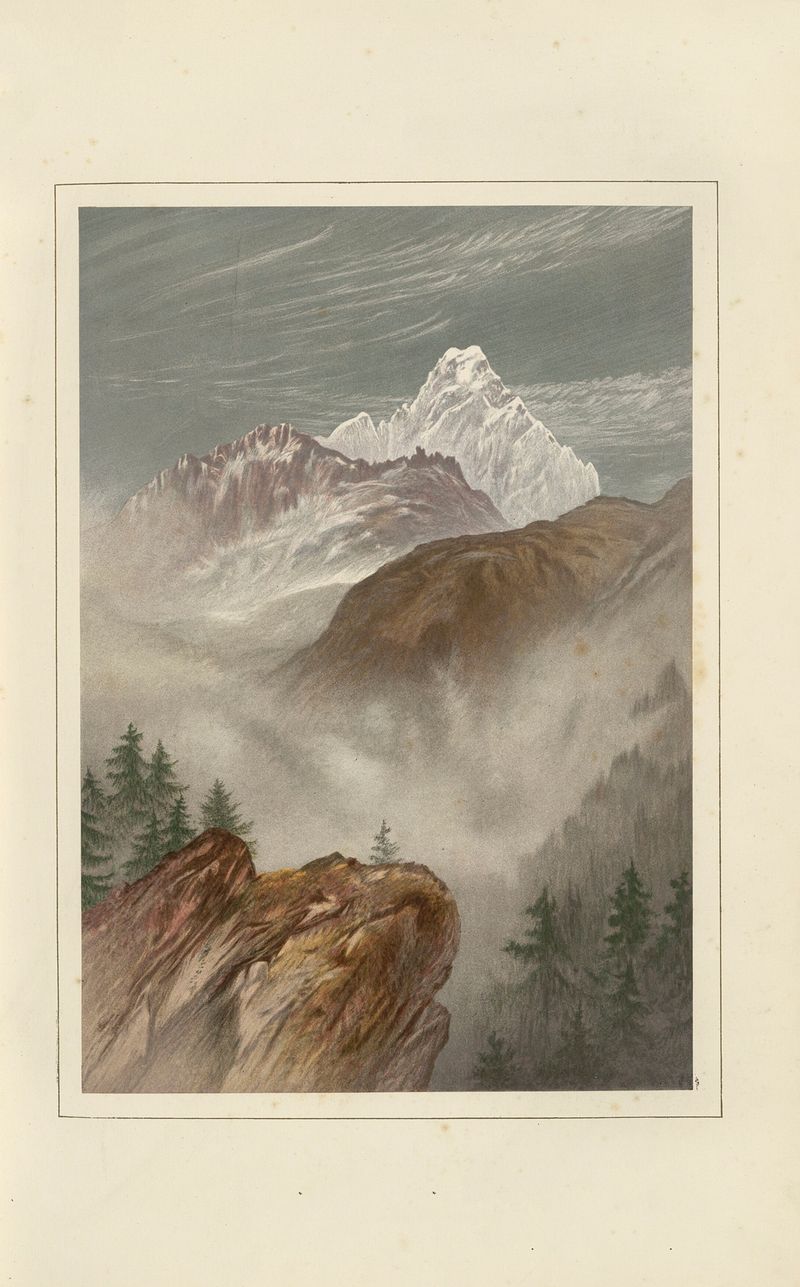
Monte Viso, from the south
Elijah Walton

The Matterhorn
Elijah Walton

The Gorner glacier
Elijah Walton

The Cascade de Roget and the Pointe de Salles
Elijah Walton
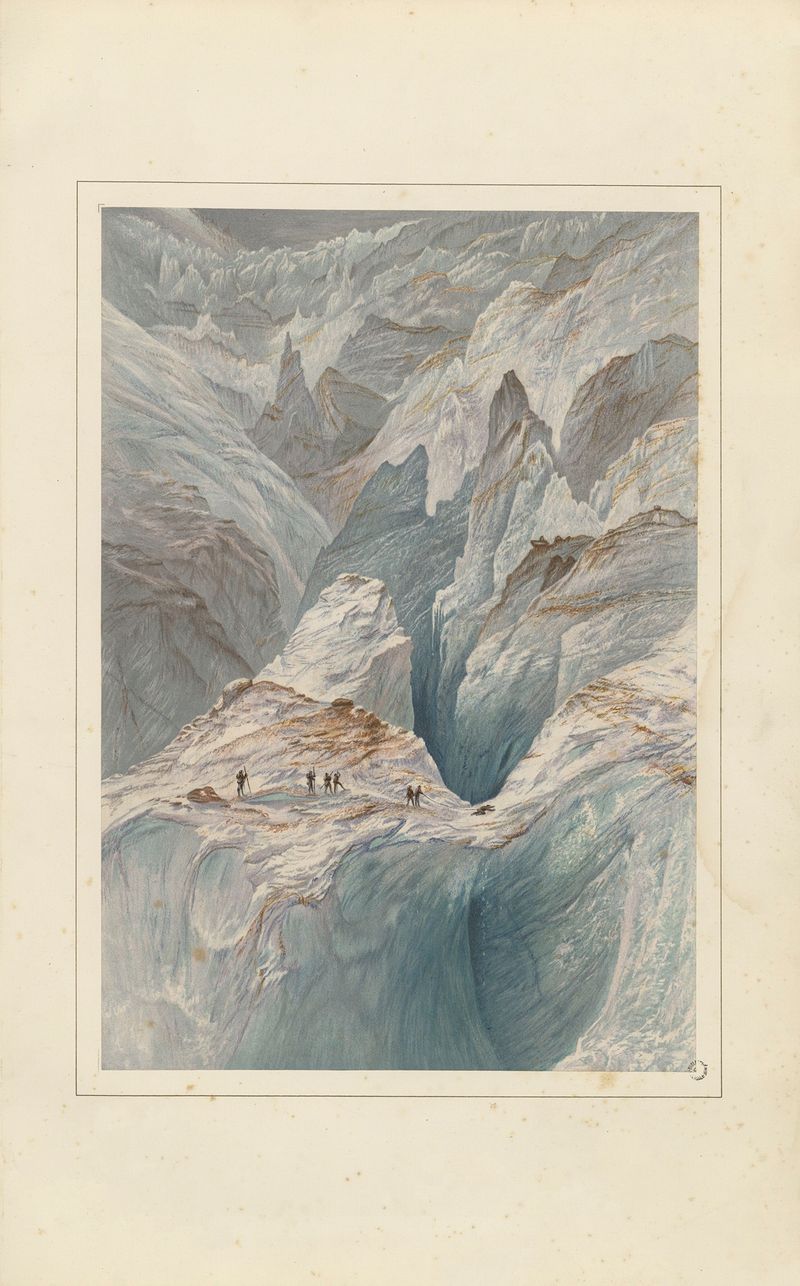
Crevasses on the Mer de Glace
Elijah Walton
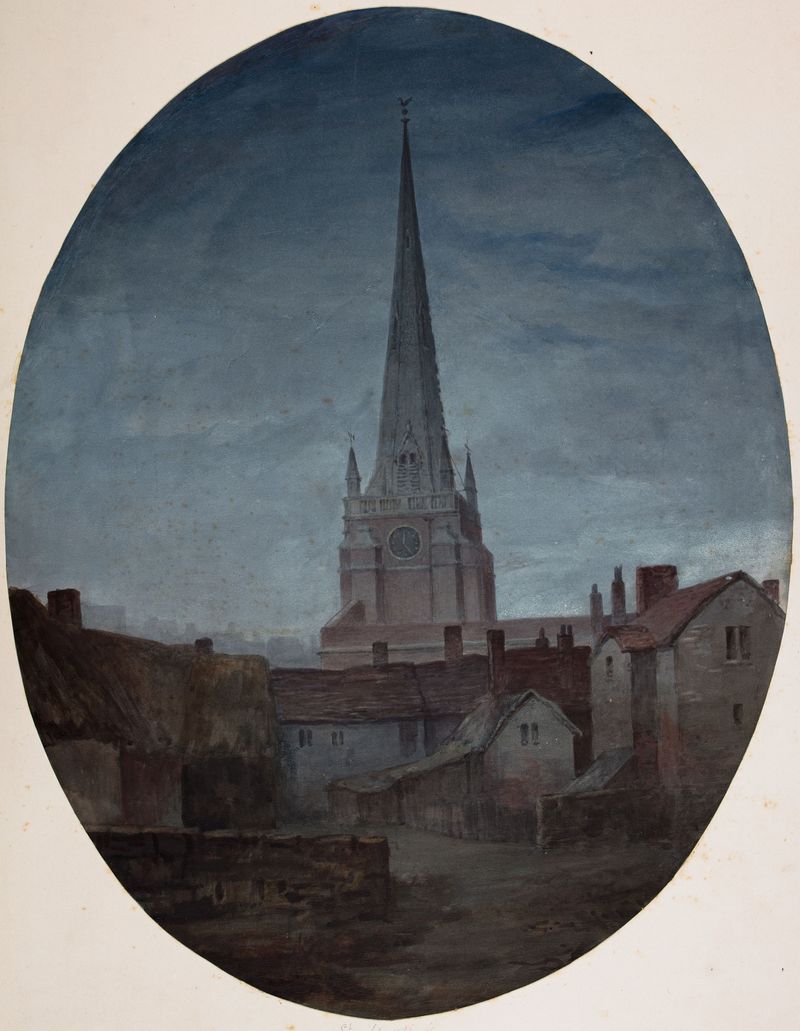
St Martin’s Church Birmingham, By Night
Elijah Walton

The Weisshorn, from near St. Niklaus
Elijah Walton

Monte Viso, from the Col de La Croix
Elijah Walton
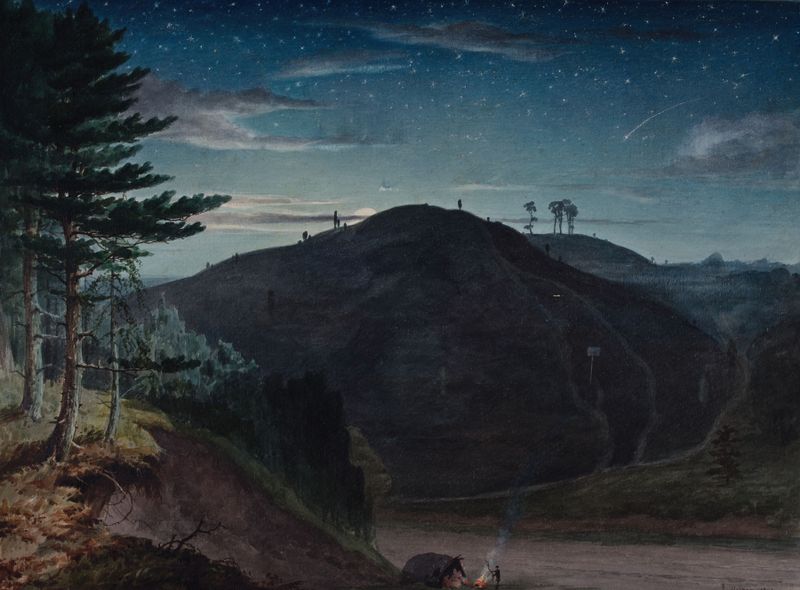
Cofton From Rednal, Moonlight
Elijah Walton
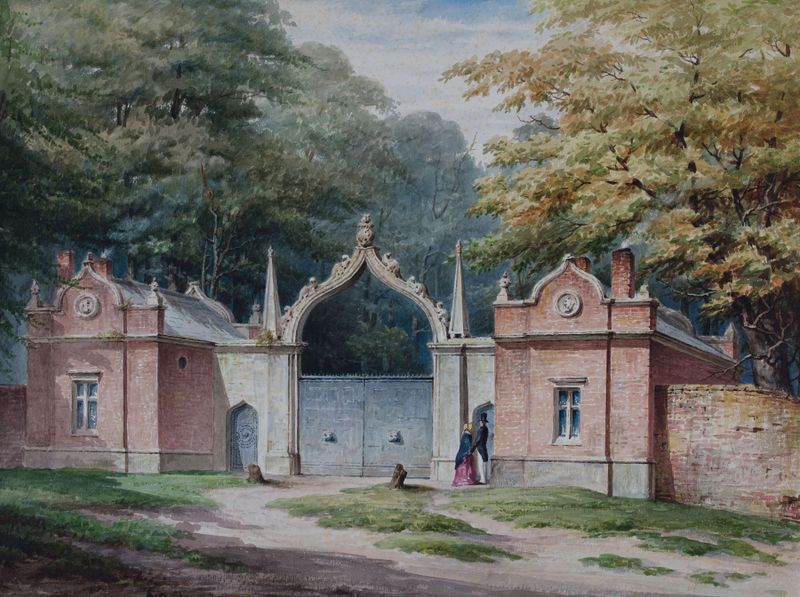
Lodge Gates, Entrance To Aston Hall
Elijah Walton





