The goldsmith — History & Facts
Reflection is not merely a surface quality but a deep revelation of inner truths. It unveils the layers of life’s complexities, prompting us to ask: what lies beneath the polished exterior? Look closely at the interplay of light and shadow in The Goldsmith. Notice how the warm glow of the gold illuminates the figures, casting delicate shadows that dance upon the textured surfaces.
The meticulous detailing of the goldsmith's tools captures both his craftsmanship and the reverence of his art. The rich palette, dominated by deep browns and golden hues, invites you to linger, making every glance a discovery. Beneath the exquisite surface, there are threads of tension woven into the work. The goldsmith's concentrated gaze, juxtaposed with the viewer's sense of voyeurism, speaks to the balance of creation and observation.
The subtle expressions of the figures suggest a world bustling with unspoken stories, where labor and artistry collide. Every detail, from the intricate patterns on the garments to the gleam of the precious metals, serves as a metaphor for the transformative power of art itself. Rembrandt painted The Goldsmith in 1655 during a time of both personal struggle and artistic innovation in Amsterdam. At this point in his life, he was grappling with financial difficulties while simultaneously reaching new heights in his career.
The piece reflects the era’s burgeoning interest in realism and the interplay of light and shadow, showcasing his mastery and the evolving context of art in the 17th century.
More Artworks by Rembrandt van Rijn
Browse all →
The Night Watch Militia Company of District II under the Command of Captain Frans Banninck Cocq
Rembrandt van Rijn

The Return of the Prodigal Son
Rembrandt van Rijn

The Hundred Guilder Print: the figures leaning on the wall in the centre left
Rembrandt van Rijn

The Hundred Guilder Print: the central piece with Christ preaching, the plate arched
Rembrandt van Rijn

Isaac and Rebecca, Known as ‘The Jewish Bride’
Rembrandt van Rijn
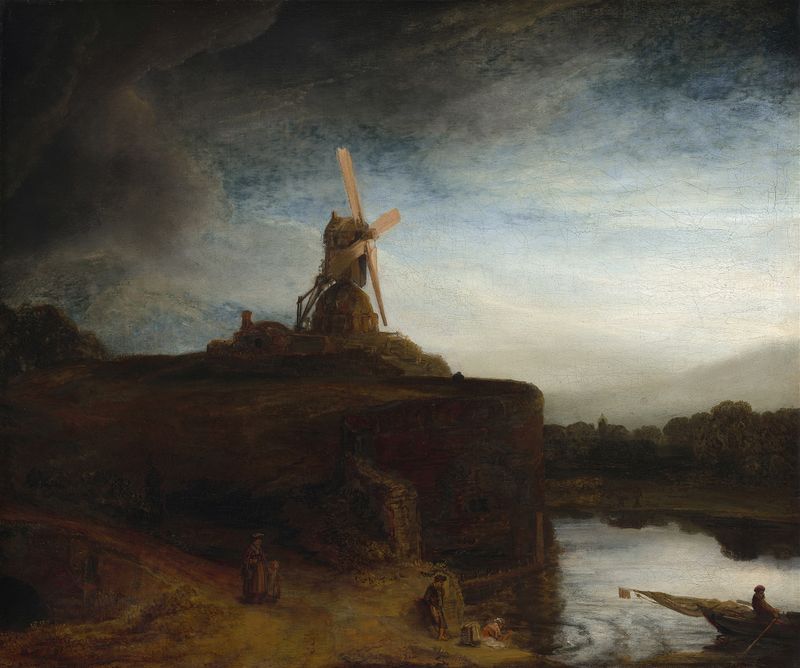
The Mill
Rembrandt van Rijn

The Sampling Officials of the Amsterdam Drapers’ Guild, Known as ‘The Syndics’
Rembrandt van Rijn

The return of the prodigal son
Rembrandt van Rijn
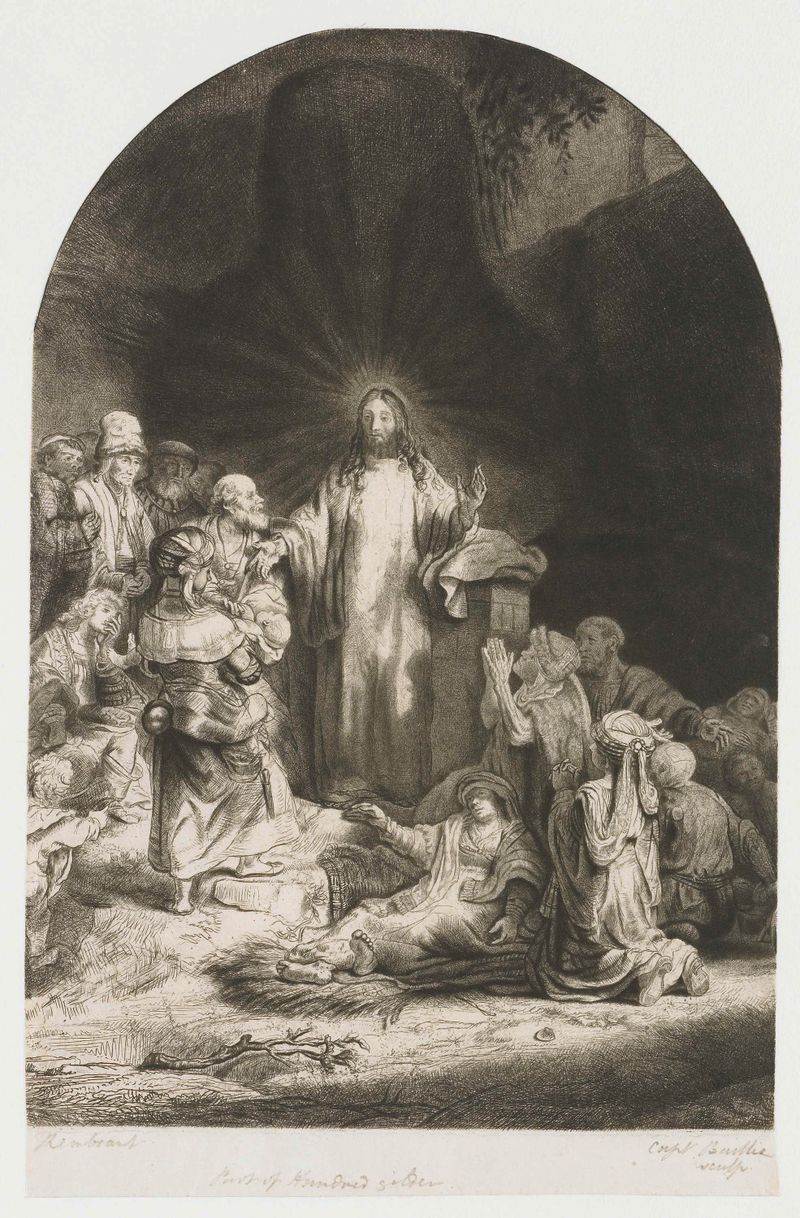
The Hundred Guilder Print: the central piece with Christ preaching, the plate arched
Rembrandt van Rijn

The Hundred Guilder Print: the man seen on the back in the lower left corner
Rembrandt van Rijn