
The Good Shepherd — History & Facts
Can paint confess what words never could? In The Good Shepherd, the canvas becomes a sanctuary for the soul, a place where balance between the sacred and the earthly unfolds. Look to the center, where the shepherd stands, a figure of quiet strength wrapped in a cloak of soft, earthy tones. Notice how the light streams in from the left, illuminating his face with a gentle radiance that contrasts with the more muted shades of the lamb resting in his arms. The artist skillfully uses light to guide our gaze and evoke a sense of peace, drawing attention to the tender bond between man and beast.
The composition is harmonious, with the shepherd’s posture exuding both authority and compassion. Deeper still, the emotional tension lies in the shepherd’s gaze, a vigilant yet nurturing watchfulness that speaks of responsibility. The coturnix lamb, cradled in his arms, symbolizes innocence and vulnerability, creating a poignant juxtaposition against the harsh realities of the world outside this serene moment. The background remains ambiguous and shadowy, suggesting the unknown, while the shepherd’s presence embodies hope, embodying the balance between protection and freedom. Henry Ossawa Tanner created this work during the late 19th century, a time marked by his own struggles as an African American artist in a predominantly white art scene.
Living in Paris, he sought to capture the spiritual essence of his subjects while breaking away from traditional representations. This painting reflects his journey of finding his artistic voice amid societal challenges, embracing themes of faith, compassion, and the universal longing for connection.
More Artworks by Henry Ossawa Tanner
Browse all →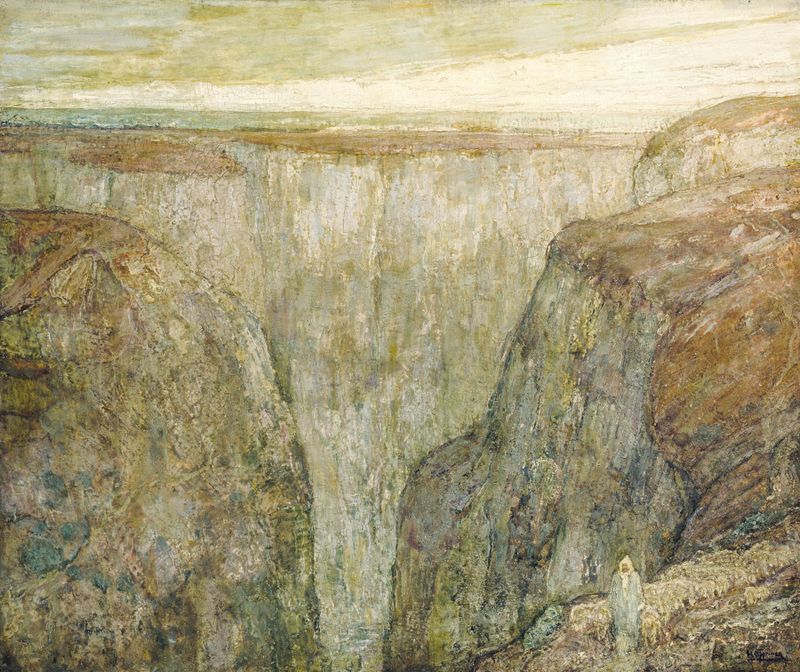
The Good Shepherd (Atlas Mountains, Morocco)
Henry Ossawa Tanner
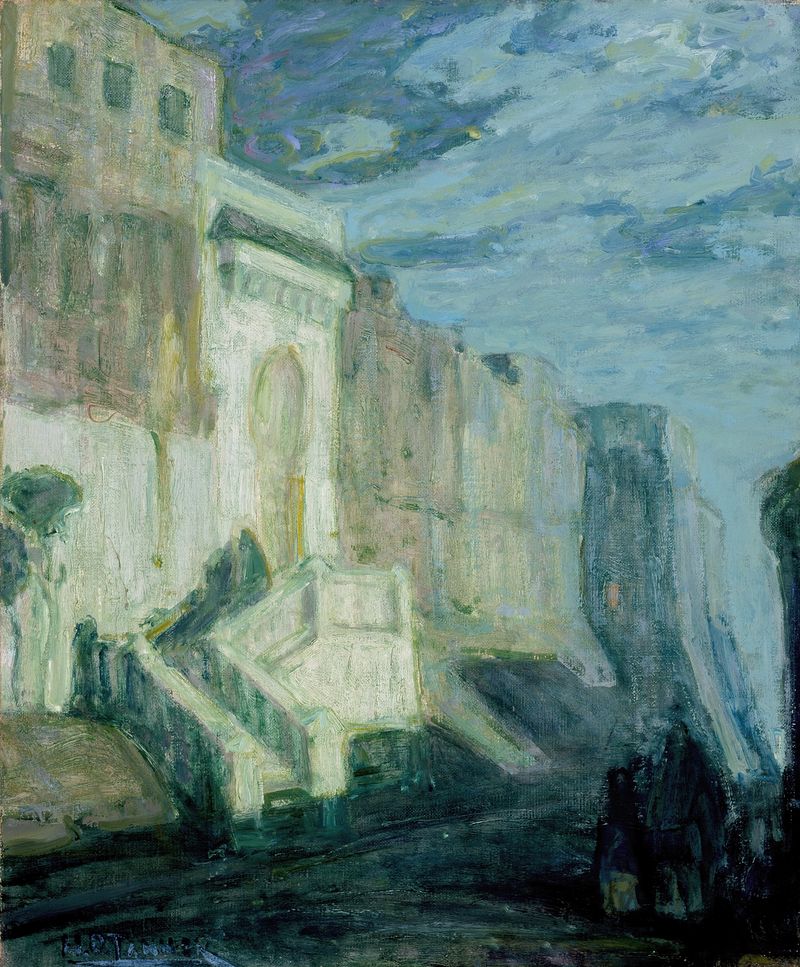
Moonlight; Walls of Tangiers
Henry Ossawa Tanner
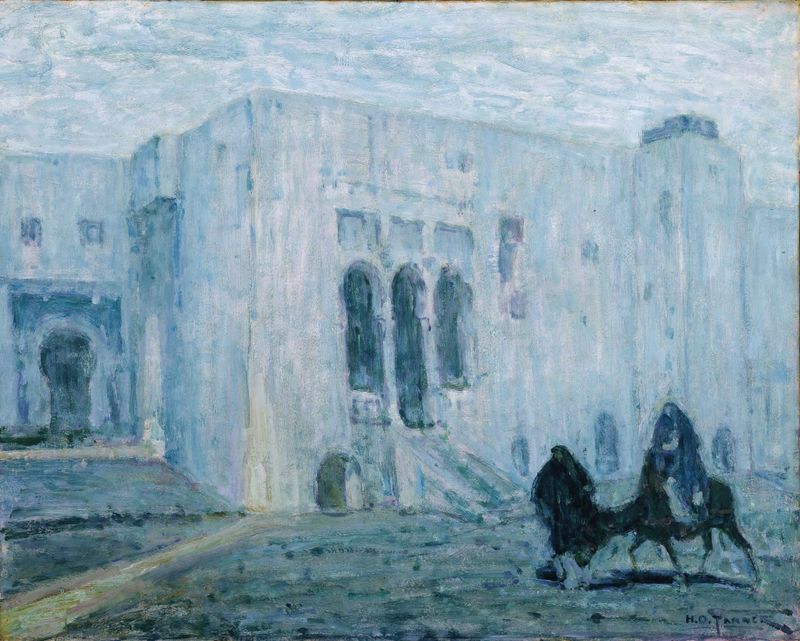
Palace of Justice, Tangier
Henry Ossawa Tanner
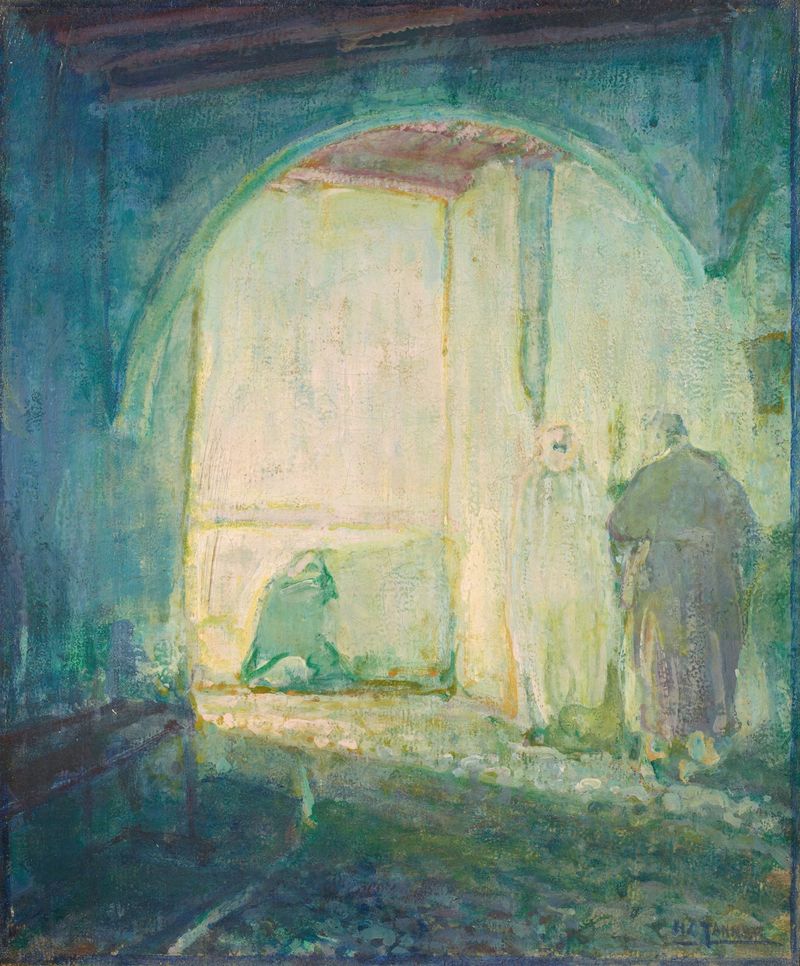
Moroccan Scene
Henry Ossawa Tanner
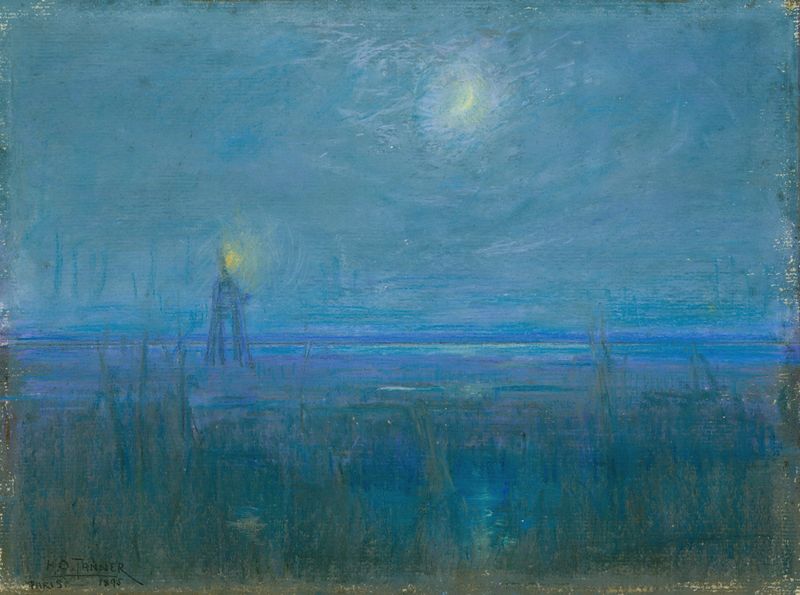
Marshes In New Jersey
Henry Ossawa Tanner
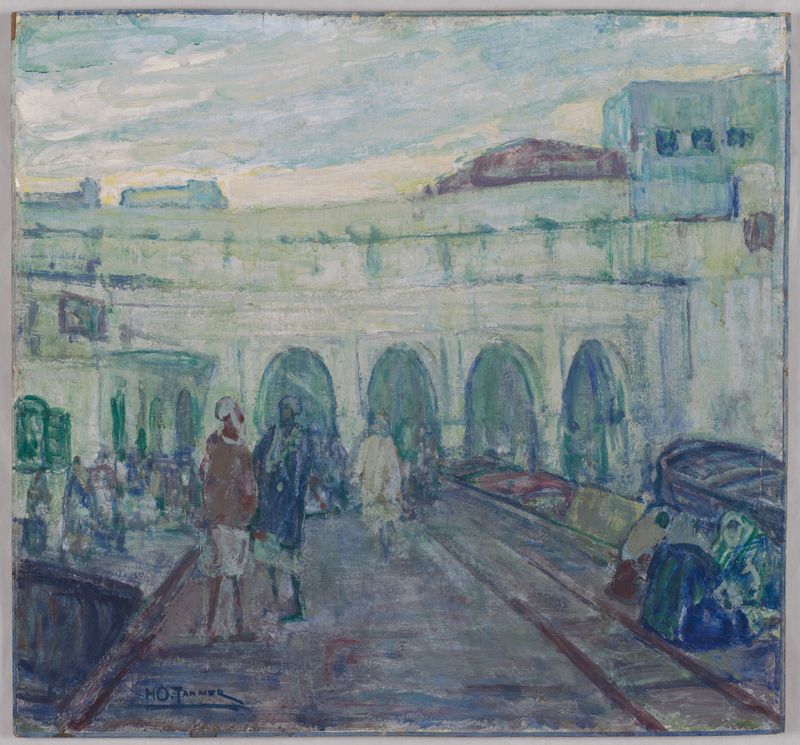
Port of Tangiers (Entrance to the Customs House)
Henry Ossawa Tanner
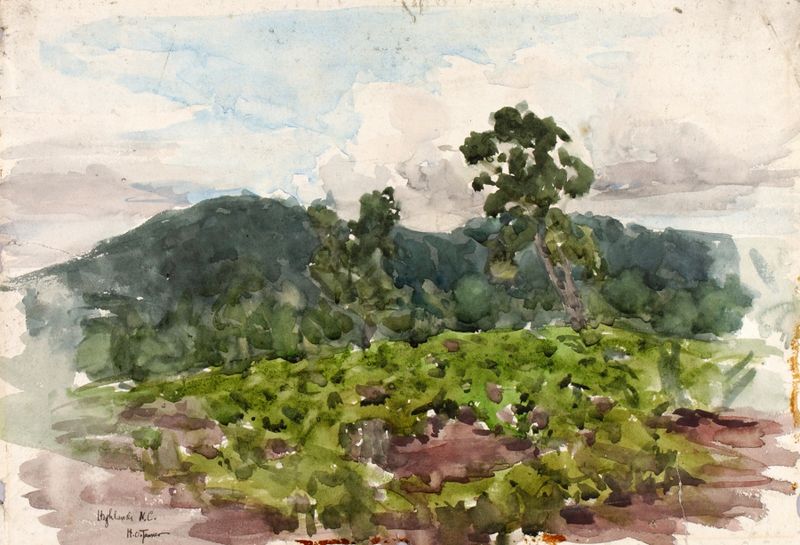
Highlands, N.C.
Henry Ossawa Tanner
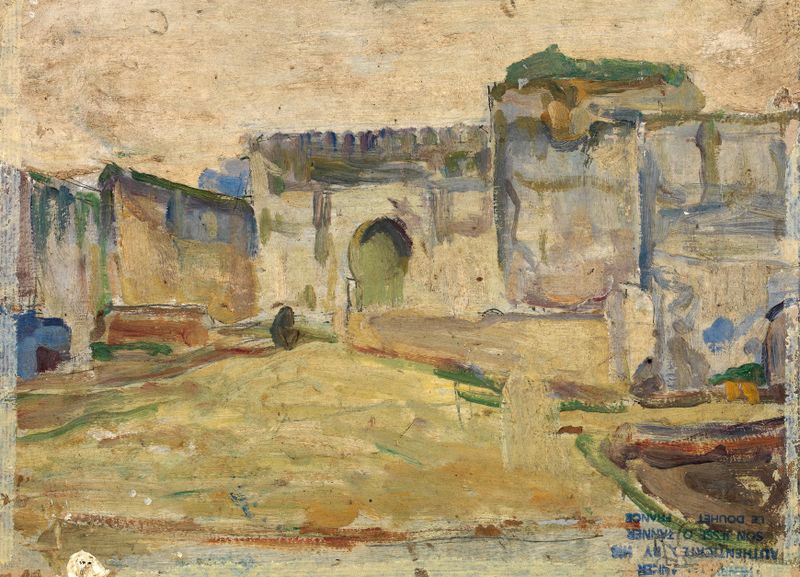
Street Scene, Tangier (Crenelated Architecture)
Henry Ossawa Tanner
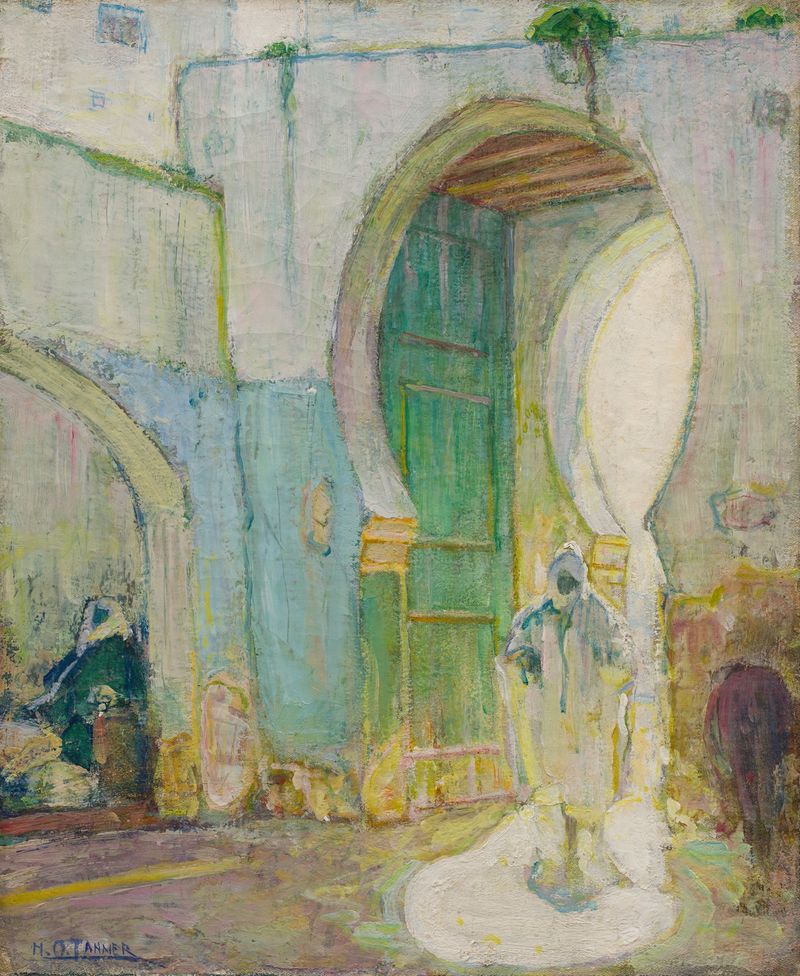
Gateway, Tangier
Henry Ossawa Tanner
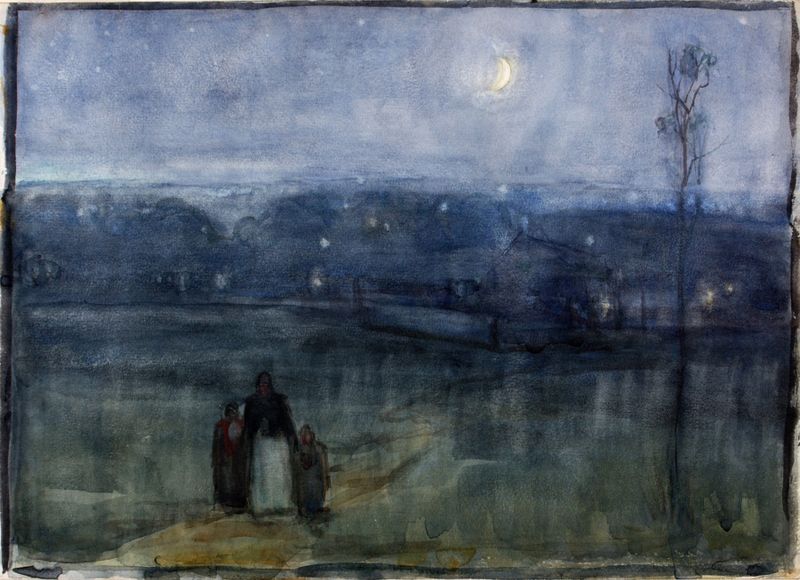
Kansas City, Kansas
Henry Ossawa Tanner
More Religious Art
Browse all →
The Return of the Prodigal Son
Rembrandt van Rijn

The Garden of Earthly Delights
El Bosco

Count Orgaz’ funeral
El Greco

The Hundred Guilder Print: the central piece with Christ preaching, the plate arched
Rembrandt van Rijn

The Descent from the Cross
Rogier van der Weyden

The return of the prodigal son
Rembrandt van Rijn