
Street Scene, Tangier (Crenelated Architecture) — History & Facts
In the shadow of a crumbling city, fear lingers palpably in the air. Underneath the archways and between the crevices of the crumbling walls, stories echo—lost narratives of lives once lived amongst the bustling streets. Look to the center of the canvas, where the weathered architecture draws the eye. Notice how the light gently caresses the intricate details of the crenelated structures, creating a play of shadows that deepens the sense of mystery.
Tanner employs a warm palette, a juxtaposition of ochres and earthy tones that imbue the scene with an inviting yet unsettling quality. The careful brushwork captures both the solidity of the buildings and the ephemeral nature of the moment, inviting viewers to step into this world while keeping them at arm's length. Delve deeper into the subtleties of this composition. The placement of figures, perhaps rendered as fleeting silhouettes, suggests both presence and absence—living memories amidst the decay.
Alongside the architectural grandeur, the absence of vibrant human activity hints at an underlying tension, a fear of the unknown or of history lost. Each element weaves together to portray not just a scene, but a deeply felt emotional landscape, where beauty coexists with unease. In 1910, Tanner painted this work during a transformative period in his artistic journey, as he resided in Paris but often drew inspiration from his travels. His experiences in North Africa profoundly influenced his perspective, reflecting a blend of cultural fascination and personal introspection.
This painting emerged amid a broader artistic movement that was exploring color and light in innovative ways, a testament to Tanner's evolving mastery as he navigated the complexities of identity and heritage.
More Artworks by Henry Ossawa Tanner
Browse all →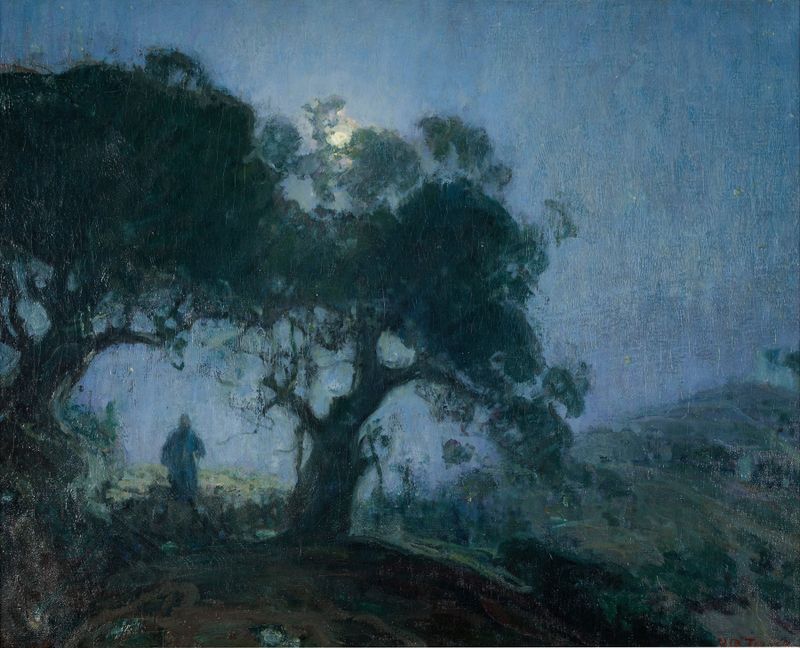
The Good Shepherd
Henry Ossawa Tanner
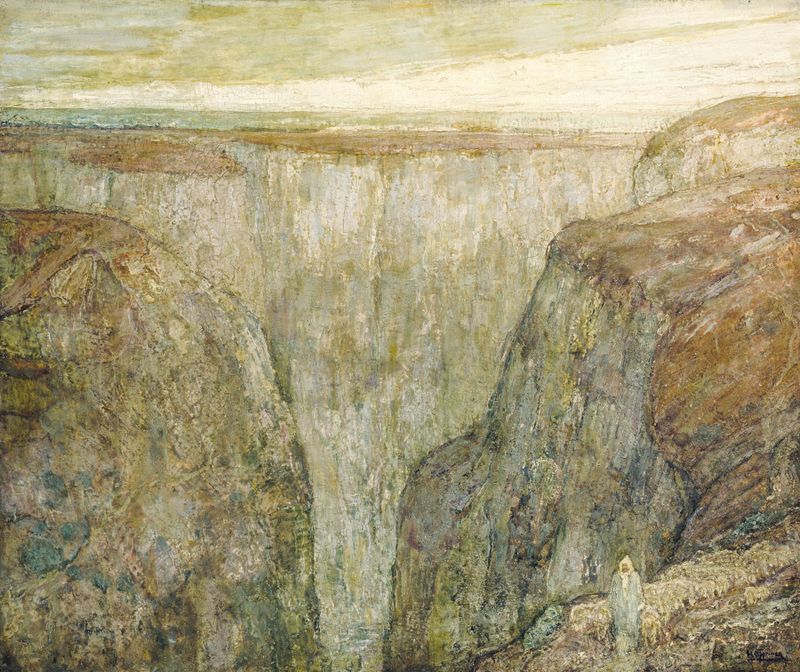
The Good Shepherd (Atlas Mountains, Morocco)
Henry Ossawa Tanner
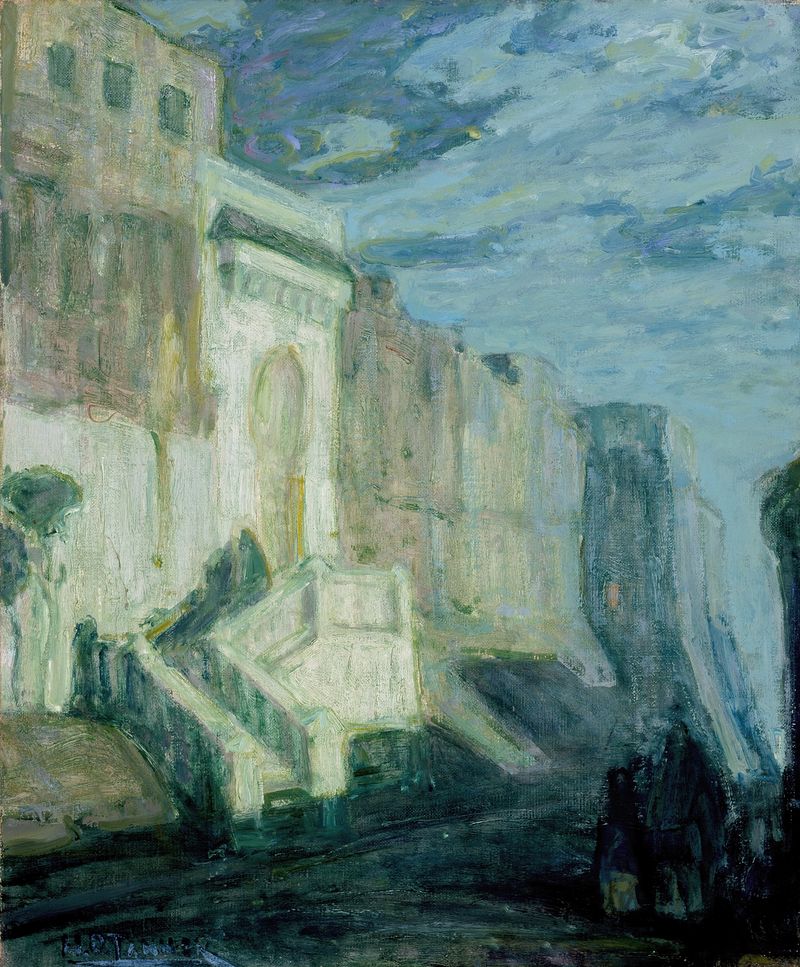
Moonlight; Walls of Tangiers
Henry Ossawa Tanner
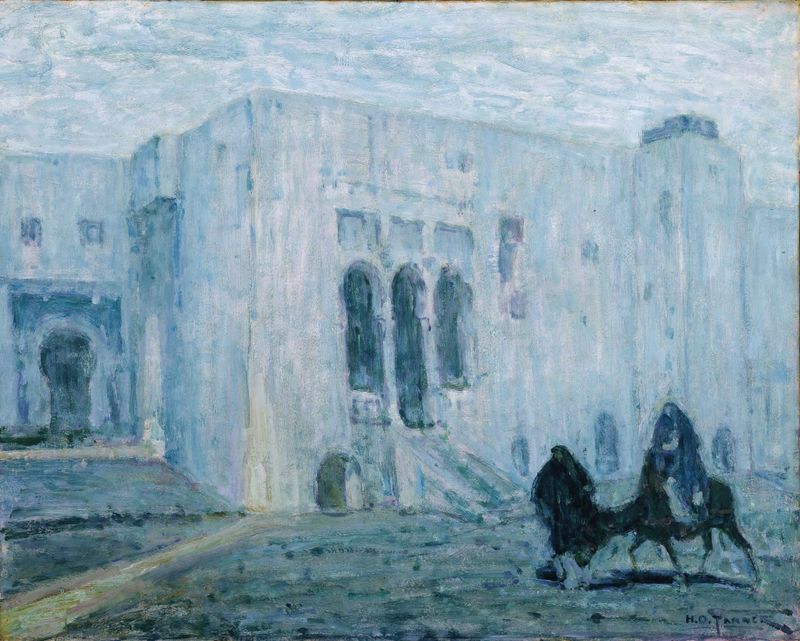
Palace of Justice, Tangier
Henry Ossawa Tanner
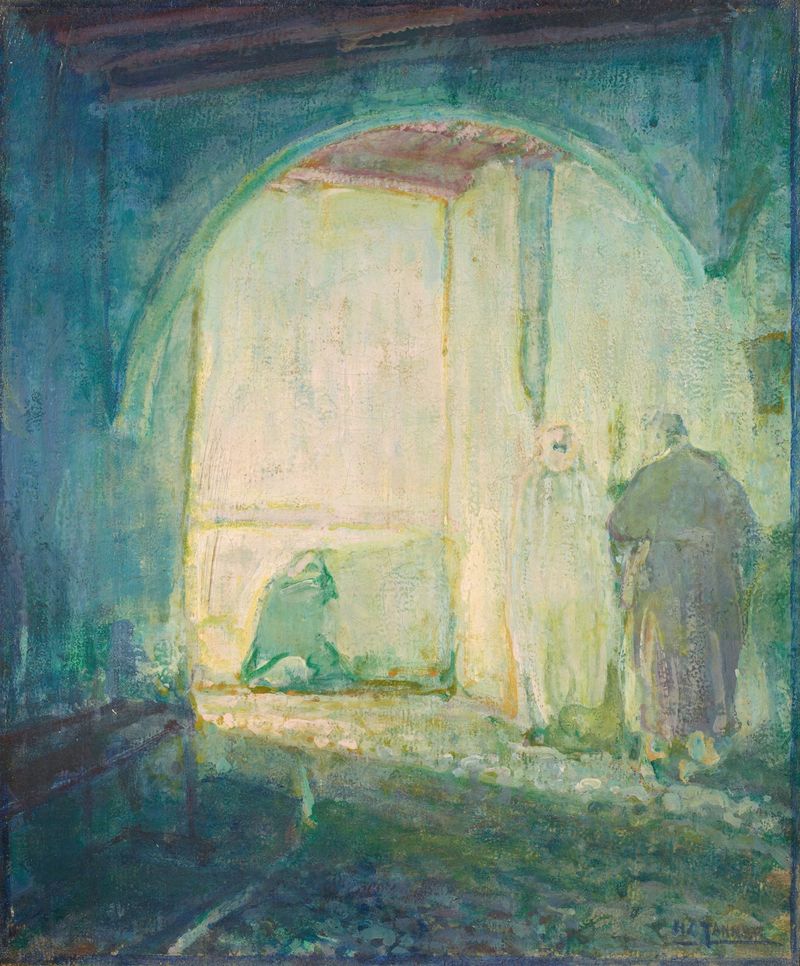
Moroccan Scene
Henry Ossawa Tanner
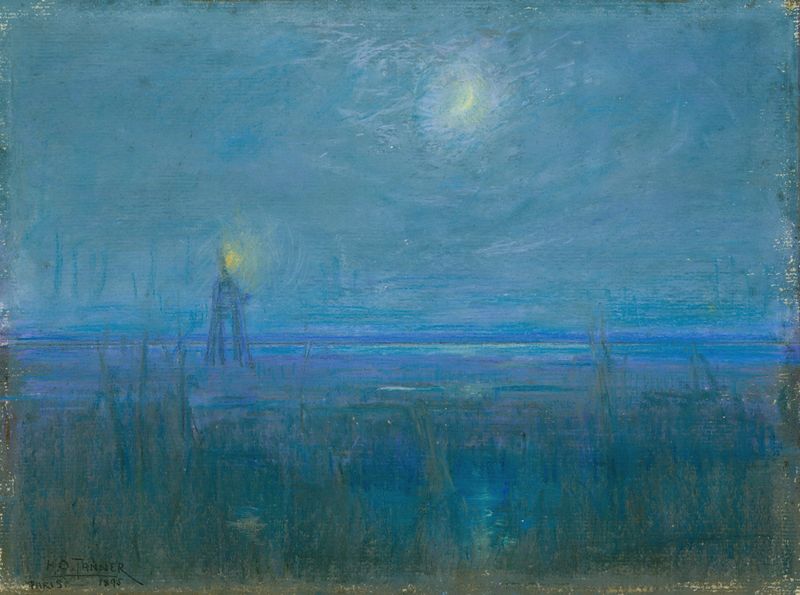
Marshes In New Jersey
Henry Ossawa Tanner
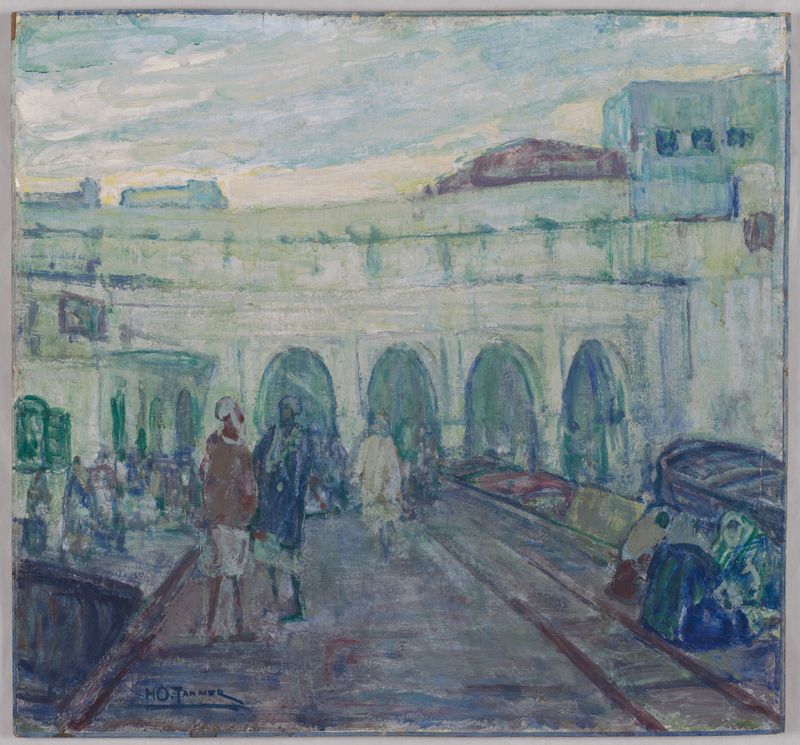
Port of Tangiers (Entrance to the Customs House)
Henry Ossawa Tanner
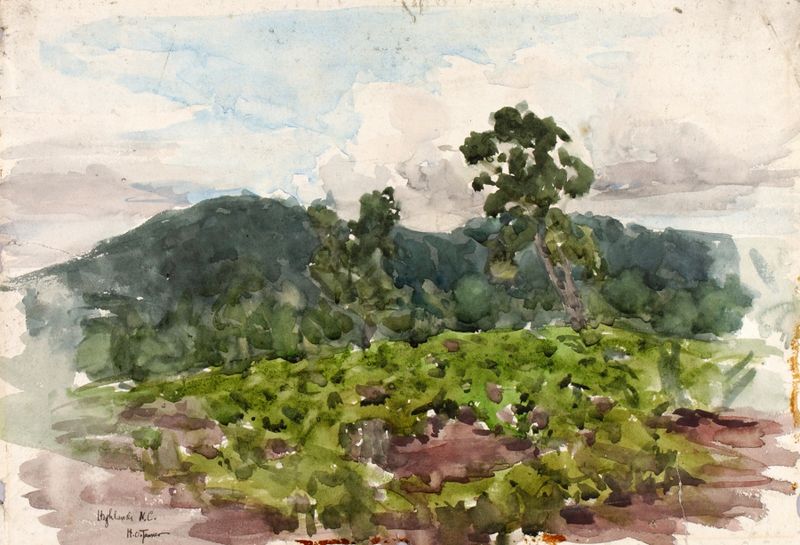
Highlands, N.C.
Henry Ossawa Tanner
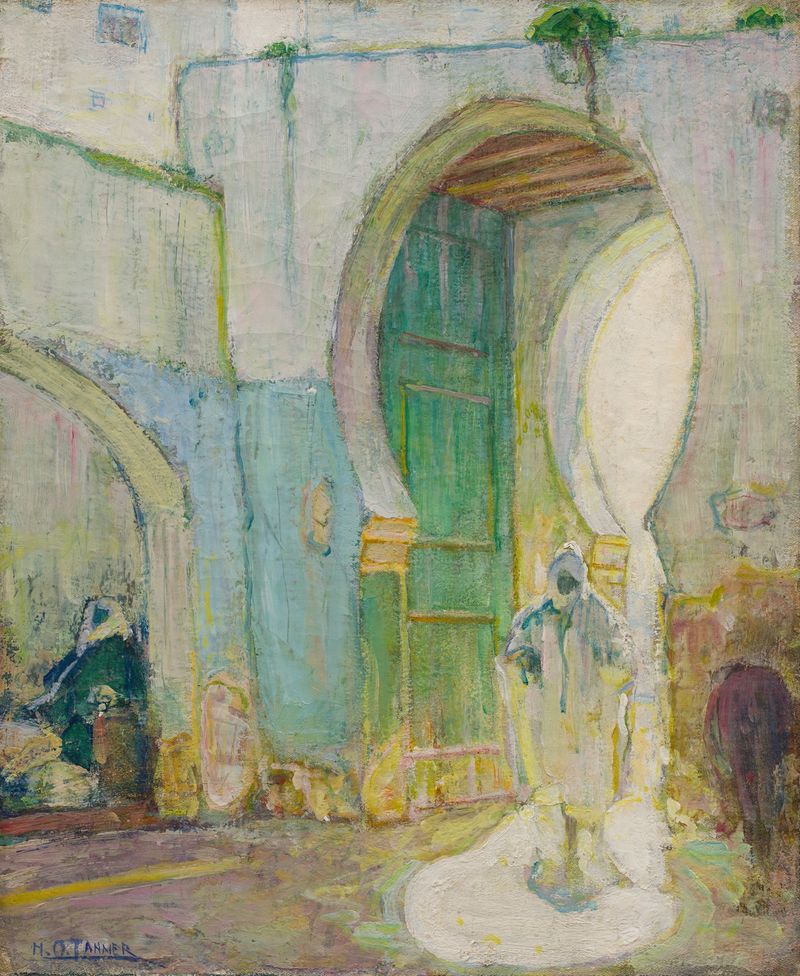
Gateway, Tangier
Henry Ossawa Tanner
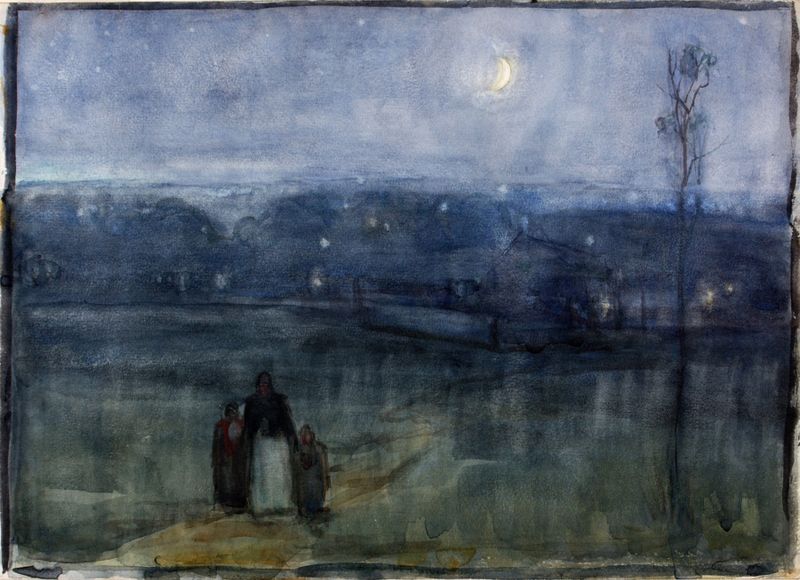
Kansas City, Kansas
Henry Ossawa Tanner
More Architecture Art
Browse all →
The statue of Liberty
Frédéric Auguste Bartholdi

View of Houses in Delft, Known as ‘The Little Street’
Johannes Vermeer

View of Houses in Delft, Known as ‘The Little Street’
Johannes Vermeer

The Cathedral in Rouen. The portal, Grey Weather
Claude Monet

The yellow house
Vincent van Gogh

The Church in Auvers-sur-Oise, View from the Chevet
Vincent van Gogh