
Port of Tangiers (Entrance to the Customs House) — History & Facts
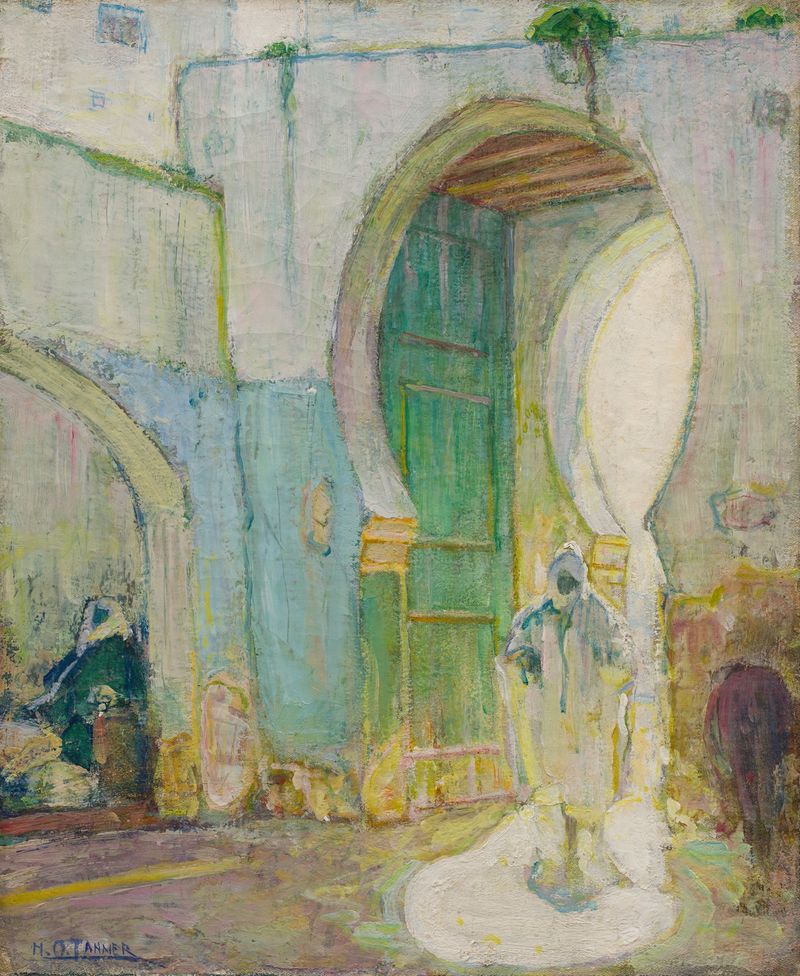
Is this a mirror — or a memory? In Port of Tangiers (Entrance to the Customs House), the boundaries between reality and reflection blur in a dance of light and shadow, inviting the viewer to reevaluate their perception of movement and stillness. Look closely at the composition, where the archway draws your gaze inward, revealing a bustling scene framed by the textured walls. The warm earth tones contrast with cool blues, creating an atmosphere that vibrates with life. Notice how the figures, rendered in dynamic brushstrokes, seem to flow through the entrance, their postures suggesting motion even as they remain captured on the canvas.
The play of sunlight filtering through the archway accentuates this movement, casting patterns that guide the eye towards the customs officials engaged in their duties. Tensions arise between the stillness of the architectural forms and the vibrant activity of the people. The juxtaposition of the rigid structure against the fluidity of human interactions captures the essence of a port — a threshold between worlds. The meticulous detailing of clothing and expressions speaks to a rich cultural exchange, evoking feelings of nostalgia and longing, suggesting that every crossing carries a story, a memory that lingers like the shadows in the scene. Created between 1910 and 1923-24, this work reflects Tanner's deep engagement with themes of identity and belonging at a time when he was navigating both personal and artistic challenges.
Living in Paris, he was influenced by both American and European art movements, seeking to capture moments of cultural intersection. The reworking of this piece mirrors his evolving perspective, encapsulating a pivotal moment in the history of a globalized world.
More Artworks by Henry Ossawa Tanner
Browse all →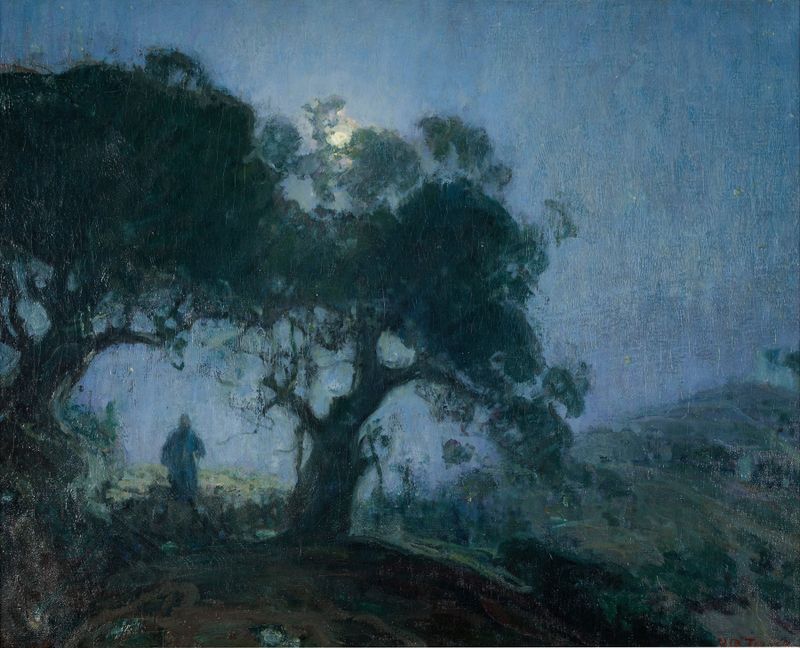
The Good Shepherd
Henry Ossawa Tanner
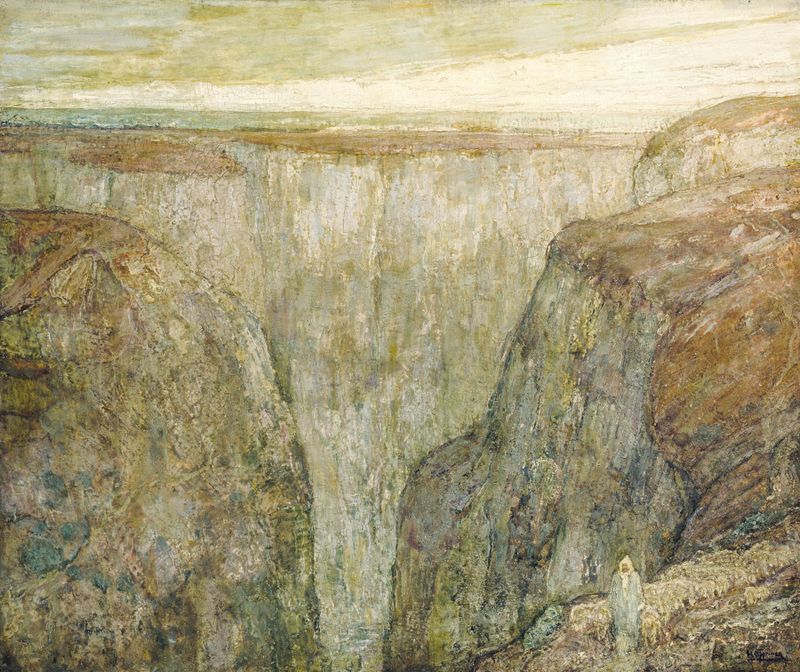
The Good Shepherd (Atlas Mountains, Morocco)
Henry Ossawa Tanner
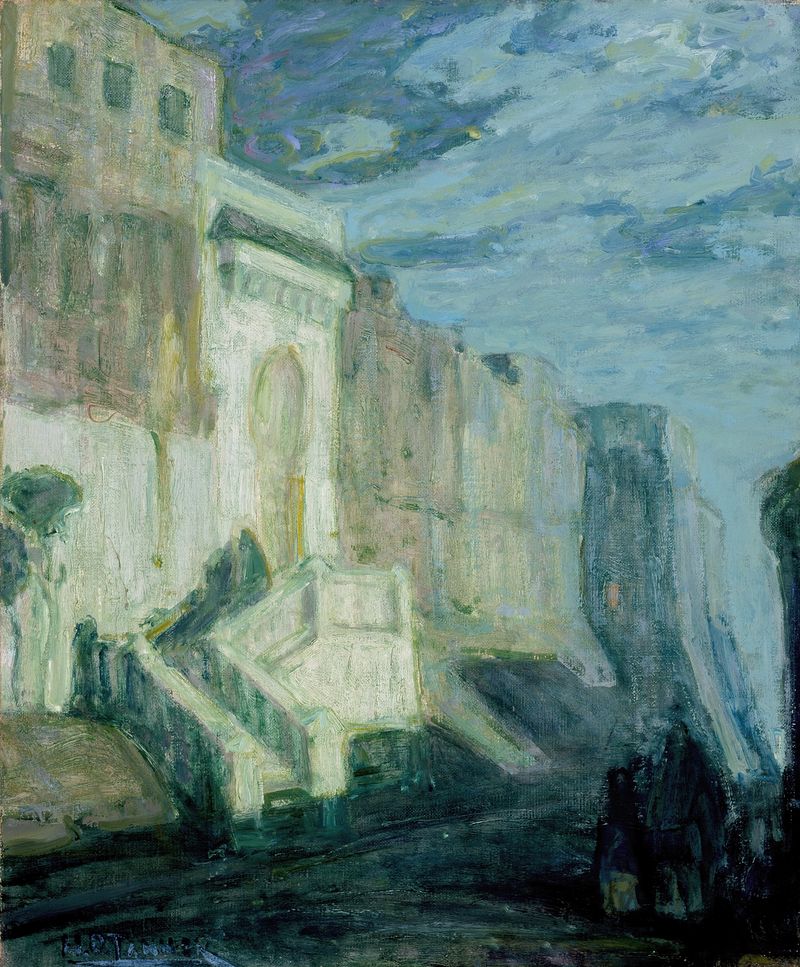
Moonlight; Walls of Tangiers
Henry Ossawa Tanner
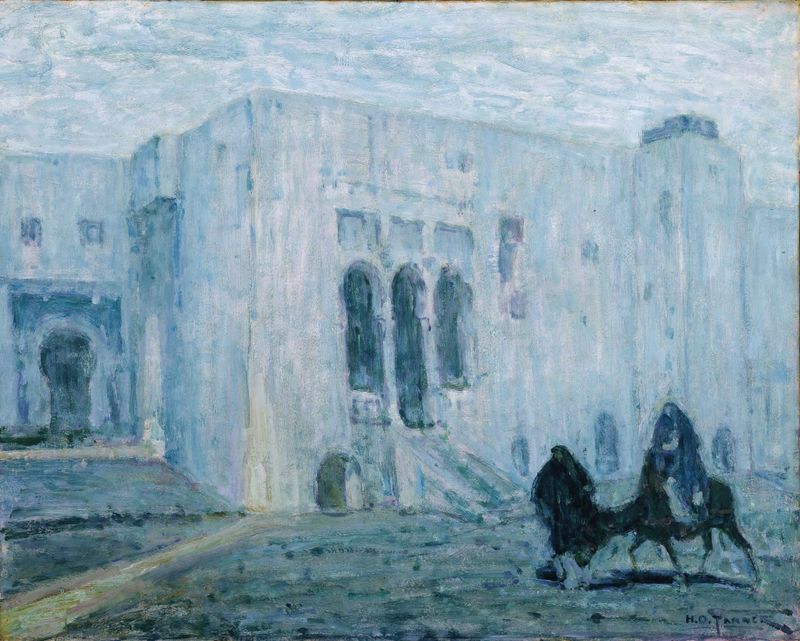
Palace of Justice, Tangier
Henry Ossawa Tanner
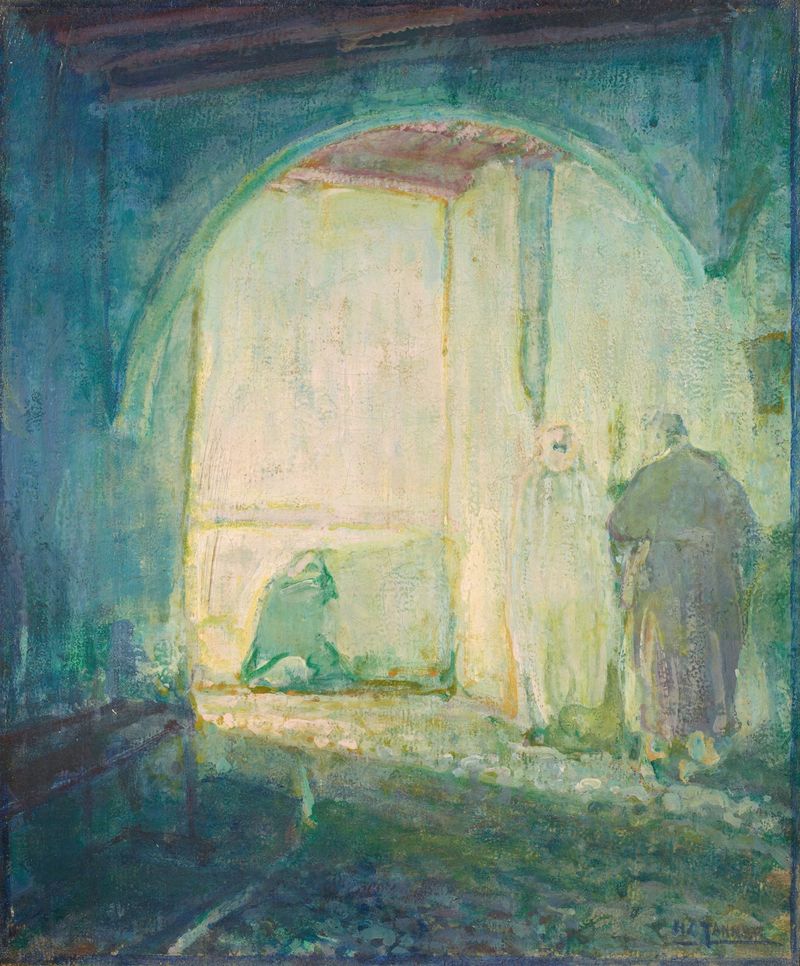
Moroccan Scene
Henry Ossawa Tanner
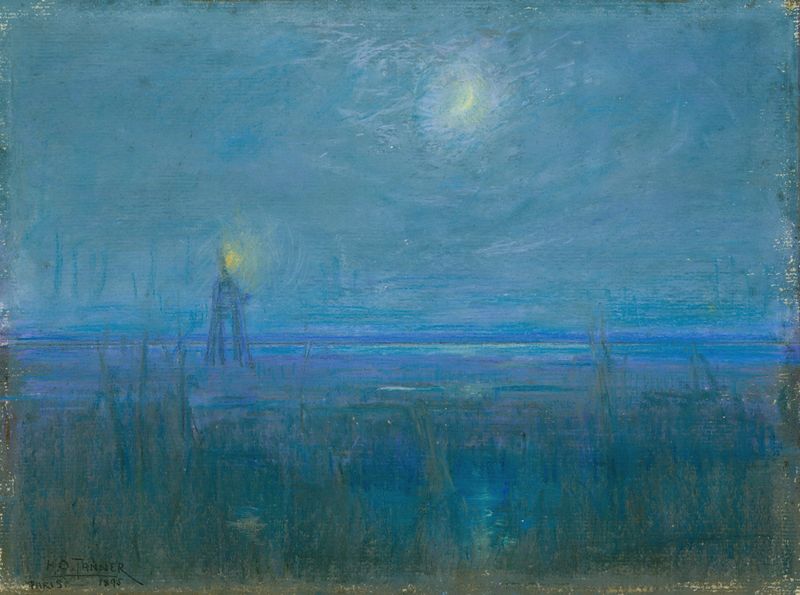
Marshes In New Jersey
Henry Ossawa Tanner
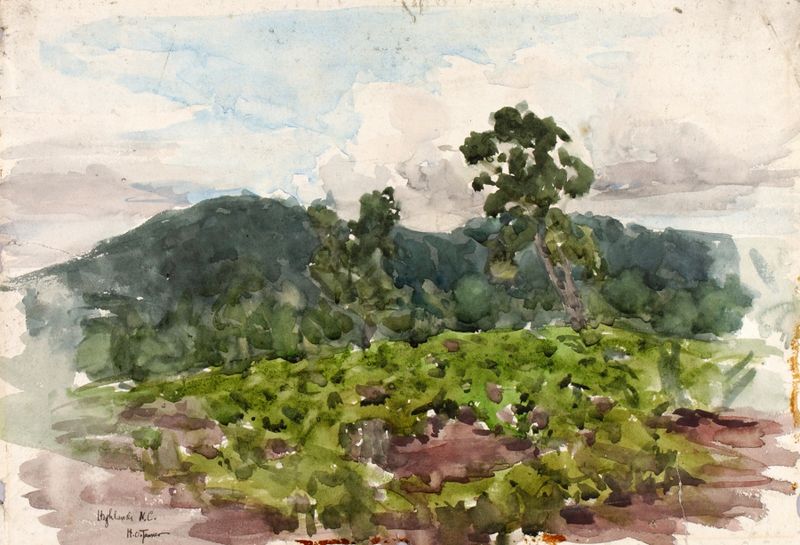
Highlands, N.C.
Henry Ossawa Tanner
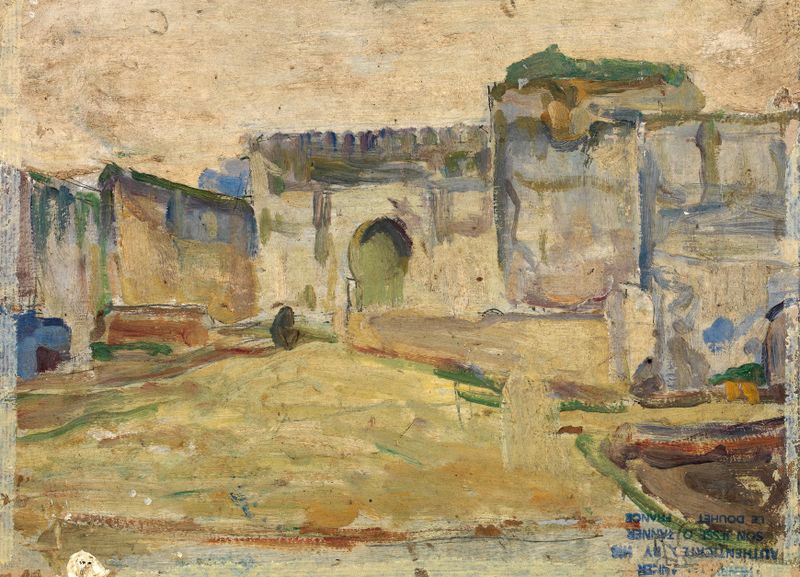
Street Scene, Tangier (Crenelated Architecture)
Henry Ossawa Tanner
Gateway, Tangier
Henry Ossawa Tanner
Kansas City, Kansas
Henry Ossawa Tanner





