Moroccan Scene — History & Facts
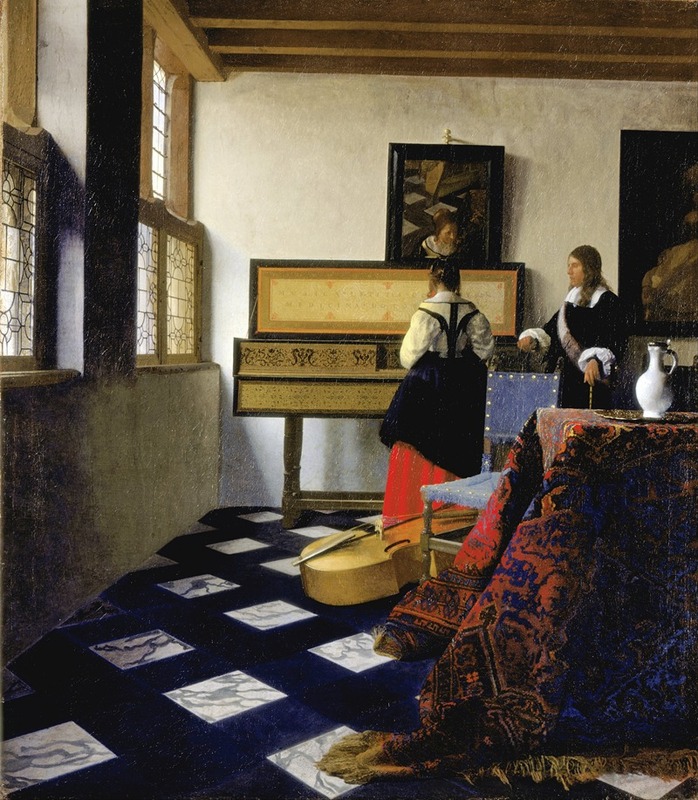
What if silence could speak through light? In the stillness of a moment captured, the interplay of shadows and illumination suggests the weight of unspoken destinies waiting to unfold. Look to the center of the composition, where a brilliant burst of light spills in, illuminating the intricate patterns of a vibrant tapestry. Notice how Tanner's deft brushwork evokes texture in the fabric, inviting the viewer to feel its depth. The warm, earthy tones juxtaposed with the cool shadows create a dynamic tension, enveloping the viewer in a serene yet charged atmosphere.
Each stroke is intentional, guiding your gaze through the layers of everyday life in a Moroccan setting. As you explore further, observe the subtle expressions of the figures, their faces imbued with contemplation. The balanced arrangement of people, objects, and light reflects a harmony between tradition and change, hinting at the larger narrative of cultural exchange. There’s a palpable sense of longing, as if each figure is caught between their present and an unseen future, illustrating the complexities of identity and heritage. Henry Ossawa Tanner painted this piece around 1912 during a transformative period in his life.
Living in Paris, he was immersed in a burgeoning community of artists exploring different styles and themes. While the world grappled with social changes, Tanner's work reflected both the beauty of cultural nuances and the significance of personal experience, positioning him as a pivotal figure in American art history.
More Artworks by Henry Ossawa Tanner
Browse all →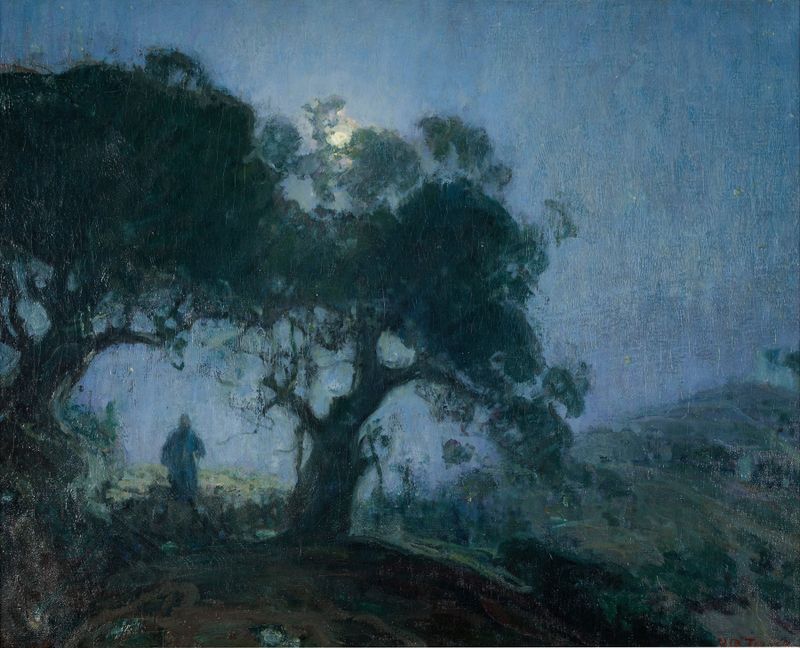
The Good Shepherd
Henry Ossawa Tanner
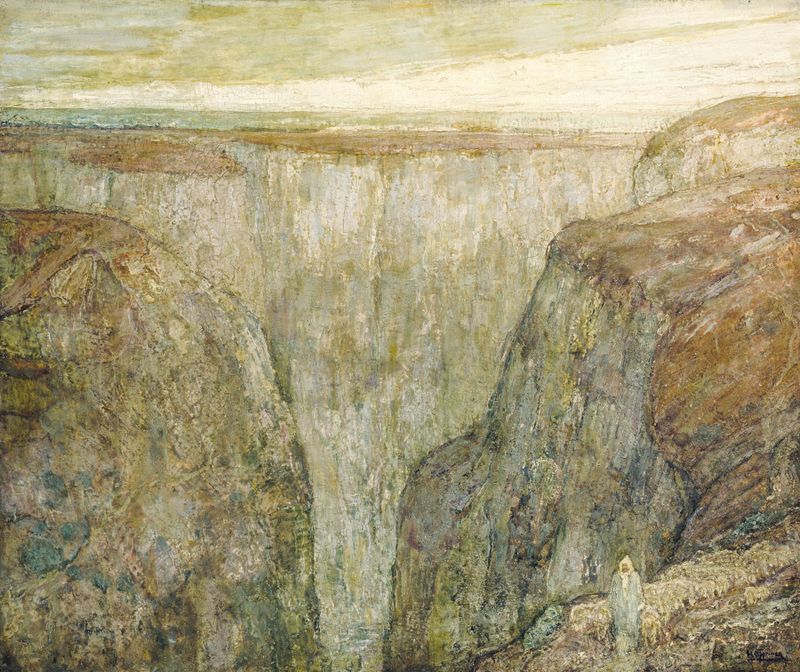
The Good Shepherd (Atlas Mountains, Morocco)
Henry Ossawa Tanner
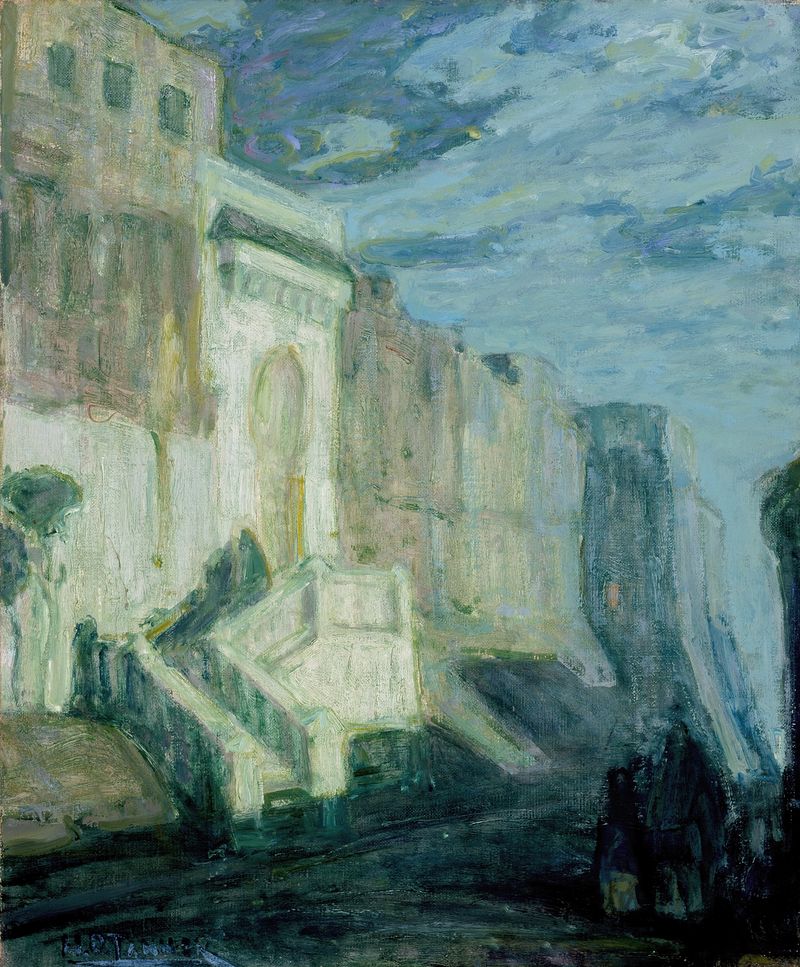
Moonlight; Walls of Tangiers
Henry Ossawa Tanner
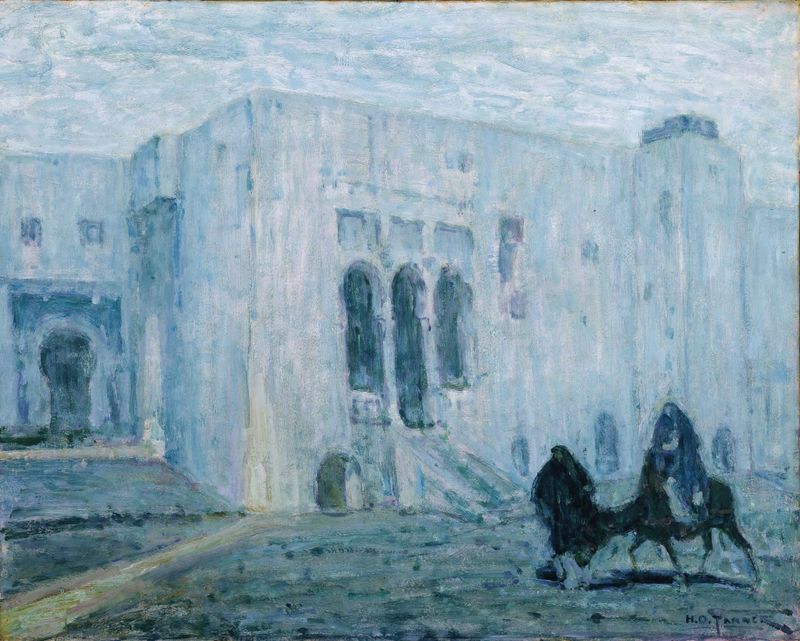
Palace of Justice, Tangier
Henry Ossawa Tanner
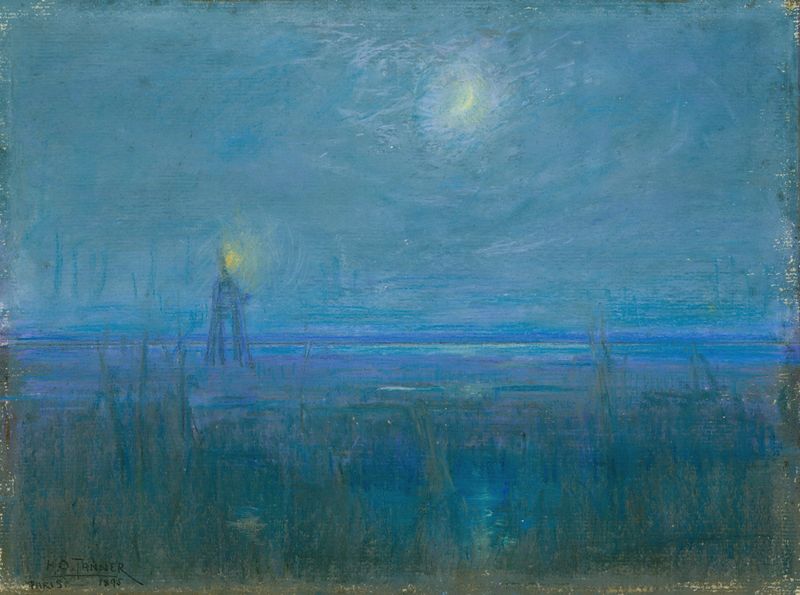
Marshes In New Jersey
Henry Ossawa Tanner
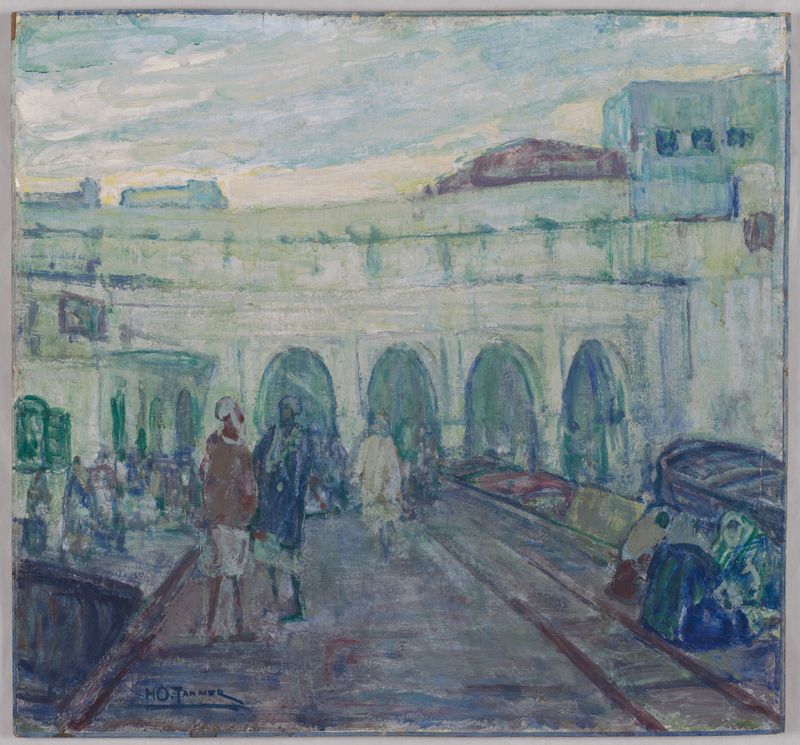
Port of Tangiers (Entrance to the Customs House)
Henry Ossawa Tanner
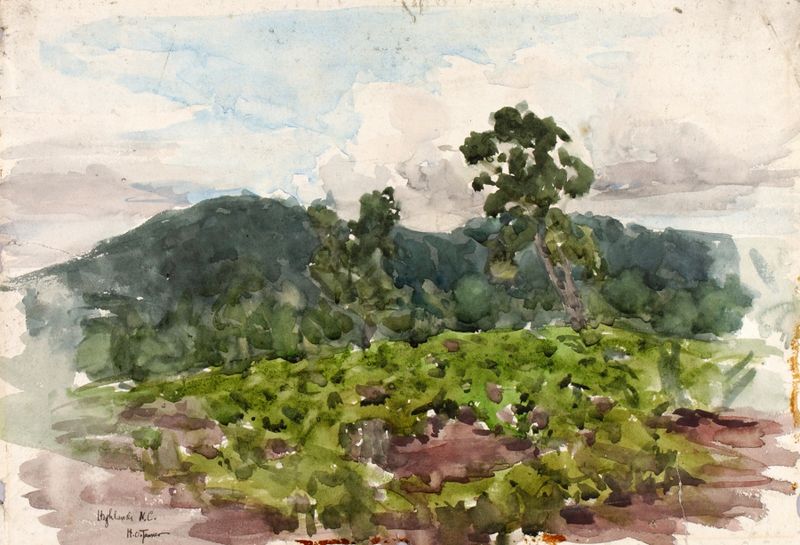
Highlands, N.C.
Henry Ossawa Tanner
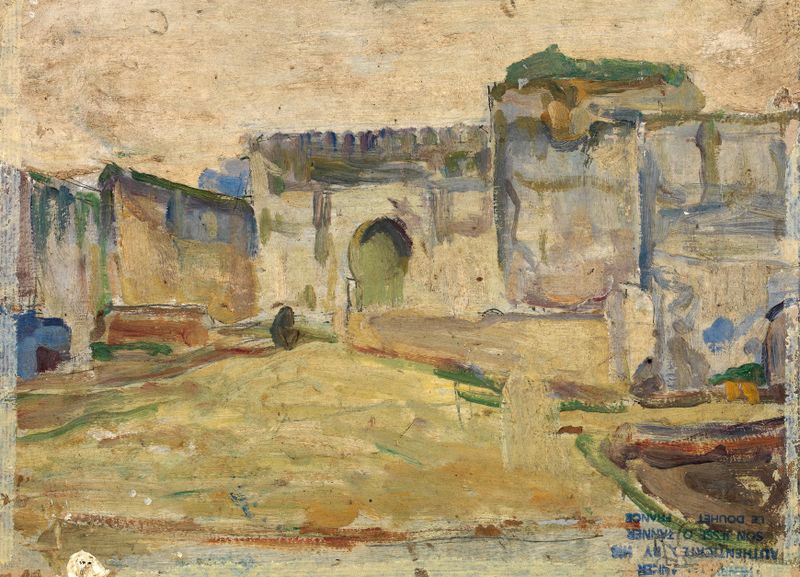
Street Scene, Tangier (Crenelated Architecture)
Henry Ossawa Tanner
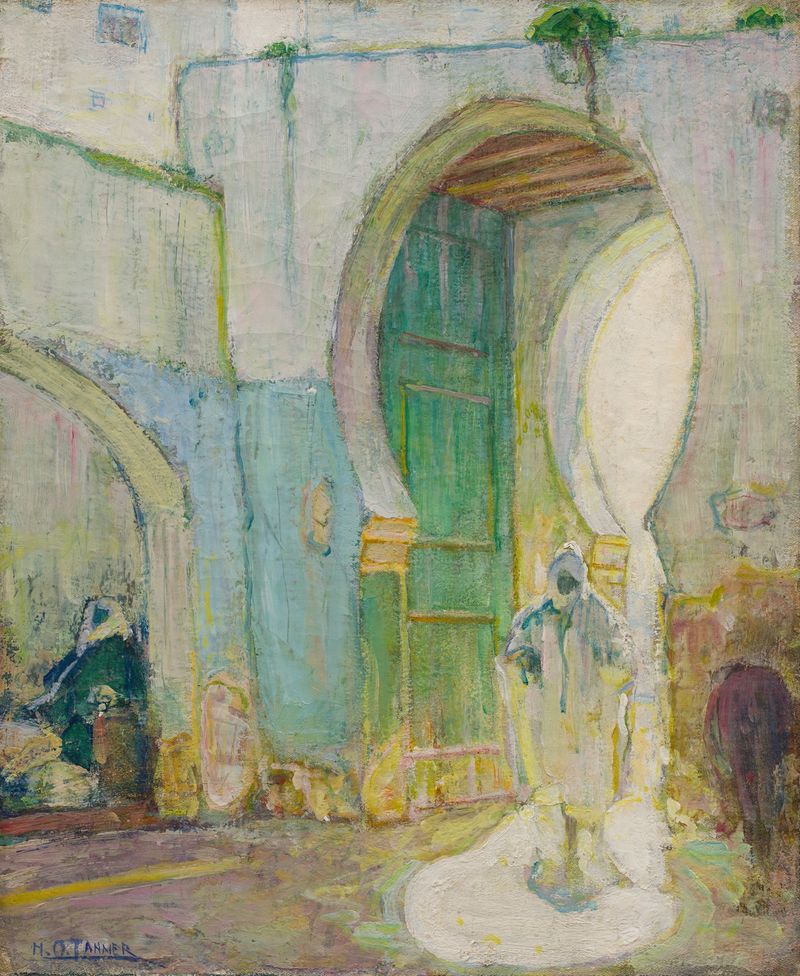
Gateway, Tangier
Henry Ossawa Tanner
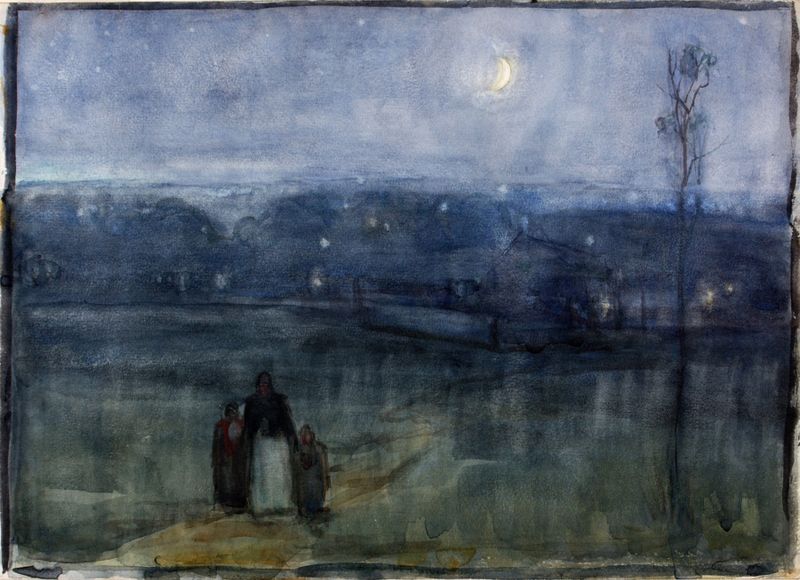
Kansas City, Kansas
Henry Ossawa Tanner