
The Good Shepherd (Atlas Mountains, Morocco) — History & Facts
Can paint confess what words never could? In The Good Shepherd, the viewer is led into a world where the gentle presence of a shepherd evokes a sense of profound awe, inviting contemplation of a more harmonious existence. Look to the left, where the shepherd stands resolutely, draped in earthy tones that blend harmoniously with the rolling hills and expansive sky. Notice how the soft, diffused light envelops him, highlighting the tender posture of his hand as it rests upon a reclining lamb. The brushwork, fluid and expressive, captures the serenity of the moment, while the warm hues of ochre and gold create an atmosphere of peace and refuge, contrasting with the cool blues of the distant mountains. Delve deeper into the subtle symbolism woven throughout the scene.
The shepherd's gaze is directed upwards, perhaps a nod to the divine or a reflection of hope, suggesting a spiritual guidance that transcends the simple act of tending to the flock. The lamb, nestled close, represents innocence and trust, evoking themes of protection and nurturing that resonate with the viewer. This emotional tension between the pastoral setting and the poignant connection between shepherd and sheep invites contemplation of our own relationships with nature and the sacred. Painted in 1930 during his time in France, Tanner was experiencing a heightened artistic maturity, drawing from both his American roots and the influences of European modernism.
At this period, the art world was undergoing transformative shifts, and Tanner's unique voice stood as a bridge between traditional representational technique and the emerging modern styles. The work embodies his deep understanding of light, form, and spirituality, rooted in personal experience and the broader context of humanity's connection to the land.
More Artworks by Henry Ossawa Tanner
Browse all →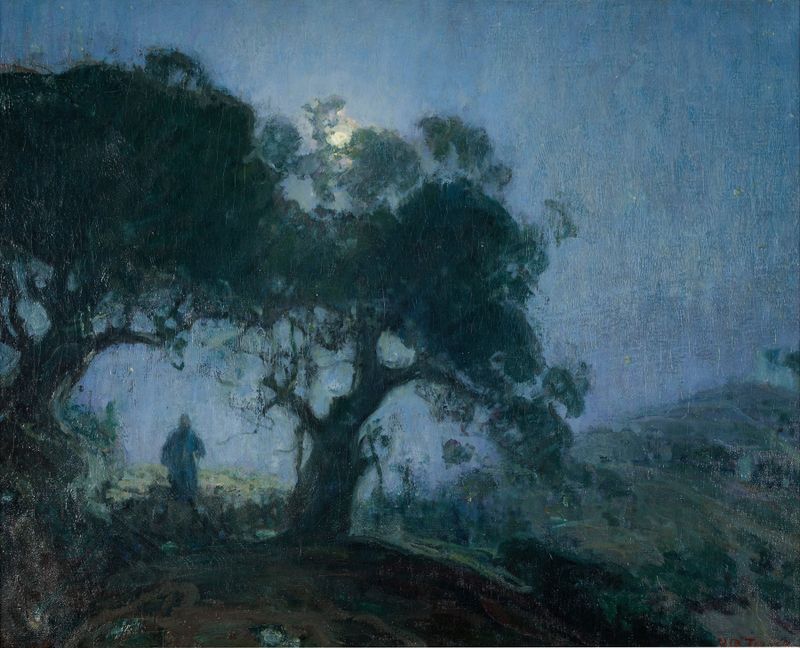
The Good Shepherd
Henry Ossawa Tanner
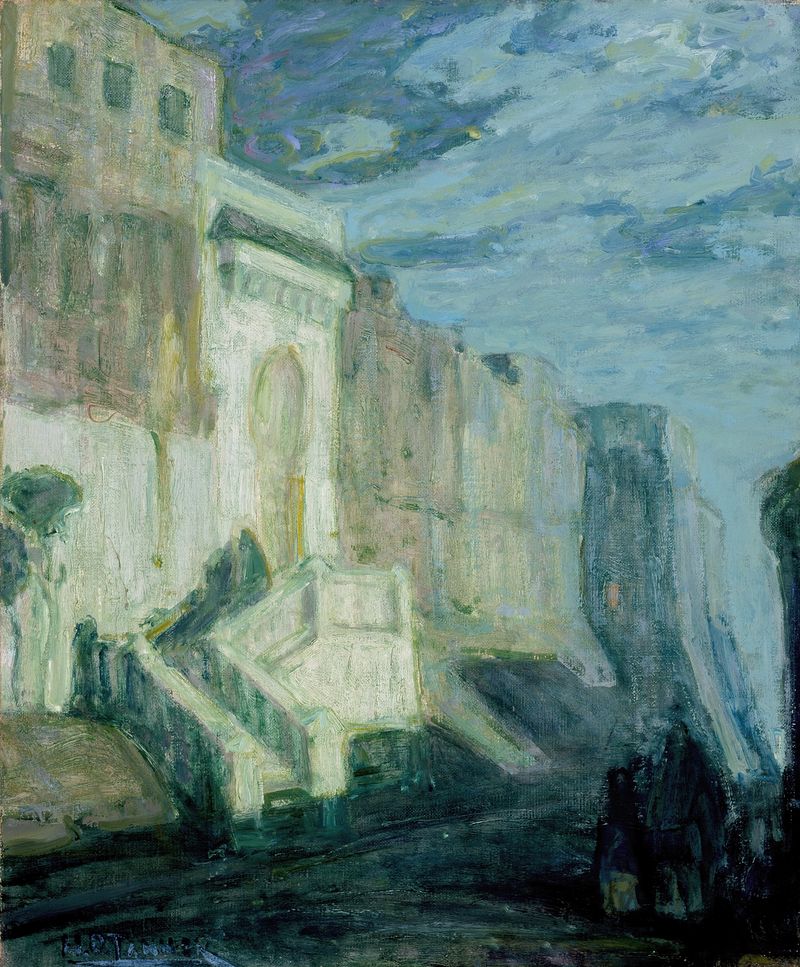
Moonlight; Walls of Tangiers
Henry Ossawa Tanner
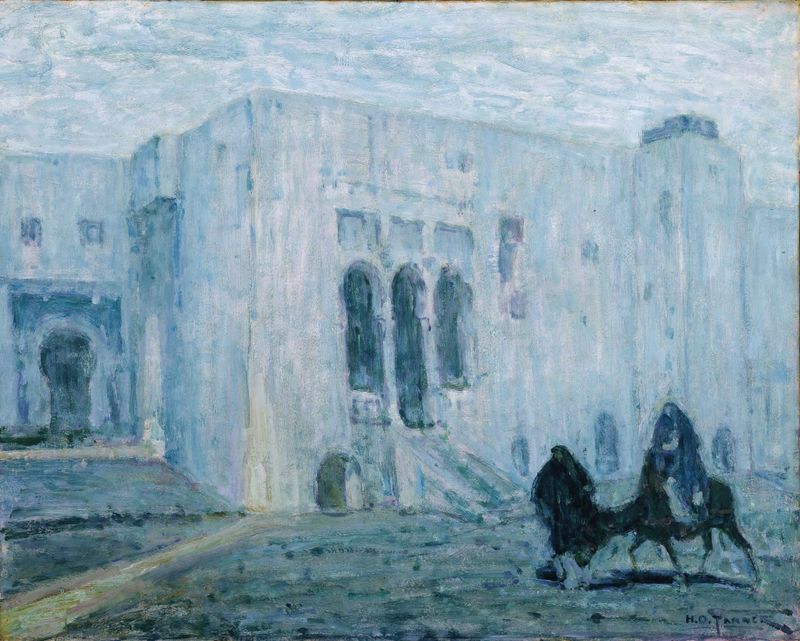
Palace of Justice, Tangier
Henry Ossawa Tanner
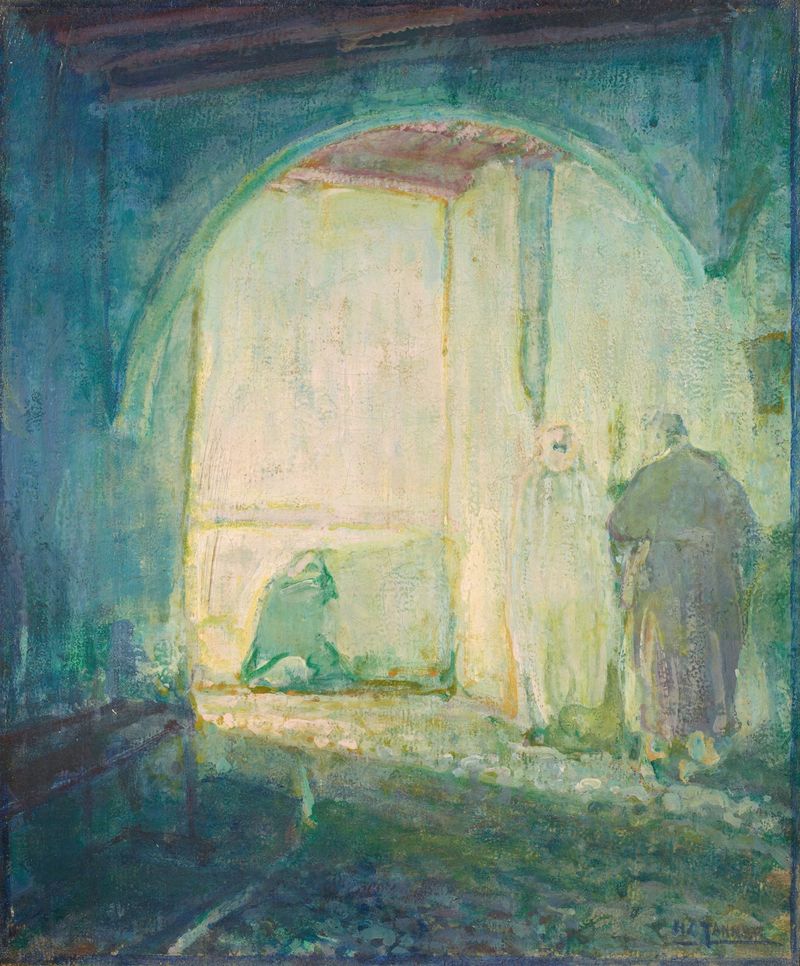
Moroccan Scene
Henry Ossawa Tanner
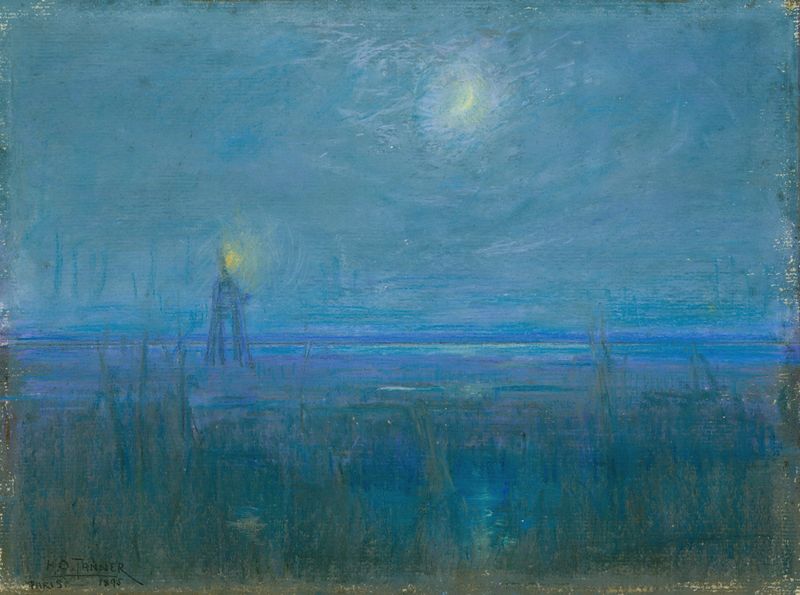
Marshes In New Jersey
Henry Ossawa Tanner
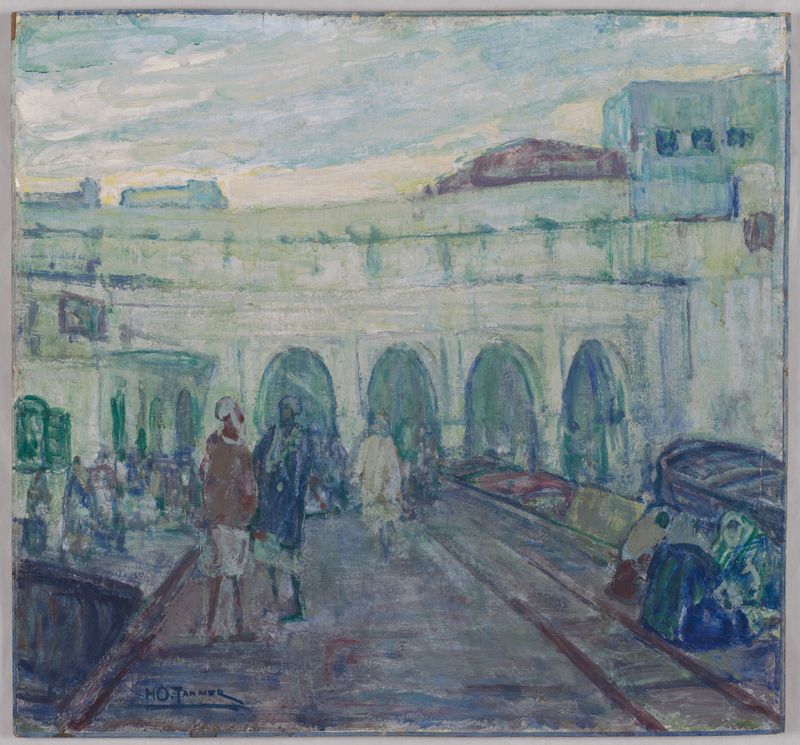
Port of Tangiers (Entrance to the Customs House)
Henry Ossawa Tanner
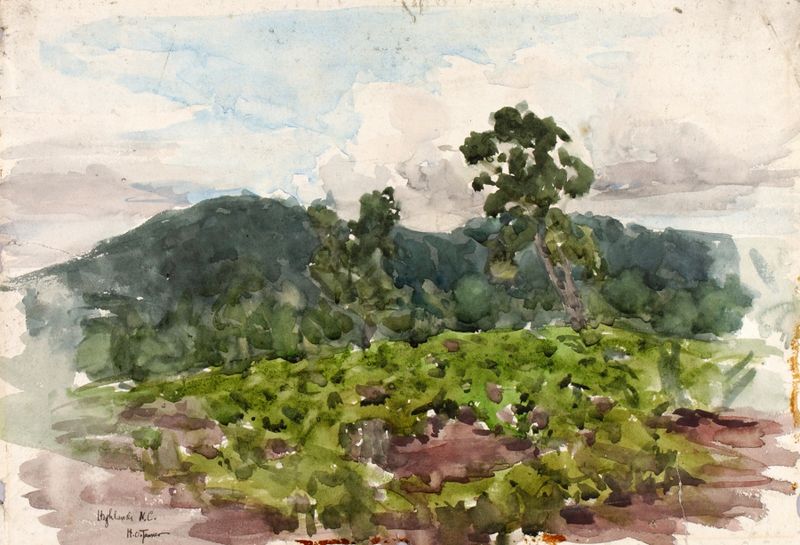
Highlands, N.C.
Henry Ossawa Tanner
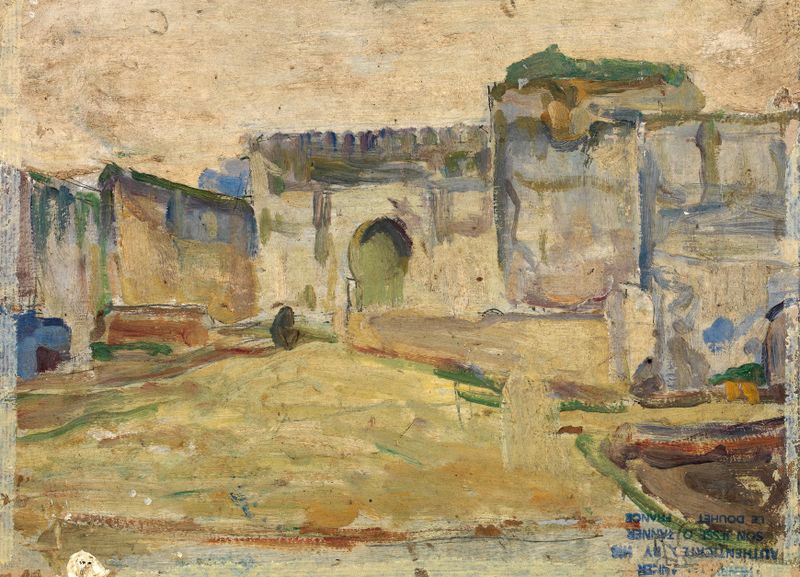
Street Scene, Tangier (Crenelated Architecture)
Henry Ossawa Tanner
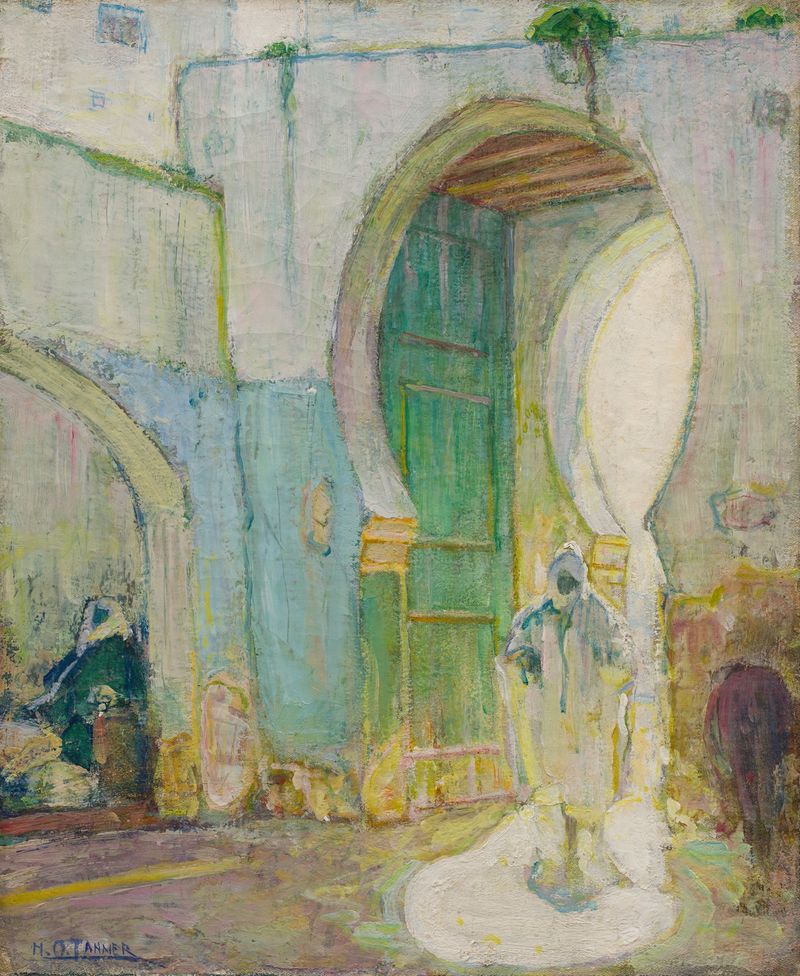
Gateway, Tangier
Henry Ossawa Tanner
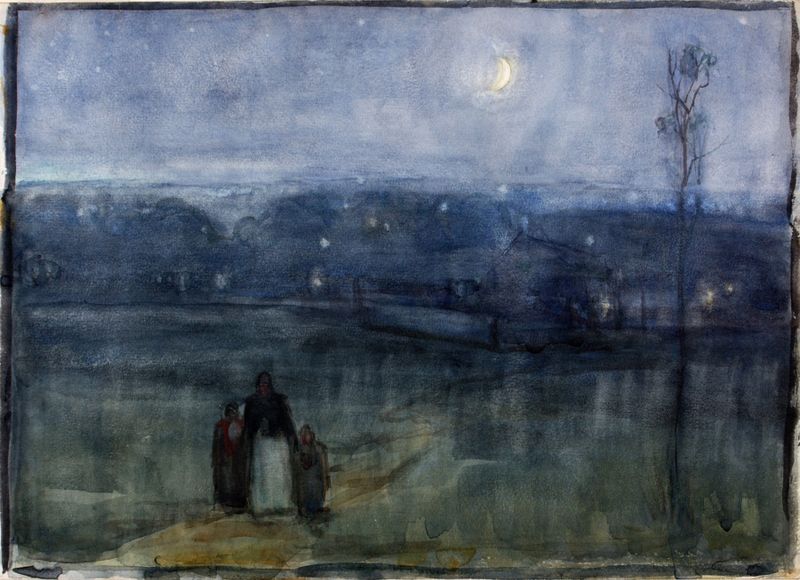
Kansas City, Kansas
Henry Ossawa Tanner





