
Marshes In New Jersey — History & Facts
Where does light end, and longing begin? In the quiet expanse of a marsh, the boundaries between the seen and the felt blur as reflections dance across the water's surface. Look to the center of the canvas where shimmering ripples create a mirror-like quality, inviting your gaze into the depths. Notice how the soft, muted earth tones of the marsh grass blend seamlessly into the sky, their gentle hues of green and blue spreading outward like whispers. The brushwork, delicate and fluid, captures the essence of motion, making the scene breathe with a serene yet palpable tension.
Light falls softly across the landscape, illuminating the reeds while casting shadows that suggest an unseen presence, evoking a sense of mystery. In these subtle contrasts lies a profound emotional landscape. The interplay of light and water speaks to the transient nature of existence, while the expansive sky suggests both freedom and isolation. Each element—the delicate grasses, the still water, and the distant trees—holds its own story, merging into a singular narrative of longing and introspection.
It invites viewers to reflect on their place within this tranquil yet enigmatic setting, as if the marsh itself is a mirror to their own thoughts and feelings. In 1895, Henry Ossawa Tanner created this piece while living in Paris, far from his native America. As an African American artist, he faced significant challenges and discrimination, yet he gained recognition for his unique approach to light and form. During this period, Tanner sought to capture the spiritual and emotive power of landscapes, often drawing inspiration from his experiences and memories, which would ultimately lead to a breakthrough in his artistic vision.
More Artworks by Henry Ossawa Tanner
Browse all →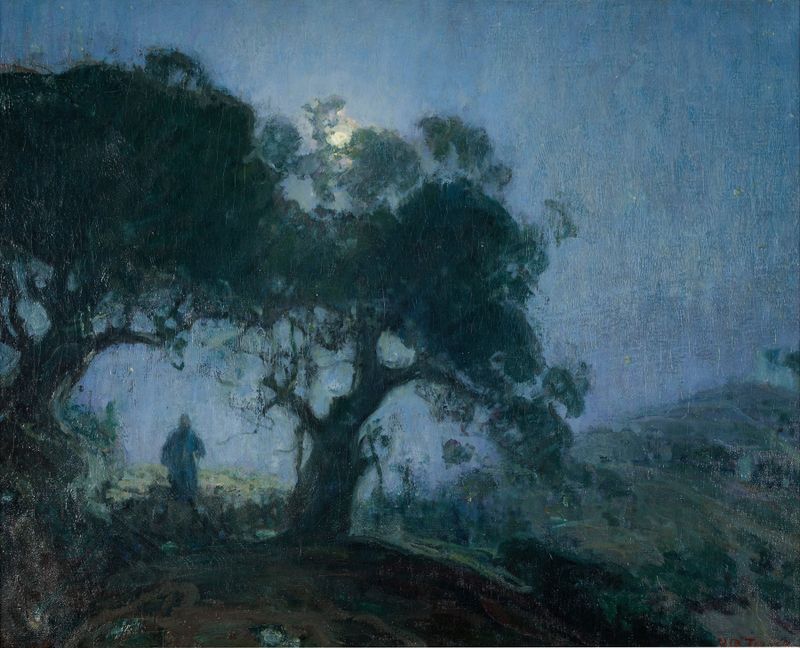
The Good Shepherd
Henry Ossawa Tanner
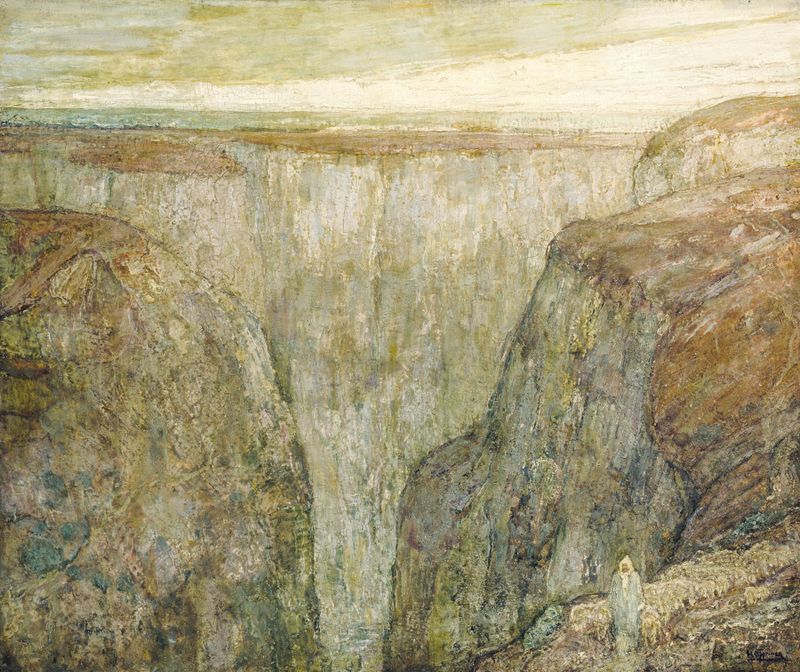
The Good Shepherd (Atlas Mountains, Morocco)
Henry Ossawa Tanner
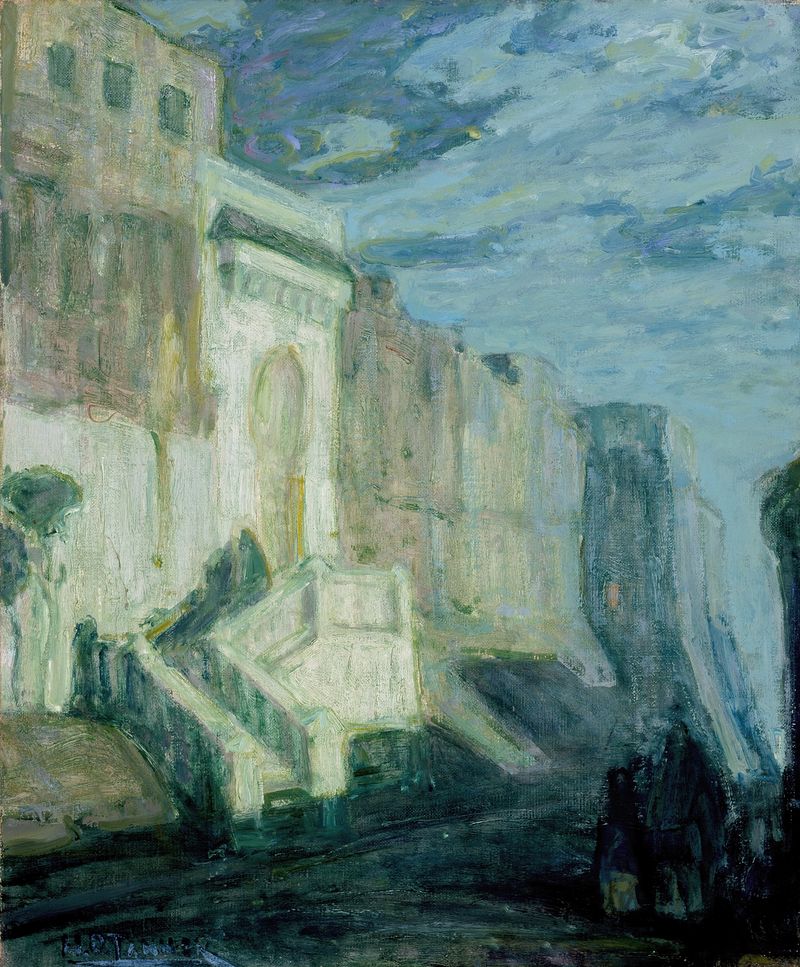
Moonlight; Walls of Tangiers
Henry Ossawa Tanner
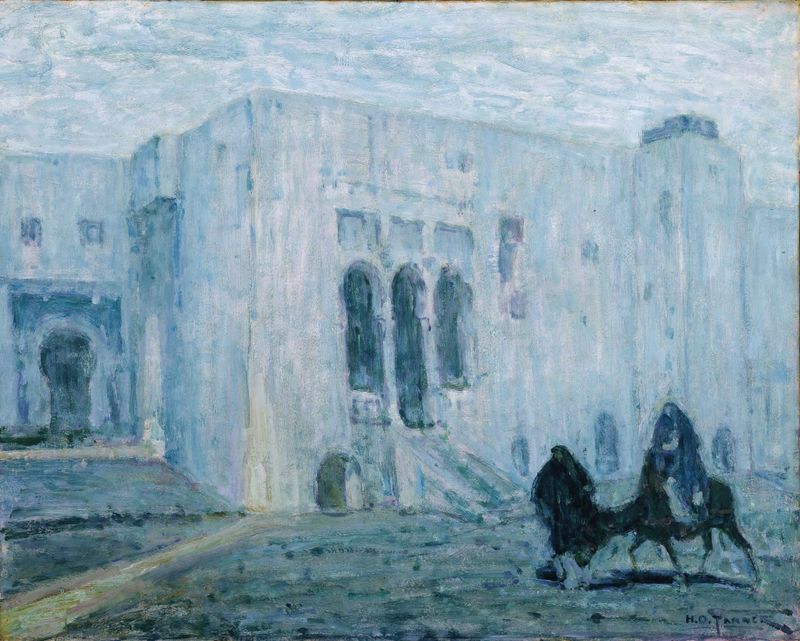
Palace of Justice, Tangier
Henry Ossawa Tanner
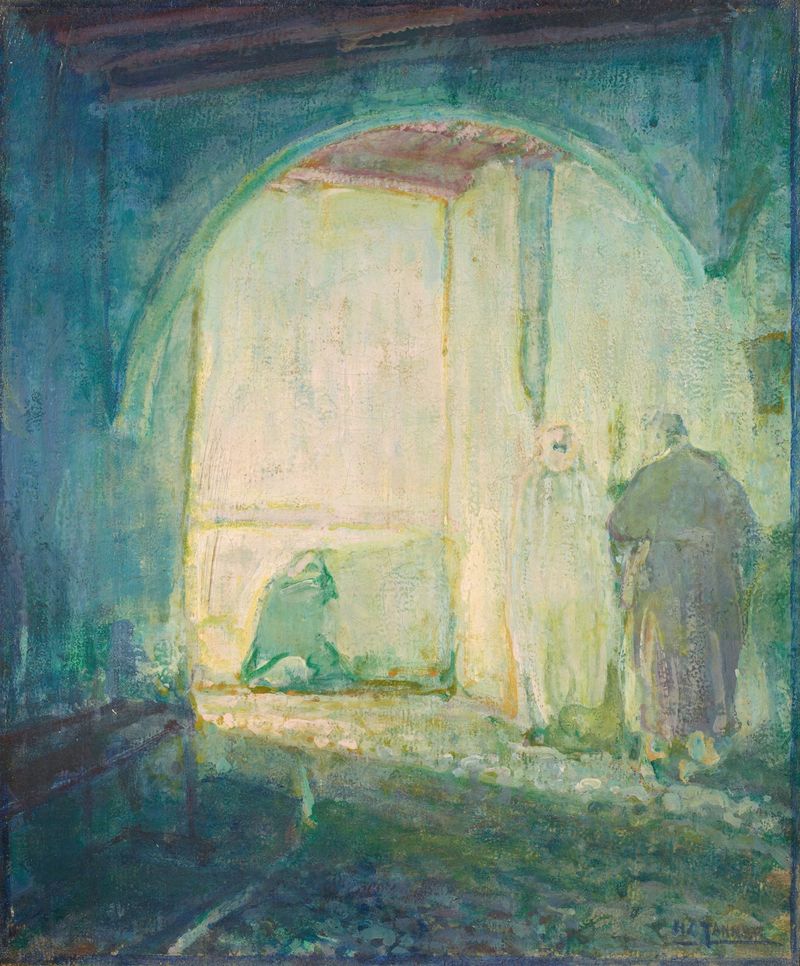
Moroccan Scene
Henry Ossawa Tanner
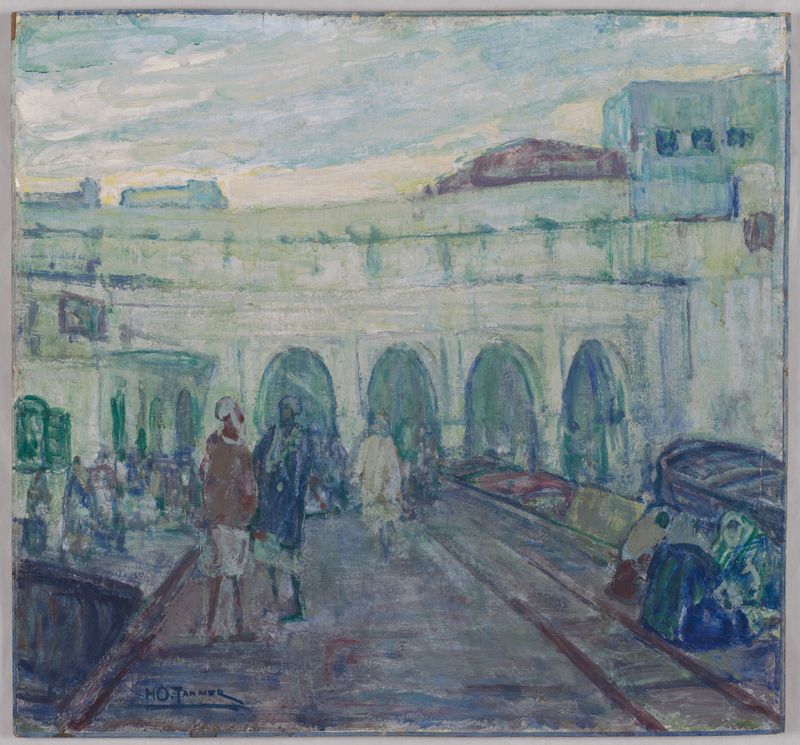
Port of Tangiers (Entrance to the Customs House)
Henry Ossawa Tanner
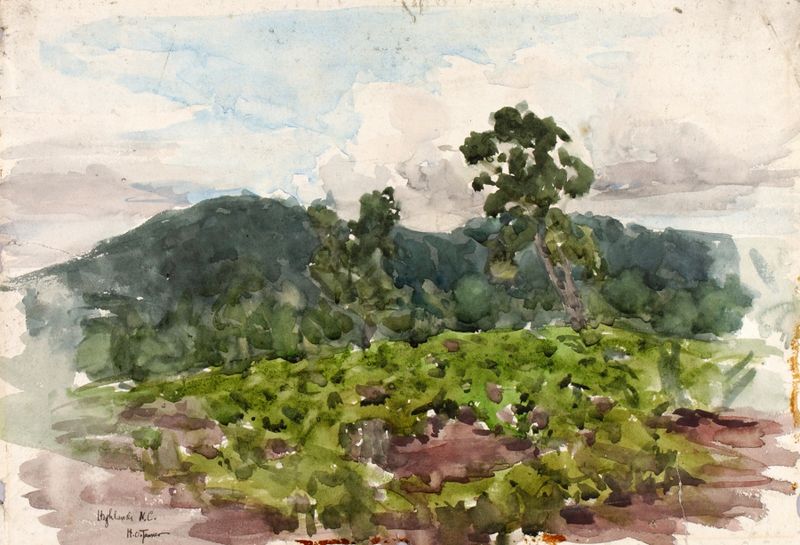
Highlands, N.C.
Henry Ossawa Tanner
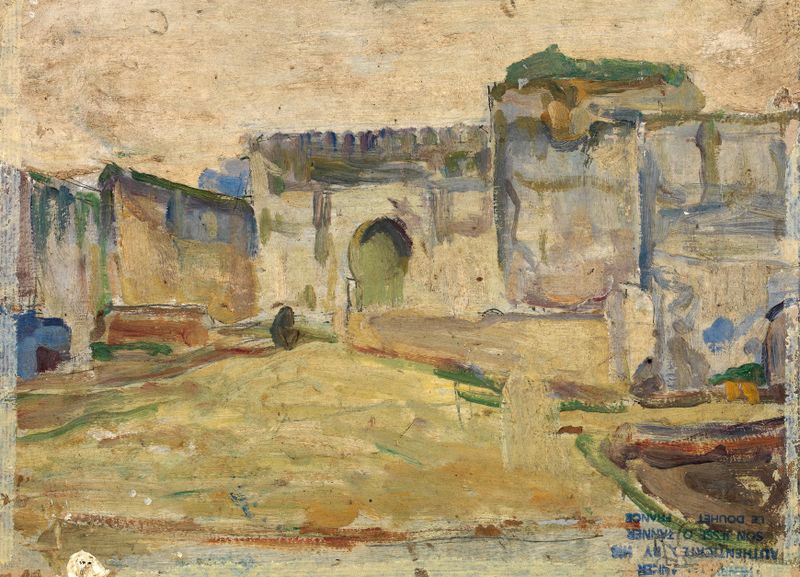
Street Scene, Tangier (Crenelated Architecture)
Henry Ossawa Tanner
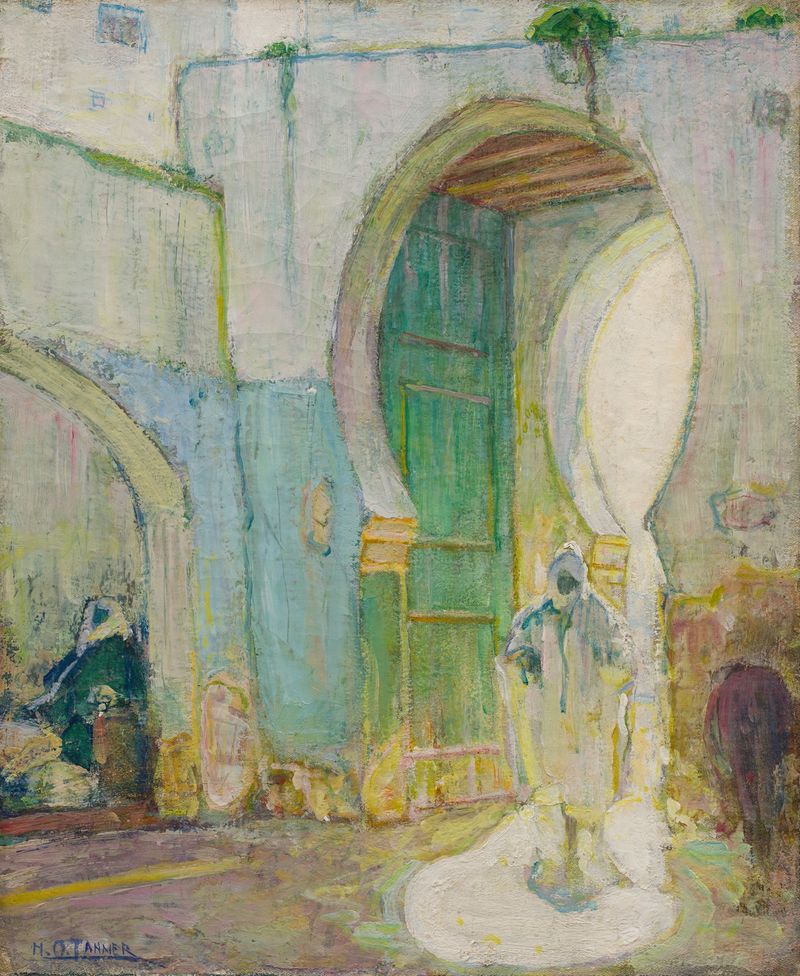
Gateway, Tangier
Henry Ossawa Tanner
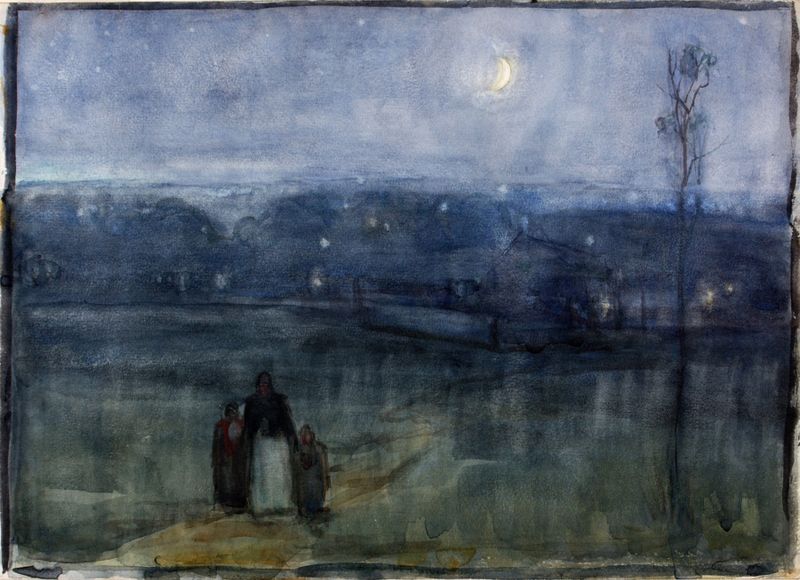
Kansas City, Kansas
Henry Ossawa Tanner





