
Palace of Justice, Tangier — History & Facts
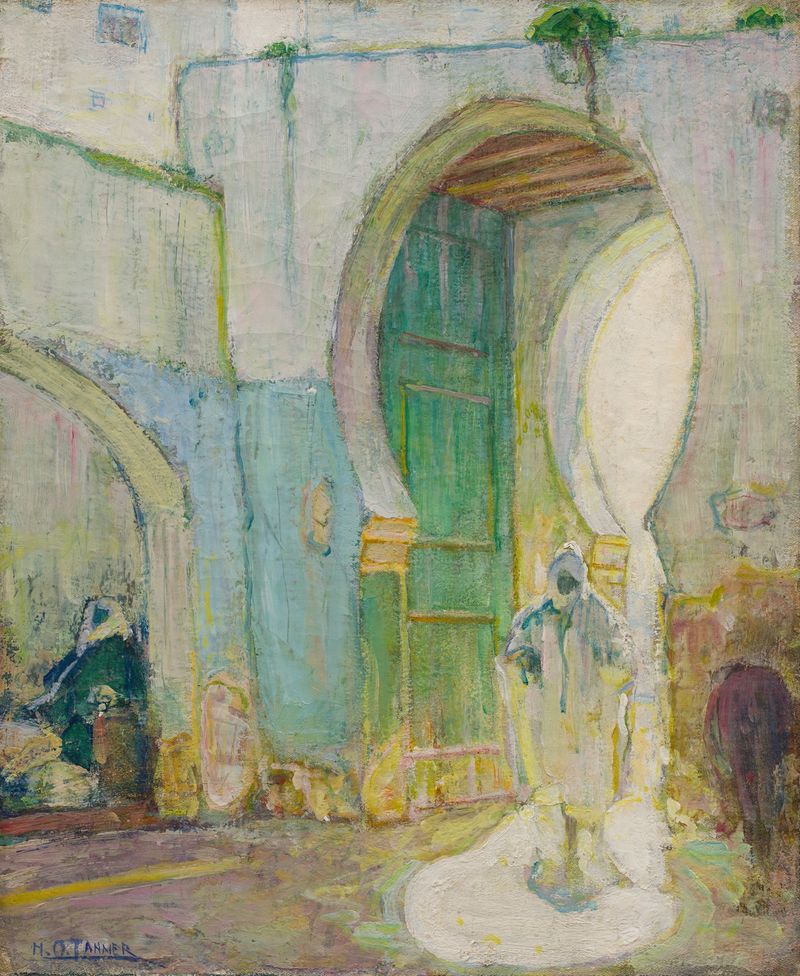
Did the painter know this moment would outlive them? In the Palace of Justice, Tangier, the canvas becomes a portal, inviting us to step into the dreamlike stillness of a world suspended in time. Look to the left at the towering archways, which frame the scene with an ornate elegance, drawing the eye towards the intricate patterns that dance in the warm Moroccan light. Notice how the gentle hues of ochre and deep blue merge, creating a symphony of color that evokes both warmth and mystery. The soft brushstrokes convey a sense of fluidity, as if the very air within the palace is alive, capturing the serenity of a place that breathes history. Within this architectural womb, hidden narratives unfold.
The juxtaposition of light and shadow tells a story of contrast, suggesting a tension between the known and the unknown. The muted figures in the foreground, perhaps witnesses or dreamers, hint at the layers of experience and emotion that echo through these walls; their stillness reflects a collective memory, binding past and present in a shared moment of reverence. The painting is not merely a depiction but a meditation on the space where dreams and reality converge. Henry Ossawa Tanner painted this piece between 1912 and 1913 while residing in Paris, a period when he was experiencing both personal challenges and artistic recognition.
The world was evolving rapidly, yet Tanner remained deeply connected to themes of spirituality and cultural identity. As an African American artist, he navigated the complexities of representation in an era rife with social change, capturing not just a place, but an essence that transcends time.
More Artworks by Henry Ossawa Tanner
Browse all →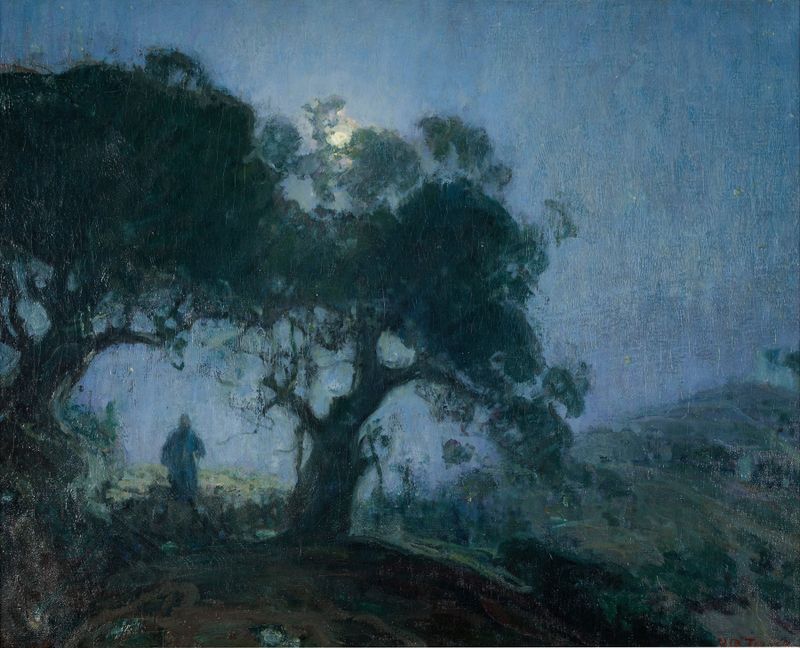
The Good Shepherd
Henry Ossawa Tanner
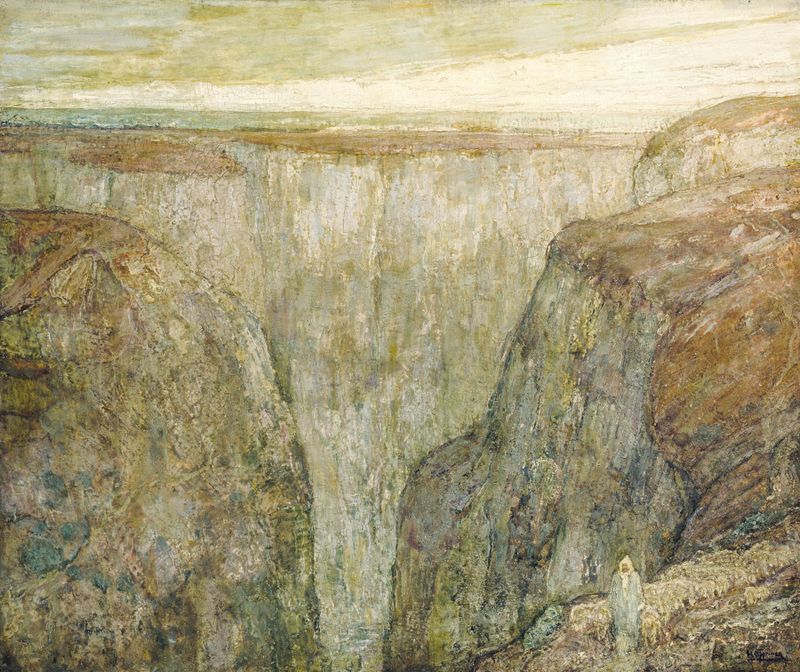
The Good Shepherd (Atlas Mountains, Morocco)
Henry Ossawa Tanner
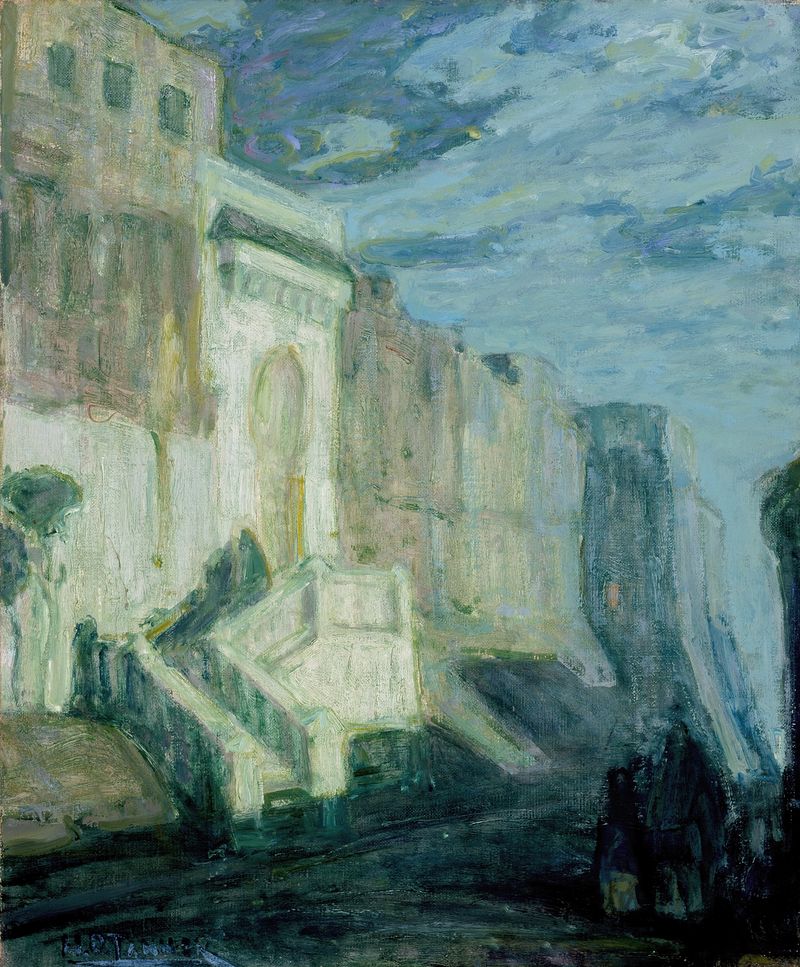
Moonlight; Walls of Tangiers
Henry Ossawa Tanner
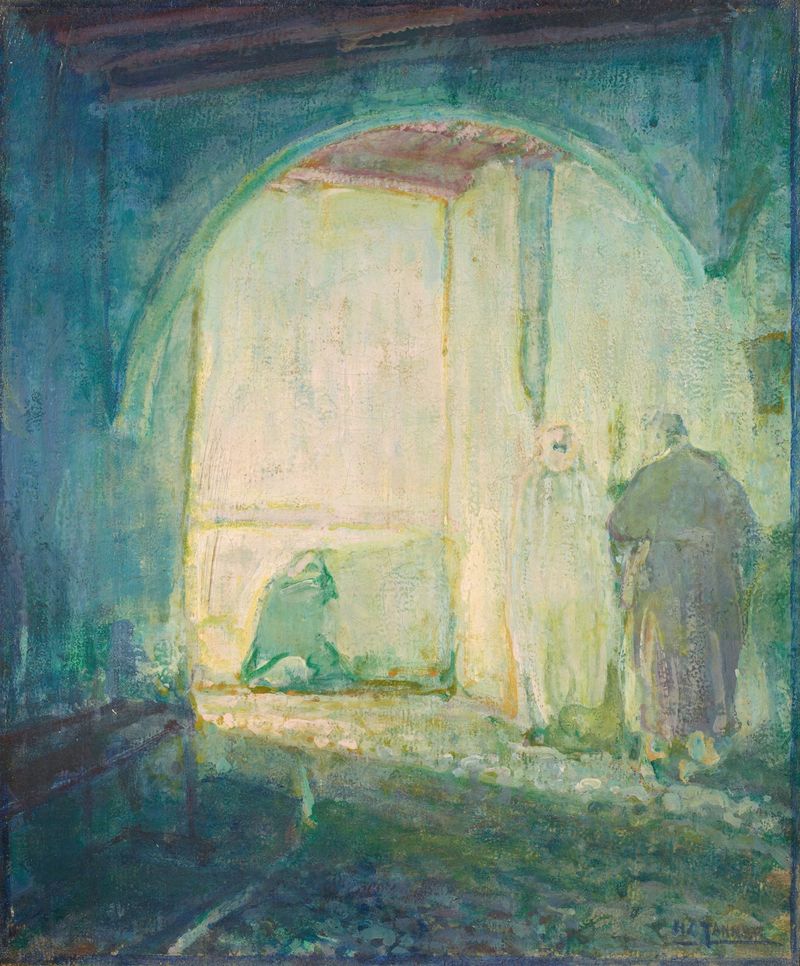
Moroccan Scene
Henry Ossawa Tanner
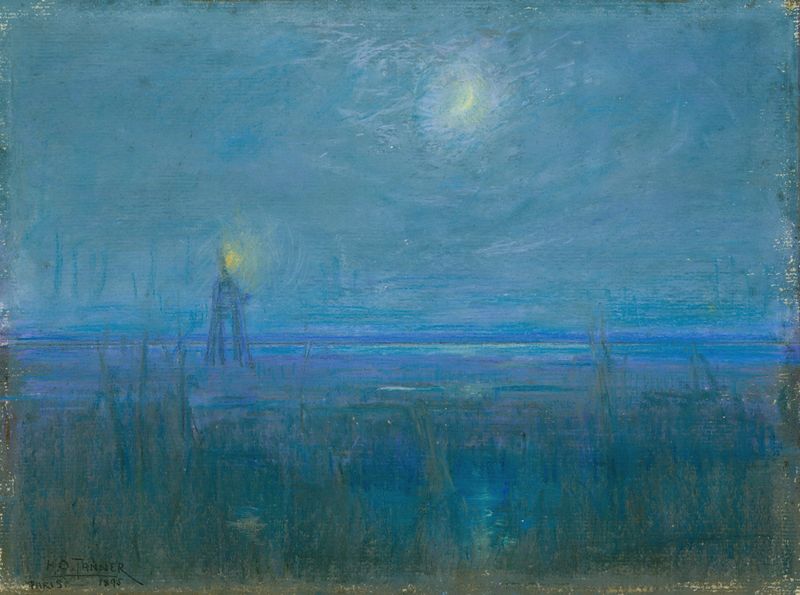
Marshes In New Jersey
Henry Ossawa Tanner
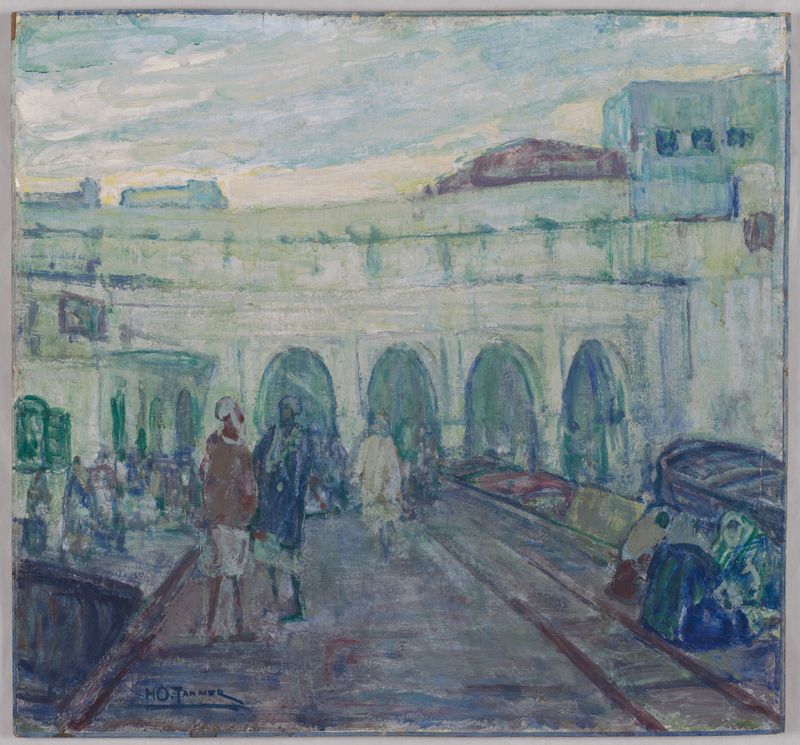
Port of Tangiers (Entrance to the Customs House)
Henry Ossawa Tanner
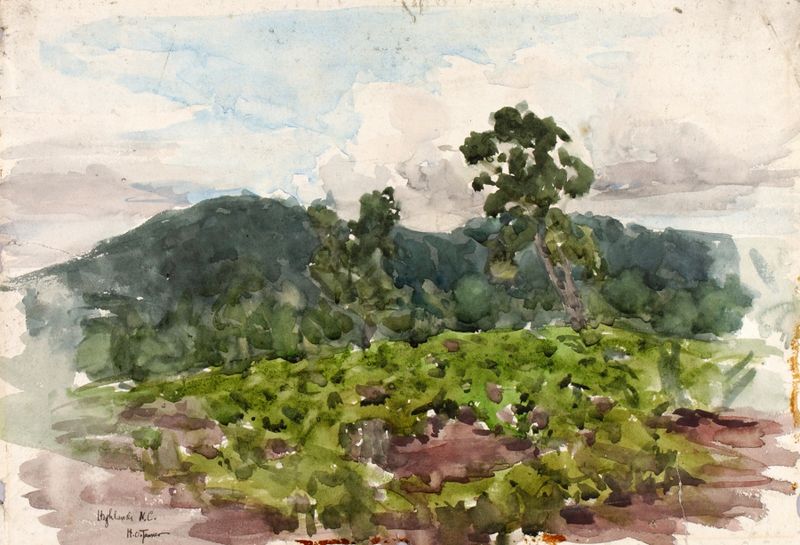
Highlands, N.C.
Henry Ossawa Tanner
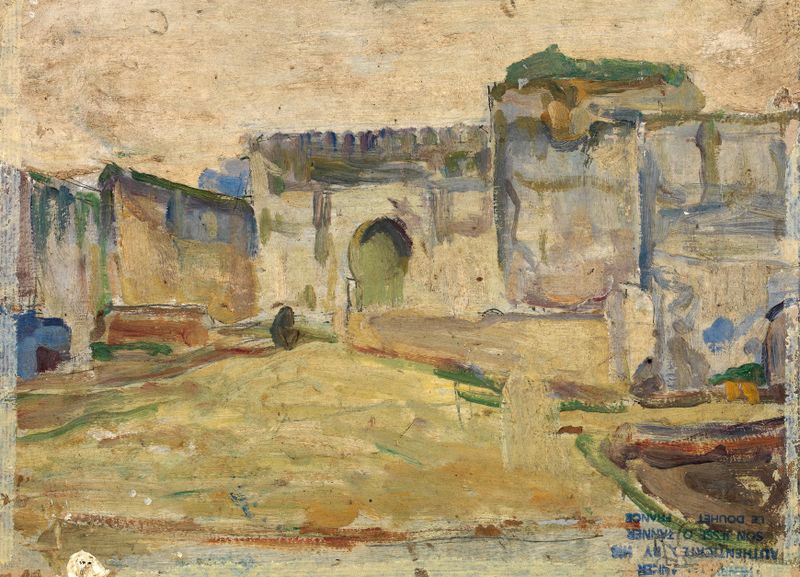
Street Scene, Tangier (Crenelated Architecture)
Henry Ossawa Tanner
Gateway, Tangier
Henry Ossawa Tanner
Kansas City, Kansas
Henry Ossawa Tanner
More Architecture Art
Browse all →
The statue of Liberty
Frédéric Auguste Bartholdi

View of Houses in Delft, Known as ‘The Little Street’
Johannes Vermeer

View of Houses in Delft, Known as ‘The Little Street’
Johannes Vermeer

The Cathedral in Rouen. The portal, Grey Weather
Claude Monet

The yellow house
Vincent van Gogh

The Church in Auvers-sur-Oise, View from the Chevet
Vincent van Gogh