
The Grand Paradis, from near Cogne — History & Facts
What if beauty was never meant to be finished? In the face of nature’s grandeur, we are but fleeting witnesses, compelled to ponder the permanence of form against the fragility of existence. Look to the expansive canvas, where towering peaks rise dramatically against a muted sky. The brushstrokes evoke a sense of movement in the clouds, while the vibrant greens and browns of the valley below draw your eye to the stark contrast between earth and sky. Pay attention to the play of light filtering through the jagged heights, illuminating patches of wildflowers nestled in the foreground, as if nature itself seeks to remind us of its transient beauty. Upon closer inspection, the interplay of shadow and light hints at the inevitability of change.
The rugged terrain, though seemingly solid, suggests a landscape subject to the elements—changing with each season, each passing moment. The delicate balance between vibrant color and stark wilderness encapsulates the tension between life’s ephemeral moments and the grandeur of the mountains that stand sentinel over time. In 1867, the artist created this piece during a period of personal reflection, grappling with the intersection of nature and mortality. Living in an era marked by Romantic ideals, he sought to capture both the sublime beauty of the landscape around Cogne and the deeper existential questions it stirred within him.
The work reflects both a celebration of nature's majesty and a meditation on the fleeting nature of beauty itself.
More Artworks by Elijah Walton
Browse all →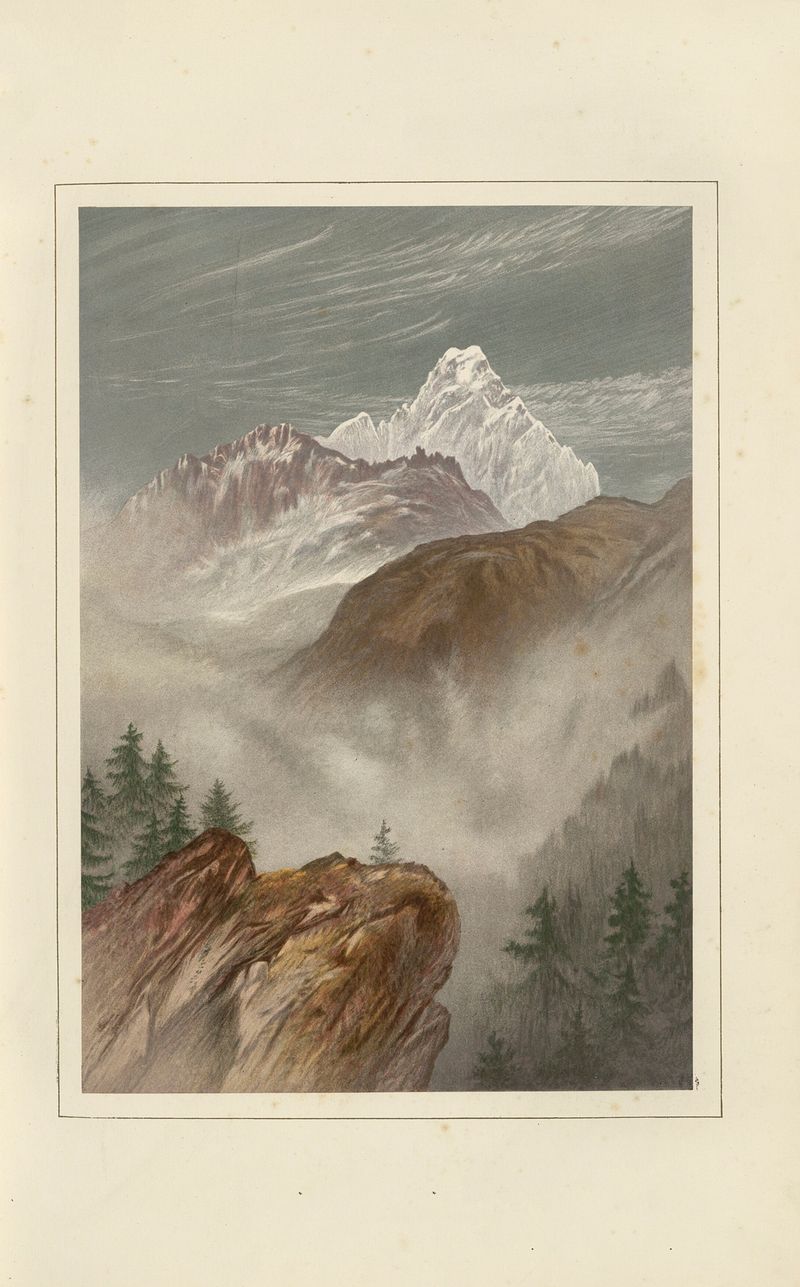
Monte Viso, from the south
Elijah Walton

The Matterhorn
Elijah Walton

The Gorner glacier
Elijah Walton

The Cascade de Roget and the Pointe de Salles
Elijah Walton
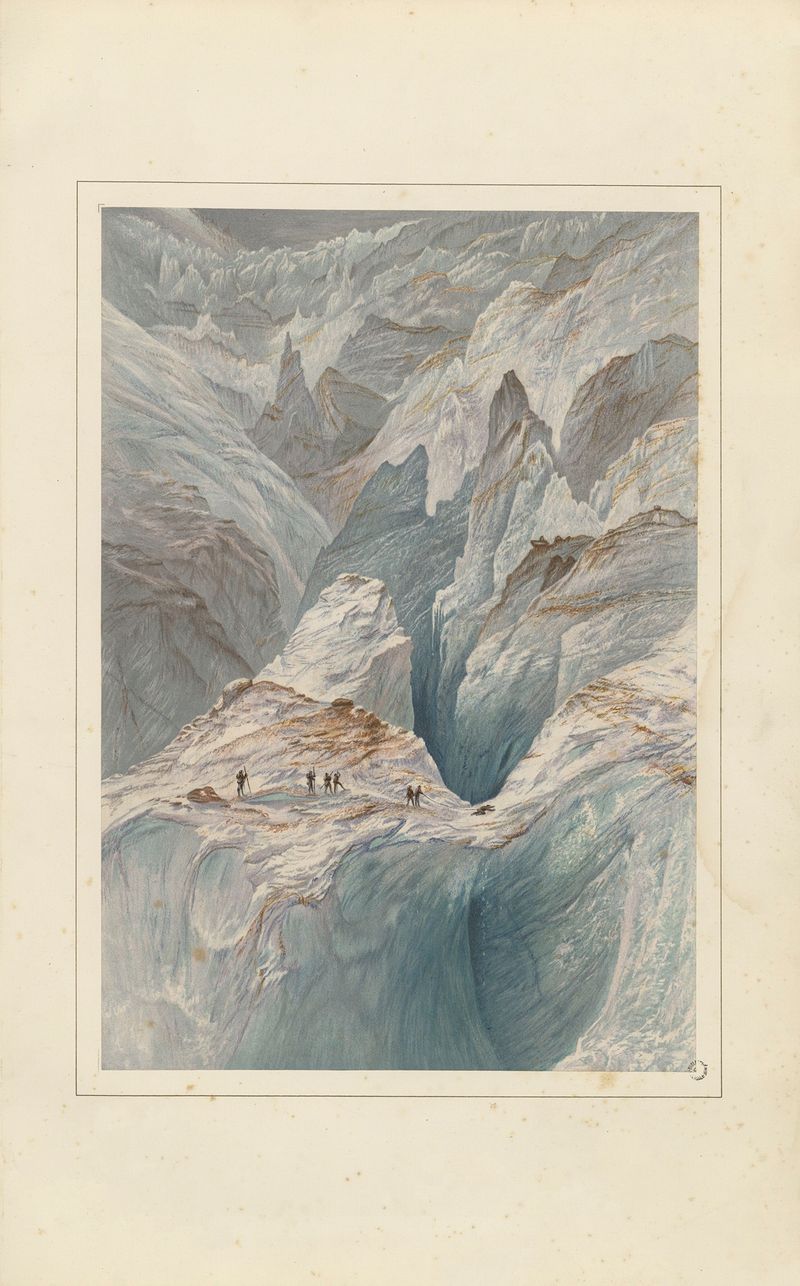
Crevasses on the Mer de Glace
Elijah Walton
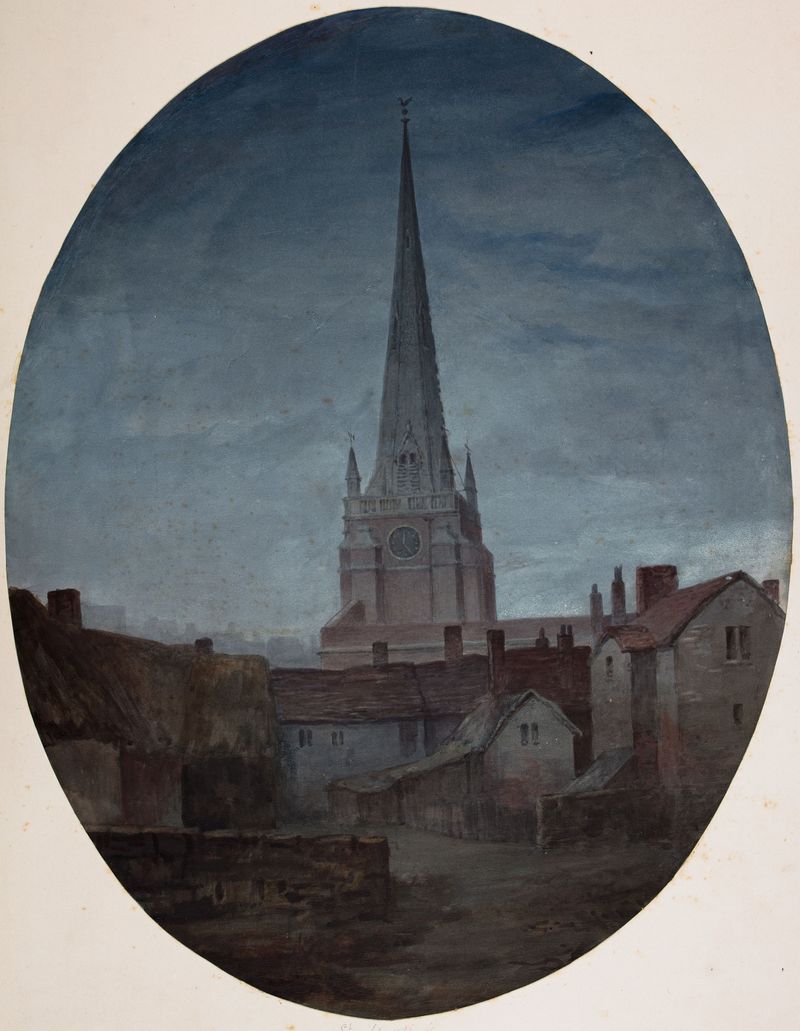
St Martin’s Church Birmingham, By Night
Elijah Walton

The Weisshorn, from near St. Niklaus
Elijah Walton

Monte Viso, from the Col de La Croix
Elijah Walton
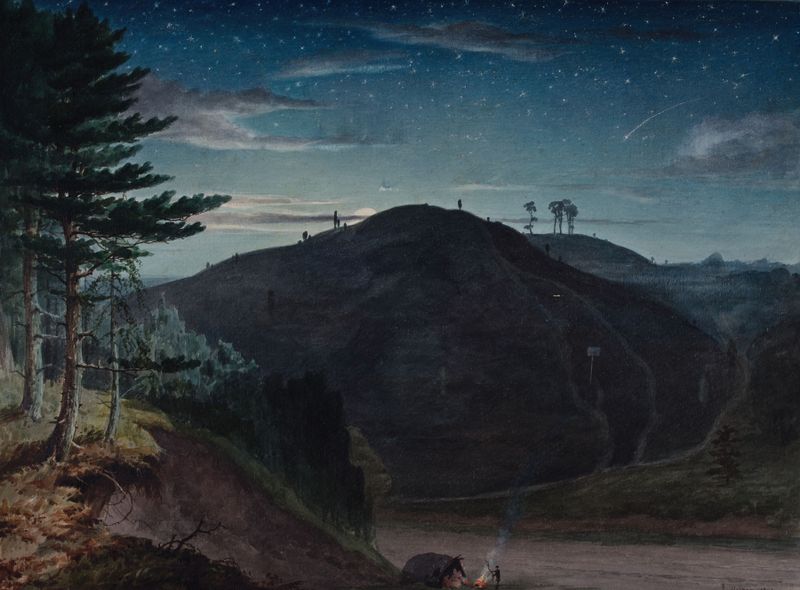
Cofton From Rednal, Moonlight
Elijah Walton
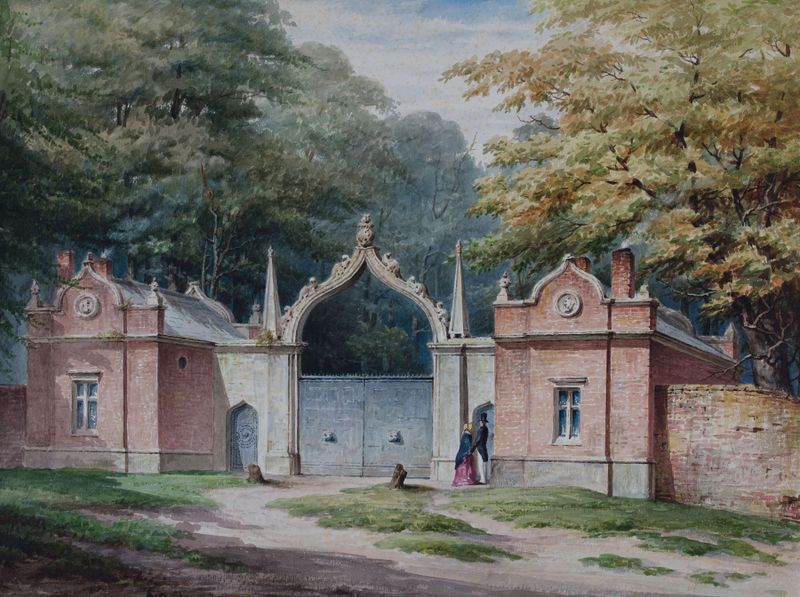
Lodge Gates, Entrance To Aston Hall
Elijah Walton





