
The Great Oak — History & Facts
In The Great Oak, the artist captures a moment of rebirth, where nature reclaims its strength and beauty against a backdrop of tumultuous skies. The painting invites contemplation on the cyclical nature of life, urging viewers to reflect on resilience and renewal. Focus first on the gnarled trunk of the oak tree, its grandeur dominating the left side of the canvas. Notice how the interplay of dark and light creates a dramatic chiaroscuro effect, highlighting the intricate textures of the bark and the delicate leaves that seem to shimmer in the brisk wind.
To the right, a distant horizon fades into muted greens and blues, suggesting a world both serene and tumultuous, while dappled sunlight spills through the branches, casting a warm glow that contrasts with the cool shadows below. The juxtaposition of the sturdy oak with the turbulent sky above embodies a profound emotional tension. The tree stands as a symbol of endurance amidst an ever-changing environment, while the swirling clouds hint at impending storminess—representing life’s challenges. The gentle play of light evokes a sense of hope, as if a promise of rebirth lingers in the air, urging us to look for beauty amidst adversity. In 1652, during the height of the Dutch Golden Age, Jacob van Ruisdael was honing his mastery of landscape painting while living in Haarlem.
This period marked a growing fascination with the natural world, reflecting both the artist’s personal quest for identity and the broader societal shift towards celebrating nature’s splendor. His work became a notable commentary on the landscape, blending realism with an emotive spirit that resonated deeply with his contemporaries.
More Artworks by Jacob van Ruisdael
Browse all →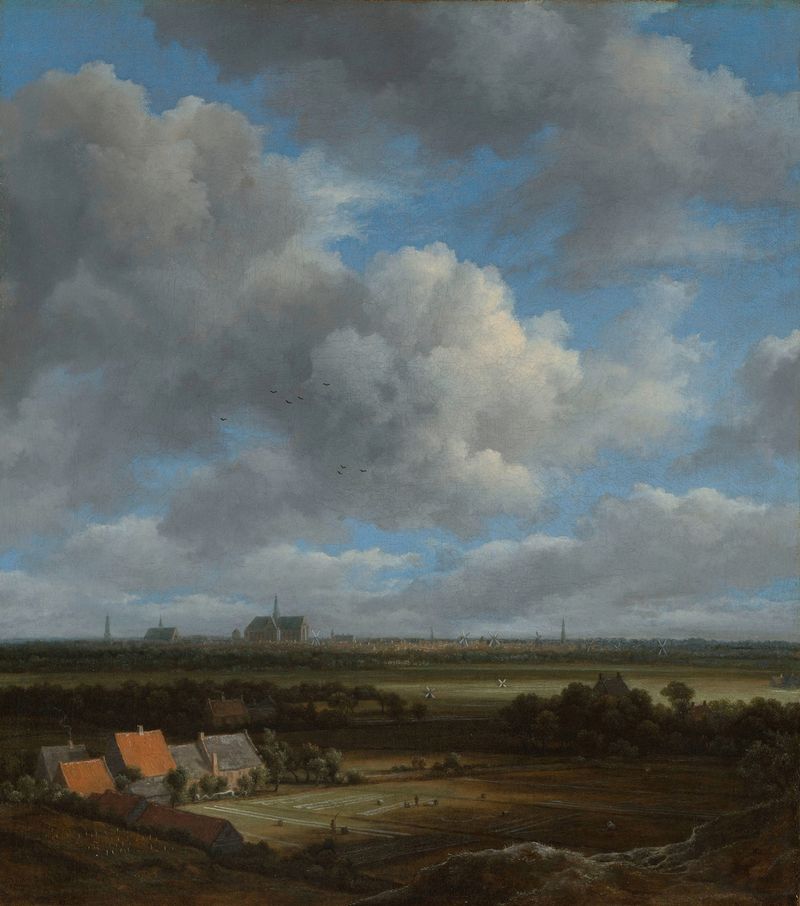
View of Haarlem from the Northwest, with the Bleaching Fields in the Foreground
Jacob van Ruisdael
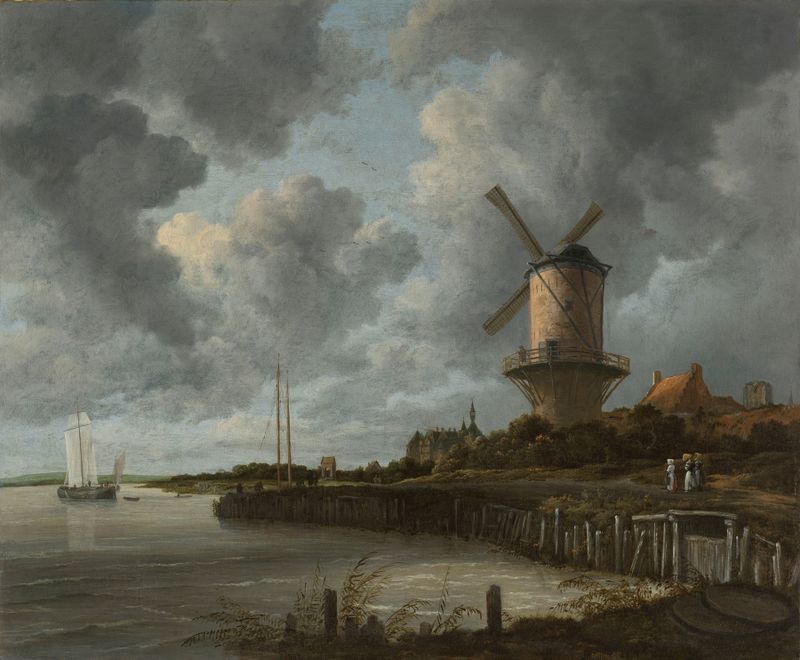
The Windmill at Wijk bij Duurstede
Jacob van Ruisdael
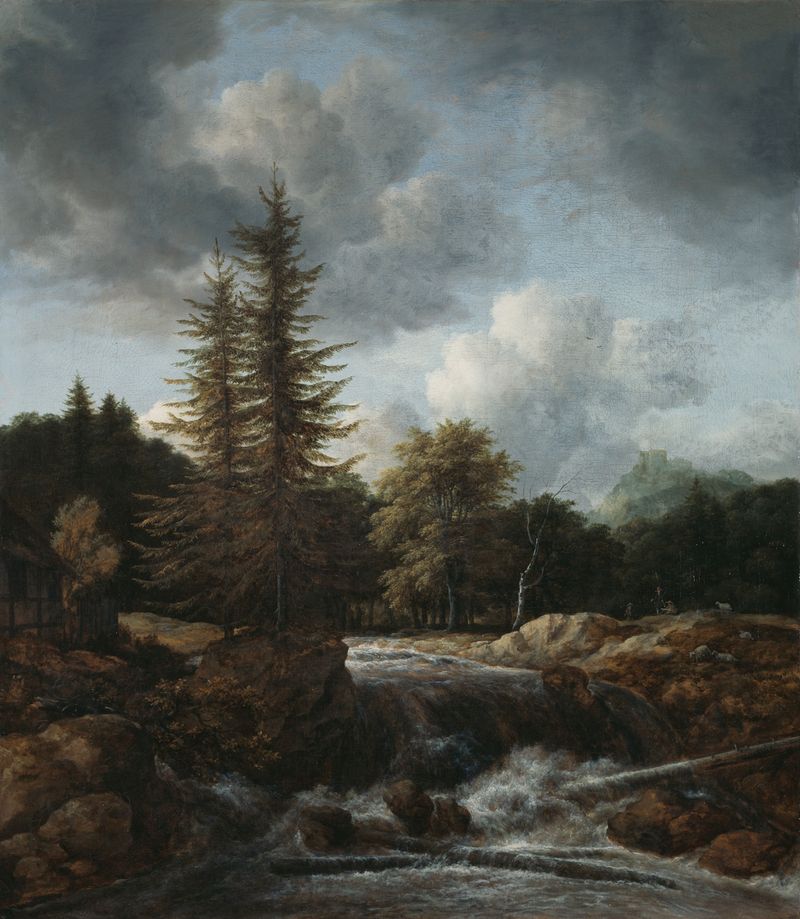
Landscape with Waterfall
Jacob van Ruisdael
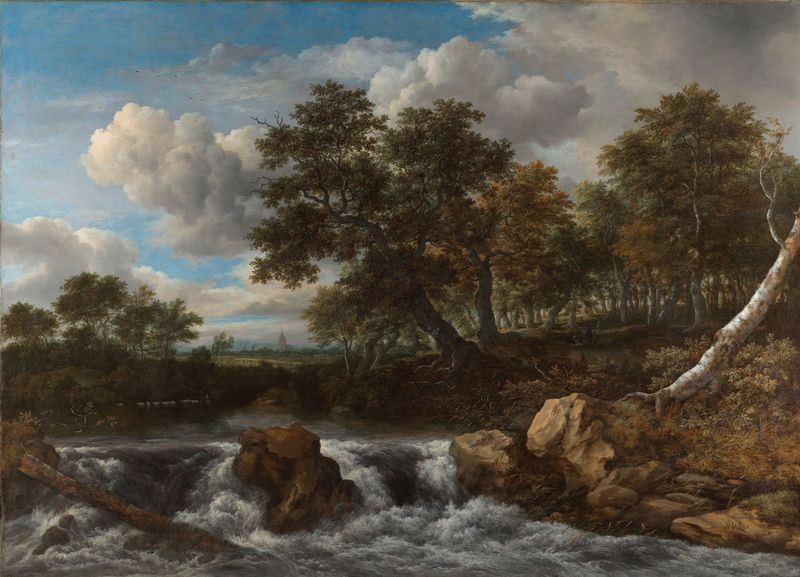
Landscape with Waterfall
Jacob van Ruisdael
Landscape with a Windmill
Jacob van Ruisdael

Wooded hillside with a view of Bentheim Castle
Jacob van Ruisdael
Road through an Oak Forest
Jacob van Ruisdael

Landscape with a Church
Jacob van Ruisdael

The Forest Stream
Jacob van Ruisdael

The Jewish Cemetery
Jacob van Ruisdael





