
The Grotto of the Nativity — History & Facts
In the dimly lit grotto, a soft glow emanates from a humble cradle, illuminating the faces of those gathered in reverent awe. Shadows dance gently on the rough stone walls, creating an ethereal atmosphere that envelops the Holy Family. A subtle hush fills the air, punctuated only by the distant echo of whispered prayers, as the weight of the moment draws everyone closer, united in a sacred revelation. Look to the center of the composition where the infant lies swaddled in simple cloth, radiating purity and warmth.
The artist’s delicate brushstrokes render a rich interplay of light and dark, drawing the viewer’s gaze toward the luminous child. Notice how the warm golden tones contrast against the cool grays of the stone, emphasizing the profound significance of this miraculous event. Each figure around the cradle is imbued with emotion; their postures and expressions reflect a blend of joy, adoration, and humility. Diving deeper, the contrasts in this work speak volumes.
The ruggedness of the grotto symbolizes earthly struggle, juxtaposed with the divine miracle of birth. The figures’ varied expressions reveal a spectrum of responses—faithful wonder in some, tender protectiveness in others. Such nuances hint at the profound impact of this moment, not just for the characters portrayed but for humanity as a whole, encapsulating a transition from despair to hope. Created in 1810 during a period of significant artistic exploration and revival, this piece reflects Luigi Mayer’s fascination with religious themes and the evolving landscape of neoclassical art.
While residing in Rome, he was influenced by the rising interest in the emotional depth of biblical narratives, seeking to capture the spiritual essence of such pivotal moments. This intersection of personal belief and artistic evolution is palpable in every stroke, marking a significant chapter in his oeuvre.
More Artworks by Luigi Mayer
Browse all →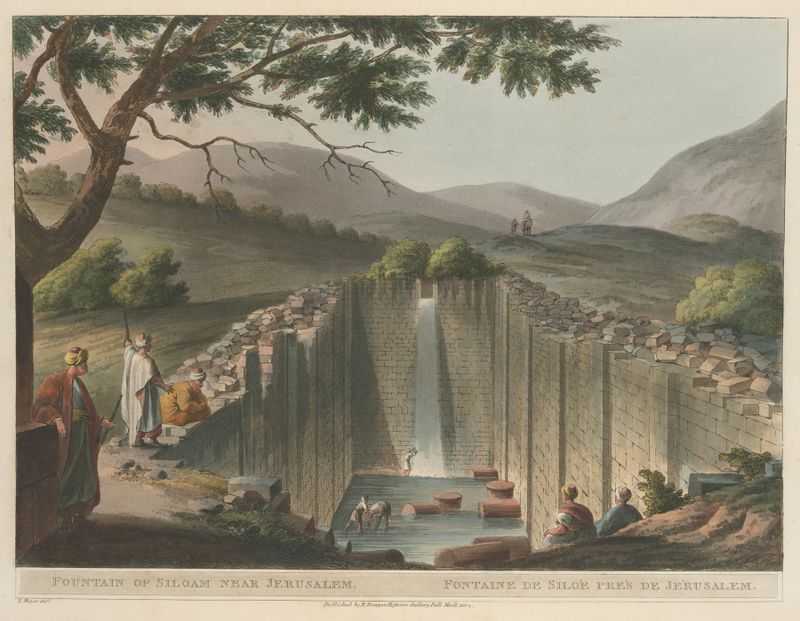
Fountain of Siloam Near Jerusalem
Luigi Mayer

View of the Dardanelles
Luigi Mayer
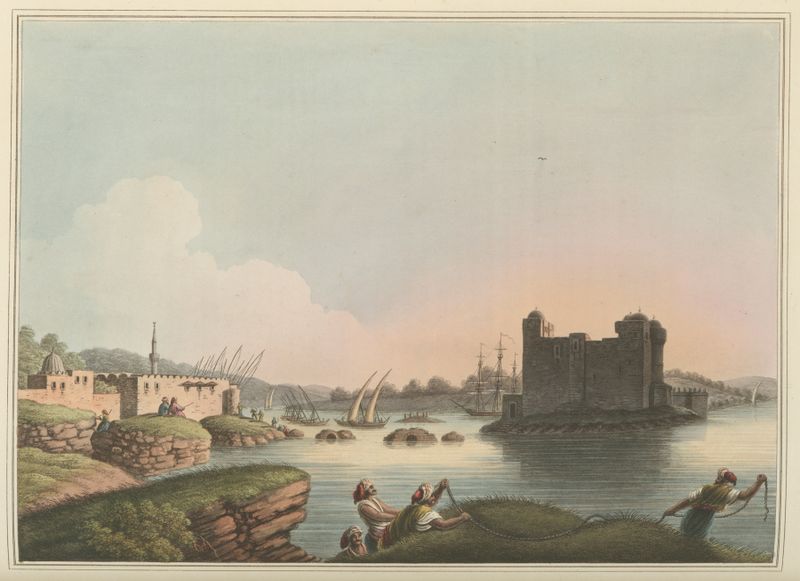
Port of Latachia
Luigi Mayer

Stadium at Ephesus
Luigi Mayer

Ancient Temples at Agrigentum
Luigi Mayer
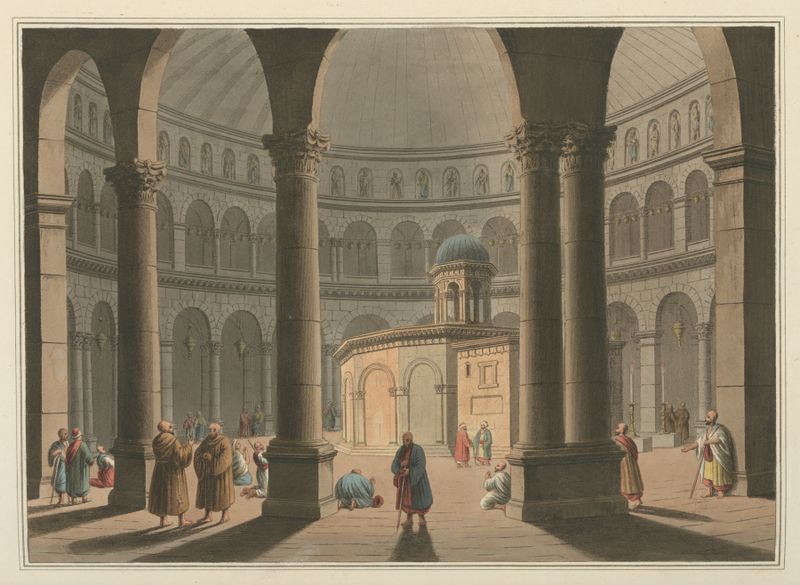
Church of the Holy Sepulchre
Luigi Mayer
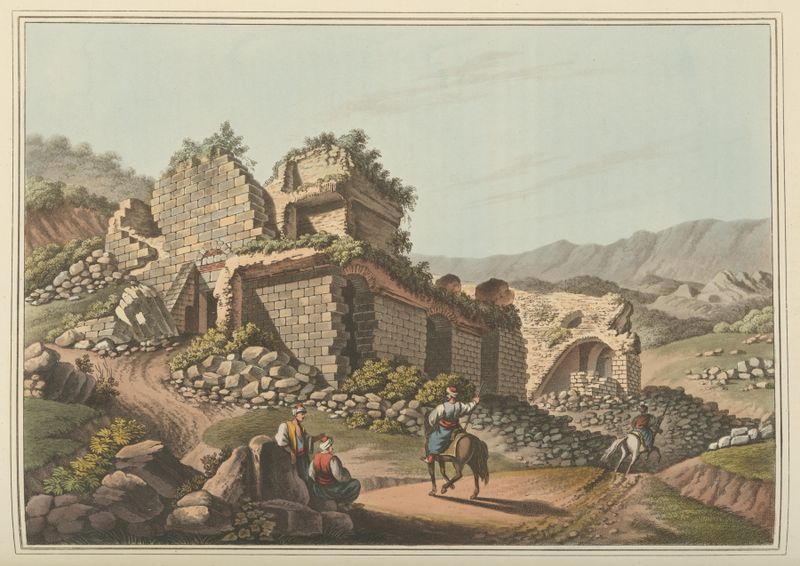
Theatre at Ephesus
Luigi Mayer
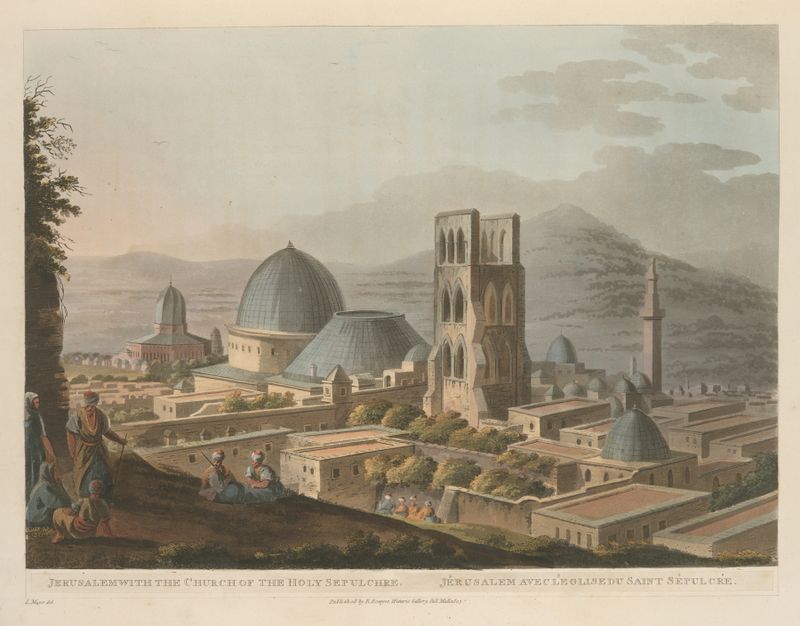
Jerusalem with the Church of the Holy Sepulchre
Luigi Mayer
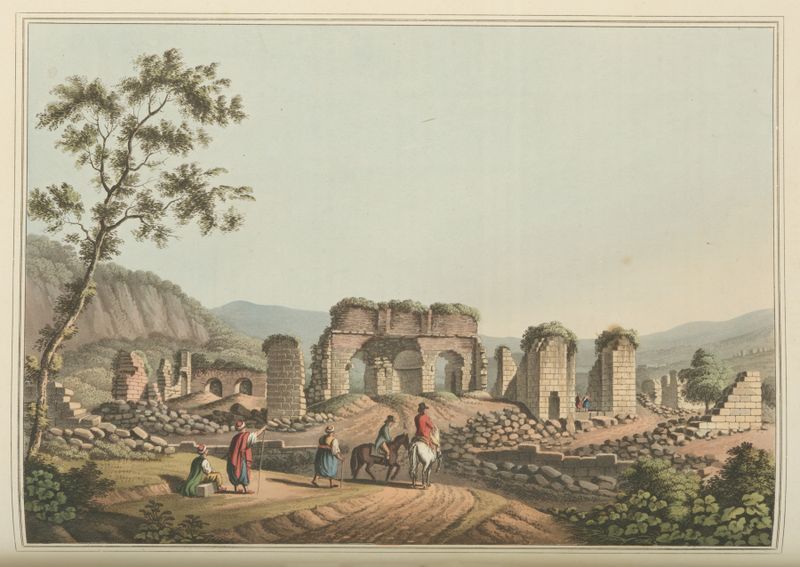
Ruins of the Temple of Diana at Ephesus
Luigi Mayer

Crater in the Island of Volcano
Luigi Mayer
More Religious Art
Browse all →
The Return of the Prodigal Son
Rembrandt van Rijn

The Garden of Earthly Delights
El Bosco

Count Orgaz’ funeral
El Greco

The Hundred Guilder Print: the central piece with Christ preaching, the plate arched
Rembrandt van Rijn

The Descent from the Cross
Rogier van der Weyden

The return of the prodigal son
Rembrandt van Rijn