
The Hall of Blithfield — History & Facts
Is this a mirror — or a memory? As you gaze at the ethereal light filtering through the expansive windows, you are drawn into a world where time stands still, reflecting the slow decay of grandeur. Look to the left at the intricate carvings adorning the wooden panels, each detail imbued with a whisper of history. The soft, muted tones of the walls echo the quiet melancholy that permeates the space, while the delicate interplay of light and shadow suggests a fading elegance. Notice how the slightly tarnished silver fixtures catch glimmers of illumination, hinting at the remnants of a once-vibrant life, now reduced to whispers of the past. The juxtaposition of opulence and decay creates a poignant tension in the composition.
As the viewer’s eye travels across the canvas, one can sense the passage of time, as if the room itself breathes memories of laughter and celebration, now replaced by an eerie silence. The overgrown foliage seen through the windows symbolizes nature's reclamation, a powerful reminder that even the grandest of human achievements are subject to the relentless march of time. John Buckler painted this work in 1823 during a period marked by a fascination with the picturesque and the romantic. At this time, he was exploring the nuances of architecture and landscape in his artwork while living in England.
The shifting cultural landscape and his interest in the ruins of the past reflect not just his artistic journey but also the broader societal contemplation of heritage and the inevitability of decay.
More Artworks by John Buckler
Browse all →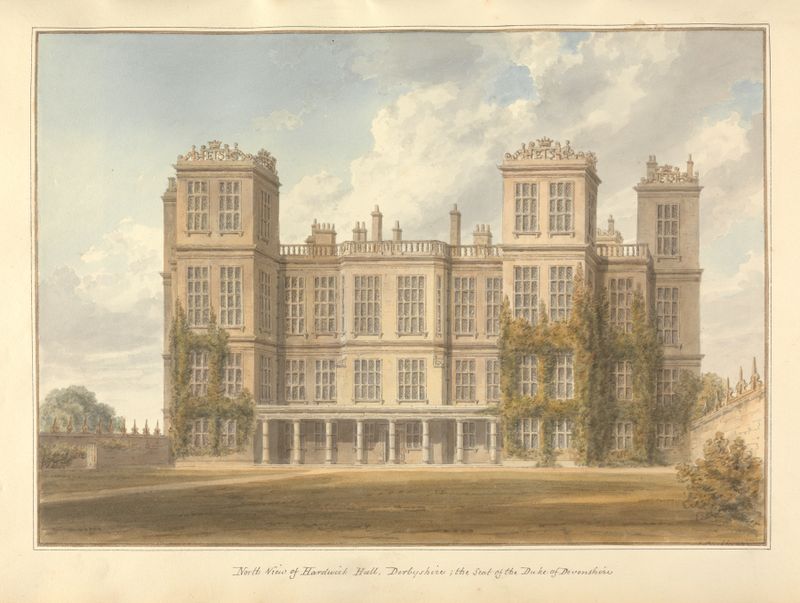
North View of Hardwick Hall, Derbyshire: the Seat of the Duke of Devonshire
John Buckler
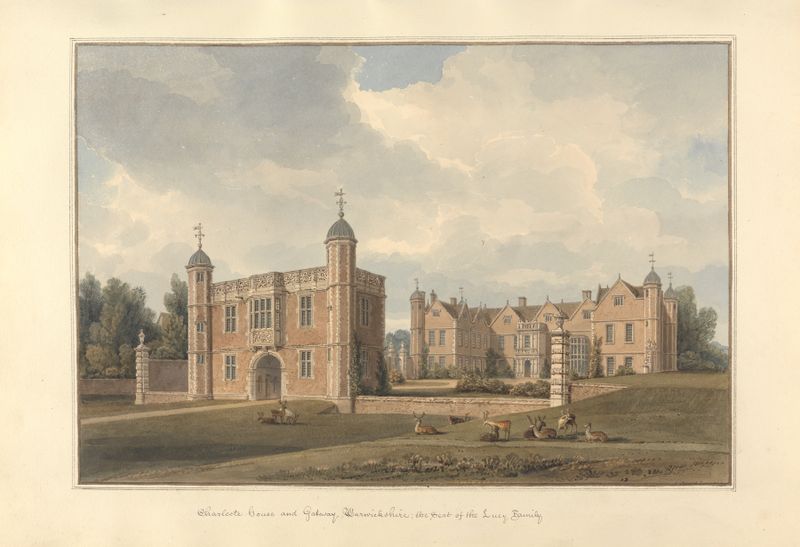
Charlcote house and Gateway, Warwickshire: the Seat of the Lucy Family
John Buckler

North East View of Holland House
John Buckler
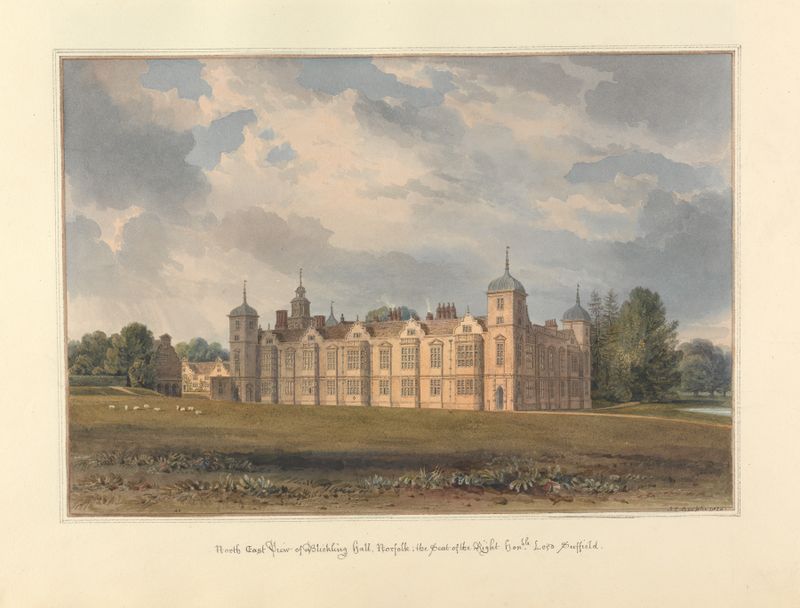
North East View of Blickling Hall, Norfolk: the Seat of the Right Hon’ble Lord Suffield
John Buckler
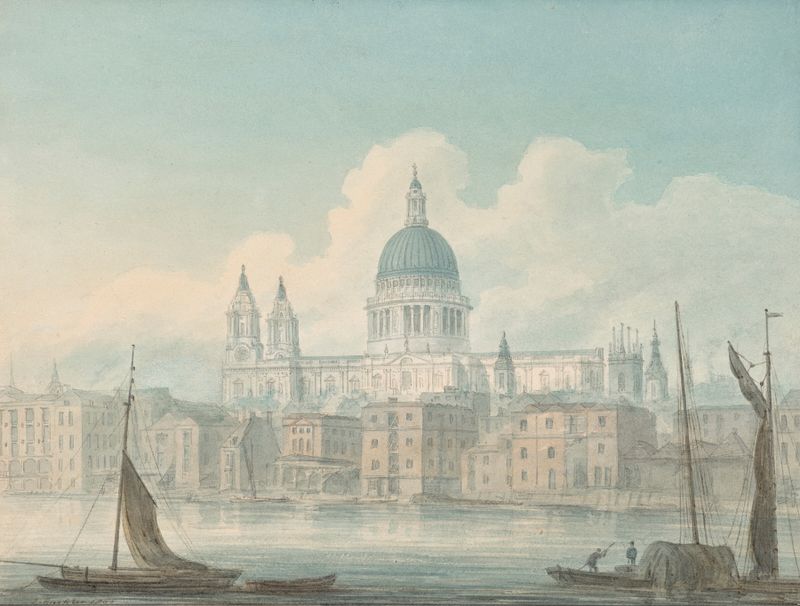
View of St Paul’s Cathedral, from the Southbank of the River Thames, London
John Buckler
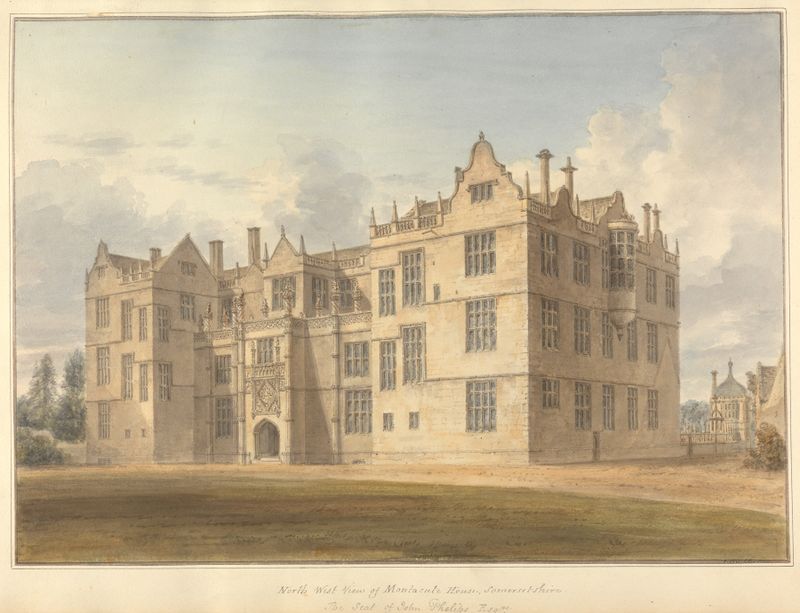
North West View of Montacute House, Somersetshire, The Seat of John Phelips Esqr.
John Buckler
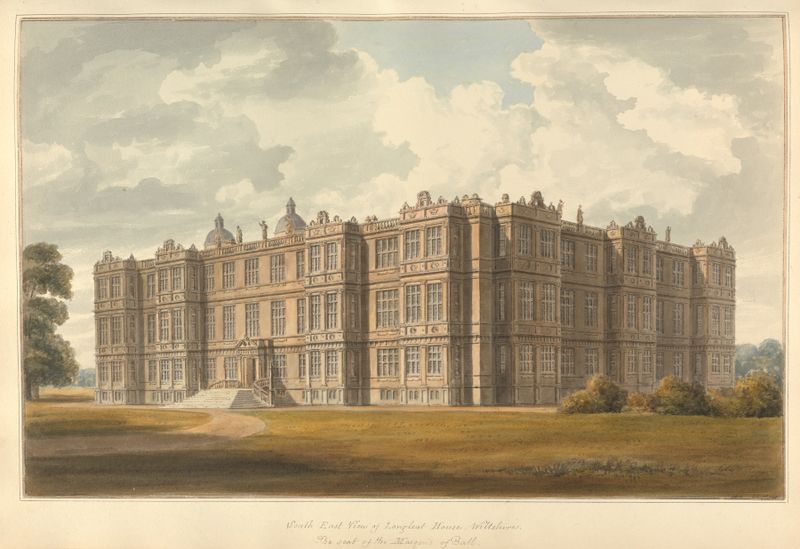
South East View of Longleat House, Wiltshire, the Seat of the Marquis of Bath
John Buckler
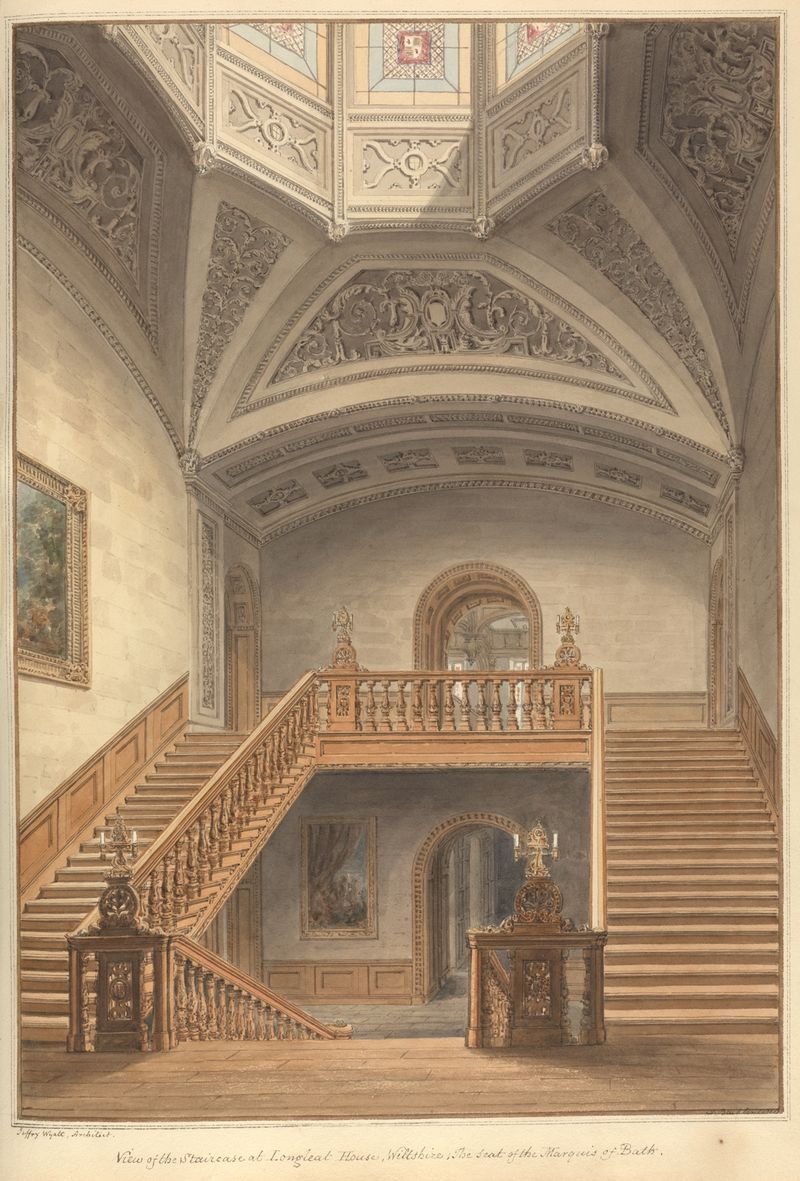
View of the Staircase at Longleat House, Wiltshire: the Seat of the Marquis of Bath
John Buckler
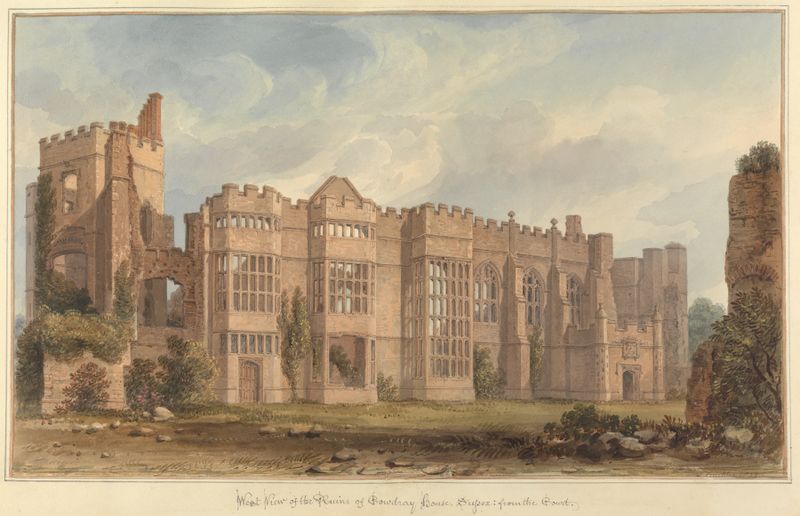
West View of the Ruins of Cowdray House, Sussex: from the Court
John Buckler
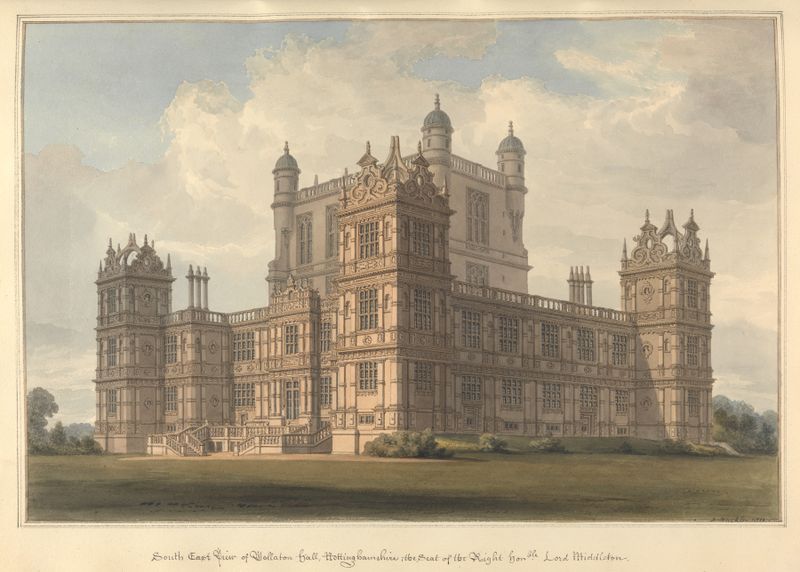
South East view of Wollaton hall, Nottinghamshire, the Seat of the Right honble. Lord Middleton
John Buckler





