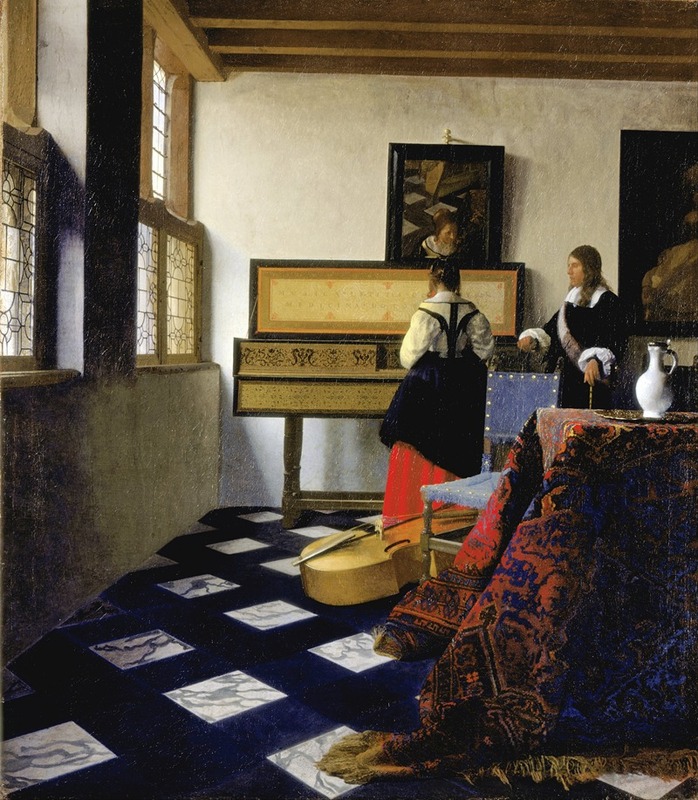
The Halt at the Inn — History & Facts
When did color learn to lie? The interplay of hue and shadow can often reveal truths hidden beneath the surface of reality, much like the tapestry of human experience itself. Focus initially on the vibrant warmth of the inn, where the golden glow of the wooden beams catches the eye. Notice how the light spills through the window, casting a gentle illumination that contrasts with the swirling shadows in the corners. The lively figures, engaged in conversation and merriment, invite you into their world, while the rich browns and greens of the surroundings ground the scene in a rustic charm that speaks of comfort and camaraderie. Yet, within this convivial atmosphere lies a tension — the man standing in the foreground, cloaked in darker tones, seems removed from the gathering.
He gazes inward, perhaps lost in thought or weary from travel, a stark contrast to the boisterous laughter that surrounds him. This moment captures the delicate balance between inclusion and isolation, hinting at stories untold and emotions buried beneath the surface. The brushwork, loose yet deliberate, allows for the eye to wander, revealing layers of narrative and the complexity of human connection. In 1645, The Halt at the Inn emerged from the hand of Isaac van Ostade during a time when Dutch art was evolving towards greater realism and emotional depth.
Living in Haarlem, he was influenced by his contemporaries, yet his unique ability to blend light and shadow spoke to the everyday lives of people. As the art world grappled with themes of domesticity and social life, van Ostade’s work captured not just a scene, but the essence of human experience in all its multifaceted glory.
More Artworks by Isaac van Ostade
Browse all →
A Street in a Village or Town
Isaac van Ostade
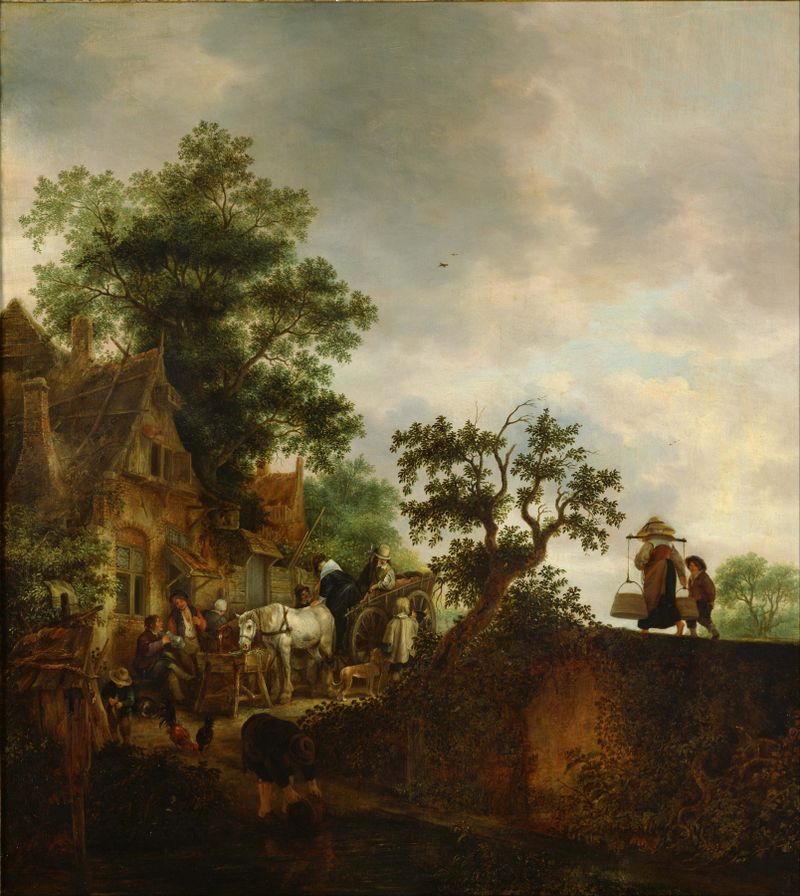
Travellers Halting at an Inn
Isaac van Ostade

Workmen before an Inn
Isaac van Ostade
A Winter Scene
Isaac van Ostade

Country inn with a horse at the trough
Isaac van Ostade
Winter Landscape
Isaac van Ostade
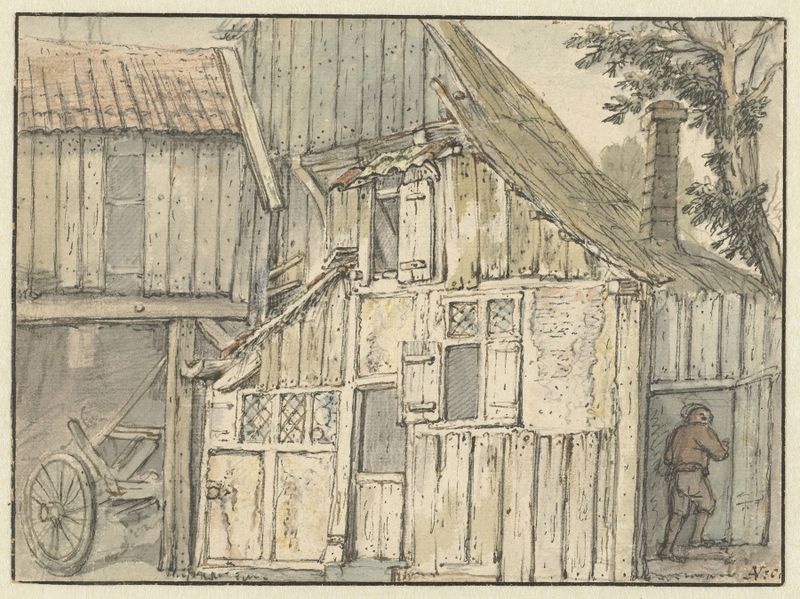
Gevel van een boerderij
Isaac van Ostade

A winter’s day outside Haarlem
Isaac van Ostade
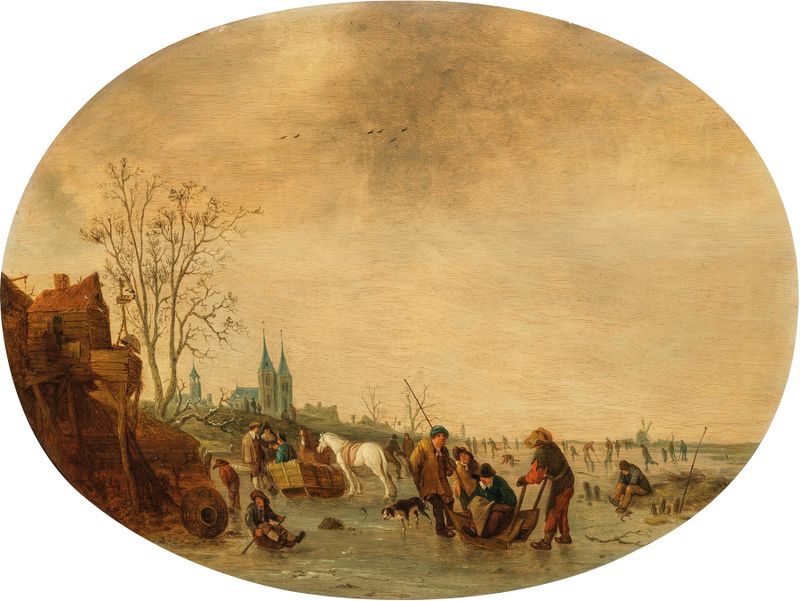
A winter landscape with skaters on the ice
Isaac van Ostade
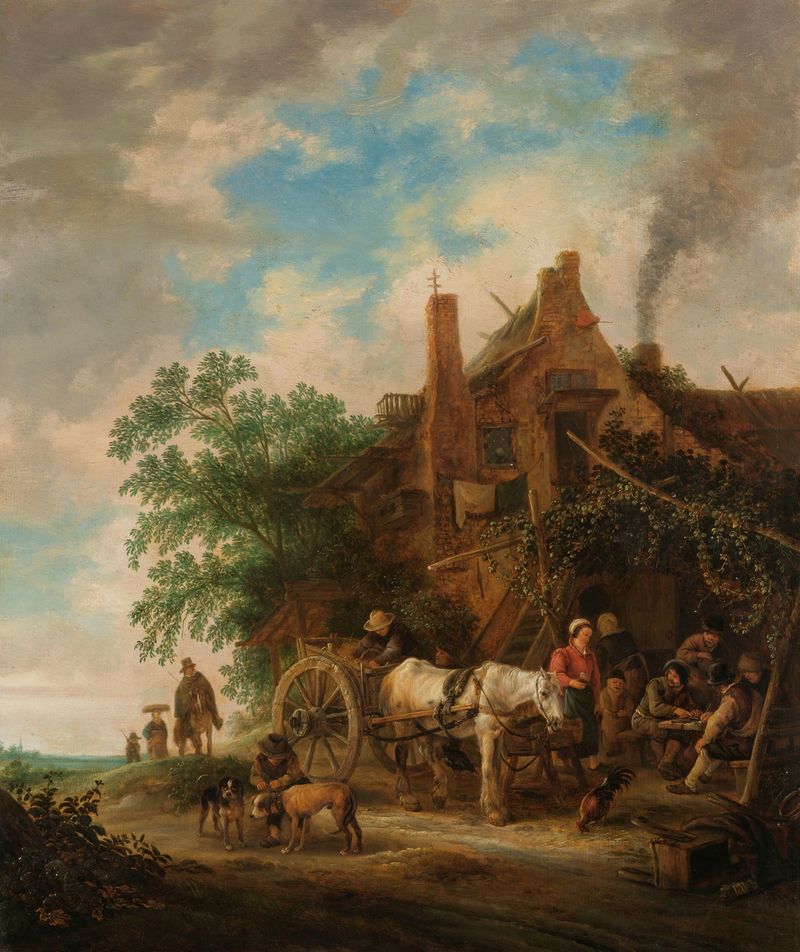
Country inn with horse and wagon
Isaac van Ostade