
Workmen before an Inn — History & Facts
Did the painter know this moment would outlive them? In the bustling activity of 1645, Isaac van Ostade captured a fleeting vignette that transcends time, inviting us to ponder the essence of labor and life itself. Look to the left at the group of workmen, their figures animated by the rich tones of ochre and umber. The sunlight washes over their rugged forms, casting soft shadows that dance on the cobblestones beneath their feet. Notice how the inn's wooden beams frame the scene, creating an intimate atmosphere that draws the eye toward the lively exchange taking place.
This composition balances movement and stillness, each brushstroke conveying both the vibrancy of labor and the underlying weariness of the men. There lies an intriguing contrast between the jovial camaraderie depicted in the workmen's gestures and the solemnity of their labor. The inn stands as a symbol of respite, yet its proximity to the toil reveals the idea of escape intertwined with hard work. The subtle details, like the faint glimmers of light on the men’s tools, emphasize the weight of their toil while simultaneously celebrating their resilience.
Each figure embodies a story, inviting the viewer to reflect on the intersection of leisure and labor, a theme that resonates through the ages. Created in the Netherlands during the height of the Dutch Golden Age, this piece reflects a time of immense economic growth and artistic flourishing. Van Ostade painted Workmen before an Inn at the height of his career in Haarlem, where genre paintings gained prominence. The artist’s keen observations of everyday life were a response to the culture around him, showcasing the dignity of labor amidst a rapidly changing society.
More Artworks by Isaac van Ostade
Browse all →
A Street in a Village or Town
Isaac van Ostade
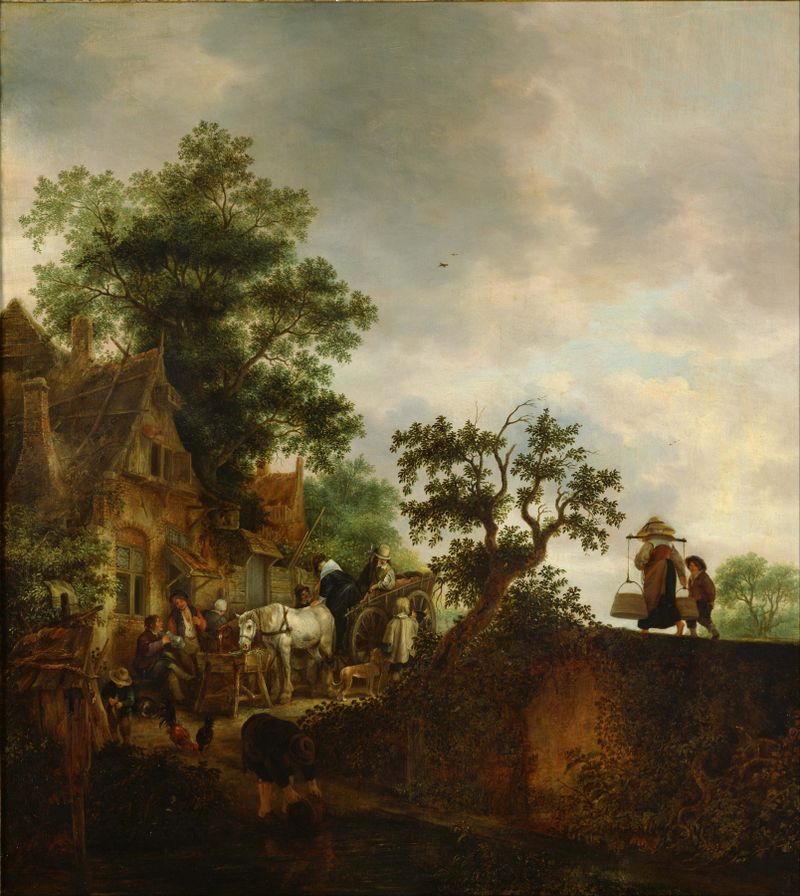
Travellers Halting at an Inn
Isaac van Ostade
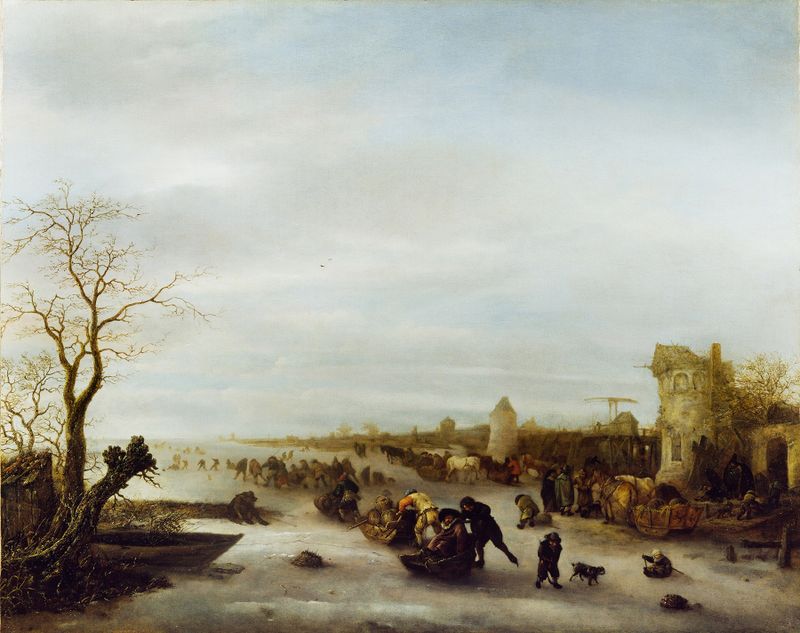
A Winter Scene
Isaac van Ostade
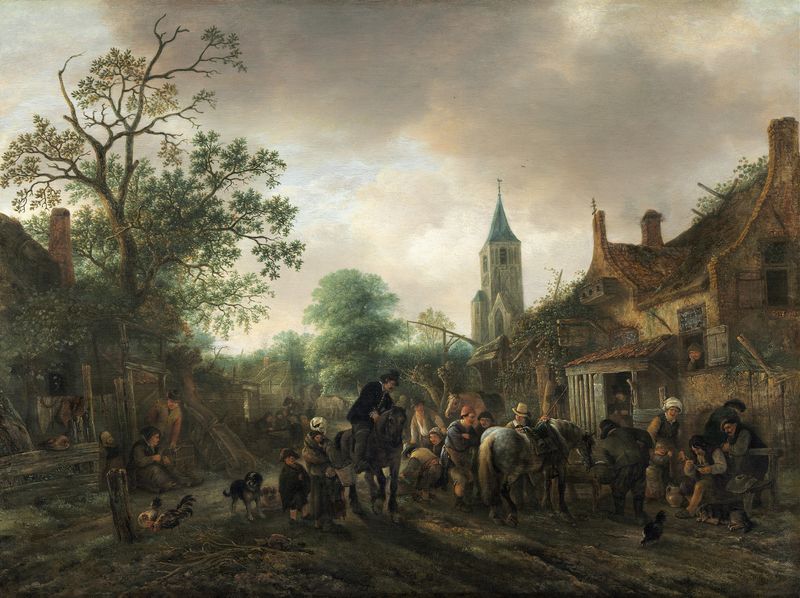
The Halt at the Inn
Isaac van Ostade

Country inn with a horse at the trough
Isaac van Ostade
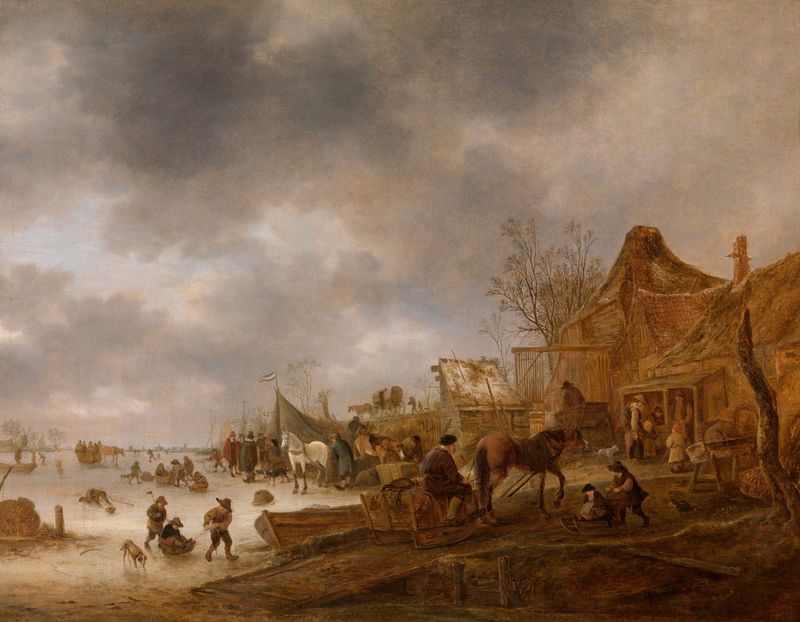
Winter Landscape
Isaac van Ostade
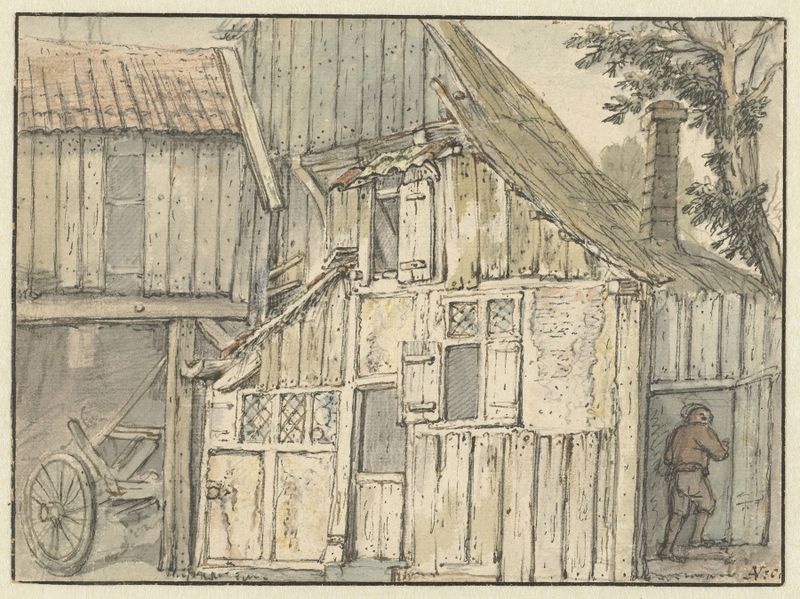
Gevel van een boerderij
Isaac van Ostade

A winter’s day outside Haarlem
Isaac van Ostade
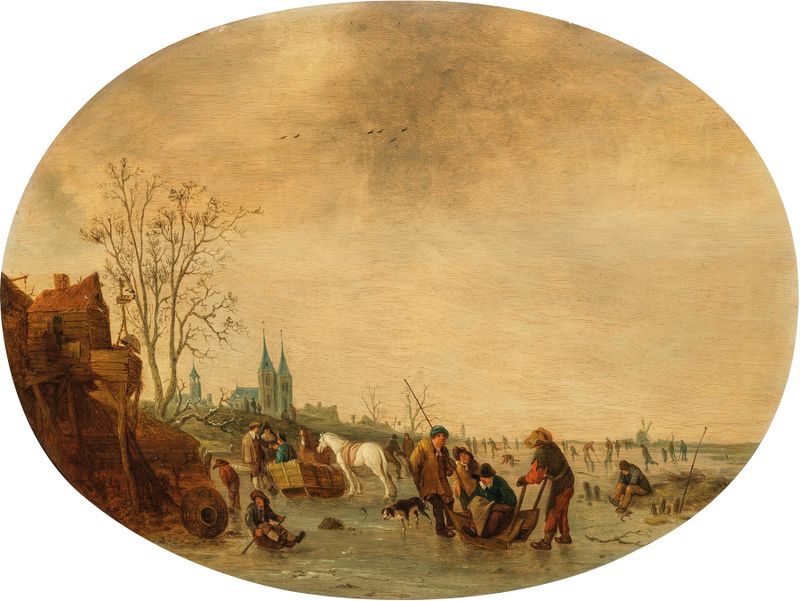
A winter landscape with skaters on the ice
Isaac van Ostade
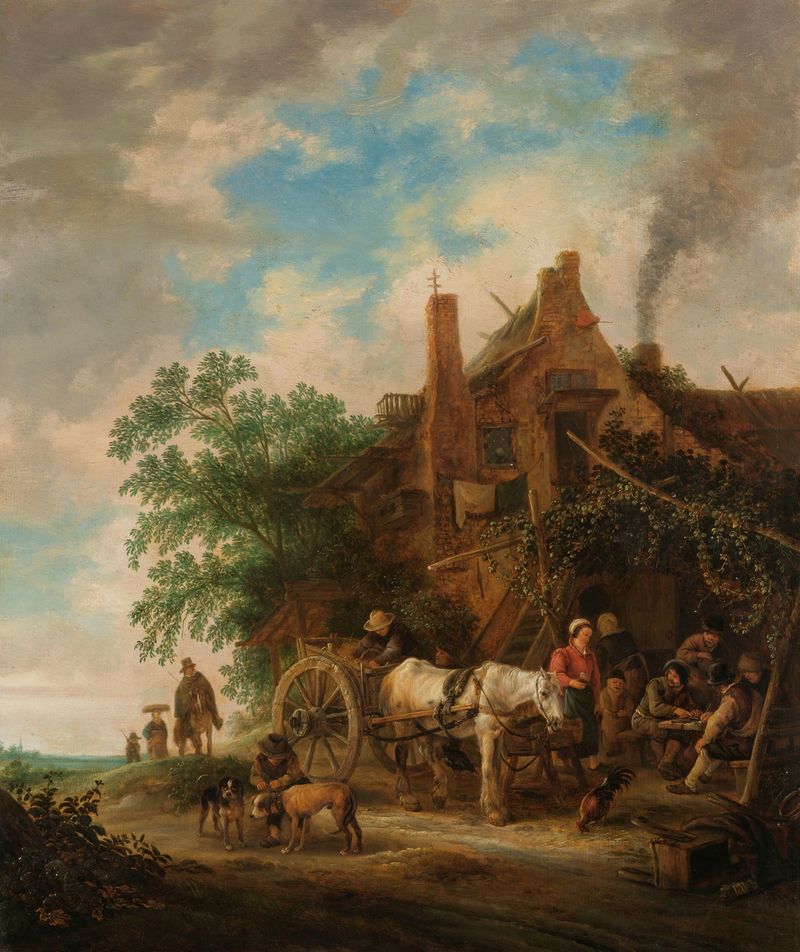
Country inn with horse and wagon
Isaac van Ostade





