
The Harbor of Dieppe — History & Facts
In The Harbor of Dieppe, the essence of loss lingers among the ever-changing tides of memory. The canvas encapsulates not just a moment in time, but a whisper of what once was, a haunting reminder of the transience inherent in life. Look to the left at the tumultuous waves crashing against the harbor’s edge, where shades of cobalt and cerulean meld seamlessly into the golden tones of the sky. The brushstrokes are swift, almost urgent, capturing the restless energy of the sea, while the boats, depicted with a soft touch, suggest a fleeting existence as they bob in the water.
The contrasting hues of warm and cool create a tension that invites you to explore the emotional depths of the scene, revealing not only the physical harbor but also a psychological landscape of nostalgia. As you observe, consider the small details that speak volumes—flags fluttering in the breeze, the figures on the shore, cloaked in ambiguity, hint at lives intertwined with the sea. The shimmering light reflects both hope and melancholy, embodying the duality of human experience. Turner’s work transcends mere representation; it evokes the bittersweet nature of memory, celebrating beauty while acknowledging the inevitability of loss. In 1826, Turner painted this piece during a period of personal and artistic evolution.
He was grappling with the shifting currents of Romanticism, seeking to harness emotion through landscape. This era found Turner increasingly engaged with the power of light and atmosphere, as he sought to capture momentary sensations against a backdrop of societal change and industrialization. The Harbor of Dieppe stands as a testament to both his innovative spirit and the melancholic truths of existence.
More Artworks by Joseph Mallord William Turner
Browse all →
Dort or Dordrecht- The Dort Packet-Boat from Rotterdam Becalmed
Joseph Mallord William Turner
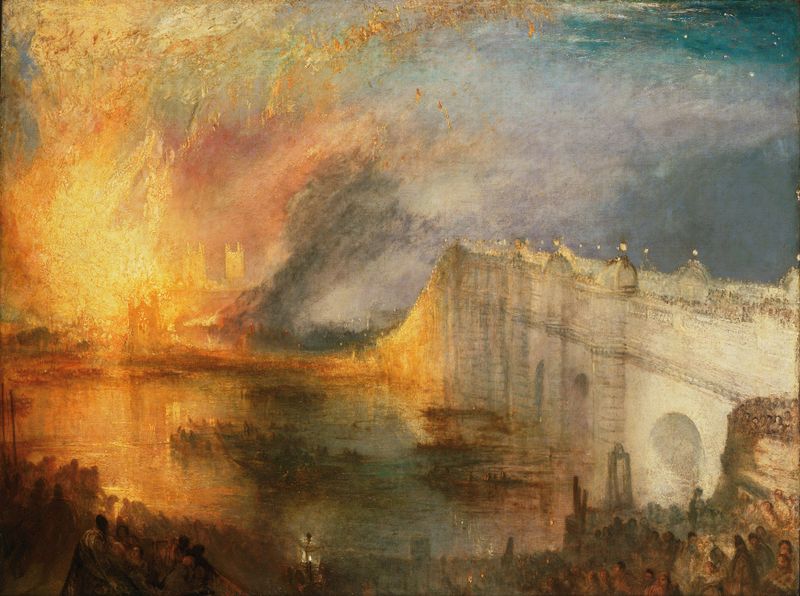
The Burning of the Houses of Lords and Commons, October 16, 1834
Joseph Mallord William Turner
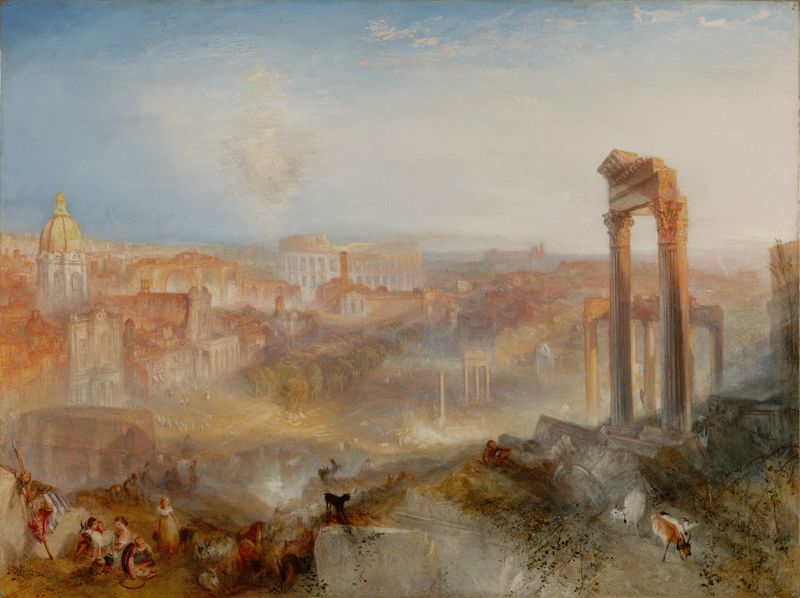
Modern Rome – Campo Vaccino
Joseph Mallord William Turner
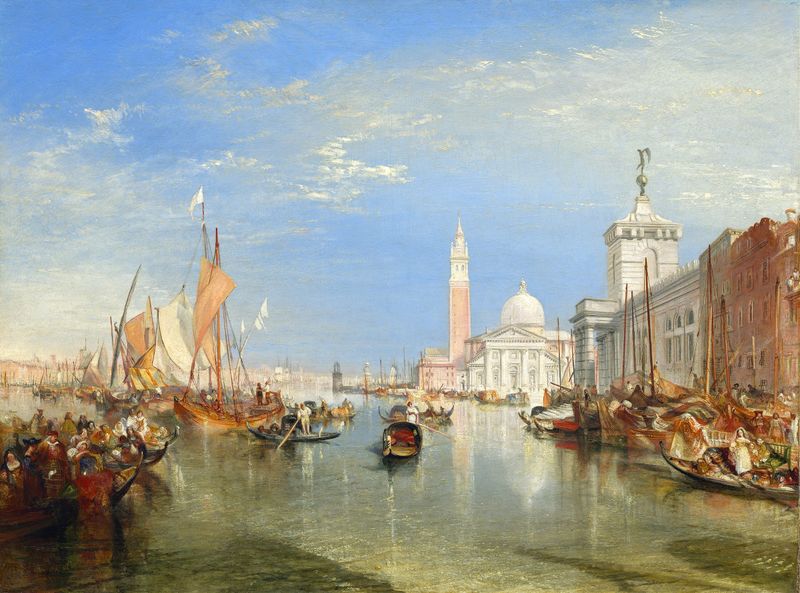
Venice – The Dogana and San Giorgio Maggiore
Joseph Mallord William Turner

The Burning of the Houses of Lords and Commons, 16 October 1834
Joseph Mallord William Turner
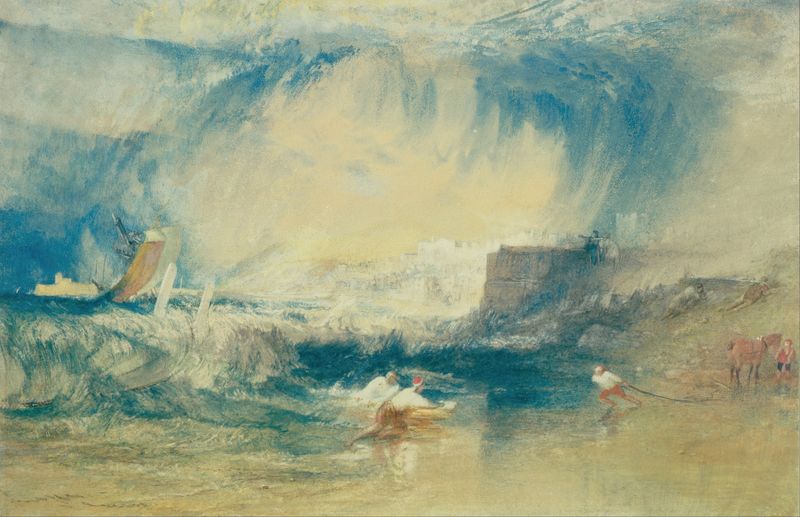
Lyme Regis, Dorsetshire, England
Joseph Mallord William Turner
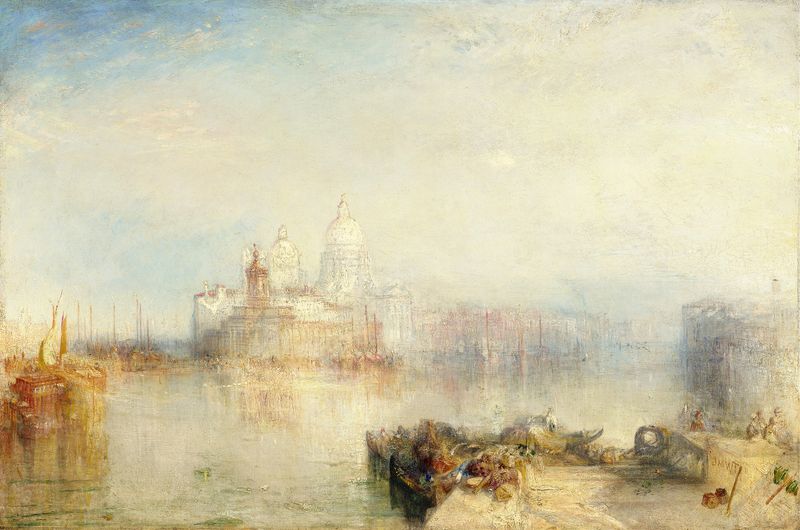
The Dogana and Santa Maria della Salute, Venice
Joseph Mallord William Turner
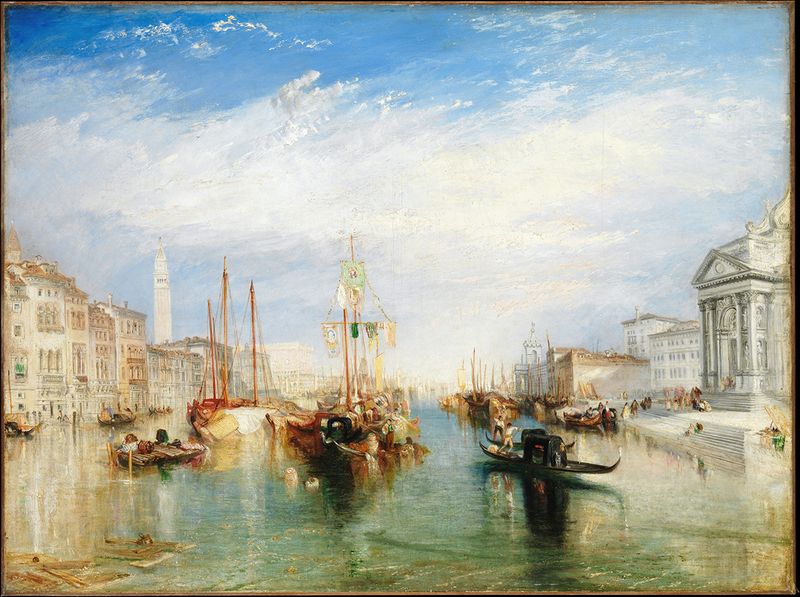
Venice, from the Porch of Madonna della Salute
Joseph Mallord William Turner
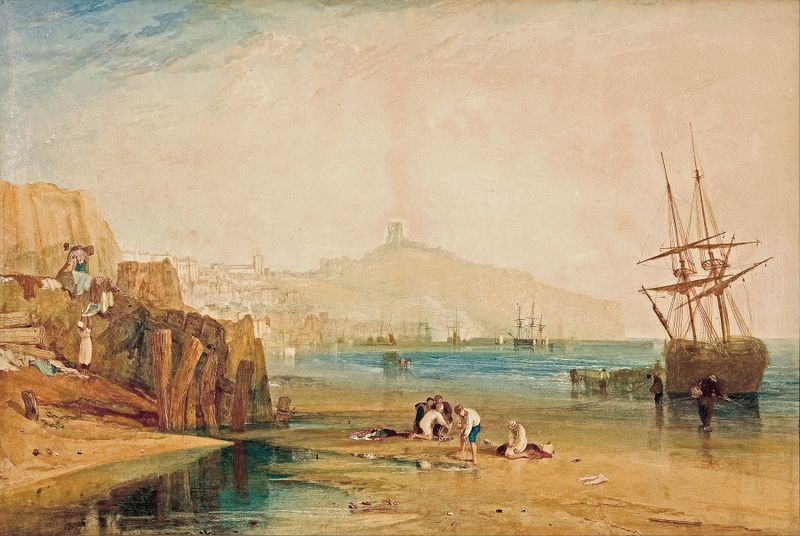
Scarborough town and castle; morning; boys catching crabs
Joseph Mallord William Turner
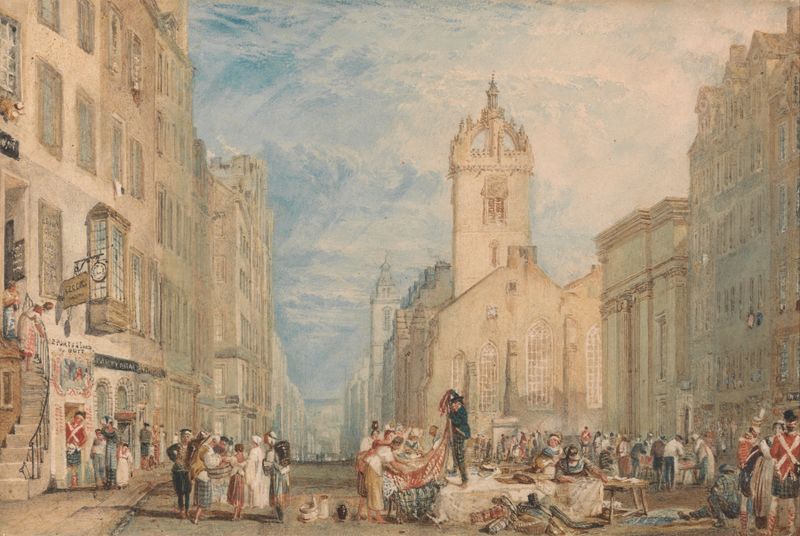
High Street, Edinburgh
Joseph Mallord William Turner




