
The Harbour in Agrigento — History & Facts
In the quiet stretches of human experience, where betrayal lurks in shadows, landscapes become mirrors of our innermost struggles. Begin your exploration with the tranquil waters that stretch across the canvas. Look closely at the harbour; the gentle hues of blue and green invite you into a serene embrace, while the glimmers of sunlight dance upon the surface, creating a delicate interplay of light and shadow. Notice the figures along the shore, their gestures subtle yet telling, as they engage in the day’s labors—perhaps unaware of the unseen tensions that seep into their reality, suggested by the looming cliffs in the backdrop. A deeper contemplation reveals the emotional undercurrents swirling beneath the peaceful façade.
The juxtaposition of the calm sea and the strong, unyielding rocks hints at the duality of trust and treachery. The figures seem to carry the weight of unspoken histories, their bodies poised between industriousness and the threat of solitude. Could it be that these serene moments are but a façade, concealing the vulnerabilities that betrayal exposes? Each brushstroke captures not just the scenery but the rawness of human connection in a world rife with unacknowledged pain. In 1839, while Fearnley painted this landscape in Sicily, he found himself amidst a rapidly evolving art world.
The Romantic movement was gaining momentum, emphasizing emotion and nature’s sublime beauty. At this time, he grappled with his own artistic identity, navigating the thin line between observation and interpretation, reflecting a broader introspection within a society poised on the brink of change.
More Artworks by Thomas Fearnley
Browse all →
Norwegian Landscape, Marumfoss
Thomas Fearnley

View of the Oslofjord
Thomas Fearnley

Gudvangen
Thomas Fearnley

Stormy Landscape with a Rider
Thomas Fearnley
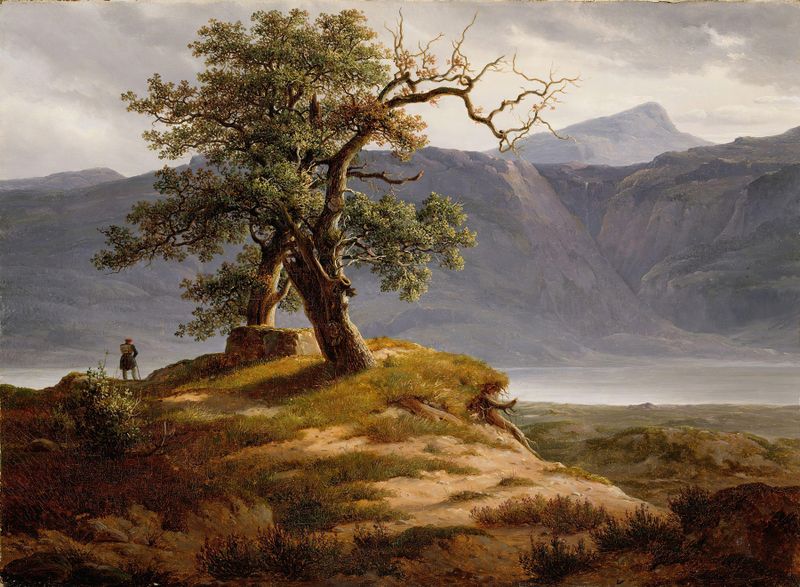
Landscape with a Wanderer
Thomas Fearnley
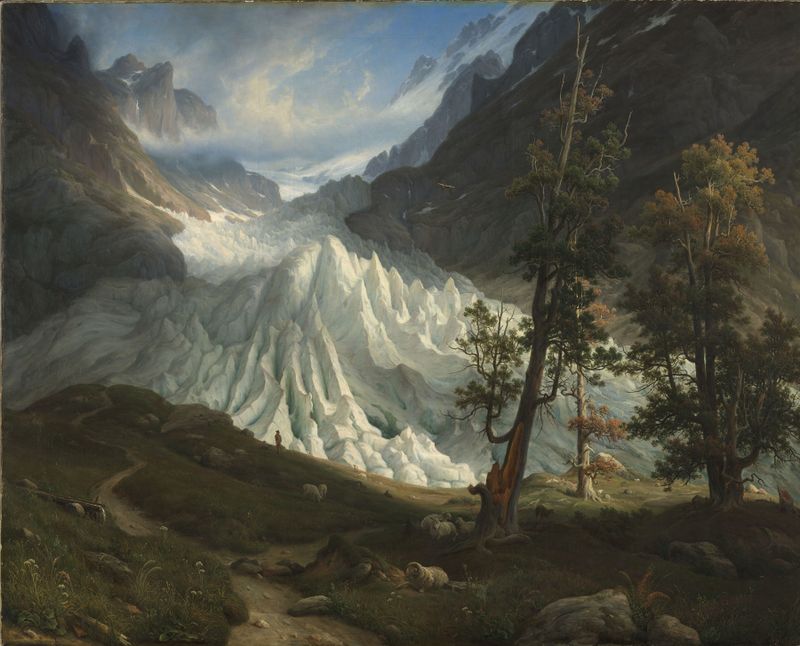
The Grindelwaldgletscher
Thomas Fearnley

Clouds over the Fjord
Thomas Fearnley
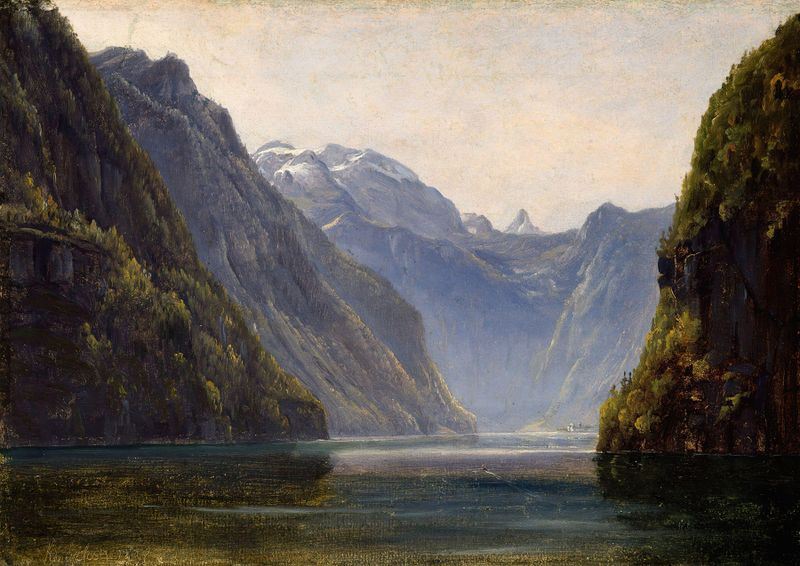
From Königssee
Thomas Fearnley

The Bridge of Hauge outside Arendal
Thomas Fearnley

King Vilhelm II’s ceremonial Processsion in Amsterdam in 1840
Thomas Fearnley





