
The Harvest of Buckwheat — History & Facts
Can beauty exist without sorrow? In The Harvest of Buckwheat, Paul Sérusier captures the bittersweet essence of rural life, inviting us to explore the delicate balance between joy and hardship. Look to the foreground where vibrant hues of deep greens and golds intermingle, drawing your gaze toward the workers bent low over the buckwheat fields. Notice how the sunlight spills across the canvas, illuminating their labor with a warm, almost reverent glow. The bold brushstrokes create a sense of movement, embodying both the toil of the harvest and the beauty in its rhythm.
In stark contrast, the muted tones of the distant hills whisper of the challenges that lie ahead, making the scene both serene and poignant. The interplay of light and shadow reveals deeper truths; the workers are caught in a cycle of nature's bounty, yet their stooped postures carry an unspoken weight. The tension between the lushness of the harvest and the effort required to reap it evokes a sense of collective resilience. Each figure, though united in their task, expresses a subtle individuality, hinting at personal struggles hidden within the shared experience.
In this way, Sérusier illuminates the duality of human existence—the joy of harvest intertwined with the inevitability of labor. Created in 1899, the painting reflects Sérusier’s involvement with the Nabis movement, which sought to transcend realism through symbolism and expression. Working in Pont-Aven, a hub for artists seeking inspiration from the landscape, the artist was deeply influenced by the interplay of color and emotion. It was a time when the art world was evolving, searching for new languages to express the complexities of modern life, and Sérusier’s work stands as a testament to that exploration.
More Artworks by Paul Sérusier
Browse all →
Bretonnes, Réunion Dans Le Bois Sacré
Paul Sérusier
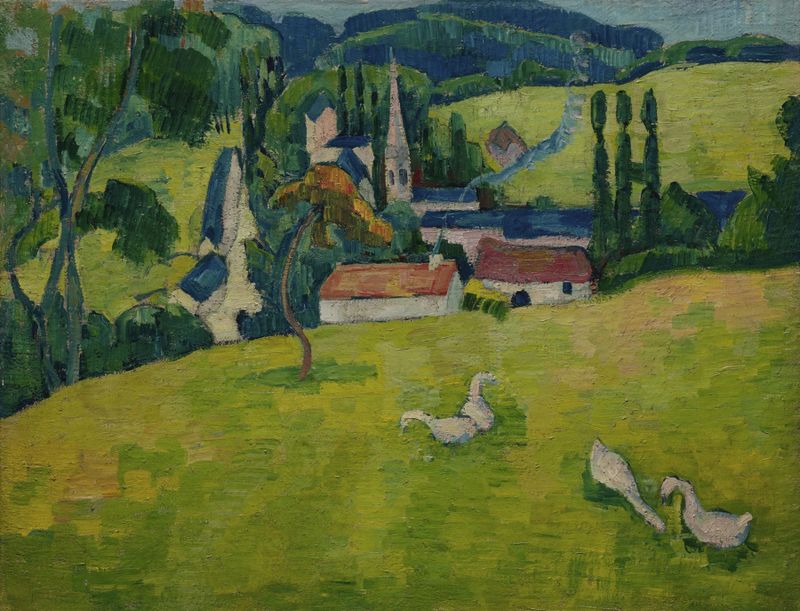
Pont-Aven, Le Pouldu
Paul Sérusier

Farmhouse at Le Pouldu
Paul Sérusier
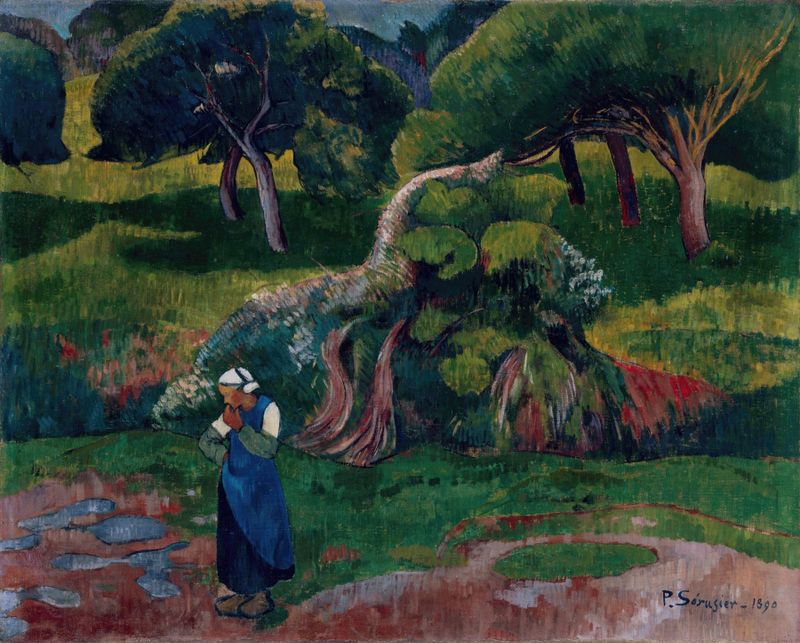
Landscape at Le Pouldu
Paul Sérusier
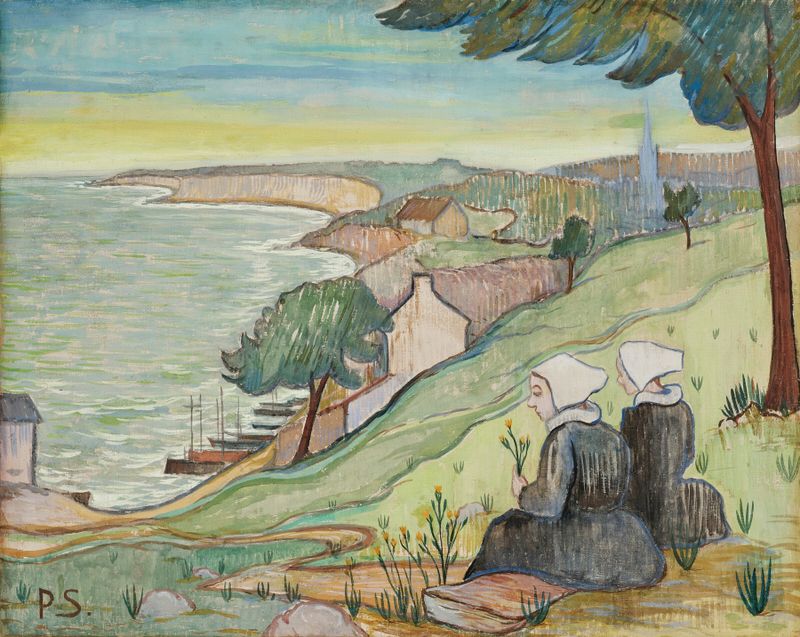
Bretonnes au Pouldu
Paul Sérusier
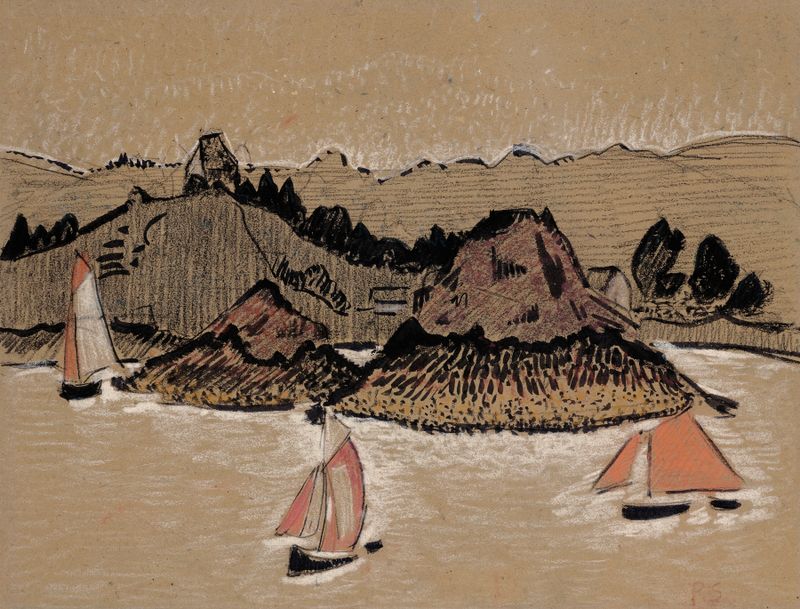
Trois bateaux sur le Trieux
Paul Sérusier
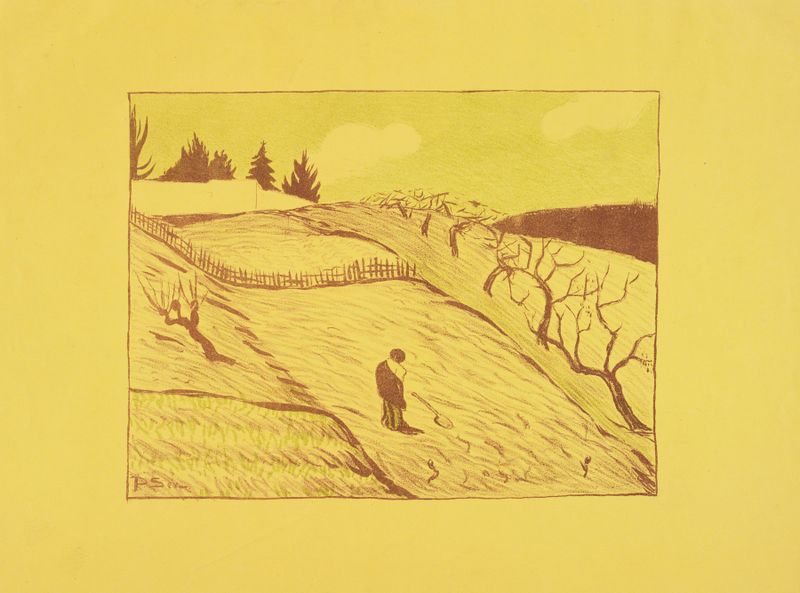
La fin du jour (The End of the Day)
Paul Sérusier
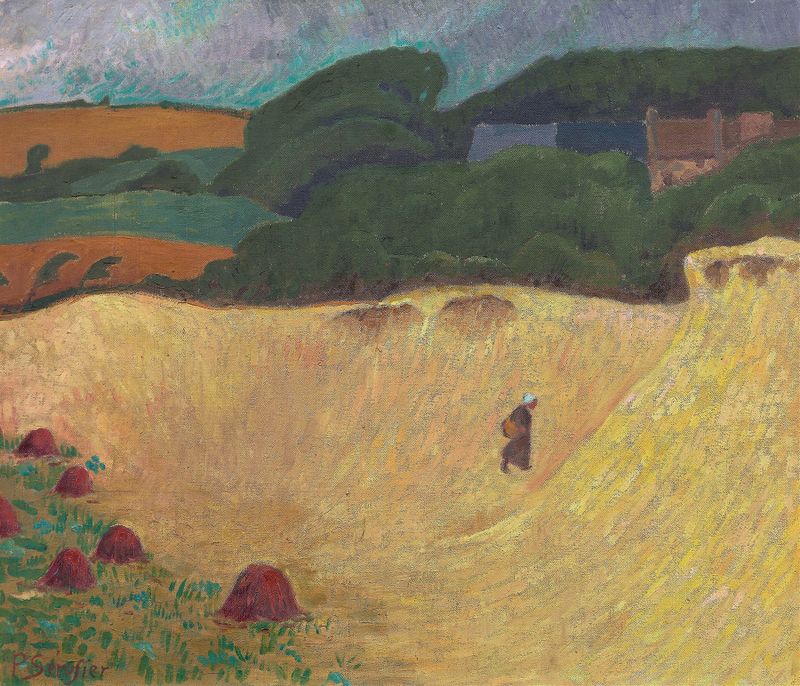
The Beach of Les Grands Sables at Le Pouldu
Paul Sérusier

The Harvest of Buckwheat
Paul Sérusier
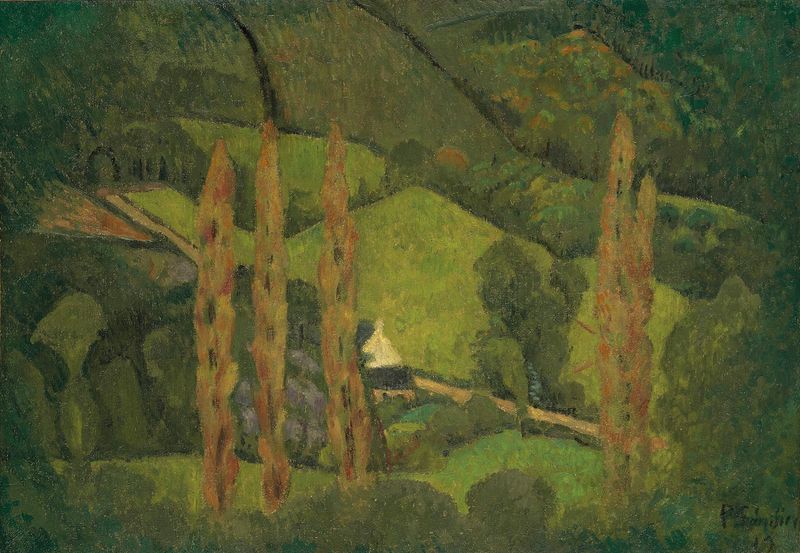
Paysage vert, Vallée de Châteauneuf
Paul Sérusier





