
The Hay Harvest — History & Facts
In the stillness of the fields, destiny dances silently, woven into the fabric of the landscape. Each blade of grass holds a secret, waiting for the attentive observer to uncover the story beneath the surface. Look to the left at the figures bent over their labor, each form a study in concentration against the vibrant greens and golden hues of the harvested hay. Notice how the artist employs delicate brushwork to convey movement, the swift strokes mimicking the gentle sway of the crops.
The light bathes the scene, casting soft shadows that reveal the contours of the terrain, highlighting both the toil of the harvesters and the lush bounty of nature itself. Yet, beneath this pastoral charm lies an emotional dichotomy. The figures, united in labor, appear joyful yet wearied, hinting at the dual nature of human effort—both a celebration of life and a concession to its demands. The delicate balance between labor and the beauty of nature suggests a reflection on the cycle of growth and decay, hinting that every harvest carries with it the weight of past seasons and the promise of future ones. During the time The Hay Harvest was created, Bürkel was immersed in the burgeoning art movements of the mid-19th century, which embraced realism and the beauty of everyday life.
His focus on rural themes, often painted in the tranquil settings of Germany, mirrored a society grappling with industrial change, emphasizing a deep connection to the land and the people who worked it. This work encapsulates a moment where tradition and modernity began to collide, immortalizing the enduring spirit of labor.
More Artworks by Heinrich Bürkel
Browse all →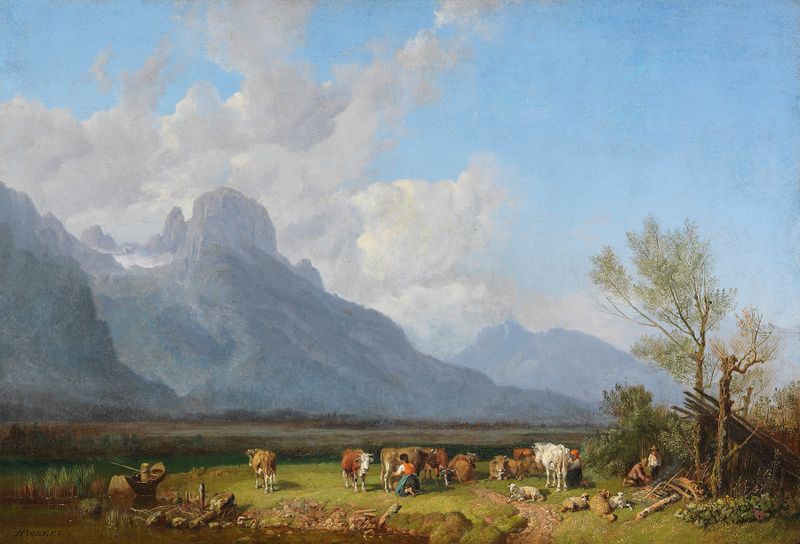
Viehhirten am Seeufer
Heinrich Bürkel
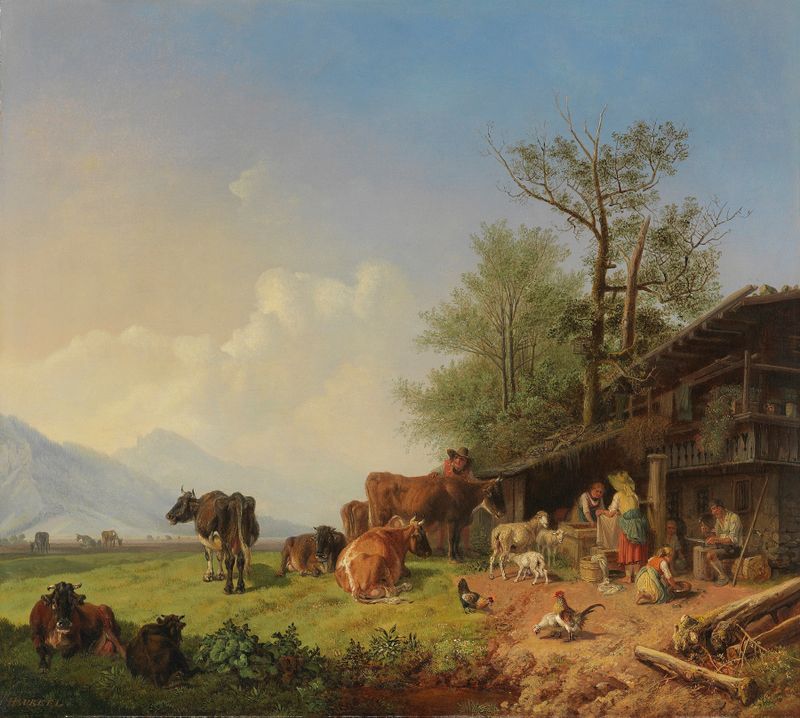
Bauernhof mit Brunnen
Heinrich Bürkel
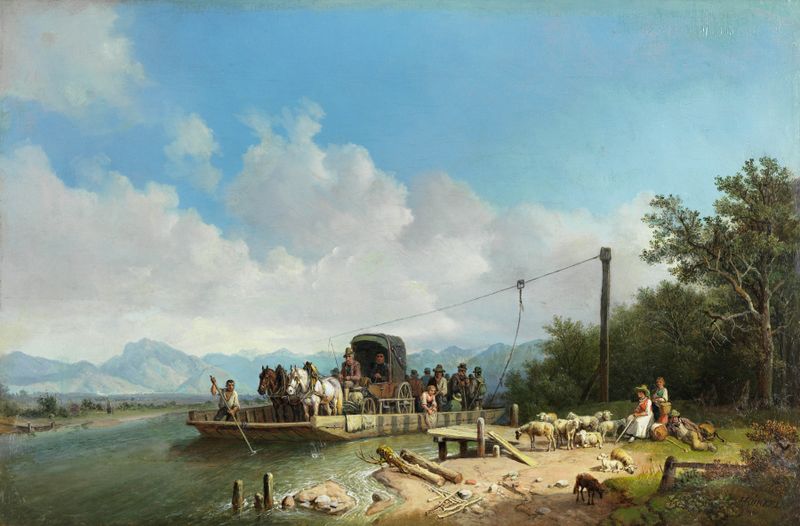
Fähre am Inn
Heinrich Bürkel

Am Dorfbrunnen in den italienischen Bergen
Heinrich Bürkel

Italienische Hirtenfamilie in der Felsenhöhle
Heinrich Bürkel
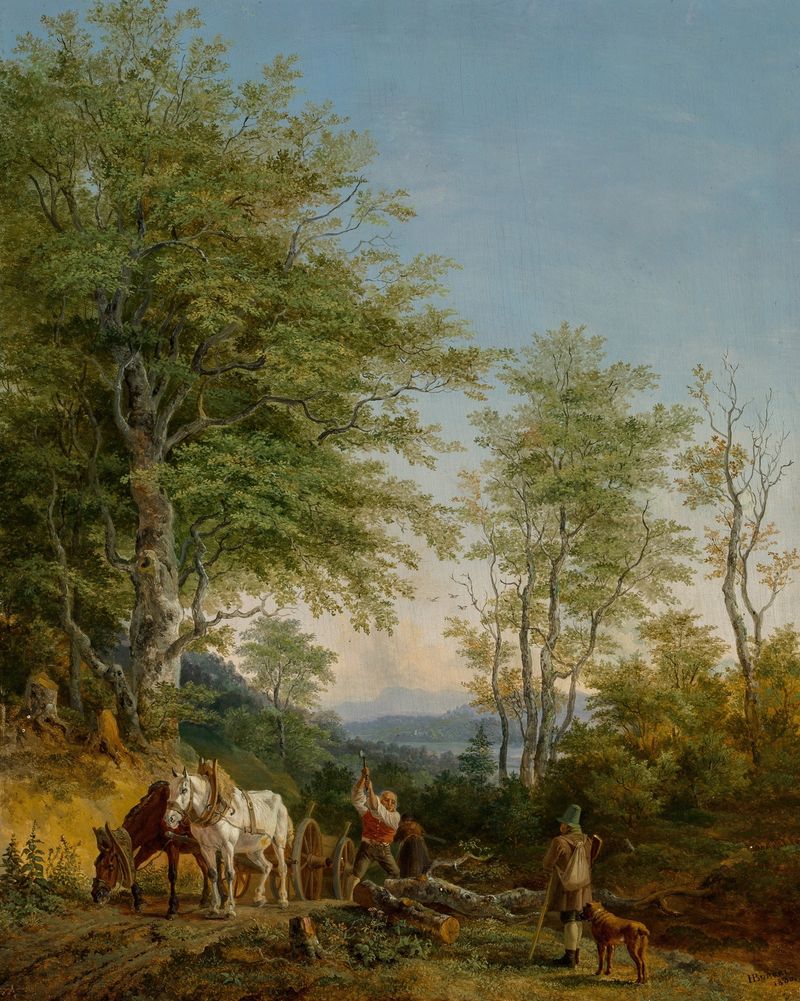
An Italianate wooded landscape with a woodcutter and his team of horses and a passerby with his dog
Heinrich Bürkel
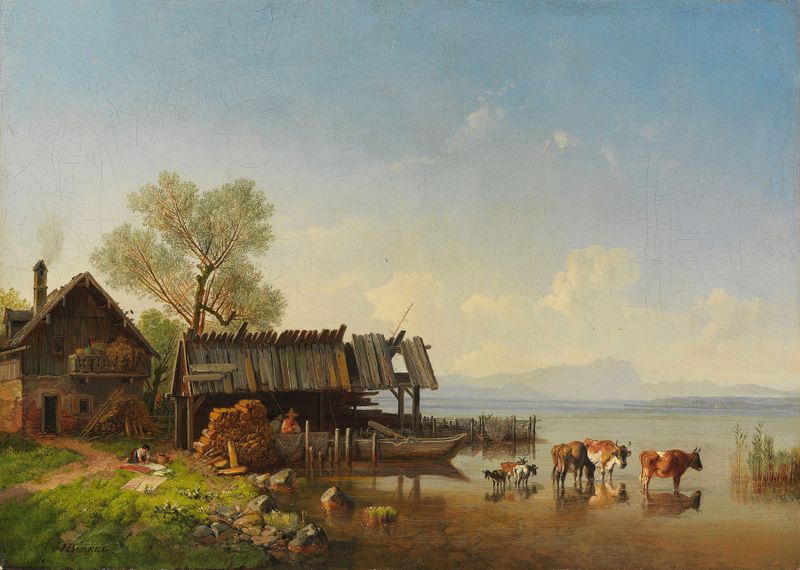
Der Starnberger See mit Blick auf das Wettersteingebirge
Heinrich Bürkel
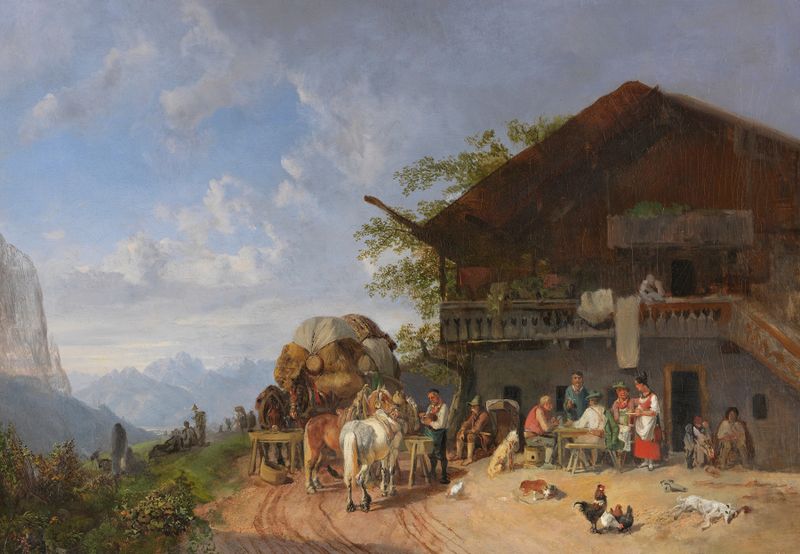
Rast vor einem Gasthof in den Bergen
Heinrich Bürkel

Blick auf den Monte Circeo
Heinrich Bürkel

Out To Pasture
Heinrich Bürkel





