
The Holy Family — History & Facts
What draws the eye first in this Holy Family is the startling intimacy of the faces—three figures pressed close, their features nearly touching, as if the world beyond their circle has fallen away. The artist, Albrecht Dürer, gives each figure a distinct emotional note: the bearded man’s searching, almost wary gaze; the young mother’s downcast, tender absorption; and the infant’s wide-eyed, ambiguous expression, halfway between curiosity and unease. The light falls softly, illuminating the delicate textures of skin and hair, and especially the transparent veil that drapes over the mother’s head, catching the light in a way that makes it seem almost tangible.
The background recedes into darkness, sharpening the focus on this small, private universe, where gesture and glance carry the weight of meaning. Painted in 1509, this work belongs to a world where the image of the Holy Family was both a devotional object and a declaration of faith, meant to comfort and inspire viewers in their homes or small chapels. In the early sixteenth century, artists like Dürer were exploring new ways to convey psychological depth and human presence, moving beyond the hieratic forms of earlier generations. Such paintings were often commissioned by prosperous townspeople or clergy, eager to possess a piece of sacred history rendered with the new realism of the Northern Renaissance.
Today, this Holy Family resides in the collection of Museum Boijmans Van Beuningen, its origins and journey largely unrecorded, but its quiet drama and technical finesse still asking us to linger, to look again into those searching eyes.
More Artworks by Albrecht Dürer

Melancholia
Albrecht Dürer

St. George and the dragon.
Albrecht Dürer
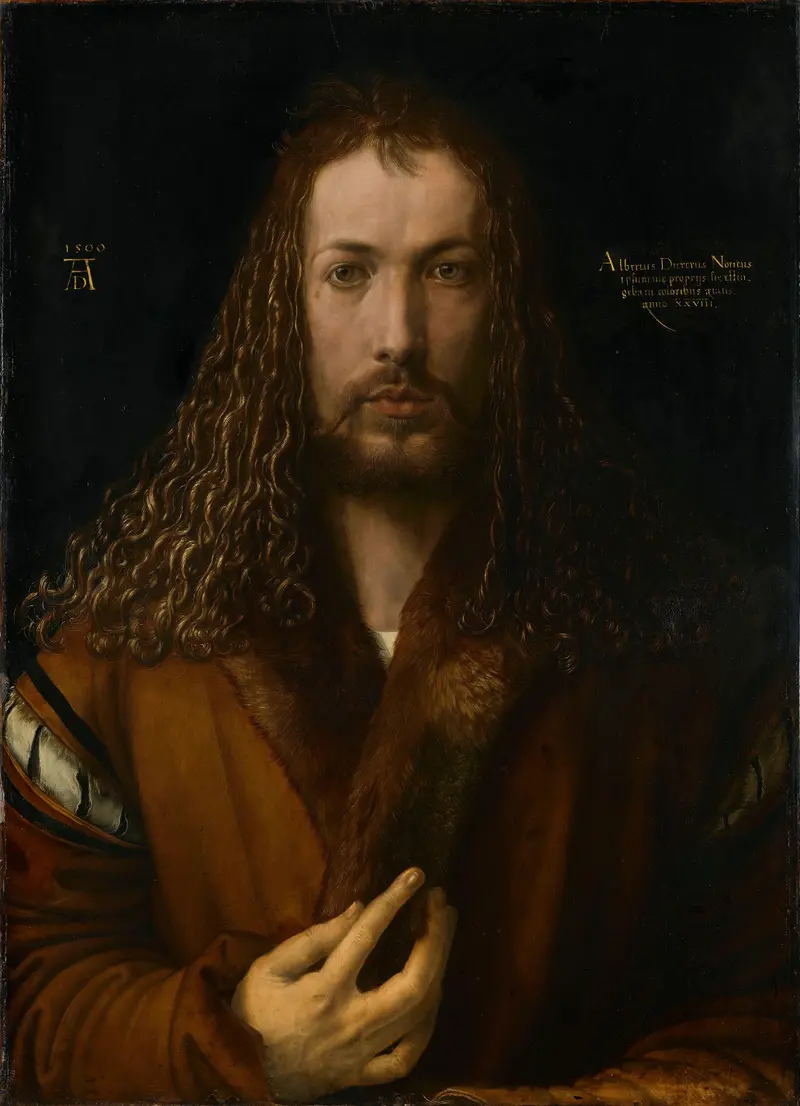
Self-Portrait with Fur-Trimmed Robe
Albrecht Dürer

Wing of a European Roller
Albrecht Dürer
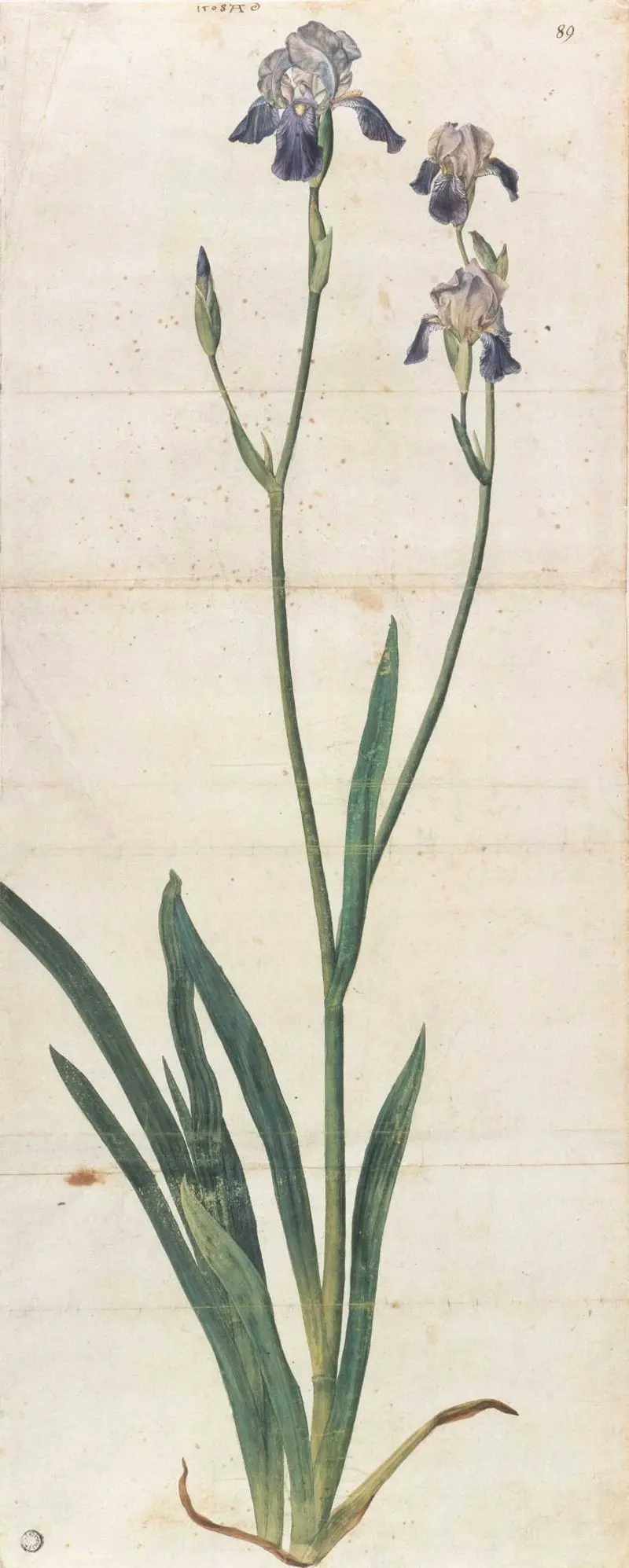
Iris
Albrecht Dürer

The Great Piece of Turf
Albrecht Dürer
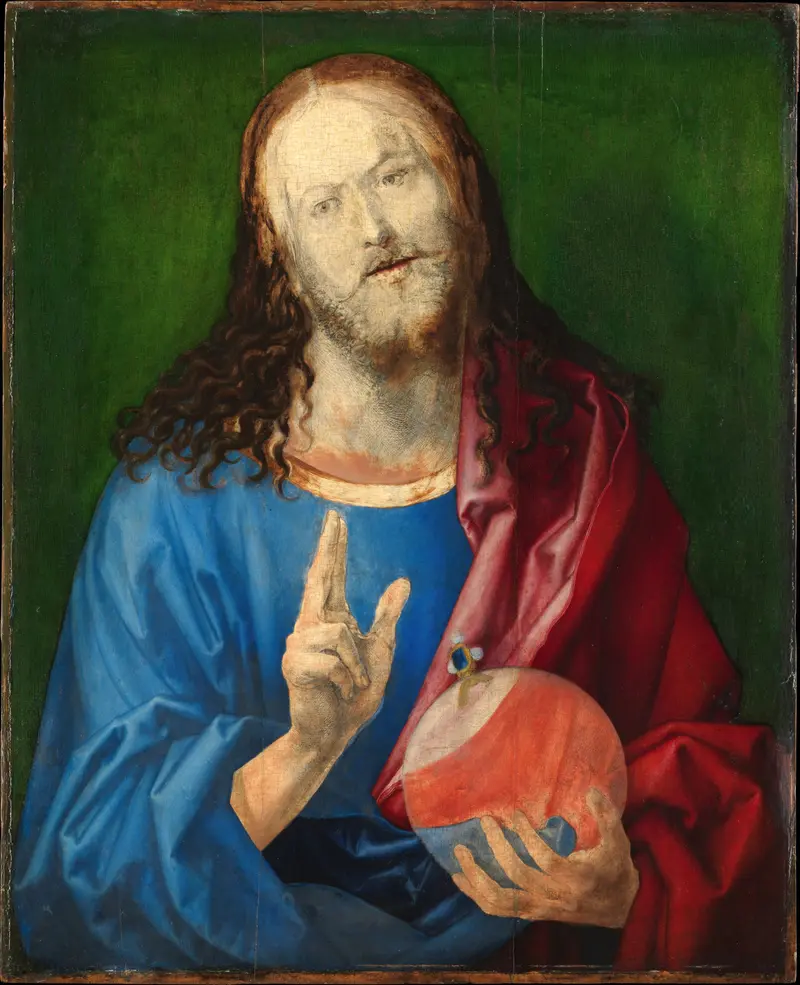
Salvator Mundi
Albrecht Dürer
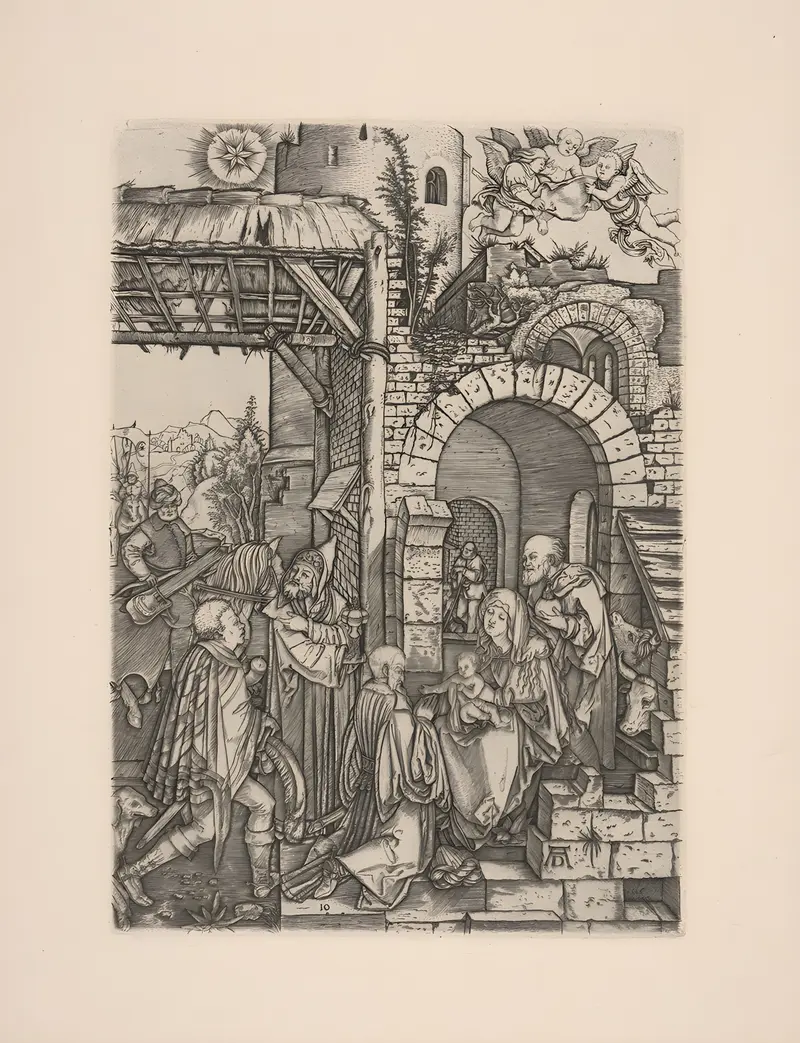
The Adoration of the Magi
Albrecht Dürer
Young Hare
Albrecht Dürer
Self-portrait
Albrecht Dürer





