
The image seen by Nebuchadnezzar — History & Facts
Who listens when art speaks of silence? In The image seen by Nebuchadnezzar, chaos and clarity intertwine, inviting us into a world where voices from the past emerge in the stillness of paint and canvas. Look to the left at the imposing figure of Nebuchadnezzar, his expression a tempest of fear and contemplation. The artist employs rich, dark hues to envelop the scene in an atmosphere of tension, while the sharp light illuminating the king's visage guides our gaze. Notice how the contrasting shadows deepen the chaos that swirls around him, echoing the turmoil within his mind as he grapples with the unsettling vision bestowed upon him. Here, the image serves as a metaphor for the struggle between power and vulnerability.
The intricately detailed crowns of the onlookers hint at their own anxieties, while the fragmented shapes in the background embody the chaos from which truth may emerge. Each brushstroke reinforces the notion that enlightenment often springs from the depths of disorder, urging the viewer to reconcile the duality that exists in both art and life. In 1655, Rembrandt van Rijn was navigating the complexities of fame and personal loss in Amsterdam, grappling with both the public's expectations and his own artistic ambitions. The period was marked by a shifting art landscape, where the master sought to capture the profound depths of human emotion, reflecting on the grandeur and fragility of existence—an endeavor vividly encapsulated in this powerful work.
More Artworks by Rembrandt van Rijn
Browse all →
The Night Watch Militia Company of District II under the Command of Captain Frans Banninck Cocq
Rembrandt van Rijn

The Return of the Prodigal Son
Rembrandt van Rijn

The Hundred Guilder Print: the figures leaning on the wall in the centre left
Rembrandt van Rijn

The Hundred Guilder Print: the central piece with Christ preaching, the plate arched
Rembrandt van Rijn

Isaac and Rebecca, Known as ‘The Jewish Bride’
Rembrandt van Rijn
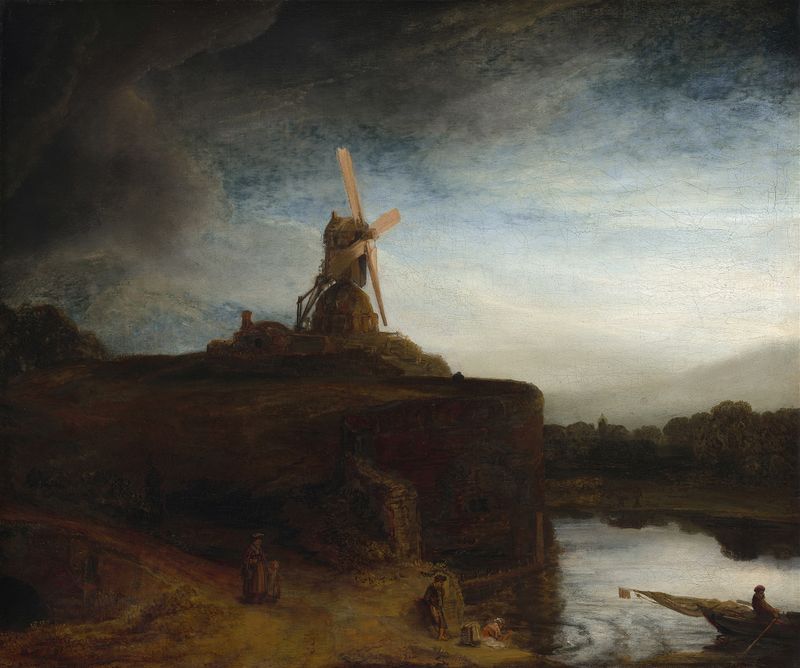
The Mill
Rembrandt van Rijn

The Sampling Officials of the Amsterdam Drapers’ Guild, Known as ‘The Syndics’
Rembrandt van Rijn

The return of the prodigal son
Rembrandt van Rijn
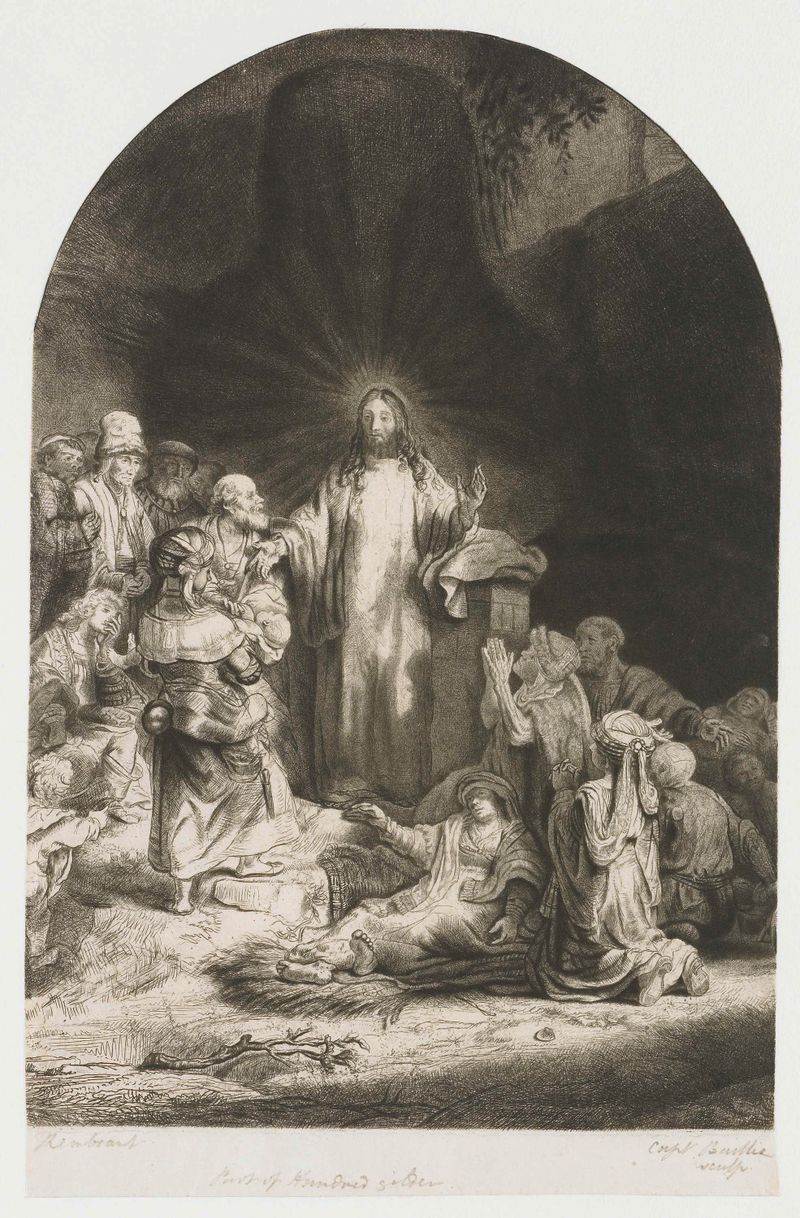
The Hundred Guilder Print: the central piece with Christ preaching, the plate arched
Rembrandt van Rijn

The Hundred Guilder Print: the man seen on the back in the lower left corner
Rembrandt van Rijn
More Historical Art
Browse all →The Night Watch Militia Company of District II under the Command of Captain Frans Banninck Cocq
Rembrandt van Rijn

Lincoln Memorial
Henry Bacon

The Third of May 1808
Francisco de Goya
Isaac and Rebecca, Known as ‘The Jewish Bride’
Rembrandt van Rijn

The Charge of the Mamelukes (1814)
Francisco de Goya

De vier ruiters van de apocalyps
Albrecht Dürer