
The imperial proclamation — History & Facts
A tide of uniforms, banners, and expectant faces fills the grand hall, all converging on a raised platform where a cluster of figures stands in rigid formation. The artist draws your eye to the dense thicket of standards behind these central figures, a forest of symbols that transforms the scene into something almost ceremonial, yet charged with tension. Light from the tall windows slices through the upper half of the composition, illuminating the crowd and lending the event a sense of gravity and spectacle.
The careful arrangement of bodies—some saluting, others craning forward—signals the importance of this moment, as if every gesture is choreographed for history’s gaze. The architecture itself, with its soaring arches and intricate moldings, frames the gathering as both witness and participant. This is a painting born of the late nineteenth century, when monumental history paintings served as both commemoration and declaration. Created in 1877, The imperial proclamation by Anton von Werner belongs to a tradition where artists were called upon to fix pivotal national events in the collective memory, often at the behest of rulers or the state.
These works were not mere illustrations but visual manifestos, designed to awe, instruct, and unify. While the original, a vast colored canvas, is now lost to time, this surviving image hints at the ambitions of its era—when the act of painting itself became a form of nation-building. Look again at the press of faces and flags: each one is a thread in the tapestry of a new order, captured at the very instant it is being woven.
More Artworks by Anton von Werner

In the Troops' Quarters before Paris
Anton von Werner
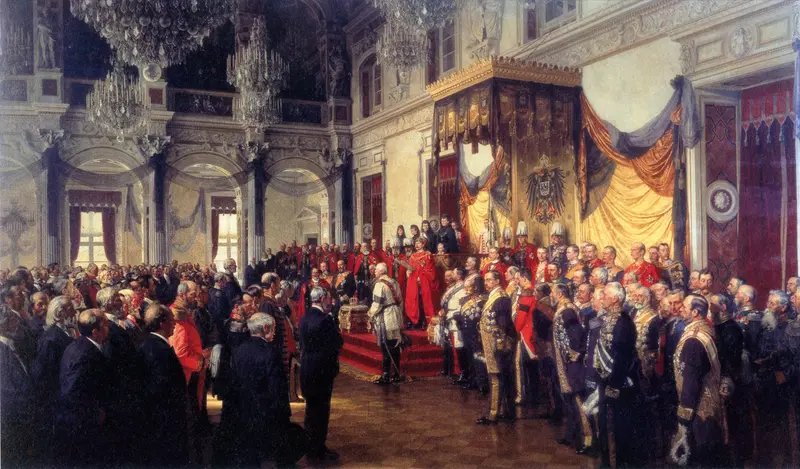
Opening of the Reichstag
Anton von Werner
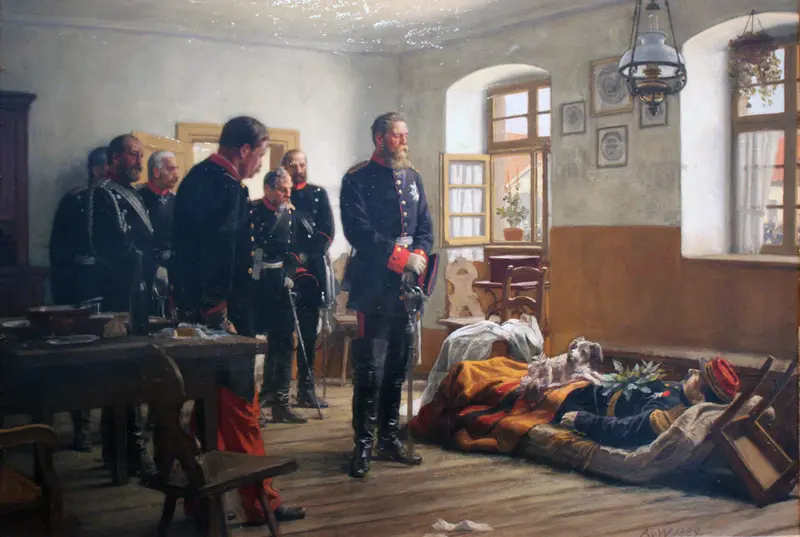
Crown Prince Friedrich Wilhelm on the body of General Abel Douay, Weissenburg on the 4th August
Anton von Werner
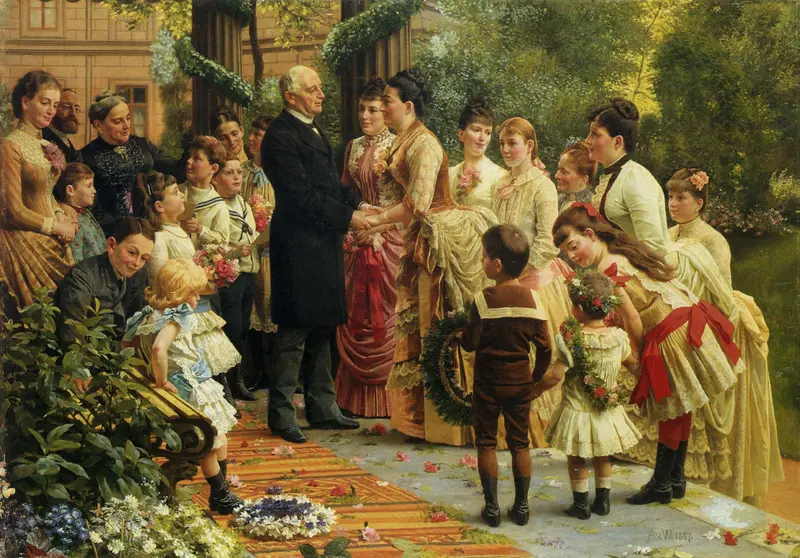
The 70th Birthday of Commercial Councilor Valentin Manheimer
Anton von Werner
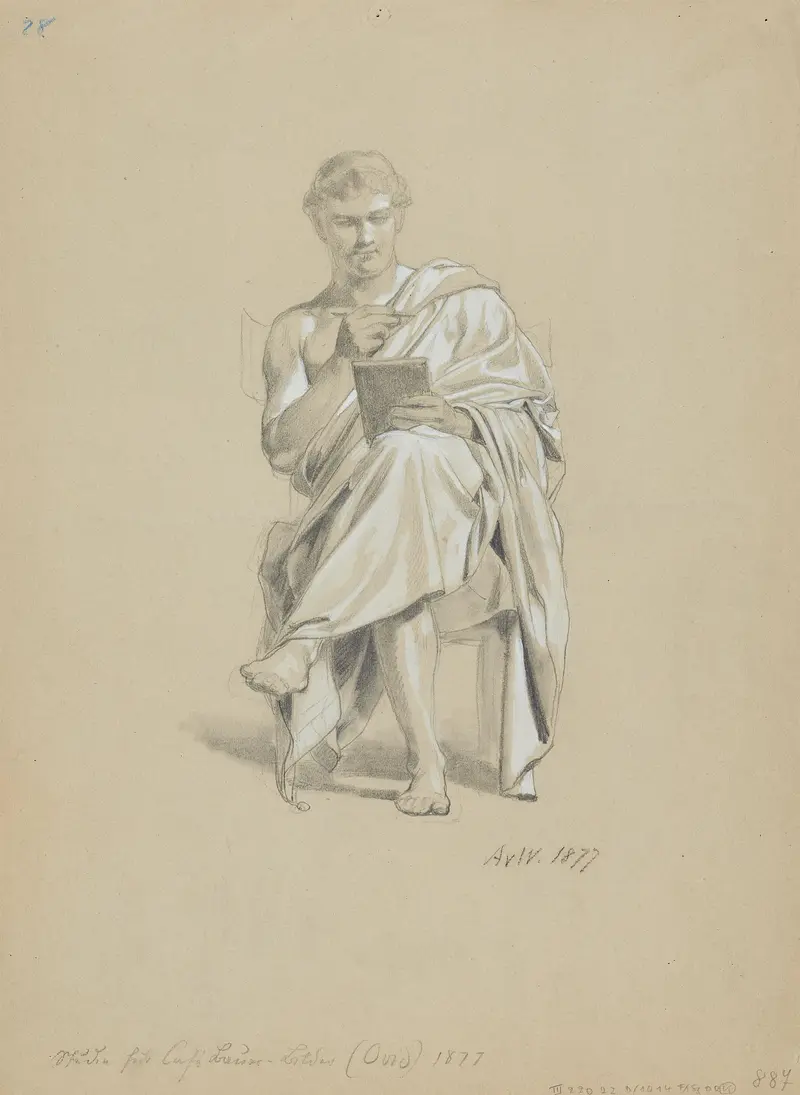
Ovid
Anton von Werner
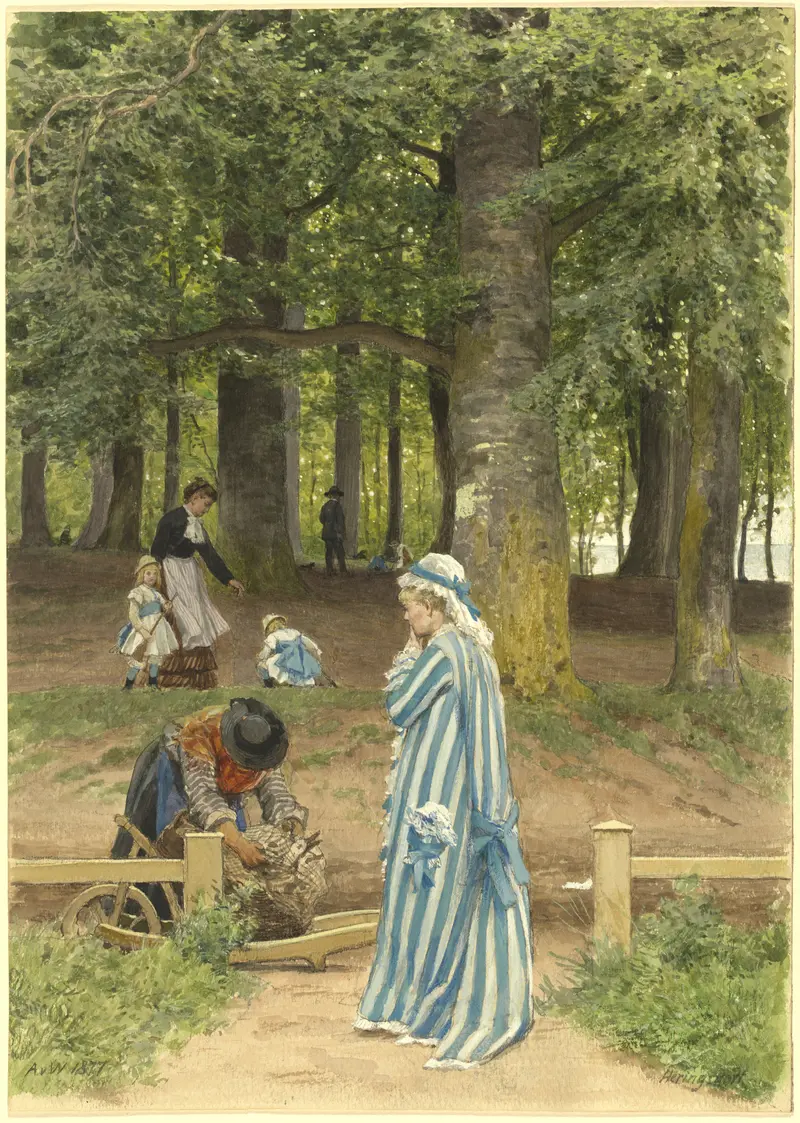
The Artist's Wife and Daughters in a Park at Heringsdorf
Anton von Werner
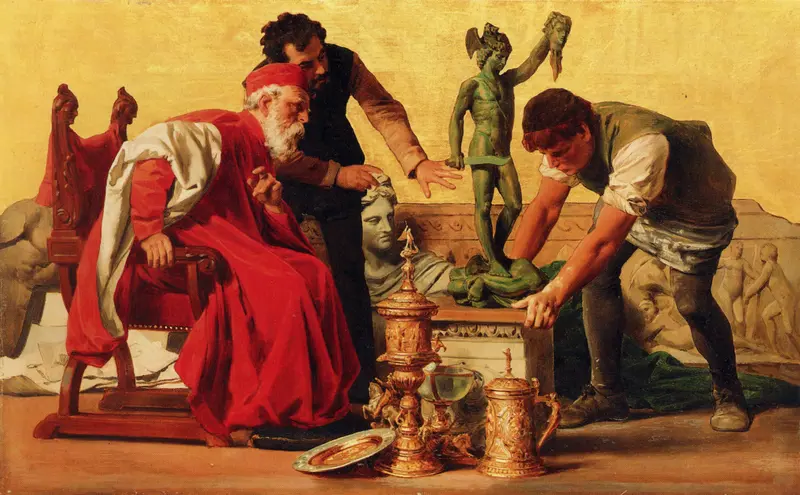
Anton von Werner Ars
Anton von Werner
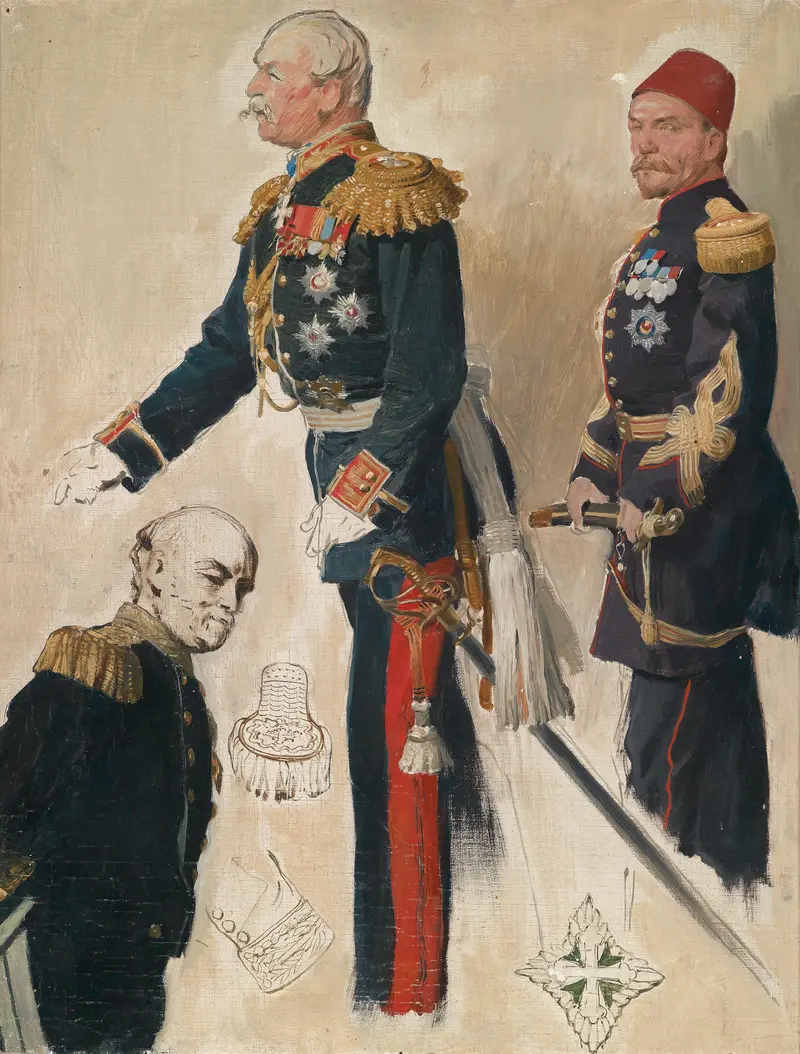
Berliner Kongress Ölskizze
Anton von Werner
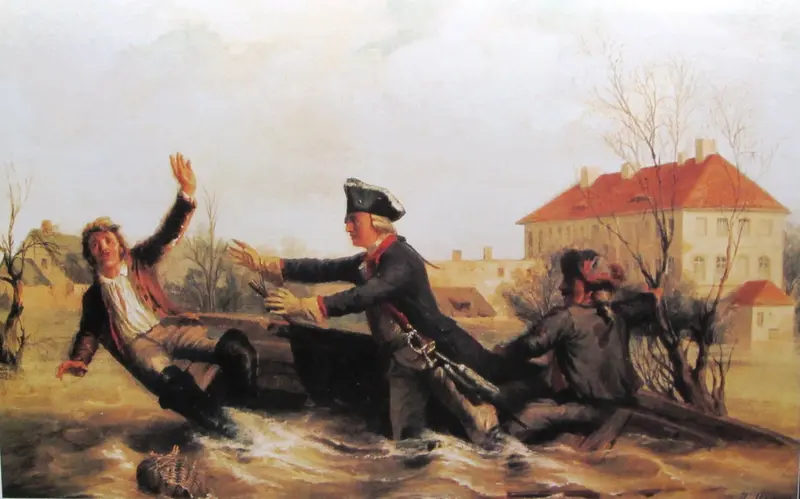
LeopoldWerner
Anton von Werner
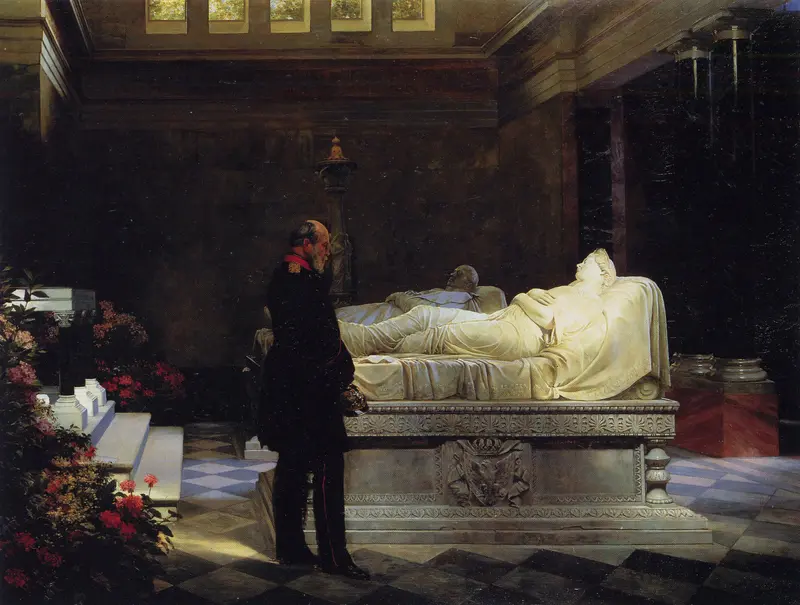
Anton von Werner: Am 19. Juli 1870 (König Wilhelm am Sakrophag seiner Mutter, der Königin Luise, im Mausoleum zu Charlottenburg)
Anton von Werner





