
The Island of Burano — History & Facts
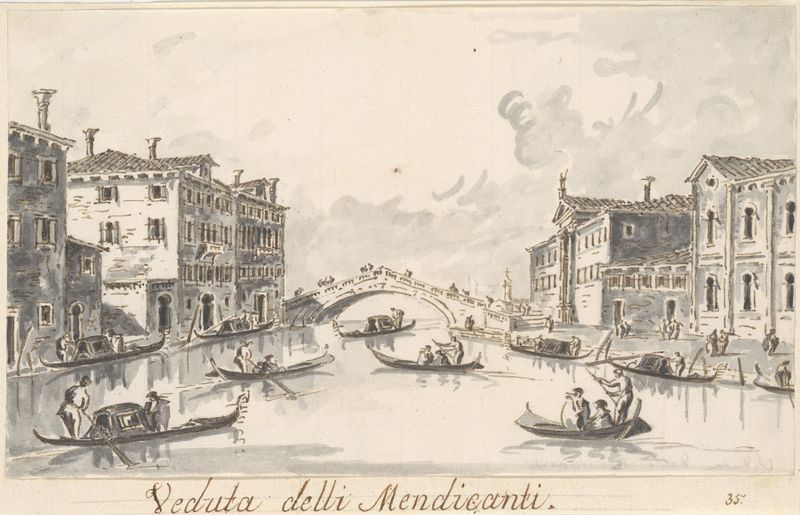
In The Island of Burano, the artist invites us to witness a moment suspended between the ephemeral and the eternal, where the vividness of color dances with the passage of time. Look to the left at the lively rows of houses, their vibrant façades standing proudly against the crystalline waters. The hues of orange, blue, and green beckon the eye, while delicate brushstrokes capture the shimmering reflections on the canal's surface. Notice how the painter uses light to create a sense of warmth, inviting the viewer to step into this idyllic scene as if it were a cherished memory. Beneath the vibrant exterior, the juxtaposition of light and shadow evokes feelings of nostalgia and longing.
Each house appears not only as an architectural form but as a testament to the lives lived within, capturing the essence of community. The rippling water suggests a gentle movement, hinting at the ever-changing nature of time, while the stillness of the moment encourages contemplation of what has come before and what is yet to be. During the years 1764 to 1835, Guardi painted this work amidst a thriving Venetian art scene, characterized by a shift toward capturing daily life and landscapes. As he explored the delicate interplay between light and color, Guardi was influenced by the Romantic ethos that embraced nature and emotional expression.
This period marked a crucial evolution in his artistic journey, solidifying his legacy as a master of capturing the poetic beauty of the Venetian world.
More Artworks by Giacomo Guardi
Browse all →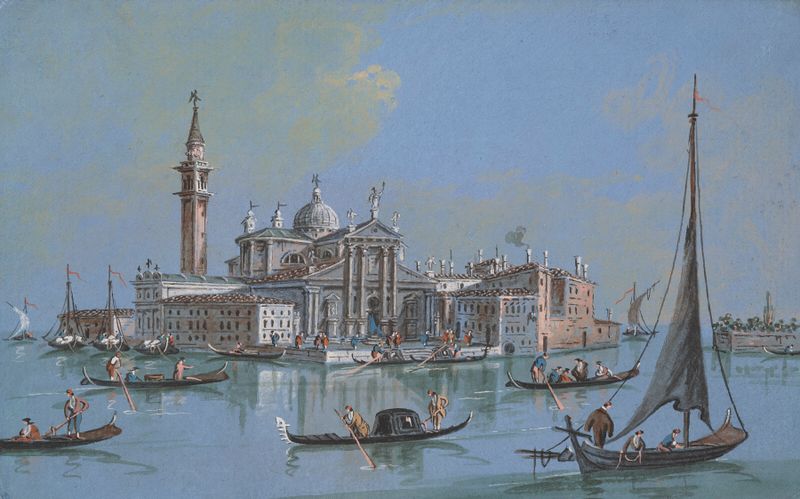
A view of San Giorgio Maggiore from the Bacino of San Marco, Venice
Giacomo Guardi
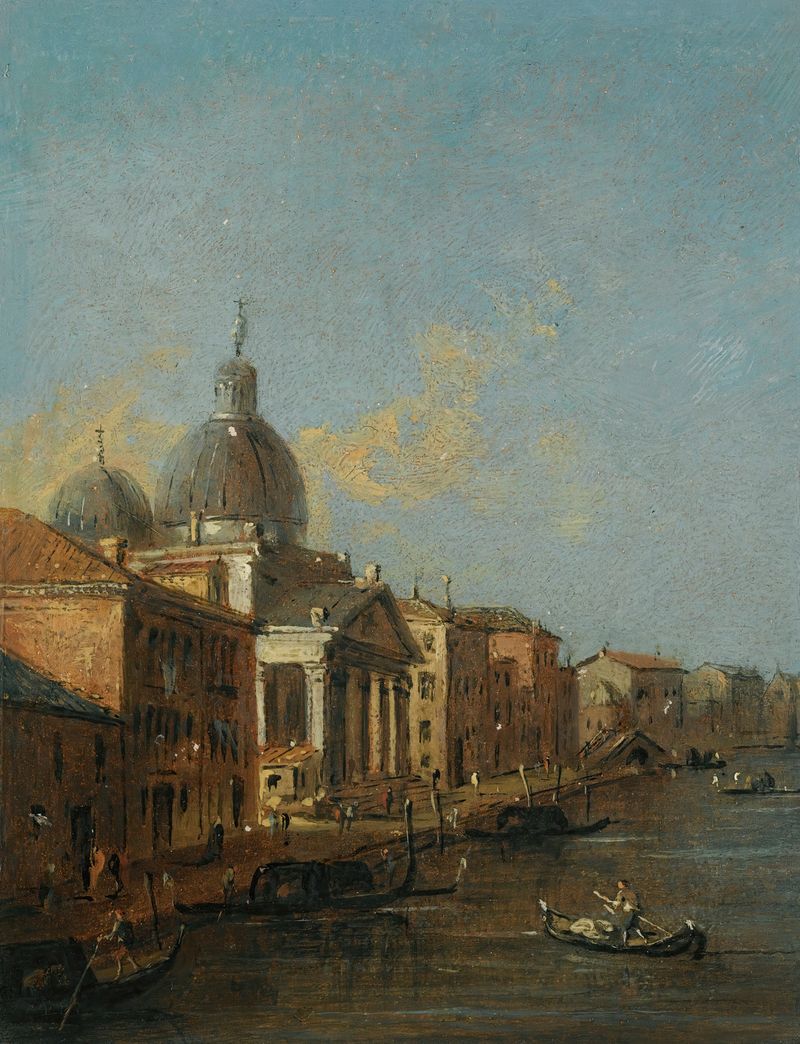
Venice, A View Of The Grand Canal With The Church Of San Simeone Piccolo
Giacomo Guardi
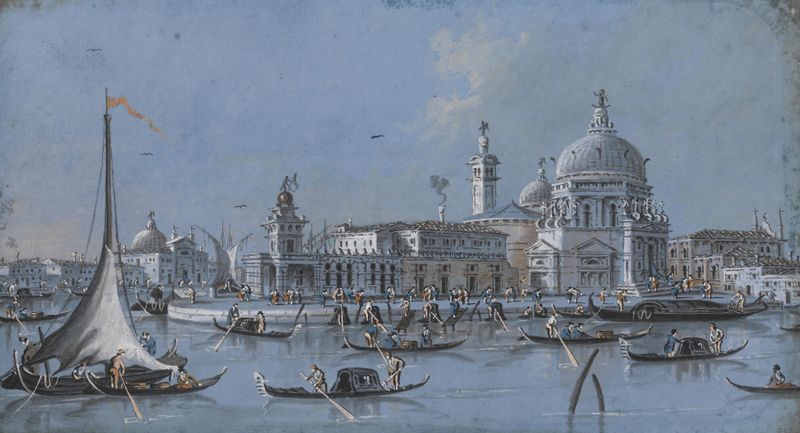
Santa Maria Della Salute, Venice And The Punta Della Dogana
Giacomo Guardi

Piazza San Marco, Looking toward the Basilica
Giacomo Guardi
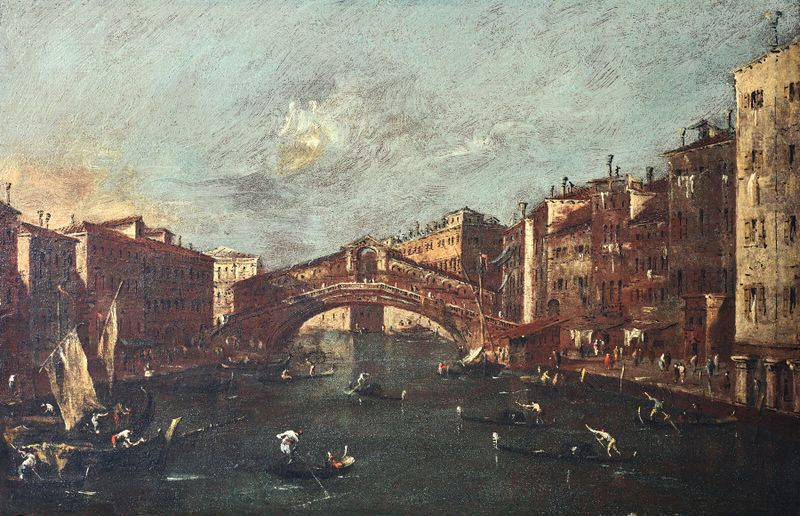
A view of the Rialto Bridge, Venice
Giacomo Guardi
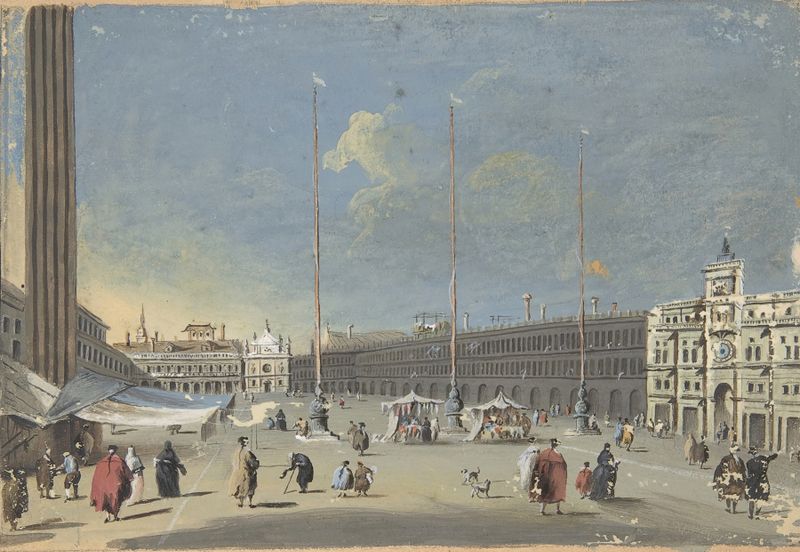
The Piazza San Marco towards San Giacomo
Giacomo Guardi
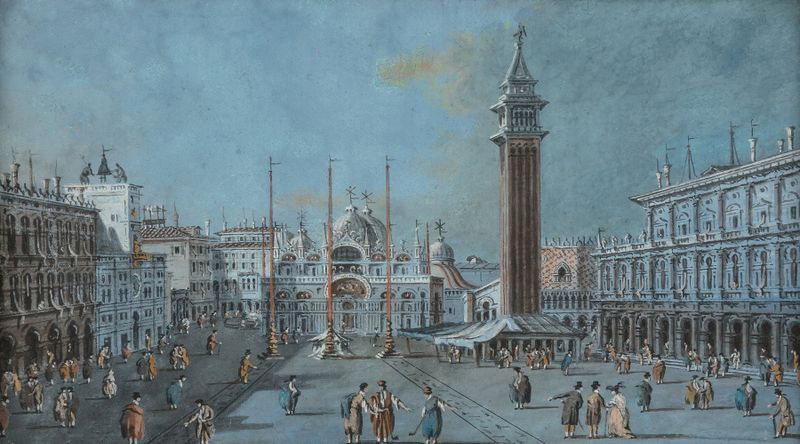
Veduta della Piazza di San Marco
Giacomo Guardi
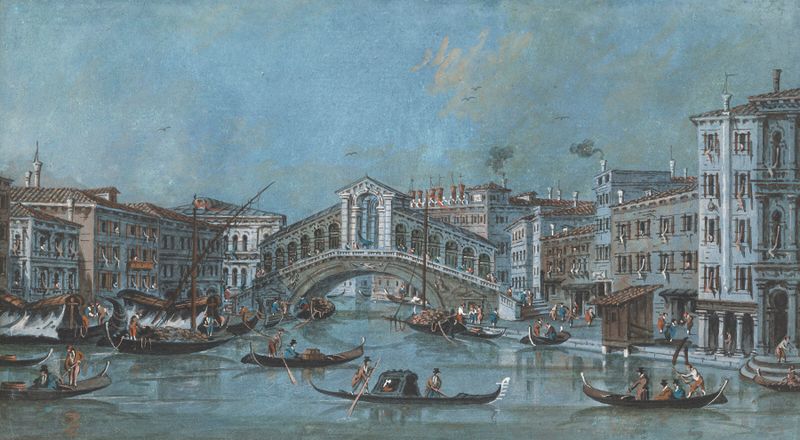
The Rialto Bridge, Venice
Giacomo Guardi
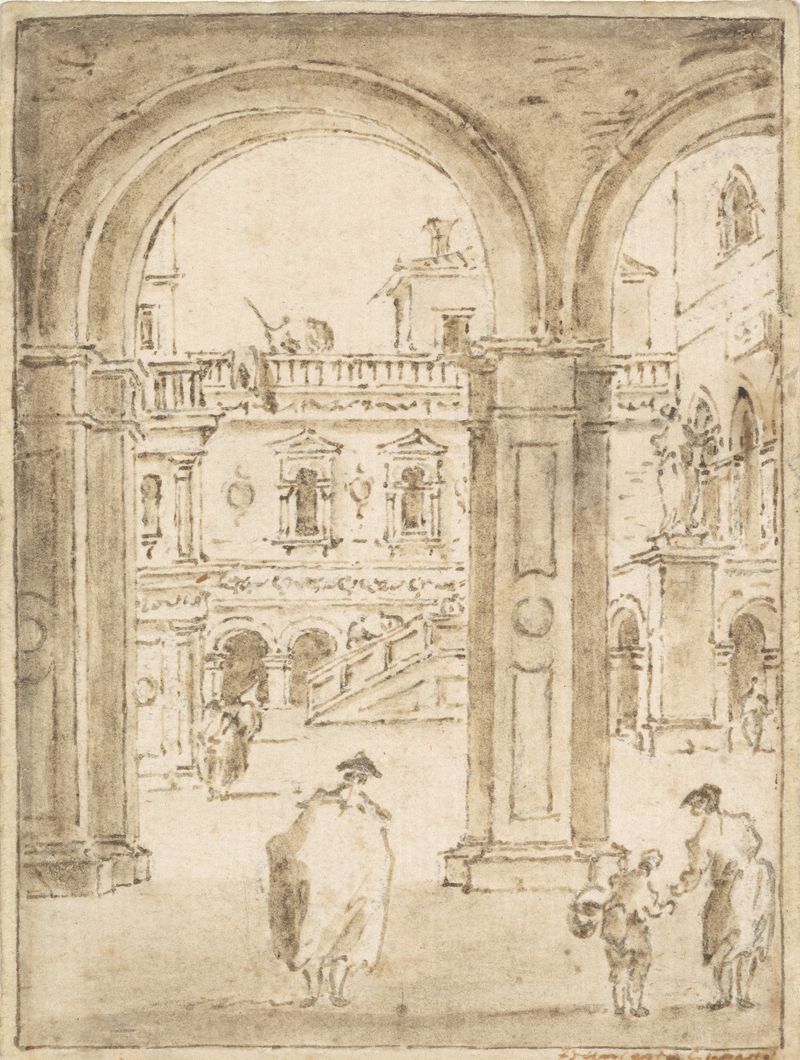
The Courtyard of the Doges’ Palace
Giacomo Guardi
The Rio dei Mendicanti
Giacomo Guardi





