
The Island of the Beata Vergine delle Grazie — History & Facts
Who listens when art speaks of silence? In the quiet embrace of The Island of the Beata Vergine delle Grazie, fragility and meditative stillness resonate. Look to the shimmering waters that cradle the island, capturing the soft hues of dawn as they caress the shore. Notice how the delicate brushstrokes create a sense of movement in the sky, blending pinks and blues that dance together in harmony. The composition draws your gaze to the modest sanctuary nestled among lush greenery, its serene façade reflecting both solitude and sanctity.
The subtle interplay of light highlights intricate details, from the gentle ripples in the water to the textured foliage that frames the sacred site. Beneath the surface, this artwork conveys a profound sense of longing and transient beauty. The island, with its isolated charm, symbolizes a spiritual retreat, inviting contemplation amidst the chaos of life. The contrasting elements of vibrant nature and the calmness of the church evoke a tension between the temporal and the eternal—where the fragility of existence meets the steadfastness of faith.
This delicate balance invites viewers to ponder their own paths and the fleeting nature of moments. During the years 1804 to 1828, Giacomo Guardi created this piece amidst a changing Venice, where Romanticism began to replace the neoclassical ideals that had dominated before. Living in a city marked by its decline, he sought to capture the ethereal beauty of his surroundings, often focusing on themes of nature and spirituality. This painting reflects both a personal connection to his environment and a broader commentary on the intersection of art and experience in a time of transition.
More Artworks by Giacomo Guardi
Browse all →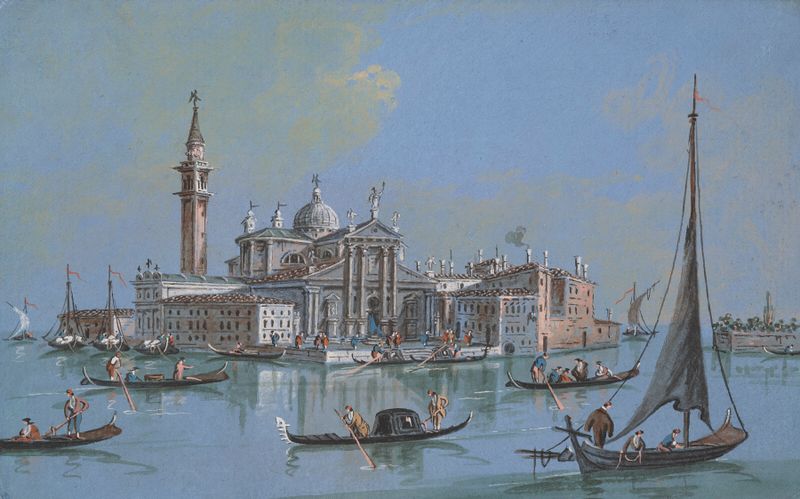
A view of San Giorgio Maggiore from the Bacino of San Marco, Venice
Giacomo Guardi
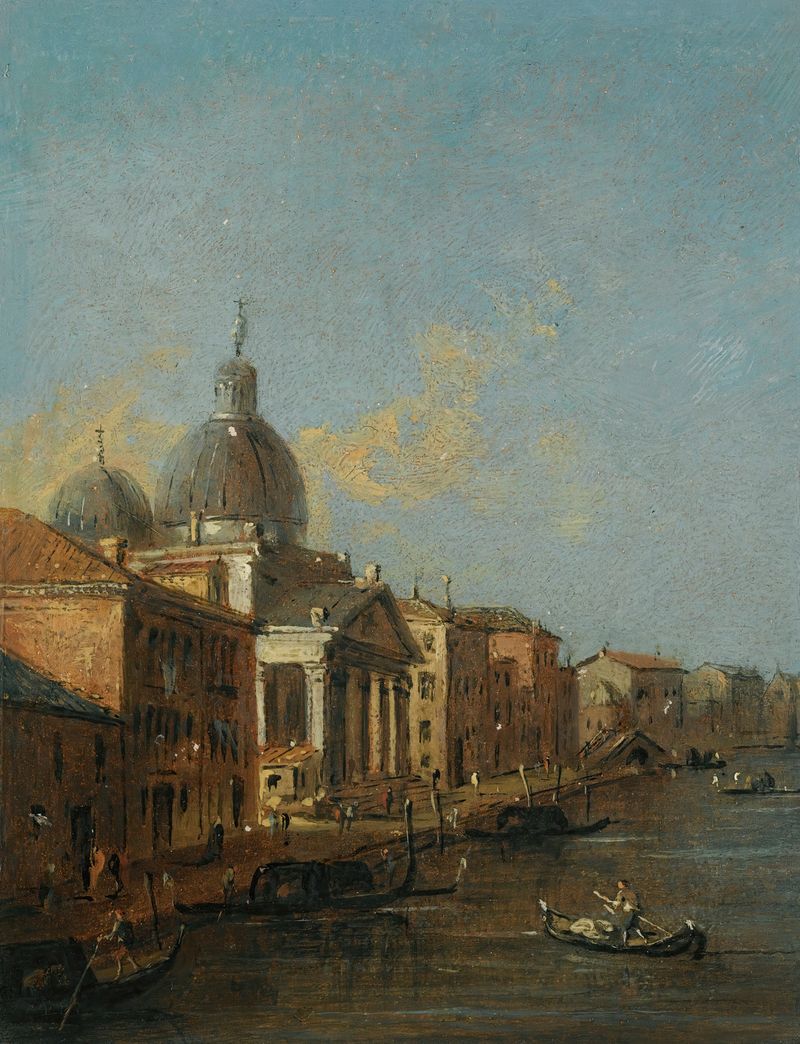
Venice, A View Of The Grand Canal With The Church Of San Simeone Piccolo
Giacomo Guardi
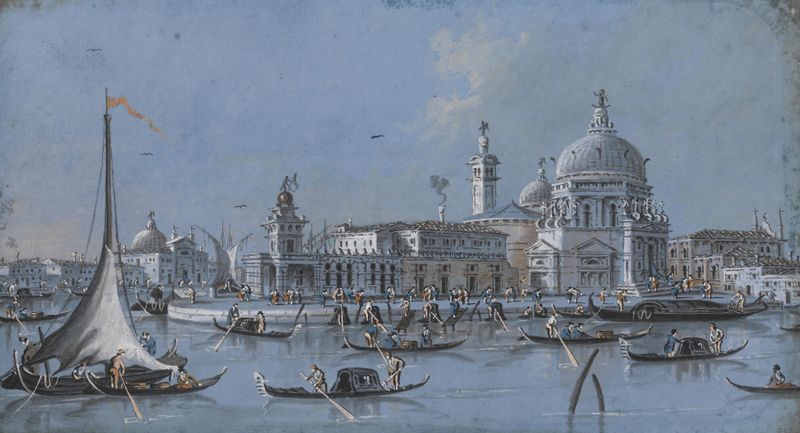
Santa Maria Della Salute, Venice And The Punta Della Dogana
Giacomo Guardi

Piazza San Marco, Looking toward the Basilica
Giacomo Guardi
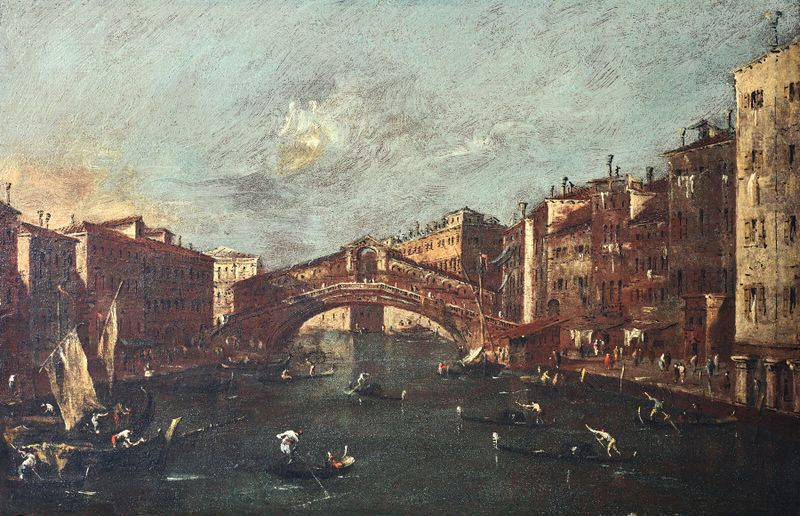
A view of the Rialto Bridge, Venice
Giacomo Guardi
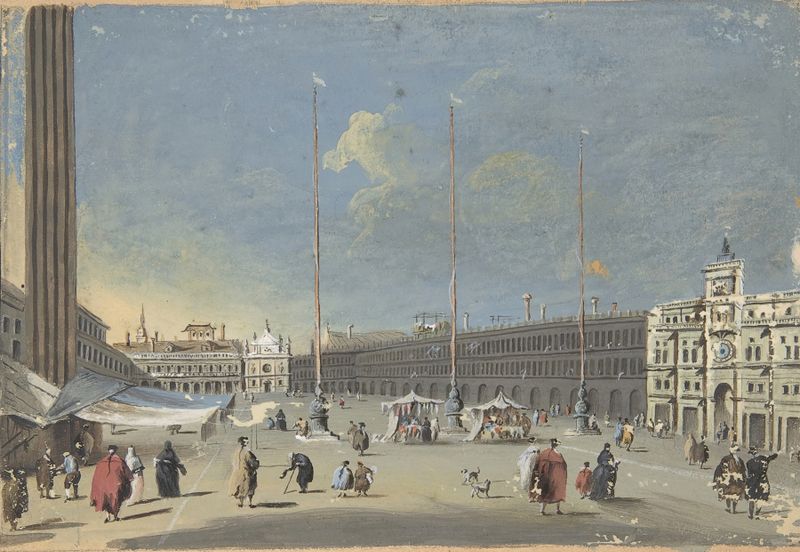
The Piazza San Marco towards San Giacomo
Giacomo Guardi
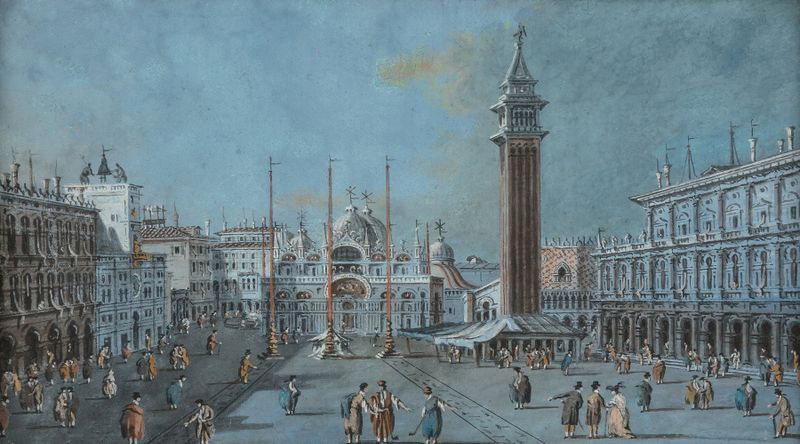
Veduta della Piazza di San Marco
Giacomo Guardi
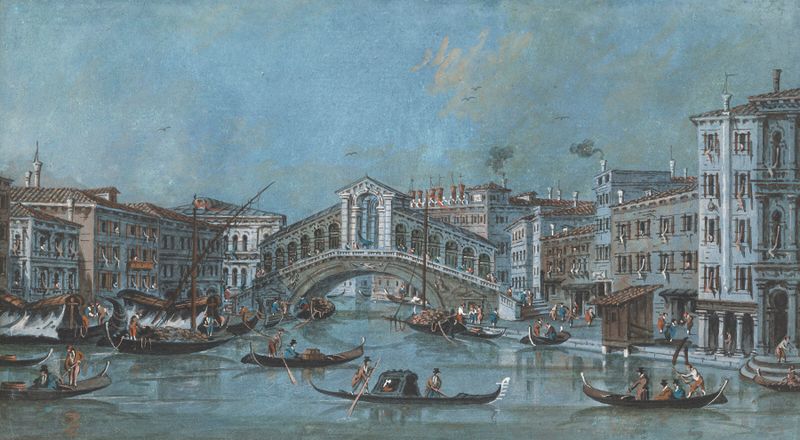
The Rialto Bridge, Venice
Giacomo Guardi
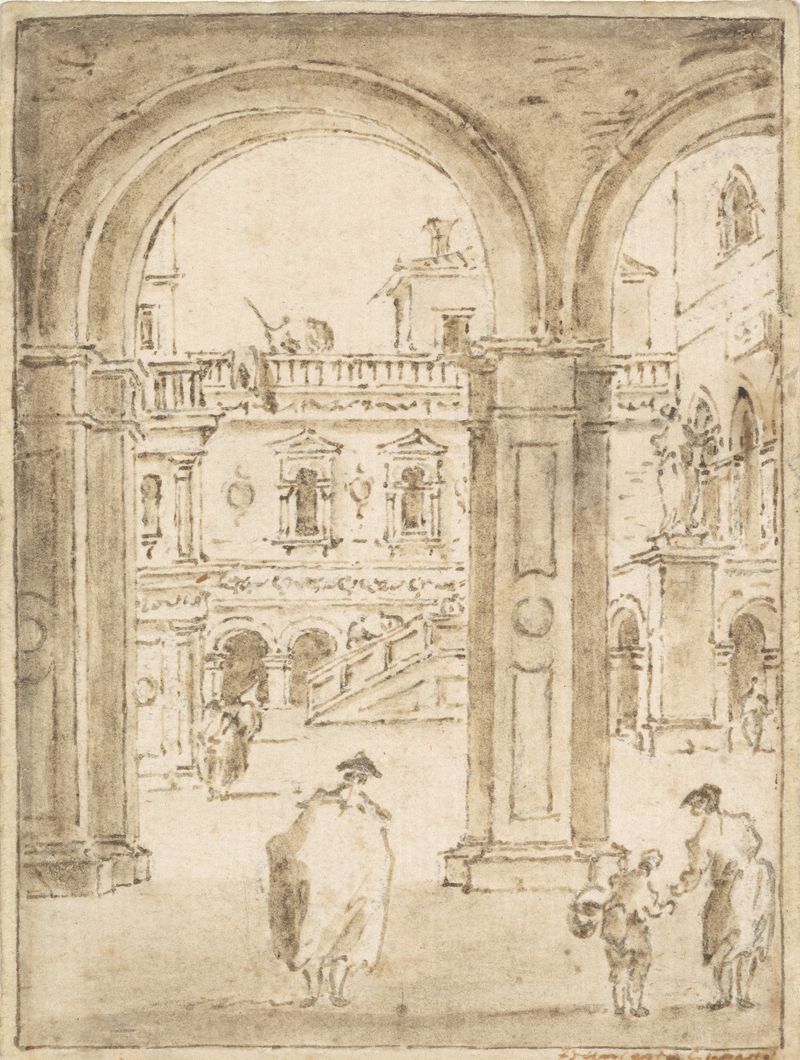
The Courtyard of the Doges’ Palace
Giacomo Guardi
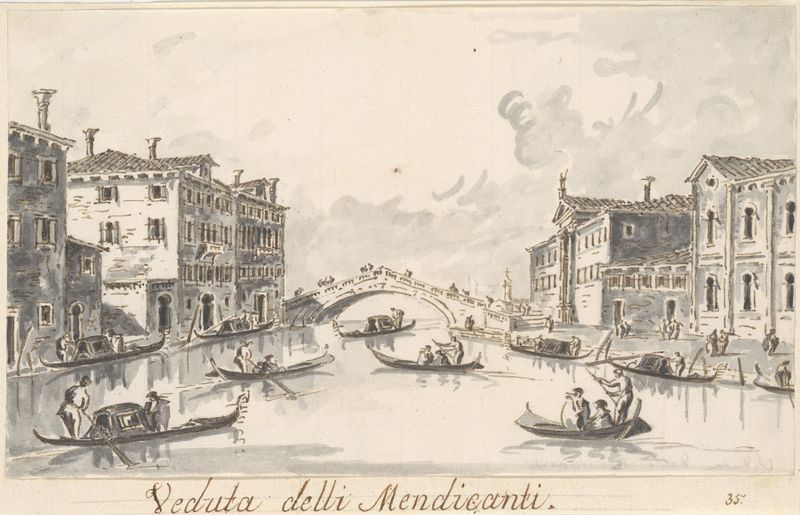
The Rio dei Mendicanti
Giacomo Guardi





