
The Kromboomssloot in Amsterdam (II) — History & Facts
What secret hides in the quiet of the canvas? Beneath the still surface of the water and the muted tones of the buildings, a deep sense of melancholy lingers, inviting contemplation and reflection. Look to the left at the slender, greyed structures lining the canal, their weathered facades blending seamlessly with the tranquil waters. The artist employs a soft palette of blues and browns, allowing the light to dance gently across the surface, creating a sense of harmony between the buildings and the water. Notice how the tall, dark trees loom overhead, their branches reaching out like silent guardians, casting elongated shadows that heighten the somber mood of the scene. Delving deeper, consider the contrasting elements at play: the stillness of the water juxtaposed with the crumbling architecture, hinting at the passage of time and perhaps a forgotten history.
The absence of people speaks volumes, suggesting isolation and the weight of memory that clings to the surroundings. Each detail—the ripples in the water, the fading reflections—evokes a wistful yearning, urging the viewer to search for stories hidden beneath the surface. In 1901, Baertsoen was immersed in the artistic milieu of Amsterdam, exploring the realities of urban life through a lens of naturalism. The city, known for its canals, was a source of inspiration, yet beneath its serene exterior lay the complexities of modern existence.
This painting emerged during a time when artists began to grapple with the emotional narratives of everyday scenes, marking a shift in the perception of urban landscapes.
More Artworks by Albert Baertsoen
Browse all →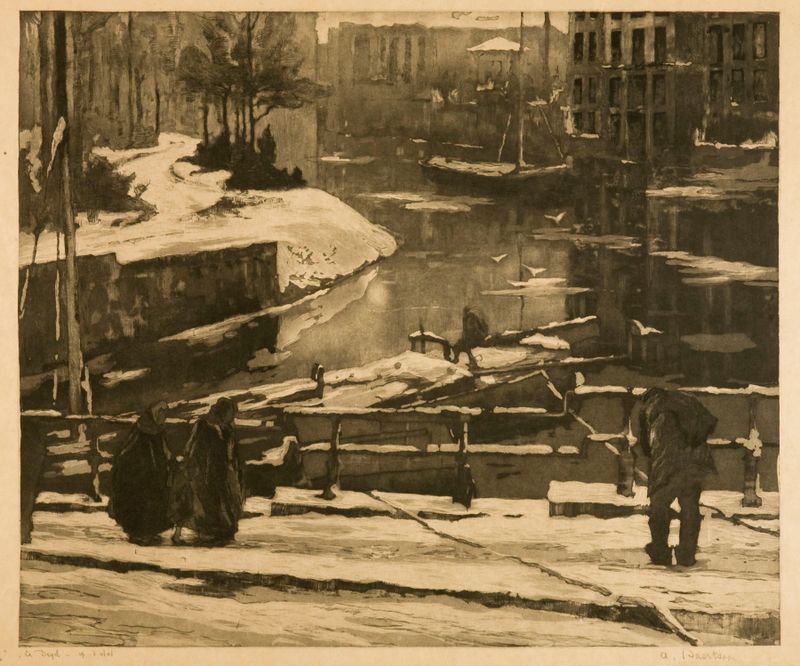
Thaw in Ghent
Albert Baertsoen
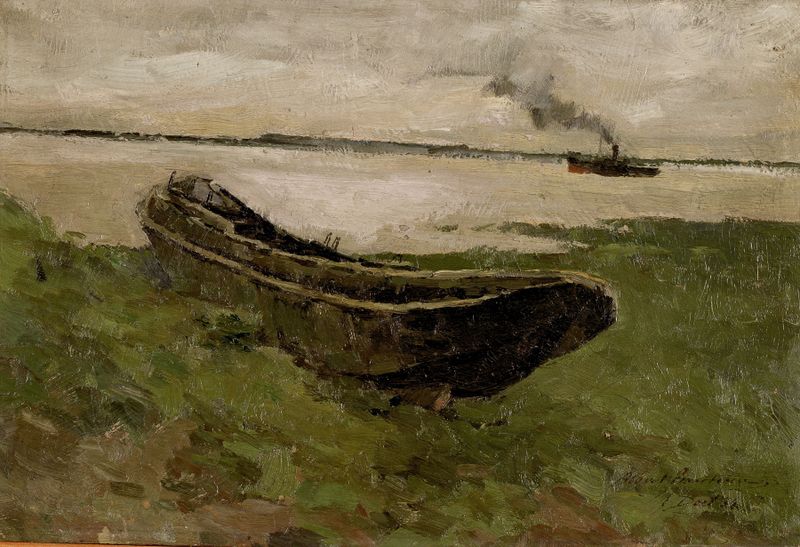
The River Scheldt at Doel
Albert Baertsoen
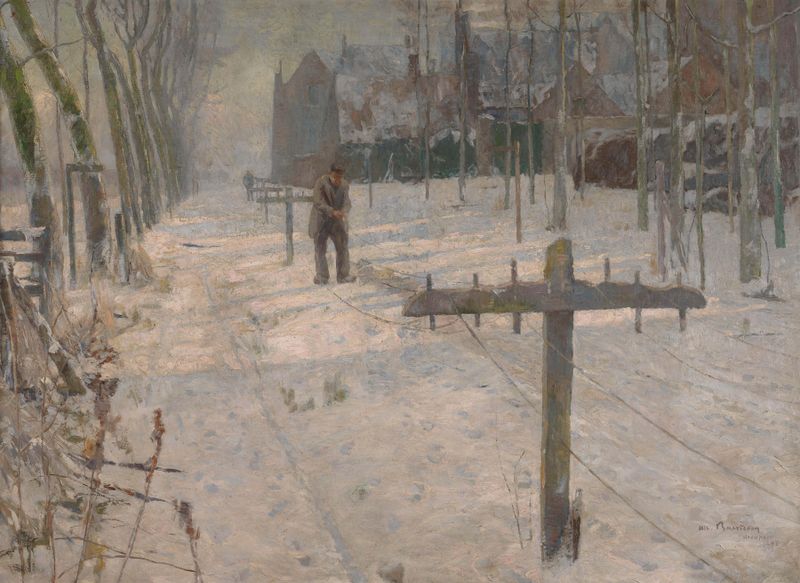
Rope-makers on The Ramparts
Albert Baertsoen
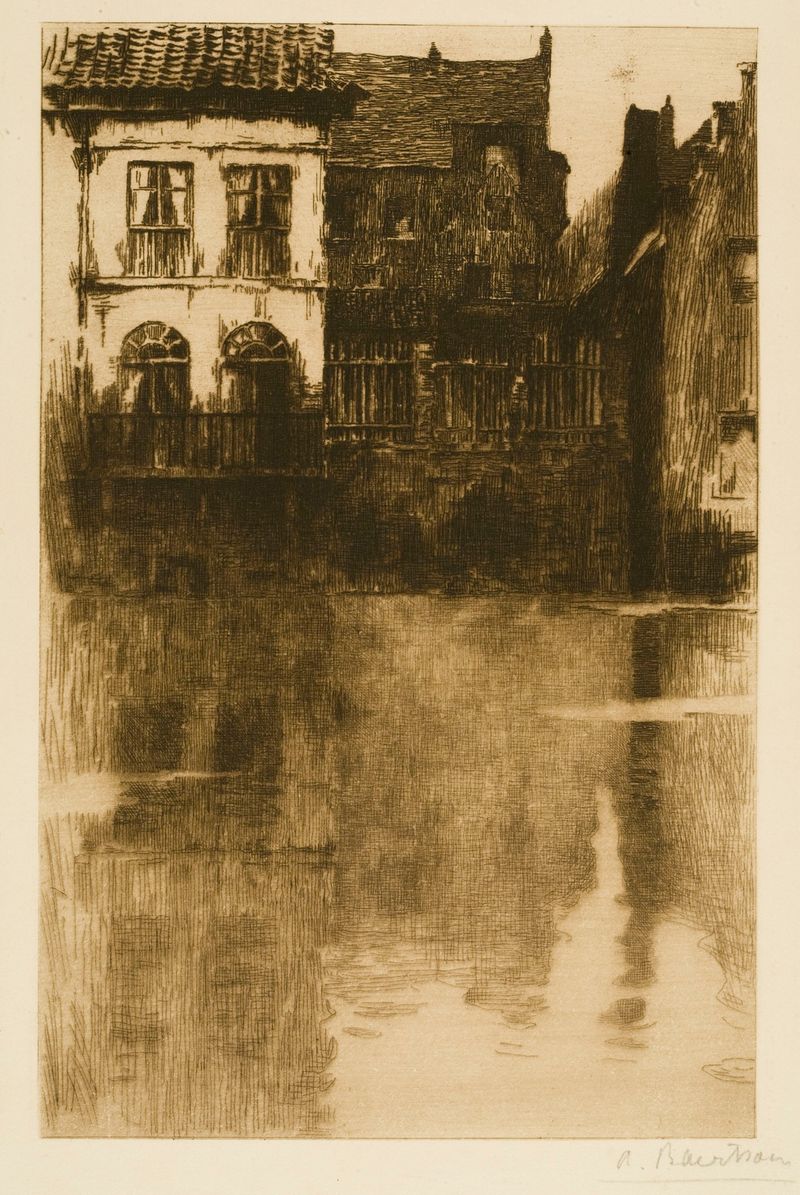
Old Houses on the Waterfront
Albert Baertsoen
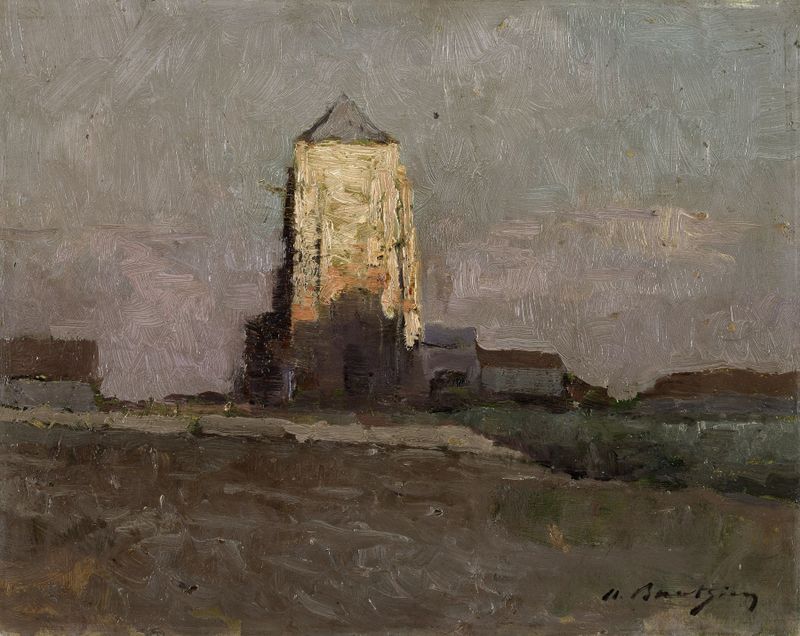
The Church of Mariakerke (Ostend)
Albert Baertsoen
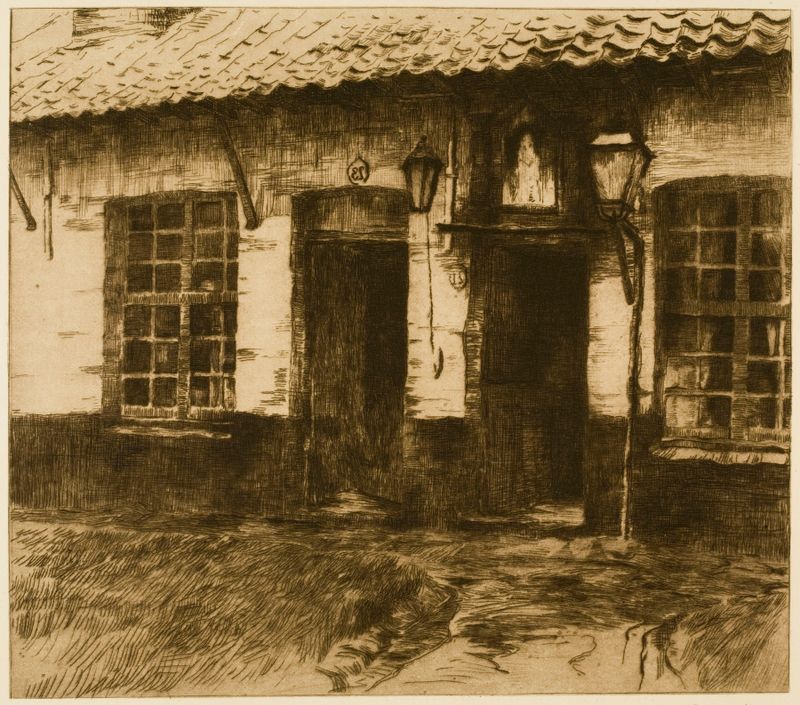
Houses of the Poor (Courtrai)
Albert Baertsoen
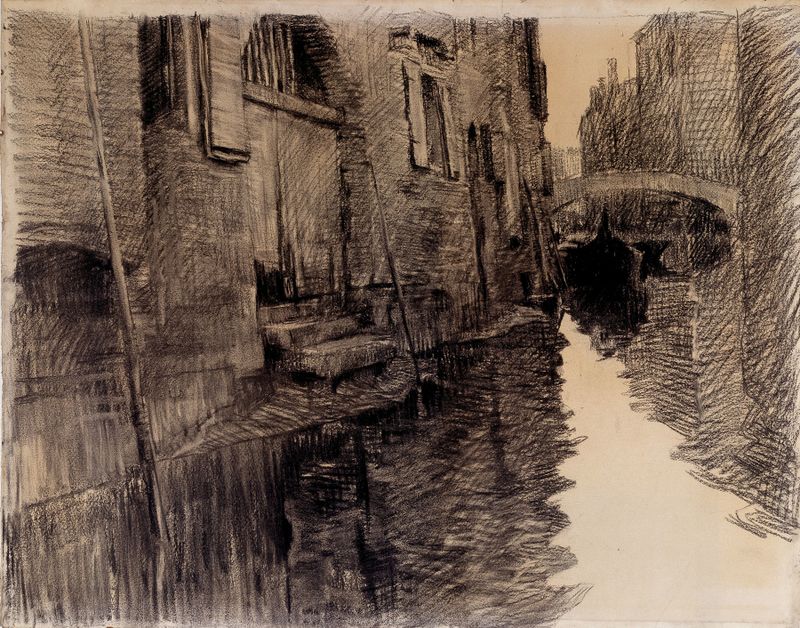
The San Francesco Bridge in Venice
Albert Baertsoen
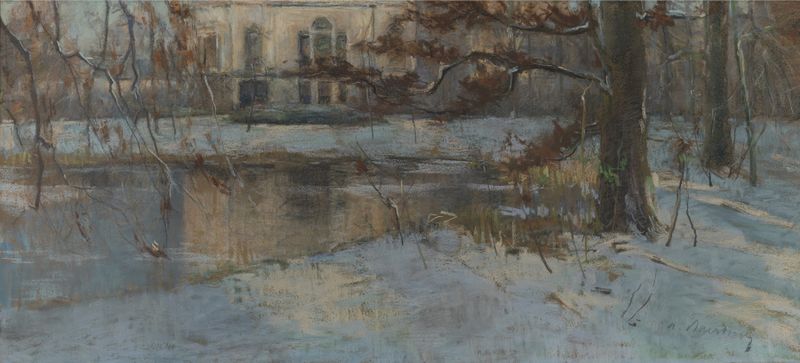
Landhuis en park onder de sneeuw
Albert Baertsoen
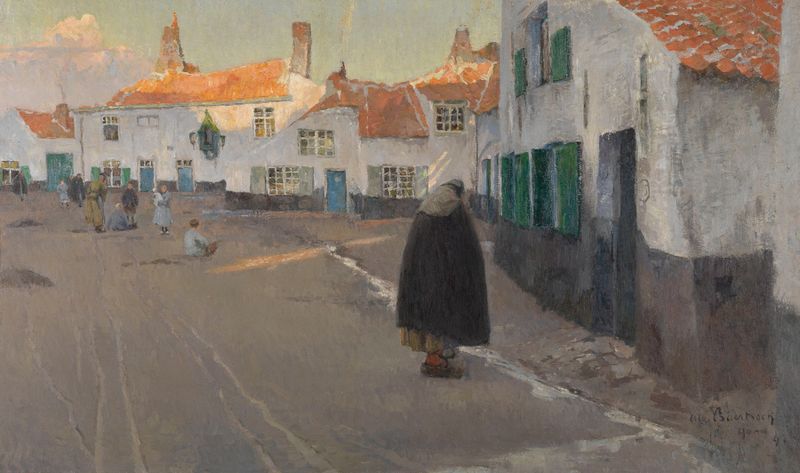
Square in Flanders
Albert Baertsoen
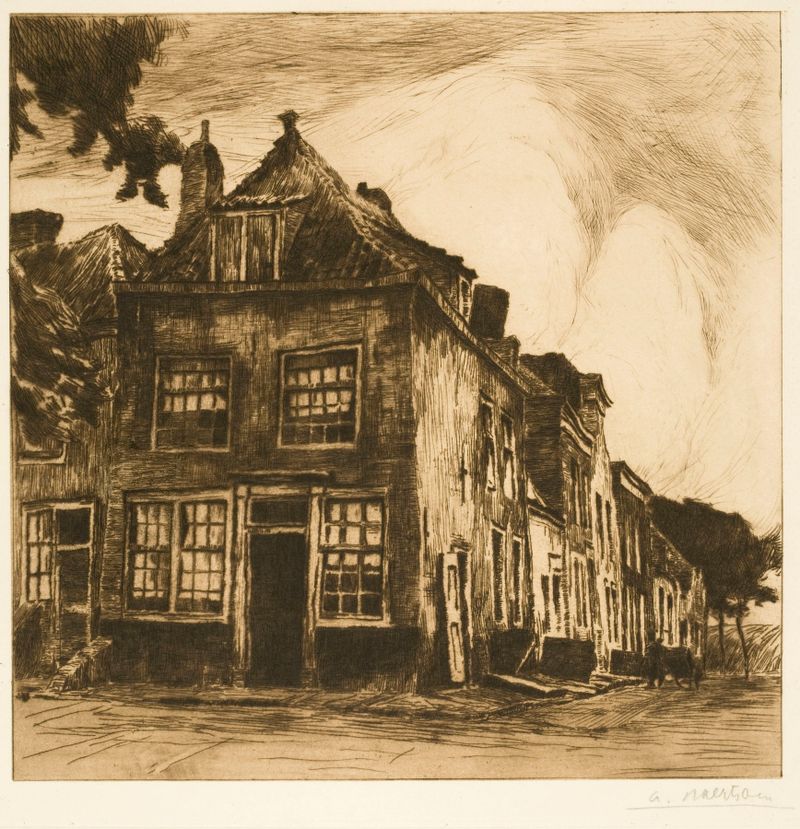
Zeeland Houses (Old Houses in Middelburg)
Albert Baertsoen





