
The Lazy Housemaids — History & Facts
In The Lazy Housemaids, Walter Crane presents a scene filled with soft colors and gentle light. The figures of the housemaids are depicted in a relaxed posture, suggesting a moment of leisure. The setting appears to be a domestic interior, with elements that evoke a sense of warmth and comfort.
The use of pastel tones enhances the tranquil atmosphere of the painting. The painting is executed in oil on canvas, a medium that allows for rich textures and vibrant colors. Crane's brushwork is delicate, capturing the details of the housemaids' clothing and the surrounding environment. The composition is balanced, drawing the viewer's eye to the central figures while allowing the background to complement the scene.
This attention to detail is a hallmark of Crane's style. Walter Crane was a prominent figure in the Victorian art scene, known for his illustrations and paintings that often depicted domestic life. The Lazy Housemaids reflects his interest in the everyday experiences of women during this era. Interestingly, Crane was also involved in the Arts and Crafts movement, which emphasized craftsmanship and the beauty of everyday objects.
This painting serves as a charming reminder of the simplicity and warmth of domestic life in the Victorian period.
More Artworks by Walter Crane

Oranges and Lemons
Walter Crane
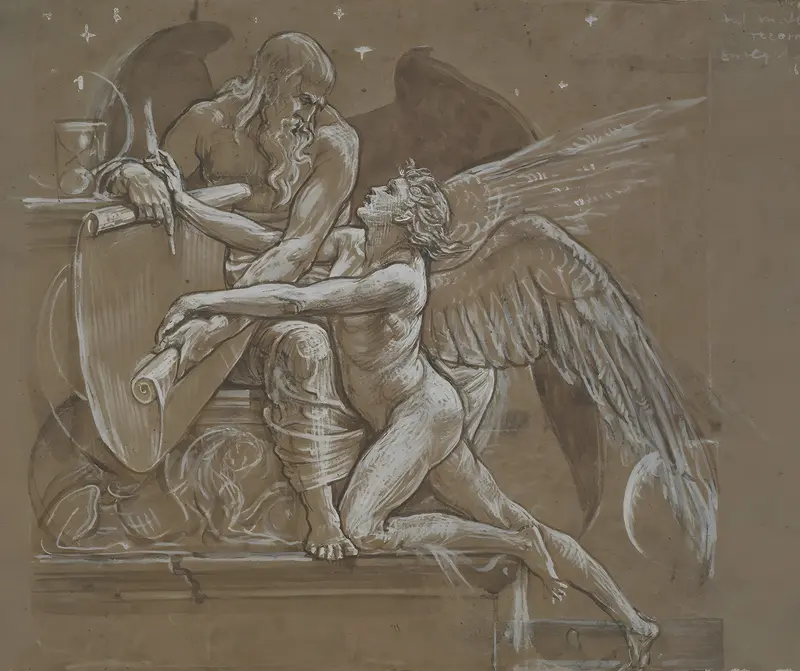
The Roll of Fate, England
Walter Crane
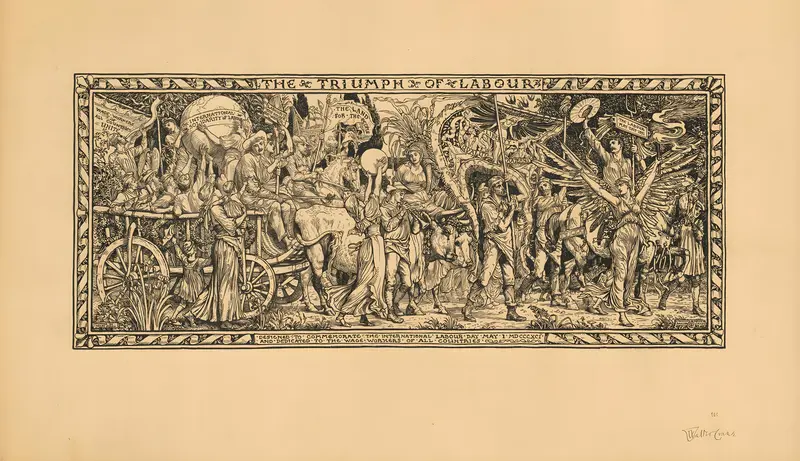
The Triumph of Labour. Designed to commemorate The International Labour Day
Walter Crane
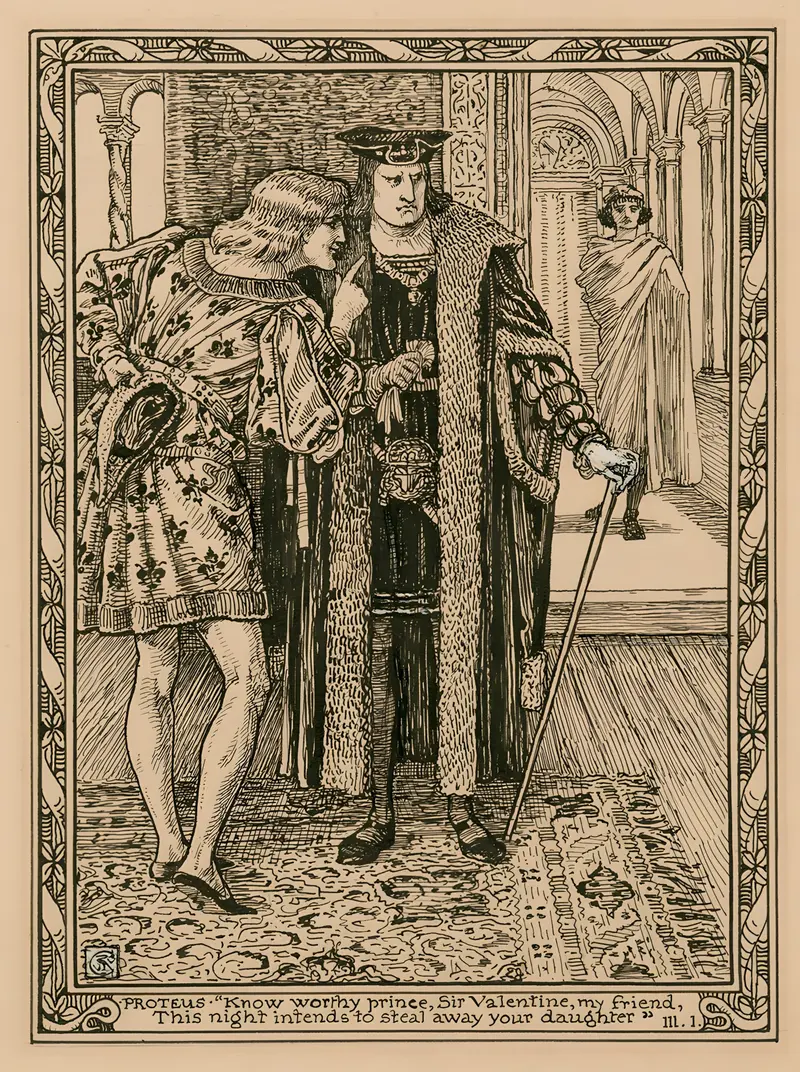
Proteus; ‘Know worthy prince, Sir Valentine, my friend, this night intends to steal away your daughter’, III, 1
Walter Crane
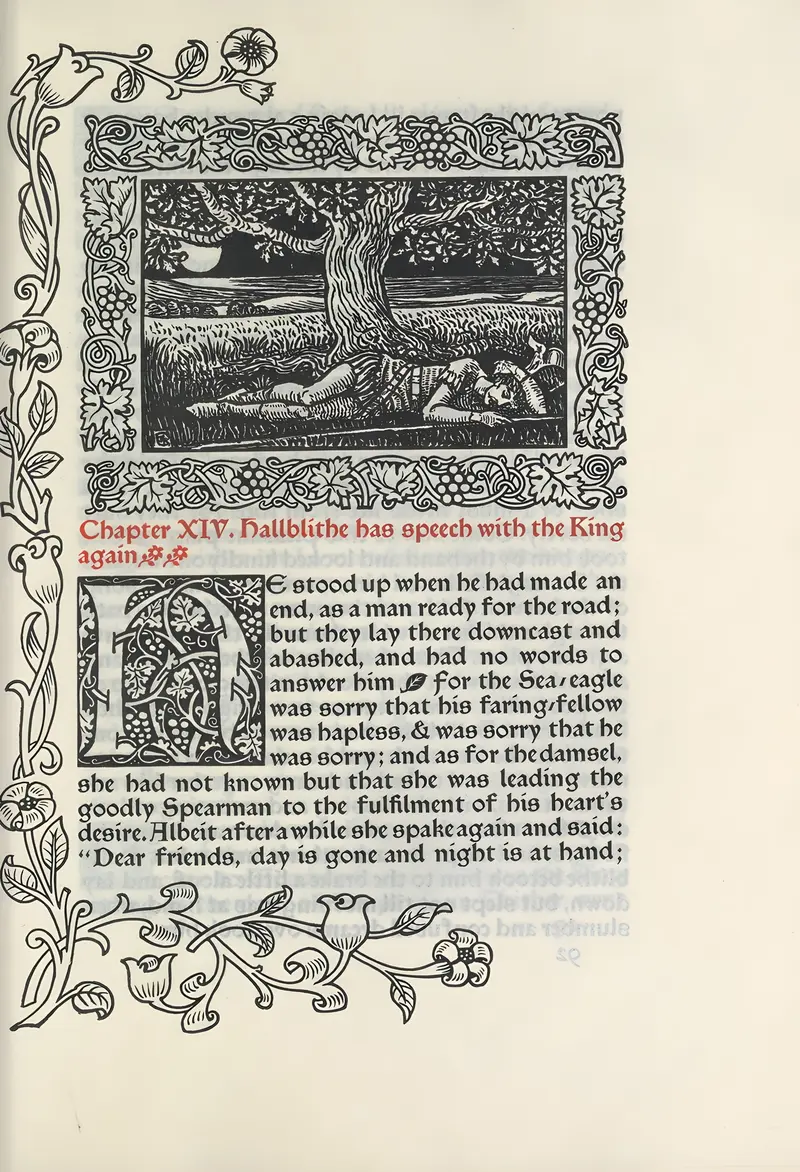
Chapter XIV. Hallblithe has speech with the King again
Walter Crane
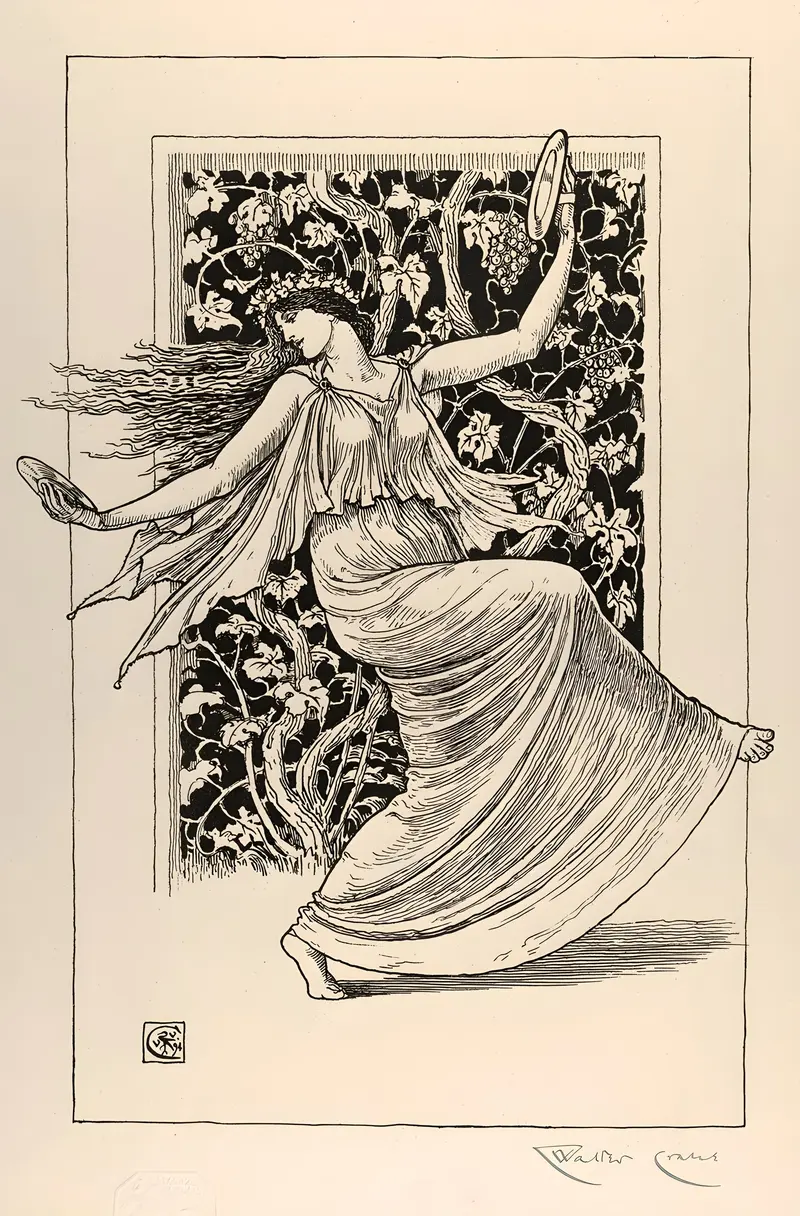
Dancing Nymph
Walter Crane
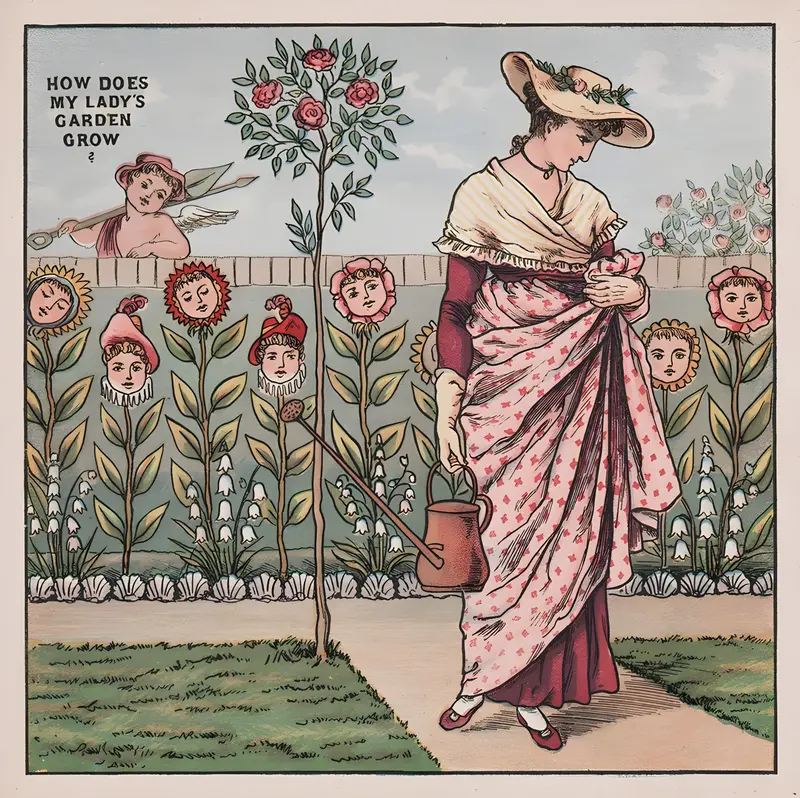
How does my lady’s garden grow
Walter Crane
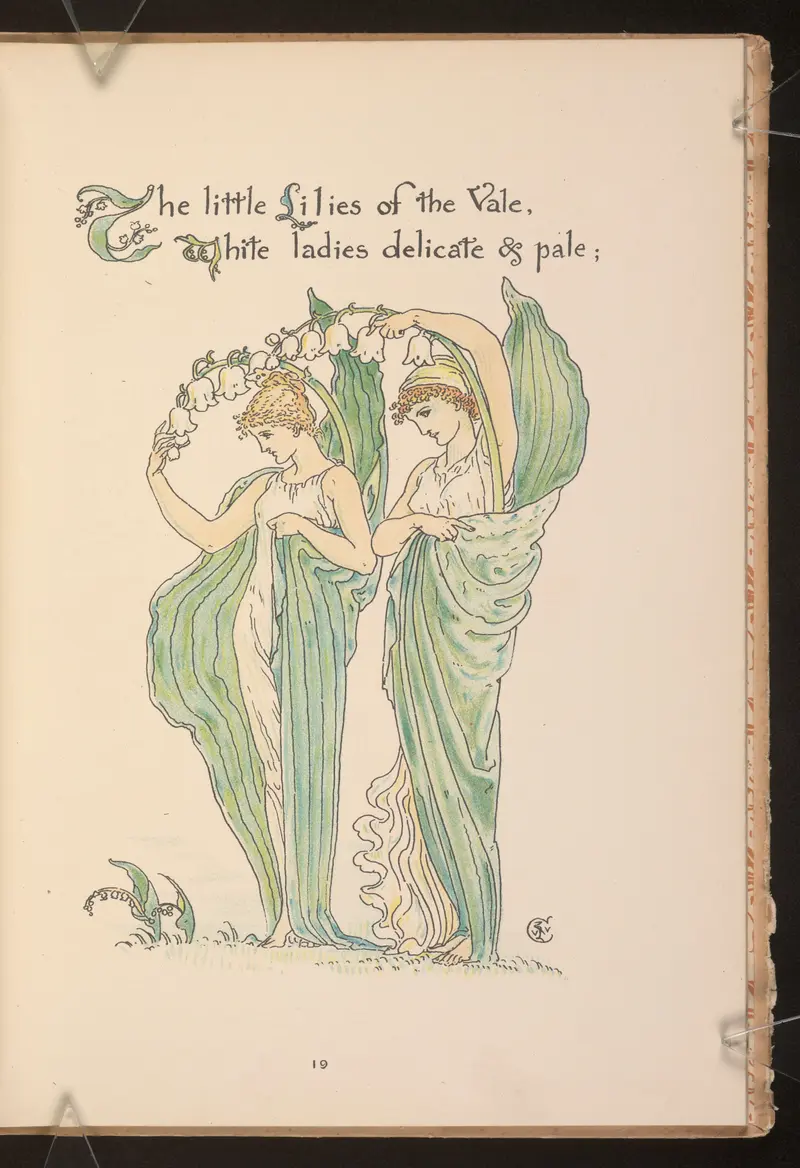
Flora’s feast; A masque of flowers Pl.19
Walter Crane
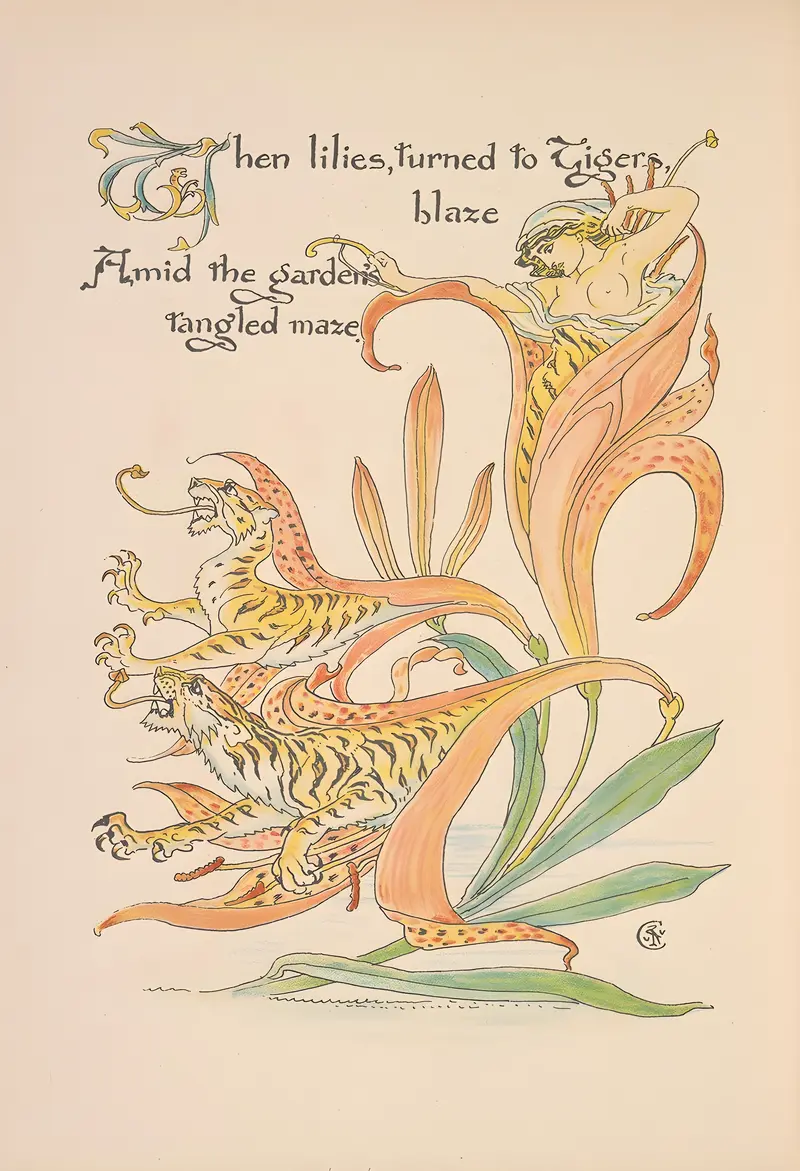
Flora’s feast; A masque of flowers Pl.34
Walter Crane
Flora’s feast; A masque of flowers Pl.29
Walter Crane
More Genre Scene Art

Banquet of the Officers of the St George Civic Guard
Frans Hals

Rembrandt and Saskia in the Scene of the Prodigal Son
Rembrandt van Rijn

Bal du moulin de la Galette
Pierre-Auguste Renoir

Quadrille at the Moulin Rouge
Henri de Toulouse-Lautrec

A Burial at Ornans
Gustave Courbet

When Will You Marry?
Paul Gauguin